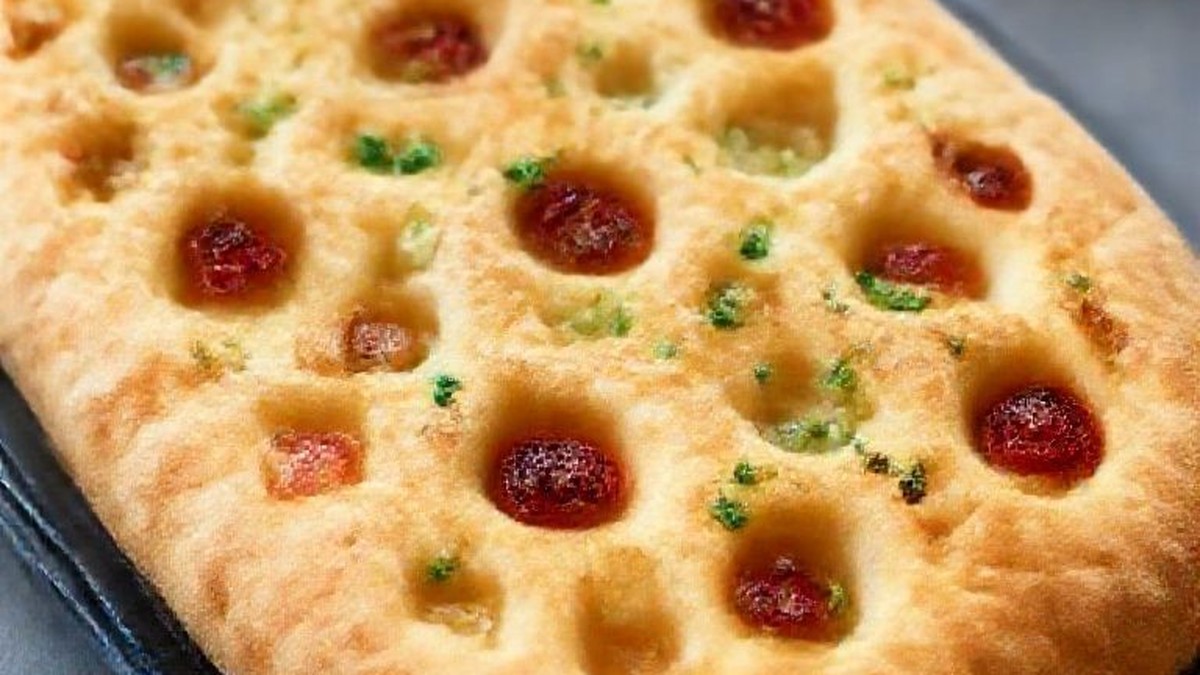
Imagine the aroma of freshly baked bread wafting through your kitchen, a symphony of yeasty notes mingling with the bright, peppery scent of extra virgin olive oil. Picture a golden crust, impossibly crisp, giving way to an interior so soft, so airy, it practically melts in your mouth. This isn’t just any bread; this is the magic of homemade sourdough focaccia, a true Italian flatbread that transcends mere sustenance, becoming an experience. Today, we’re not just sharing a recipe; we’re inviting you to embark on a culinary journey that will transform your kitchen into a Tuscan trattoria, all thanks to the humble yet mighty sourdough starter. Get ready to discover the pure joy of creating this incredible olive oil bread right in your own home.
Why This Sourdough Focaccia Recipe Works Wonders
There’s a special kind of satisfaction that comes from baking with a sourdough starter, and this focaccia recipe truly embodies it. The natural leavening process not only imparts a wonderfully complex, slightly tangy flavor profile that commercial yeast simply cannot replicate, but it also contributes to an incredible texture. The long, slow fermentation, particularly an overnight fermentation, is the secret weapon here. It allows the flavors to deepen and the gluten structure to relax, making for an extraordinarily tender crumb.
What truly sets this recipe apart for the home baker is its “no-knead bread” approach. Forget the arduous work of traditional bread making; this focaccia requires minimal hands-on effort. A few gentle folds over a period of hours are all it takes to develop the gluten, making it perfect for busy schedules without sacrificing quality. This hands-off method ensures a light, airy interior that is simply irresistible. This isn’t just a recipe; it’s a testament to the fact that magnificent bread doesn’t have to be complicated, especially when you harness the power of a well-fed sourdough starter.
Ingredients Spotlight: The Heart of Your Focaccia
Crafting the perfect sourdough focaccia begins with understanding the role each ingredient plays. Quality matters, especially when your ingredient list is so beautifully simple. We’re aiming for robust flavors and textures, which means choosing ingredients that shine. Take a moment to gather these essentials; they are the foundation for your delicious Italian flatbread.
| Quantity | Ingredient | Notes & Purpose |
|---|---|---|
| 100g | Active Sourdough Starter | Your fed and bubbly sourdough starter is the leavening agent and flavor builder. |
| 350g | Warm Water (90-95°F) | Hydrates the flour and activates the starter; temperature is key for yeast activity. |
| 400g | All-Purpose Flour | The primary structure of your bread. Unbleached all-purpose flour works beautifully. |
| 10g | Fine Sea Salt | Enhances flavor and controls fermentation. Essential for taste balance. |
| 30g (plus more for pan & drizzle) | Extra Virgin Olive Oil | Adds flavor, richness, and keeps the focaccia tender. Don’t skimp on quality. |
| Optional | Flaky Sea Salt | For finishing, providing a delightful crunch and burst of saltiness. |
| Optional | Fresh Rosemary, Olives, Cherry Tomatoes | Popular toppings that infuse extra flavor and visual appeal. |
A note on ingredients: Your sourdough starter should be active and bubbly, meaning it should have been fed 4-8 hours prior and be at its peak. For the all-purpose flour, we recommend an unbleached variety, as it tends to have better protein content for gluten development. And when it comes to olive oil, invest in a good quality extra virgin olive oil; its flavor is prominent in the finished bread, truly defining it as an olive oil bread.
Step-by-Step Directions to Your Perfect Sourdough Focaccia
Patience is a virtue in sourdough baking, but the hands-on time for this no-knead bread is surprisingly minimal. Follow these steps, and you’ll be rewarded with an incredible Italian flatbread.
- Activate Your Sourdough Starter: The day before you plan to bake, feed your sourdough starter. It should be active, bubbly, and ideally doubled in size when you’re ready to mix the dough. This ensures robust leavening for your focaccia.
- Mix the Dough: In a large mixing bowl, combine the warm water and your active sourdough starter. Stir gently until the starter mostly dissolves. Add the all-purpose flour and fine sea salt to the bowl. Mix with a wooden spoon or your hands until just combined and no dry streaks of flour remain. The dough will be shaggy and sticky. Cover the bowl with a damp cloth or plastic wrap and let it rest for 30 minutes. This resting period, called autolyse, helps the flour fully hydrate.
- Incorporate Olive Oil and Begin Folds: After the rest, add 30g of the extra virgin olive oil to the dough. Gently fold the dough in on itself a few times to incorporate the oil. Now, perform your first set of “stretch and folds.” With wet hands, gently grab a portion of the dough from one side, stretch it upwards, and fold it over to the center. Rotate the bowl and repeat this process 3-4 more times until you’ve worked your way around the dough. Cover and let rest for 30 minutes.
- Continue Folding: Repeat the stretch and fold process (Step 3) two more times, with 30-minute rest periods in between each set. You’ll notice the dough becoming smoother, more elastic, and less sticky with each fold. This minimal interaction is the magic behind our no-knead bread.
- First Bulk Fermentation: After the last set of folds, cover the bowl and let the dough rise at room temperature (around 70-75°F) for 2-4 hours. The exact time will depend on the strength of your sourdough starter and your ambient kitchen temperature. The dough should look visibly puffier and have some bubbles on the surface.
- Overnight Cold Fermentation: This step is crucial for flavor development and convenience. Lightly oil a clean, rectangular container or a bowl large enough for the dough to expand, then transfer the dough into it. Cover tightly with a lid or plastic wrap and refrigerate for at least 12 hours, and up to 24 hours. This overnight fermentation slows down the yeast activity, deepening the tangy sourdough flavor and making the dough easier to handle.
- Prepare for Baking: The next day, approximately 2-3 hours before you plan to bake, generously grease a standard 9×13 inch baking sheet with extra virgin olive oil. Don’t be shy here; the oil prevents sticking and creates a wonderfully crisp bottom crust. Gently transfer the cold dough from the container to the prepared baking sheet.
- Second Proofing & Dimpling: Gently stretch the dough to fill the baking sheet. It will be resistant at first but will relax as it warms up. Drizzle more olive oil over the surface of the dough. With oiled fingertips, gently press dimples all over the surface, being careful not to deflate it completely. Cover the baking sheet loosely with plastic wrap or a clean kitchen towel and let it proof at room temperature for 1.5-2.5 hours, or until visibly puffy and soft to the touch. During this time, preheat your oven to 450°F (230°C).
- Add Toppings & Bake: Once proofed, drizzle a final touch of olive oil over the dimpled surface. Sprinkle generously with flaky sea salt and your chosen toppings, such as fresh rosemary sprigs, pitted olives, or halved cherry tomatoes.
- Bake to Golden Perfection: Place the baking sheet in the preheated oven. Bake for 20-30 minutes, or until the focaccia is golden brown on top and the edges are crisp. If you have a digital thermometer, the internal temperature should read around 200-210°F (93-99°C).
- Cool and Serve: Carefully remove the focaccia from the oven. If it feels stuck, use a thin spatula to release the edges. Immediately transfer it to a wire rack to cool slightly. Resist the urge to cut into it right away; allowing it to cool helps set the crumb and prevents it from becoming gummy. Enjoy this magnificent olive oil bread warm, torn into pieces, or sliced for sandwiches.
Pro Tips for Sourdough Focaccia Success
Achieving bakery-quality focaccia is all about attention to a few key details. Firstly, always use a digital scale for precise measurements; bread baking is a science, and consistency yields the best results. Don’t be afraid to be generous with the olive oil, especially in the pan and on top of the dough. It’s what gives this Italian flatbread its characteristic rich flavor and tender crumb, making it truly an olive oil bread.
When dimpling the dough, wet your fingertips with a little olive oil to prevent sticking and create those beautiful, deep indentations that catch the flavorful oil and toppings. For your sourdough starter, ensure it’s vigorous and active – a weak starter will result in a flat, dense focaccia. Finally, experiment with toppings! Beyond rosemary and sea salt, try caramelized onions, thinly sliced garlic, or a sprinkle of Parmesan cheese for personalized variations on this classic no-knead bread.
Common Mistakes to Avoid for Perfect Focaccia
Even with a straightforward no-knead bread recipe like this, a few common pitfalls can hinder your success. One of the most frequent mistakes is using an inactive sourdough starter. If your starter isn’t bubbly and energetic, your focaccia won’t rise properly, resulting in a dense loaf. Always ensure your starter is at its peak activity before mixing the dough.
Another error is not allowing enough time for proofing, especially the second proof on the baking sheet. Rushing this step will lead to a tighter crumb and less airy texture. Conversely, over-proofing can cause the dough to collapse in the oven. Look for a visibly puffy dough that springs back slowly when gently poked. Lastly, under-oiling the baking sheet or the dough itself is a common oversight. The generous application of olive oil is essential for that signature crisp bottom and tender interior, defining it as a true olive oil bread, so don’t hold back!
FAQ & Conclusion: Embrace Your Inner Baker with this Sourdough Focaccia Recipe
Frequently Asked Questions
- Q: Can I use bread flour instead of all-purpose flour?A: Yes, you can! Bread flour has a higher protein content, which can result in a slightly chewier focaccia. All-purpose flour yields a wonderfully tender crumb, but feel free to experiment.
- Q: How long does homemade sourdough focaccia last?A: Best enjoyed the day it’s baked, focaccia will remain fresh for 2-3 days stored in an airtight container at room temperature. It can also be frozen for up to 3 months, then thawed and reheated.
- Q: What if my sourdough starter isn’t very active?A: If your sourdough starter isn’t reliably doubling in size after feeding, it might need a few more regular feedings to strengthen. A weak starter will lead to less rise and a denser final product.
There is an undeniable magic in creating something so utterly delicious from simple ingredients, especially when your trusty sourdough starter is at the heart of it. This sourdough focaccia recipe, with its no-knead bread approach and overnight fermentation, demystifies the art of baking. It delivers an Italian flatbread that is both rustic and refined, perfect for serving alongside a meal, dipping in more glorious olive oil, or crafting into the most incredible sandwiches.
We hope this journey inspires you to get your hands a little sticky and fill your home with the intoxicating aroma of freshly baked olive oil bread. The satisfaction of pulling a golden, dimpled focaccia from your oven, knowing you created it from scratch, is unparalleled. So, go forth, bake with confidence, and savor every single bite of your homemade sourdough focaccia!

I am a passionate recipe developer and food enthusiast specializing in heart-warming traditional dishes and simple, everyday meals. My goal is to inspire you to find joy and confidence in the kitchen through my easy-to-follow recipes.