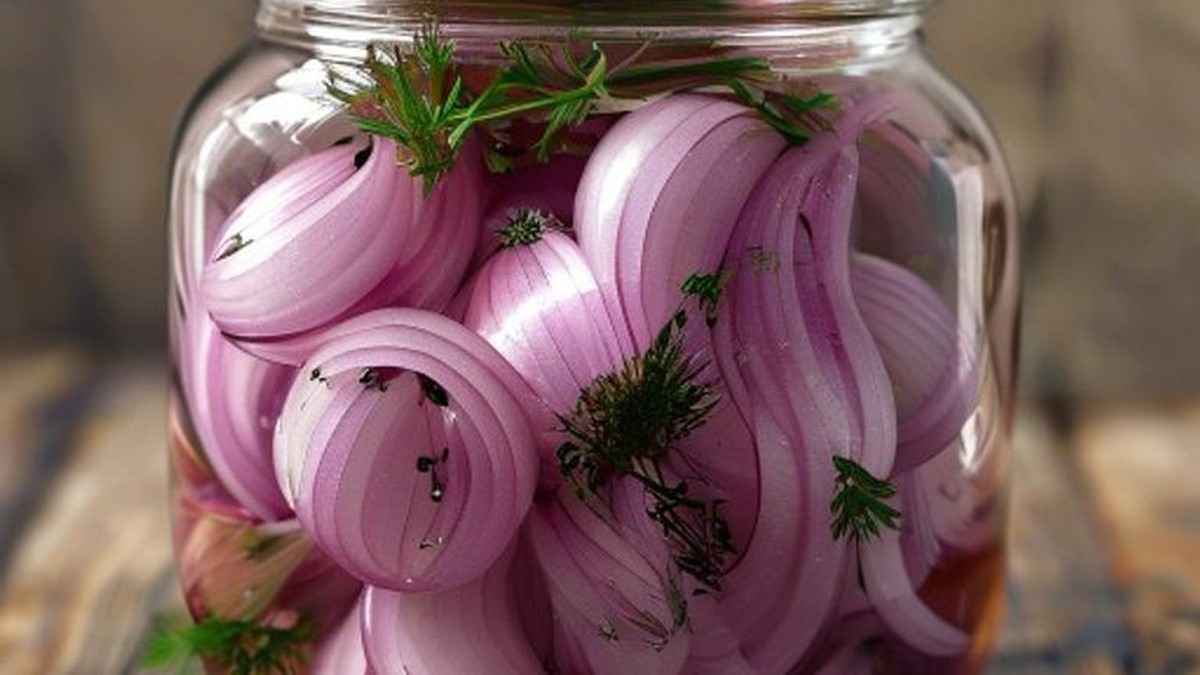
Mastering the quick pickled red onions protocol provides a high-impact culinary asset with minimal investment. These vibrant, tangy additions elevate diverse meals from tacos to salads, enhancing flavor profiles and visual appeal. This expert guide distills years of experimentation into a streamlined, high-yield method, ensuring consistently superior results over commercial alternatives.
Protocol Overview: Assemble Ingredients & Equipment
This section outlines the essential components required for executing the quick pickled red onions protocol, ensuring readiness and optimal outcomes.
Critical Ingredients for Optimal Results
- 2 medium-sized red onions: Look for firm, unblemished onions. Smaller to medium ones (around 6-8 ounces each) facilitate even slicing and fit efficiently into a standard pint jar.
- 1 cup water: Filtered water is preferred if tap water possesses a strong chlorine taste.
- 1 cup apple cider vinegar: Bragg’s Organic Apple Cider Vinegar with the ‘Mother’ is recommended for consistent acidity and a complex, fruity undertone. Cheaper brands may yield harsher profiles.
- 1 tablespoon granulated sugar: White granulated sugar is appropriate. Avoid brown sugar, as it can compromise the vibrant color and introduce an incongruous molasses note.
- 1 teaspoon Diamond Crystal Kosher Salt: This is critical. Its larger flake size and consistent salinity prevent over-salting. If substituting Morton’s Kosher Salt, reduce to 3/4 teaspoon due to its higher salinity by volume. Table salt is unsuitable due to its fine texture and overwhelming salinity.
- Optional additions for enhanced flavor:
- 1/2 teaspoon black peppercorns: Whole, not ground.
- 2-3 sprigs fresh dill or thyme: For an aromatic enhancement.
- 1-2 small bay leaves: To impart subtle savory depth.
- 1/4 teaspoon red pepper flakes: For a mild heat profile.
Essential Equipment for Procedural Success
- 1-quart heat-proof jar with a lid: A Ball 16oz wide-mouth Mason Jar is recommended for ease of packing and reliable heat resistance/sealing. Inferior jars can lead to compromised shelf life and flavor degradation.
- Mandoline slicer or very sharp chef’s knife: For achieving consistent, thin slices.
- Small saucepan: For brine preparation.
- Measuring cups and spoons.
Step 1: Precision Slicing & Onion Preparation
Peel both red onions and trim off the ends. The critical phase involves slicing: aim for a uniform thickness of 1/16 to 1/8 inch. An OXO Good Grips V-Blade Mandoline Slicer set to its second-thinnest setting facilitates this effortlessly. If utilizing a chef’s knife, prioritize uniformity and razor-thin half-moon slices. Critical insight: Incorrect slicing thickness (too thick) results in less tender pickles and extended pickling times; overly thin slices risk a mushy texture.
Step 2: Optimal Jar Packing Strategy
Carefully transfer the sliced red onions into your clean, heat-proof 1-quart jar. Pack them snugly, ensuring sufficient space for brine circulation. Employ the back of a spoon or clean knuckles to gently compress them. If integrating optional aromatics (peppercorns, dill, bay leaf, red pepper flakes), add them now, distributing them evenly among the onion layers for consistent flavor infusion.
Step 3: Brine Formulation & Dissolution
In your small saucepan, combine the water, apple cider vinegar, granulated sugar, and Diamond Crystal Kosher Salt. Place the saucepan over medium-high heat and bring the mixture to a gentle simmer, stirring constantly. The objective is complete dissolution of sugar and salt. Systematic dissolution is critical; undissolved granules result in unevenly flavored pickles. Remove immediately from heat once all granules are dissolved; a rolling boil is unnecessary.
Step 4: Brine Application & Submersion
Carefully pour the hot brine over the packed red onions in the jar, ensuring complete submersion of all onion slices. If the brine level is slightly inadequate, supplement with a splash more hot water or vinegar. The onions will soften and compress in the hot brine. Utilize a clean butter knife or chopstick to gently dislodge any trapped air bubbles by running it around the inside edge of the jar.
Step 5: Post-Pour Cooling & Refrigeration Protocol
Place the lid loosely on the jar initially to allow steam release during cooling. Permit the jar to cool at room temperature for approximately 20-30 minutes, or until comfortable to handle. Once cooled, secure the lid tightly and transfer the jar to your refrigerator. While technically ready in 30 minutes, optimal flavor and vibrant pink color develop significantly after at least 2 hours, with peak flavor observed around 24-48 hours.
Step 6: Troubleshooting & Quality Assurance
- Excessive Salinity: Primarily results from using table salt or incorrect measurements. Remediation post-pickling is limited; precise kosher salt measurement is key for prevention.
- Mushy Texture: Occurs from overly thin slicing combined with excessive brine heat. Adhere strictly to the 1/16 to 1/8 inch thickness guideline.
- Insufficient Pigmentation: Very fresh red onions may exhibit slower color release. Extend refrigeration time. A minimal addition of beet juice can enhance color without flavor alteration.
- Optimal Shelf Life: Refrigerated, these pickled red onions maintain quality for 2-3 weeks. Beyond this, texture degradation commences. Always use clean utensils to prevent contamination.
- Brine Reusability: While theoretically feasible, it is generally not advised. Brine potency and flavor diminish upon absorbing onion essence. For consistent optimal results, formulate a fresh batch for each cycle.
Step 7: Application & Culinary Integration
These pickled red onions are exceptionally versatile for culinary enhancement. Integrate them systematically into various dishes:
- Tacos and Burrito Bowls: Particularly effective with pork carnitas or grilled fish tacos.
- Avocado Toast: Provides a vibrant acidic counterpoint to creamy avocado.
- Salads: Imparts a critical acidic punch to any green or grain-based salad.
- Sandwiches & Burgers: A superior textural and flavor alternative to raw onion slices.
- Grilled Meats: Cuts through the richness of steak or chicken.
- Eggs: Enhances scrambled eggs or fried egg breakfasts.
Adhering to this quick pickled red onions protocol will integrate a versatile, high-impact component into your culinary repertoire. This systematic approach ensures superior texture and flavor, consistently elevating routine meals. Implement this protocol to optimize your gastronomic creations.
Kitchen Tools for This Recipe
The right gear makes this recipe easier and more consistent. These are the tools we recommend from our own testing; the full write-ups live in our buying guides.
1. KEAWELL Premium A3 Fully Clad Stainless Steel Saucepan (3QT Saucepan) Our full buying guide covers the alternatives.
2. The Simplest Slow Cooker Mediterranean Diet for Seniors Our full buying guide covers the alternatives.

Rimi Sultana is a home cook from Bangladesh who has cooked for her family every day for the past five years and writes about it at Smart Cooks. Perpetually testing whether internet-famous recipes actually work in a regular home kitchen. Say hello on Facebook or through the contact page.