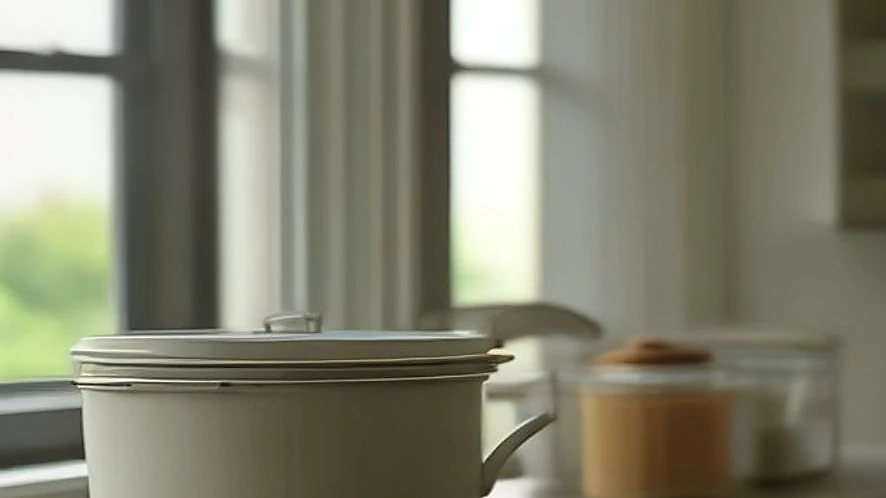
Pasta pots and stock pots look similar but have distinct design features that affect their cooking performance and usability. The main difference is the inclusion of a strainer insert in a pasta pot, which simplifies draining without needing a separate colander.
Some links in this post are affiliate links. If you buy through them we may earn a small commission at no extra cost to you — it never changes which products we recommend.
Beyond the strainer, their dimensions and shape influence heat distribution, water volume, and the types of dishes each is best suited for. Understanding these differences can help home cooks avoid common frustrations when boiling pasta or simmering broths.
Where each one wins
Pasta pots excel at cooking and draining pasta efficiently. The strainer insert removes the need for a separate colander, saving time and reducing the risk of spills or burns. Their wide base promotes quicker boiling, which matters because pasta should go in only when the water is at a rolling boil to prevent sticking and uneven cooking.
Stock pots shine for long, slow cooking where maintaining a steady temperature and reducing liquid is essential. Their tall, narrow profile limits evaporation and heat loss, making them ideal for broths, stews, and soups that need hours on the stove. They can also double for boiling large batches of pasta or vegetables if you don’t mind using a separate colander.
To understand why pasta pots boil water faster, consider the heat transfer mechanisms involved. The wider base of a pasta pot exposes more surface area directly to the burner’s heat, increasing conduction efficiency. For example, a typical 8-quart pasta pot with a 10-inch diameter base can transfer heat roughly 20-30% faster than a stock pot of the same volume but narrower base. This means water reaches boiling temperature in approximately 10-15 minutes in a pasta pot versus 15-20 minutes in a stock pot on the same stove setting.
Conversely, the stock pot’s tall, narrow shape reduces the surface area exposed to air, which slows evaporation. This is critical when simmering stocks or broths over several hours, as excessive evaporation can concentrate flavors too quickly or cause the liquid to reduce below desired levels. A typical 12-quart stock pot may lose only 5-10% of its volume to evaporation in a 4-hour simmer, whereas a pasta pot of similar volume might lose 15-20% in the same time frame.
Heat retention also differs between the two. Stock pots, often made with thicker gauge metal and taller sides, retain heat longer, maintaining a stable simmer with less frequent adjustment of the burner. This stability is essential for extracting flavors from bones and vegetables during stock making. Pasta pots, by contrast, cool faster once removed from heat due to their larger surface area and thinner walls, which is less ideal for slow cooking but advantageous for quick temperature changes needed when boiling pasta.
The strainer insert in pasta pots is typically perforated with holes ranging from 2-4 mm in diameter, optimized to drain water quickly while retaining pasta shapes without loss. The insert’s design also allows it to be lifted out smoothly, reducing the risk of burns from splashing hot water. In contrast, stock pots rely on ladles or careful pouring for draining, which can be cumbersome and risky with heavy pots full of hot liquid.
Practical consequences of choosing the wrong pot
Using a stock pot to boil pasta without a strainer insert can lead to practical challenges. The narrow opening and tall sides make it difficult to pour boiling water safely into a colander without spills. This increases the risk of burns and kitchen messes. Additionally, the slower boiling time of stock pots means longer wait times before adding pasta, which can affect cooking quality by increasing the chance of pasta sticking together.
On the other hand, using a pasta pot for long simmering tasks can result in excessive evaporation, requiring frequent topping up of liquids and careful monitoring. This can dilute flavors or cause uneven cooking if liquid levels drop too low. The thinner walls of many pasta pots also mean less heat retention, requiring more frequent burner adjustments and potentially leading to temperature fluctuations that affect delicate stock extractions.
For home cooks, these differences translate into time, safety, and quality considerations. Choosing the right pot for the task can reduce cooking time by up to 25%, improve flavor extraction in stocks by maintaining stable simmer conditions, and minimize the risk of burns or spills during draining. For example, a professional chef preparing a 12-hour bone broth will benefit from the heat retention and evaporation control of a stock pot, while a busy family cooking pasta on weeknights will appreciate the convenience and safety of a pasta pot with a strainer insert.
The material and construction of these pots also impact performance. Many stock pots are made of stainless steel with an aluminum or copper core base to enhance heat conduction and retention. Pasta pots often prioritize nonstick coatings for easy cleaning and food release, but this can affect heat distribution and durability under high heat. Knowing these trade-offs helps in selecting a pot that fits both cooking style and maintenance preferences.
| Pasta pot | Stock pot | |
|---|---|---|
| Shape | Wide and shallow with large diameter | Tall and narrow with smaller diameter |
| Volume | Usually 6-8 quarts (5.7-7.6 L) | Often 8-12 quarts (7.6-11.4 L) or more |
| Accessories | Removable perforated insert for straining | No insert; pours or ladles used for draining |
| Primary use | Boiling and straining pasta or vegetables quickly | Simmering stocks, soups, and large liquid volumes |
| Evaporation rate | Higher due to wide surface area | Lower because of taller sides and smaller opening |
| Heat distribution | Faster heating from larger base surface exposure | Slower to heat but retains heat longer |
From my kitchen
Once, I tried boiling spaghetti in a tall stock pot without a strainer insert. Transferring the pasta to a colander was tricky because the pot’s narrow opening made it hard to pour without spilling. I ended up drenching my counter with hot water. When I switched to a pasta pot with an insert, not only did I avoid the mess, but I also noticed the water boiled faster. The wider base heated the water more evenly, and lifting the insert out was safer and cleaner. This was a simple change but one that made pasta nights less stressful.
Worth Considering
Best for versatile stock and pasta cooking: Viking PureGlide Pro 3-Ply Nonstick Stock Pot

This 8-quart stock pot works well for simmering broths and boiling pasta. It is oven safe to 600°F (315°C) and features a durable titanium nonstick surface safe for metal utensils. It’s not ideal if you want a dedicated pasta pot insert; draining requires a separate colander.
Brand: 4.3 4.3 out of 5 stars · Price when checked: $168.00 · Rating: 4.5 out of 5 (1673 ratings)
Pros
- 3-ply construction for even heat distribution
- Oven safe to 600°F (315°C)
- Titanium nonstick surface, metal utensil safe
Cons
- No built-in strainer insert for pasta
- Relatively heavy compared to simpler pots
Best for easy pasta draining: SENSARTE Nonstick 8.5 QT Pasta Pot

This 8.5-quart pot includes a strainer insert making it convenient for pasta and vegetable boiling. Its nonstick surface is scratch-resistant and requires less oil, suited for healthy cooking. It is lighter and more affordable but less versatile for long simmering compared to a traditional stock pot.
Brand: SENSARTE · Price when checked: $49.99 · Rating: 4.6 out of 5 (811 ratings)
Pros
- Comes with explosion-proof glass lid and ergonomic handles
- Long-lasting nonstick coating with excellent food release
- Multiple size options from 2.6 to 11 quarts
Cons
- Not designed for extended simmering or stock making
- Hand wash recommended to preserve coating
When neither a pasta pot nor stock pot is right
If you regularly make sauces, risottos, or small portions of boiled foods, neither a pasta pot nor a large stock pot is the best tool. Saucepan or sauté pans with a wider base and sloped sides offer better control over evaporation and stirring. For instance, a 3-quart saucepan is easier to handle and heats more efficiently for these tasks. Additionally, if you want to cook pasta directly in sauce or broth without draining, a wide sauté pan or deep skillet might be more practical.
Related reading
- Best Instant Pot Accessories for Baking Cheesecake
- Common Mistakes People Make Buying a Saucepan
- Quick & Easy Chicken Pot Pie Recipe (Foolproof!)
Frequently Asked Questions
Can I use a stock pot to cook pasta?
Yes, you can boil pasta in a stock pot. Its tall design holds large amounts of water, which prevents water temperature from dropping too much when pasta is added. However, stock pots lack built-in strainers, so you will need a separate colander to drain pasta safely. The narrower opening may also make pouring riskier compared to a pasta pot with an insert.
Does a pasta pot boil water faster than a stock pot?
Typically, yes. Pasta pots have a wider base and shallower shape, increasing the water’s exposure to heat from the burner and air at the surface. This larger surface area speeds heat transfer and evaporation, bringing water to a boil faster than the narrower, taller stock pot. However, that same shape can cause quicker water loss through evaporation.
Are pasta pots only useful for pasta?
No. While designed for pasta, these pots are versatile enough for boiling vegetables, blanching, or even steaming with the strainer insert. That said, they are not ideal for slow simmering or recipes requiring long cooking times because their shape promotes evaporation and less heat retention compared to stock pots.

Related: Blender vs food processor: what really sets them apart

Rimi Sultana is a home cook from Bangladesh who has cooked for her family every day for the past five years and writes about it at Smart Cooks. Perpetually testing whether internet-famous recipes actually work in a regular home kitchen. Say hello on Facebook or through the contact page.