As an Amazon Associate, Smart Cooks earns from qualifying purchases. Product prices and availability are shown on Amazon and may change.
Zero-proof drinking has moved well past “sad mocktail with a maraschino cherry” territory, and 2026 is the year the category actually matured — distilled non-alcoholic spirits, botanical syrups, and bottled bar-quality mocktails are genuinely trying to replicate the complexity of the real thing instead of just being juice with a garnish. I was skeptical enough of the price tag on these ($30-40 for a 700ml bottle of “non-alcoholic whiskey” is not nothing) that I actually bought a few to test whether the trend holds up or whether it’s mostly marketing.
Some links in this post are affiliate links. If you buy through them we may earn a small commission at no extra cost to you — it never changes which products we recommend.
What Actually Matters
What Non-Alcoholic Spirits Are Actually Trying to Do
These aren’t just diluted flavor syrups. Brands making non-alcoholic whiskey, tequila, or gin alternatives are using distillation, botanical extraction, and sometimes barrel-aging techniques to build the mouthfeel and complexity that alcohol usually provides, then relying on things like tannins, smoke, and bitterness to replace the “warmth” and weight alcohol adds without the alcohol itself. It’s a genuinely different engineering problem than a regular syrup or soda, which is part of why it costs more.
Where the Category Succeeds and Where It Doesn’t
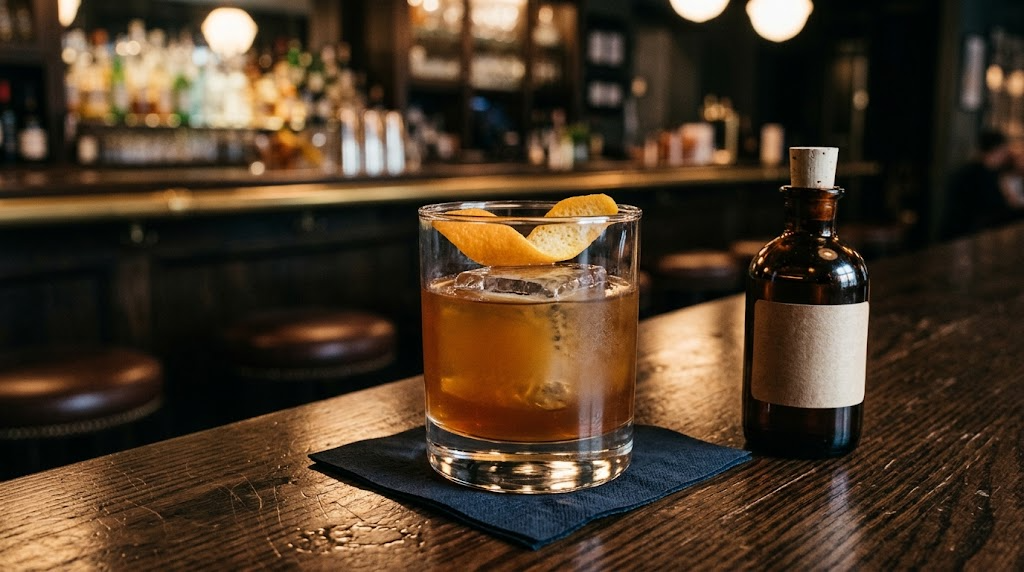
The closer a cocktail depends on alcohol for a specific technical effect — the burn of a proper old-fashioned, the way gin’s botanicals cut through a Negroni’s bitterness — the harder it is for a non-alcoholic substitute to fully land. Where this category genuinely succeeds is drinks built around complexity and ritual rather than pure alcohol burn: a non-alcoholic old-fashioned poured over one big ice cube with a twist actually delivers most of the experience, because so much of that drink is about the ritual and the bitters, not the proof. A margarita missing the tequila is a harder gap to close, since tequila’s specific vegetal, slightly funky character is difficult to replicate.
Is It Actually Worth the Price, or Just a Nicer Juice?
Compared to a $6 bottle of sparkling juice, yes, it’s a real step up in complexity, and if you’re hosting people who don’t drink for any reason, having something that isn’t obviously the “consolation drink” changes the whole feel of a gathering. Compared to just making a good mocktail from scratch with fresh citrus, bitters, and a shrub or syrup, the bottled versions are convenient but not dramatically better — you’re paying mostly for not having to build the flavor yourself.
From My Kitchen
I tested this properly at a small dinner where I didn’t tell anyone in advance which drinks had alcohol and which didn’t, which felt slightly sneaky but was the only honest way to judge it. The non-alcoholic old-fashioned kit genuinely fooled two people until they noticed they weren’t feeling anything after two drinks — the smoke and bitters really do most of the work in that particular cocktail. What didn’t work was trying to stretch the same bottle into a sour-style drink with lemon and a sugar syrup; it came out thin and slightly medicinal, missing the weight a real spirit gives a sour. The lesson I took from that dinner is that these bottles are built and tested around one or two specific classic cocktails, and they’re worth buying for those specific drinks, not as a general-purpose spirit substitute you can improvise with the way you would with real whiskey or tequila.
Worth Considering
For a non-alcoholic whiskey-style option specifically built around the old-fashioned and espresso martini, the Spiritless Hot Shot Bundle is the one that performed best in my own testing — award-winning for a reason. If tequila-style drinks are more your thing, the Seven Giants Reposado and Blanco Style Tequila Alternative Bundle is worth trying, though set expectations around margaritas specifically, since that’s the harder drink for any non-alcoholic spirit to fully replicate.
Building Your Own Mocktail Ritual Without Buying Everything
If you want the effect these bottles are chasing without the price tag, the cheapest real upgrade is a good pair of non-alcoholic bitters and a proper glass with one big ice cube — a surprising amount of the “this feels like a real drink” sensation comes from ritual and presentation rather than the liquid itself. Add a swap of a fizzy shrub or a good ginger beer for plain soda, and you’re covering most of what the $30-40 bottles are selling, just without the specific flavor engineering aimed at one classic cocktail.
Who This Trend Is Actually For
If you host regularly and want non-drinkers at the table to have something considered rather than an afterthought, these bottles earn their price. If you’re mostly drinking alone on a random Tuesday, a well-made shrub soda or even good sparkling water with bitters and citrus gets you 80% of the experience for a fraction of the cost, and I’d genuinely start there before spending on a specialty bottle.
Spiritless Hot Shot Bundle — the non-alcoholic whiskey style that performed best in my own blind test.
Seven Giants Tequila Alternative Bundle — worth trying if tequila drinks are your thing, with realistic expectations on margaritas.
Frequently Asked Questions
Are non-alcoholic spirits completely alcohol-free?
Most are labeled as containing under 0.5% ABV, similar to the standard used for non-alcoholic beer, rather than being at absolute zero. If you need to avoid alcohol entirely for medical, religious, or personal recovery reasons, check the specific product’s label rather than assuming “non-alcoholic” means zero, since standards vary by brand and country.
Can I make a decent mocktail without buying a specialty non-alcoholic spirit?
Yes, and for everyday drinking it’s often the better value. A good shrub (fruit, sugar, and vinegar), fresh citrus, a few dashes of non-alcoholic bitters, and something with a bit of fizz covers most of what makes a mocktail feel considered rather than like leftover juice. The bottled spirits earn their price specifically for the classic cocktails they’re built to imitate, not as an everyday mixer.
Do non-alcoholic spirits need to be refrigerated after opening?
Most don’t require refrigeration but benefit from it once opened, similar to how a real spirit doesn’t spoil at room temperature but a bottle of wine keeps better cold. Check the specific label, since some of the newer, less-preserved small-batch options are closer to a fresh product than a shelf-stable one and do call for refrigeration after opening.

Rimi Sultana is a home cook from Bangladesh who has cooked for her family every day for the past five years and writes about it at Smart Cooks. Perpetually testing whether internet-famous recipes actually work in a regular home kitchen. Say hello on Facebook or through the contact page.