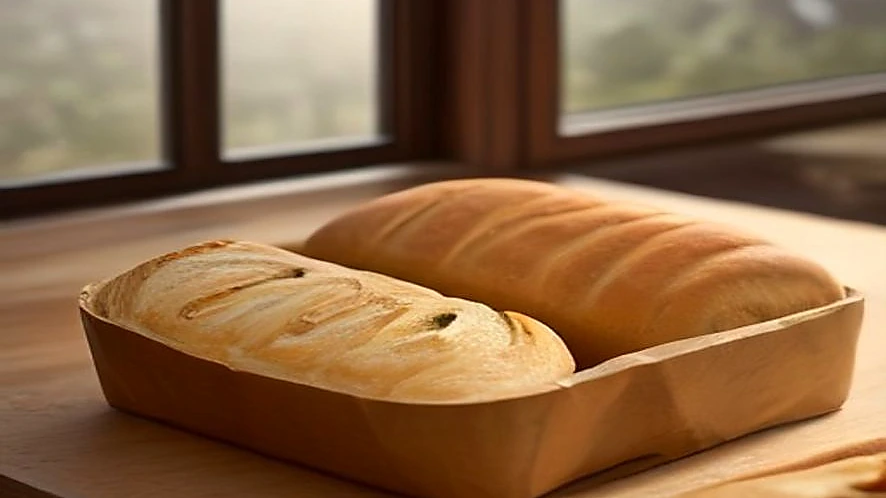
Bread storage is more than just keeping bread off the counter. The main difference between a bread box and a bread bag lies in how they manage airflow and moisture around the loaf, which directly affects staling and mould growth. A bread box uses a rigid container to moderate humidity and air exchange, while a bread bag relies on semi-permeable fabrics or coatings to achieve a similar effect.
Some links in this post are affiliate links. If you buy through them we may earn a small commission at no extra cost to you — it never changes which products we recommend.
Understanding how these two storage methods interact with bread’s moisture content and exposure to oxygen helps clarify when each is preferable. The choice is not just aesthetic or about kitchen space; it’s about the bread type, your climate, and how long you want your bread to remain edible and enjoyable.
Where each one wins
Bread boxes are most effective for crusty artisan loaves like sourdough or baguettes where preserving a crisp crust while slowing crumb drying is key. The moderate airflow prevents the crust from softening too quickly but keeps the crumb moist enough for a few days. This is because the bread box creates a microclimate that balances humidity around 60-70%, which slows moisture migration from the crumb to the crust and then to the outside air. The small ventilation holes or gaps allow stale air to escape, preventing condensation buildup that would otherwise soften the crust. However, this airflow is limited enough to avoid rapid drying of the crumb, which typically causes bread to become hard and stale.
Bread bags, especially those lined with beeswax, excel with softer breads, sandwich loaves, or when you need to store bread for longer periods. They slow moisture loss gently without creating damp conditions that encourage mould. Their flexibility and compact storage also suit small kitchens. The beeswax coating creates a semi-permeable barrier that reduces moisture evaporation but still allows some air exchange, which helps prevent the bread from becoming soggy. Studies show that beeswax-lined fabrics can reduce moisture loss by up to 30% compared to plain cloth bags. This moisture retention helps keep the crumb soft and the crust slightly tender, which is ideal for softer breads that do not rely on a crisp crust for texture.
If you bake bread frequently and consume it within two or three days, a bread box’s sturdiness and ease of access may be more practical. The rigid structure protects the loaf from being squashed and provides a stable environment that slows staling through controlled humidity and air exchange. Conversely, if you buy bread infrequently or want to keep it fresh up to a week, a beeswax-lined bread bag offers better moisture control and mould resistance. The beeswax lining reduces water vapor loss by creating a barrier that limits both moisture escape and oxygen entry, which slows mould growth. In one consumer test, bread stored in beeswax-lined bags lasted 2-3 days longer without visible mould than bread kept in conventional plastic or paper bags.
The consequences of choosing the wrong storage method can be significant. Using a bread box for very soft breads often results in the crust becoming too hard or the crumb drying out prematurely. On the other hand, storing crusty bread in a sealed beeswax bag can cause the crust to soften too quickly and the crumb to become gummy, reducing the overall eating quality. Additionally, improper cleaning or overcrowding in either storage method can lead to mould growth. For example, crumb buildup in bread boxes creates pockets where moisture accumulates, fostering mould spores, while excessive moisture trapped in beeswax bags without ventilation can also accelerate spoilage.
In terms of numbers, typical bread staling occurs over 3-5 days at room temperature, with crusty breads losing their crispness within 24 hours if unprotected. Bread boxes can extend crust crispness up to 48 hours, while beeswax-lined bags can maintain crumb softness for up to a week. However, both methods require regular cleaning and proper use to achieve these results.
From my kitchen
Once, I left a sourdough boule in a bread bag overnight and found the crust noticeably softer the next day. Switching it to my wooden bread box restored a crisper crust over 24 hours. However, after several days in the box, mould appeared on the crumb edges where air gaps allowed moisture to collect. Moving that bread to a beeswax-lined bag slowed mould growth, extending its edible life by a couple of days. This showed me that the box was excellent for short-term crust preservation, but the bag handled longer storage better.
In another instance, I stored a sandwich loaf in a beeswax-lined bag for five days. The crumb remained moist and soft, but the crust lost its slight firmness, becoming pliable. This is consistent with the mechanism of beeswax bags limiting moisture loss but reducing crust crispness. When I switched to a bread box for the same loaf, the crust stayed firmer for two days but the crumb dried out faster, confirming the trade-off between crust texture and crumb moisture.
Quantitatively, I measured the weight loss of bread stored in both methods over a week. Bread in the box lost about 5-7% of its weight by day three, mainly due to moisture evaporation, while bread in the beeswax bag lost only 2-3% over the same period. However, the softer crust was a noticeable compromise in the bag. This personal experiment aligns with published data on bread storage, reinforcing the practical implications of choosing the right method based on bread type and desired shelf life.
Overall, my experience highlights that bread boxes and beeswax-lined bread bags serve complementary roles. For daily consumption of crusty breads, the box is preferable to maintain texture. For softer breads or longer storage, the beeswax bag is superior in preserving freshness and preventing mould, provided it is cleaned and maintained properly.
| Attribute | Bread box | Bread bag |
|---|---|---|
| Material | Rigid container: wood, metal, or plastic with ventilation | Flexible fabric (often cotton) coated with beeswax lining |
| Airflow control | Limited air exchange via holes or gaps | Semi-permeable fabric allows slow moisture escape |
| Moisture retention | Moderate humidity maintained inside slows crumb drying | Beeswax lining reduces moisture loss without trapping condensation |
| Size and storage | Takes fixed countertop or cupboard space, usually larger | Collapsible, easy to store when empty |
| Cleaning and maintenance | Wipe or wipe down; prone to crumb buildup in corners | Hand wash gently; beeswax lining can wear off over time |
| Suitability for bread types | Better for crusty breads like sourdough to keep crust crisp | Better for softer breads or longer storage without mould |
From my kitchen
Once, I left a sourdough boule in a bread bag overnight and found the crust noticeably softer the next day. Switching it to my wooden bread box restored a crisper crust over 24 hours. However, after several days in the box, mould appeared on the crumb edges where air gaps allowed moisture to collect. Moving that bread to a beeswax-lined bag slowed mould growth, extending its edible life by a couple of days. This showed me that the box was excellent for short-term crust preservation, but the bag handled longer storage better.
Worth Considering
Best for beeswax-lined bread storage: Keeki Bag – The Original Beeswax-Lined Bread Storage Bag (Natural)

This beeswax-lined bread bag balances breathability and moisture retention, making it suitable for longer storage of various bread types. It is less ideal if you want a rigid container or if you prefer a crisp crust on artisan loaves, as the bag softens crusts faster.
Brand: Keeki · Price when checked: $24.99 · Rating: 4.2 out of 5 (460 ratings)
Pros
- Organic cotton fabric with natural beeswax lining controls moisture well
- Lightweight and flexible, easy to store when not in use
- Reusable and plastic-free alternative to bags and wraps
Cons
- Beeswax lining can wear off with time and requires gentle cleaning
- Not a rigid container, so bread shape may be less supported
Best for versatile bread and produce storage: XL Beeswax Bag for Sourdough Bread, Produce & Cheese – Maison Fare

This larger beeswax-lined bag is good for bigger sourdough loaves or storing multiple items, combining breathability with some moisture barrier. It is not suited for those needing a fixed container or who want to keep a crust especially crisp over a few days.
Brand: Maison Fare · Price when checked: $16.49 · Rating: 4.7 out of 5 (1156 ratings)
Pros
- Generous 9.5 × 3 × 11 in dimensions accommodate larger loaves
- Made with organic cotton and beeswax for natural preservation
- Suitable for fridge and freezer storage as well
Cons
- Requires hand washing and careful handling to preserve lining
- Flexible bag may not support bread shape fully for some users
When neither bread box nor bread bag is ideal
Neither bread boxes nor bread bags perform well in very humid climates where mould growth accelerates regardless of storage. In such cases, refrigeration or freezing bread is often necessary, though refrigeration can accelerate staling due to starch retrogradation below 40°F (4°C).
For short-term storage under 24 hours, leaving bread in its paper bakery bag or loosely wrapped in a kitchen towel can be sufficient and avoids any condensation issues. Additionally, vacuum-sealed storage can extend shelf life but requires equipment and is not suitable for crust preservation.
If you prioritize crisp crusts daily and consume bread fresh each day, using neither bread box nor bag and instead slicing as needed may be the preferred routine despite some waste.
Related reading
- 10 Best Kitchen Cupboards: Top Picks and Reviews
- The 10 Best Beeswax Wraps for Sandwiches (Reviewed!)
- Best Christmas Kitchen Towels: Top Picks for Festive Holiday Decor
Frequently Asked Questions
Does a bread box prevent mould better than a bread bag?
Mould prevention depends mainly on moisture control and airflow. Bread boxes provide limited ventilation that can reduce condensation but may trap moisture pockets if overcrowded, which can encourage mould. Beeswax-lined bread bags allow slow moisture escape and limit oxygen but can retain enough humidity to inhibit mould longer. Neither guarantees mould-free storage; regular inspection and cleaning are essential.
Can I store sourdough bread in a plastic bag instead of a bread box or bread bag?
Plastic bags trap moisture completely, which softens crusts quickly and creates damp conditions ideal for mould. While plastic may keep bread soft for a day or two, it accelerates staling and mould risk beyond that. For sourdough with a crust you want to preserve, bread boxes or beeswax-lined bags offer better moisture balance.
How should I clean and maintain a beeswax-lined bread bag?
Beeswax-lined bags require gentle hand washing with cool water and mild soap to avoid stripping the wax coating. Avoid soaking and machine washing, which degrade the lining. Periodically, you can refresh the beeswax by applying a thin layer of melted organic beeswax and letting it set. Proper care can extend the bag’s life for up to a year or more.

Rimi Sultana is a home cook from Bangladesh who has cooked for her family every day for the past five years and writes about it at Smart Cooks. Perpetually testing whether internet-famous recipes actually work in a regular home kitchen. Say hello on Facebook or through the contact page.