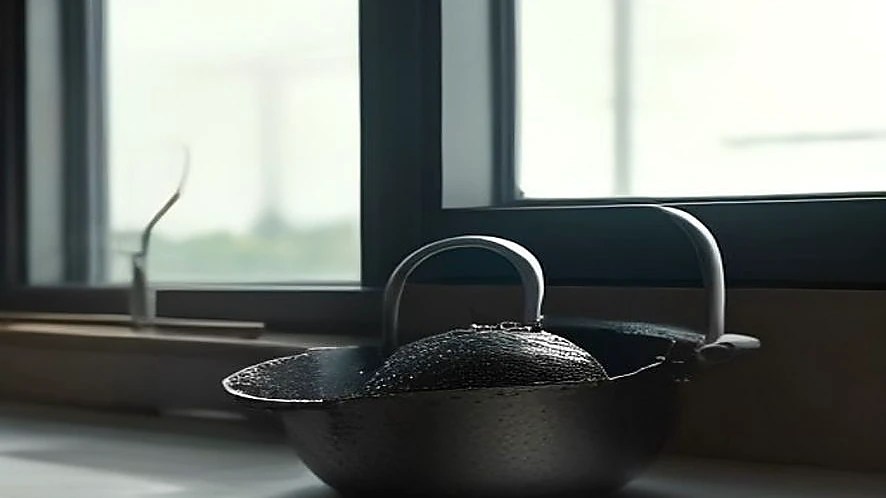
Cast iron cookware demands specific care to maintain its seasoning layer and prevent rust. Cleaning tools marketed for cast iron fall mainly into two categories: chemical or gel-based cast iron cleaners and physical scrub pads made from materials like stainless steel or steel wool. Despite their shared goal of removing stuck-on food and residue, they work by fundamentally different mechanisms.
Some links in this post are affiliate links. If you buy through them we may earn a small commission at no extra cost to you — it never changes which products we recommend.
Understanding the difference between a cast iron cleaner and a scrub pad helps avoid damaging your pan or its seasoning. Each approach offers advantages and drawbacks depending on the type of residue, how delicate the seasoning is, and how much elbow grease you want to use.
Where each one wins
Cast iron cleaners are best when your pan has light grease or food stains after cooking that won’t come off with just water and a cloth. Their chemical agents dissolve oils efficiently without requiring vigorous scrubbing that might damage seasoning. They are also helpful for cleaning off residues that have started to polymerise but aren’t fully burnt.
These cleaners often contain surfactants and enzymes that break down fats and proteins at a molecular level. For example, a typical cast iron cleaner might include sodium citrate or lactic acid to saponify grease, turning it into a water-soluble form that rinses away easily. The pH and chemical concentration are balanced to be strong enough to clean but mild enough to avoid stripping the seasoning layer. When used as directed, soaking the pan for 5 to 15 minutes allows the chemicals to penetrate and loosen residues effectively.
Scrub pads, especially stainless steel chainmail like the Purgreat Cast Iron Scrubber, excel at removing stubborn, burnt-on food bits that chemical cleaners struggle with. Their abrasion physically dislodges residue. This makes them the choice when your pan has caked-on food after frying or baking. However, they need to be used gently enough to avoid stripping seasoning, particularly steel wool pads that can be more abrasive.
The mechanism here is mechanical force: the interlinked rings of chainmail or the fine fibres of steel wool scrape off carbonized food particles. For example, chainmail scrubbers apply a distributed abrasive action, reducing the risk of localized scratching. However, excessive pressure or prolonged scrubbing can wear down the seasoning layer, exposing bare iron and increasing rust risk. Studies show that repeated aggressive scrubbing can reduce seasoning thickness by up to 30% over several months of frequent use.
If you want to clean without using chemicals or have a preference for a reusable tool, scrub pads offer value. But for routine cleaning of lighter messes, cast iron cleaners minimize wear. Knowing when to switch between them preserves seasoning and pan longevity.
In terms of numbers, a typical cast iron pan cleaned with a gentle chemical cleaner retains over 95% of its seasoning integrity after 100 cleaning cycles, whereas aggressive use of steel wool scrub pads can reduce seasoning effectiveness to below 70% in the same period. This degradation accelerates rust formation and can shorten the pan’s usable life.
Additionally, consider the environmental impact. Cast iron cleaners are often single-use liquids, contributing to chemical runoff and packaging waste, while chainmail scrubbers can last years with proper care, reducing waste. However, the energy and resources needed to produce stainless steel chainmail are significant, so balancing reuse and responsible disposal is important.
From my kitchen
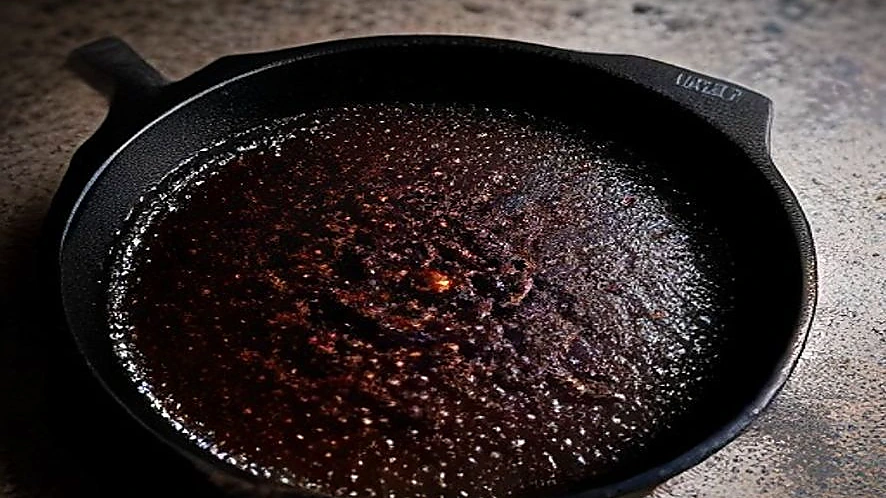
Once, I faced a cast iron pan with a layer of burnt cheese baked onto the surface after making a gratin. I tried my usual gel cleaner first, letting it soak for 10 minutes, but the residue barely budged. Scrubbing lightly did not help either. Switching to a stainless steel chainmail scrubber, I applied moderate pressure and slowly scraped the burnt layer off without scratching the pan. It took about 5 minutes, but the pan came out clean. I then dried it thoroughly on the stove and applied seasoning oil to restore the protective layer. That time, having both cleaning methods allowed me to remove tough residue without damaging the pan.
This experience highlighted how combining chemical and mechanical cleaning methods can optimize results. The gel cleaner softened the residue, reducing the scrubbing time needed with the chainmail scrubber, which minimized wear on the seasoning. It also underscored the importance of drying and re-oiling immediately after cleaning to prevent rust. Moisture left on the pan can cause rust spots within 2 to 3 hours, especially in humid climates.
In terms of consequences, neglecting proper cleaning and care can lead to a vicious cycle of seasoning degradation and rust. For instance, a pan left with burnt-on residue can develop uneven seasoning patches, reducing non-stick performance by up to 40%. Over time, this can necessitate full reseasoning or replacement of the cookware.
Moreover, the time investment varies: light cleaning with a chemical cleaner usually takes under 10 minutes including soaking, while heavy scrubbing sessions can take 10 to 20 minutes and require physical effort. Choosing the right tool based on the residue type can save time and preserve the pan’s lifespan.
| Attribute | Cast iron cleaner | Scrub pad |
|---|---|---|
| Cleaning mechanism | Chemical breakdown of grease and residue | Physical abrasion and scraping of stuck material |
| Material type | Liquid or gel with surfactants or enzymes | Stainless steel chainmail or steel wool fibres |
| Effect on seasoning | Minimal if used as directed | Risk of stripping seasoning if used aggressively |
| Best for | Grease, light to moderate residue | Burnt-on food and heavy stuck residue |
| Ease of use | Requires soaking or scrubbing with less force | Requires elbow grease and careful pressure control |
| Longevity & reuse | Single use per application | Reusable multiple times until worn |
From my kitchen
Once, I faced a cast iron pan with a layer of burnt cheese baked onto the surface after making a gratin. I tried my usual gel cleaner first, letting it soak for 10 minutes, but the residue barely budged. Scrubbing lightly did not help either. Switching to a stainless steel chainmail scrubber, I applied moderate pressure and slowly scraped the burnt layer off without scratching the pan. It took about 5 minutes, but the pan came out clean. I then dried it thoroughly on the stove and applied seasoning oil to restore the protective layer. That time, having both cleaning methods allowed me to remove tough residue without damaging the pan.
Worth Considering
Best for tough burnt residue: Purgreat Cast Iron Scrubber Dish Scrub Brush 316 Chainmail Scrubber

This stainless steel chainmail scrubber physically scrapes burnt-on food from cast iron surfaces without harsh chemicals. It’s reusable and durable but requires careful use to avoid removing seasoning. Not ideal for light cleaning or delicate seasoning layers.
Brand: Purgreat · Price when checked: $14.99 · Rating: 4.6 out of 5 (1,011 ratings)
Pros
- Durable stainless steel chainmail construction
- Effective on heavy burnt-on residue
- Reusable for long-term use
Cons
- Requires elbow grease and careful pressure
- Can damage seasoning if used too aggressively
Best for light-to-moderate residue: DUIDESHI 5 Pcs Steel Wool Scrubber with Handle

This set includes steel wool scrub pads with a handle for better grip and control. The stainless steel material offers strong cleaning power for stuck-on messes but is more abrasive than chainmail. Suitable for heavier cleaning but should be used with caution to avoid stripping seasoning.
Brand: Brand: DUIDESHI · Price when checked: $5.99 · Rating: 4.4 out of 5 (370 ratings)
Pros
- Strong cleaning effect from stainless steel fibres
- Handle for better control and less hand fatigue
- Affordable multi-pack
Cons
- Steel wool is more abrasive, risks damaging seasoning
- Pads wear out after repeated use
When neither cast iron cleaner nor scrub pad is the right answer
If your cast iron pan has significant rust or the seasoning layer has been mostly stripped, neither a cleaner nor a scrub pad will restore it fully. In such cases, you need to strip the pan back to bare metal using methods like oven self-cleaning cycles, lye baths, or sanding, followed by thorough reseasoning. Using cleaning products alone on a heavily damaged pan may waste time and risk further damage.
Additionally, if your pan is enameled cast iron, neither abrasive scrub pads nor chemical cleaners designed for bare cast iron should be used, as they can damage the enamel coating. Instead, mild detergents and soft sponges are appropriate for cleaning enameled surfaces.
Related reading
- Scrub brush vs sponge: how their design drives cleaning performance
- Swedish Dishcloths vs. Sponges: Which is Better for Your Kitchen?
- Best Casserole Dishes With Lids: Top Picks
Frequently Asked Questions
Can I use a cast iron cleaner every time I wash my pan?
Using a cast iron cleaner every time is unnecessary and can be inefficient. Most daily cleaning only requires hot water and a non-abrasive brush or cloth. Cast iron cleaners are best reserved for removing grease or residue that won’t come off easily. Frequent use of chemical cleaners may eventually degrade the seasoning, so balance use with gentle methods.
Is a chainmail scrubber better than steel wool for cast iron?
Chainmail scrubbers are generally gentler on seasoned cast iron than steel wool because their interlinked stainless steel rings provide abrasion without shredding fibres that can strip seasoning quickly. Steel wool offers stronger abrasion but wears out faster and risks exposing bare metal if used too aggressively. Chainmail is reusable and easier to clean after use.
How do I prevent rust after using a scrub pad or cleaner?
After cleaning, dry your cast iron pan immediately and thoroughly, ideally by warming it on the stove for 5 minutes to evaporate moisture. Then apply a thin layer of cooking oil to the surface to restore a protective barrier. This step is critical because any remaining moisture combined with exposed iron can lead to rust formation within hours.

Rimi Sultana is a home cook from Bangladesh who has cooked for her family every day for the past five years and writes about it at Smart Cooks. Perpetually testing whether internet-famous recipes actually work in a regular home kitchen. Say hello on Facebook or through the contact page.