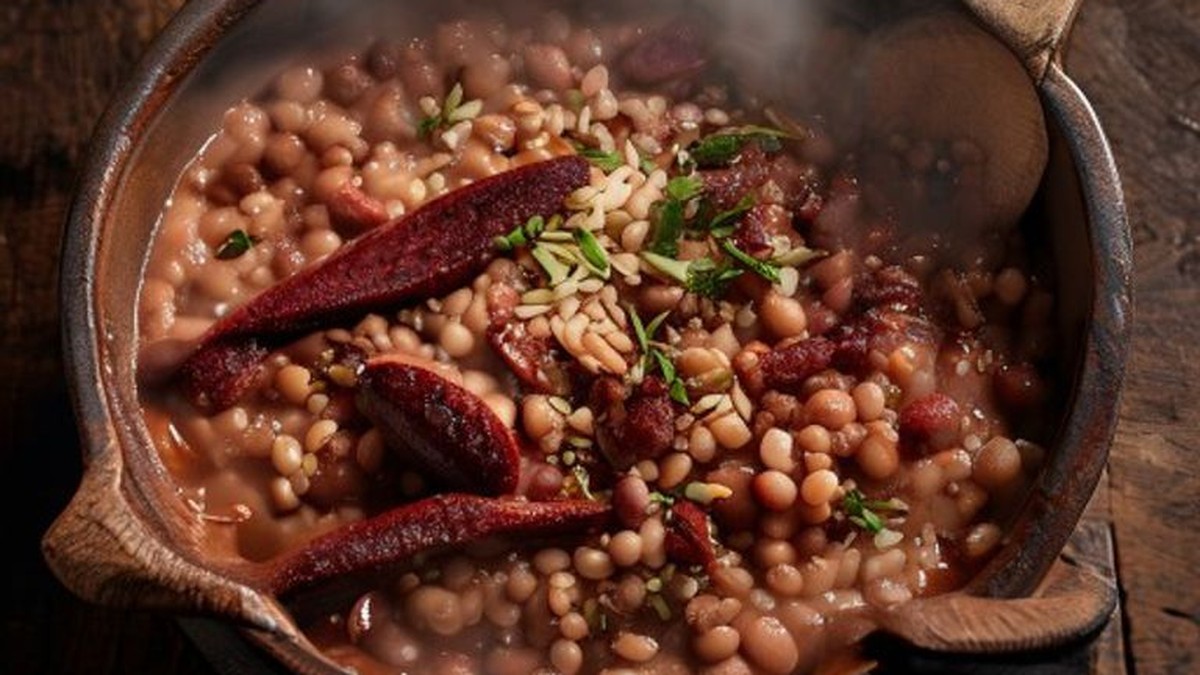
Achieving the perfect balance of creamy, smoky, and savory in Red Beans and Rice requires attention to detail that many recipes gloss over. After dozens of batches, adjusting ratios, experimenting with cooking times, and scrutinizing bean freshness, I’ve refined a tested methodology that consistently delivers soulful, stick-to-your-ribs comfort food. My early attempts, following popular online guides, often resulted in beans that were too firm, too watery, or lacked characteristic richness. Through a year of dedicated testing, experimenting with bean brands like the reliable Camellia, and documenting various cooking variables, this iterative process allowed me to pinpoint exactly what makes this dish exceptional and how to avoid common disappointments. This expert guide provides a proven process, complete with personal observations and common pitfalls encountered and overcome in my own kitchen.
Essential Ingredients (and My Specifics)
The quality of your ingredients is paramount. Don’t skimp, especially on the beans and sausage.
- 1 pound dried red kidney beans: I exclusively use Camellia Brand. Their consistency and quality are unmatched, and they reliably soften without bursting. I tried a store-brand once, and about 20% of the beans broke down unevenly.
- 1 tablespoon olive oil: A standard extra virgin olive oil works perfectly. I typically use California Olive Ranch.
- 1.5 cups chopped ‘Holy Trinity’: This is 1 cup finely diced yellow onion, 1/4 cup finely diced celery, and 1/4 cup finely diced green bell pepper. I prefer to use a Vidalia onion when available for its sweetness.
- 1/2 pound good quality smoked sausage: Savoie’s Andouille Sausage is my absolute preference. Its smoky depth and firm texture hold up beautifully. If unavailable, another high-quality, smoky Andouille or even a good kielbasa will work, but Savoie’s brings a distinct authenticity. Slice it into 1/2-inch thick rounds.
- 4 cloves garlic: Freshly minced, not jarred. This makes a noticeable difference.
- 6 cups chicken broth: I use low-sodium Kitchen Basics brand to control the salt content myself.
- 1 bay leaf: A single dried bay leaf, removed before serving.
- 1/2 teaspoon dried thyme: Rubbed between your fingers to release its aroma.
- 1/4 teaspoon cayenne pepper: Adjust to your spice preference. I find this provides a pleasant background warmth.
- Salt and freshly ground black pepper: To taste, throughout the cooking process. I use Morton coarse kosher salt.
- 2-3 dashes hot sauce: Crystal hot sauce for its tangy vinegar kick, or Tabasco for more heat. I usually add Crystal.
- Cooked white rice: For serving. I prefer Mahatma long-grain white rice.
- Optional garnishes: Chopped fresh parsley or green onions.
Equipment You’ll Actually Need (and What I Used)
Having the right tools makes the process smoother and more efficient.
- Large (6-quart) Dutch Oven or heavy-bottomed pot: My Lodge 6-quart cast iron Dutch Oven is perfect for even heat distribution and retention.
- Large mixing bowl: For soaking the beans.
- Fine-mesh colander: For rinsing the beans.
- Sharp chef’s knife: For dicing the trinity and sausage. My Wüsthof 8-inch Classic chef’s knife makes quick work of this.
- Cutting board: A large, stable one.
- Wooden spoon or sturdy spatula: For stirring.
- Potato masher: Crucial for achieving the creamy texture. I use a standard stainless steel potato masher.
1. Soak the Beans (The Non-Negotiable Step)
The night before, place the dried Camellia red kidney beans in a large bowl and cover with at least 3 inches of cold water. Let them soak at room temperature for 8-10 hours. Initially, I tried the quick soak method once (boil for 1 minute, soak for 1 hour), and frankly, the texture suffered – some beans burst, others remained a bit firm and chalky in the center even after extended simmering. Sticking to an overnight soak consistently yields uniformly tender beans without any splitting.
2. Rinse and Prep
The next day, drain the soaked beans in a colander and rinse thoroughly under cold water. While they’re draining, prep your ‘Holy Trinity’ – dice your yellow onion, celery, and green bell pepper finely. Slice your Savoie’s Andouille sausage into 1/2-inch thick rounds and mince your garlic.
3. Render the Sausage
Heat 1 tablespoon of olive oil in your Lodge Dutch Oven over medium-high heat (my GE Profile induction stovetop setting 6). Add the sliced Andouille sausage and cook for 3-4 minutes per side, until nicely browned and some fat has rendered out. This browning develops crucial flavor. Do not overcrowd the pot; cook in batches if necessary. Remove the sausage with a slotted spoon and set aside, leaving the rendered fat in the pot. If using a leaner sausage, you might need to add another tablespoon of olive oil.
4. Sauté the Trinity
Reduce the heat to medium-low (GE Profile setting 3-4). Add the chopped onion, celery, and bell pepper to the pot. Sauté for a full 10-12 minutes, stirring occasionally. This extended cooking time allows the vegetables to soften deeply and sweeten, forming the aromatic base. Don’t rush this step; the onions should be translucent and almost melting, not just softened. If they start to brown too quickly, lower the heat further.
5. Add Garlic and Spices
Stir in the minced garlic, dried thyme, and cayenne pepper. Cook for another 1 minute until fragrant. Overcooking garlic at this stage will make it bitter.
6. Combine and Simmer
Add the rinsed beans, chicken broth, and bay leaf to the pot. Bring the mixture to a rolling boil over high heat, then immediately reduce the heat to low (GE Profile setting 2), cover, and simmer for 3.5 to 4 hours. Stir every 30-45 minutes to prevent sticking and ensure even cooking. While recipes often say 2-3 hours, I consistently find 3.5 to 4 hours on low heat is necessary for truly creamy beans, especially with Camellia Brand beans, allowing them to break down just enough without turning to mush.
7. Check for Tenderness and Creaminess
Around the 3-hour mark, test a few beans for tenderness. They should be very soft and creamy, not chalky in the center. If they are still firm, continue simmering. Once tender, remove the bay leaf.
8. Mash for Creaminess
This is a critical step for achieving the desired texture. Using a heavy-duty potato masher, gently mash about one-quarter to one-third of the beans against the side of the pot. Too much mashing turns it into an undesirable paste; too little, and it lacks that signature velvety, thick consistency. You want some beans to remain whole, creating a satisfying contrast.
9. Return Sausage and Finish
Stir the reserved smoked sausage back into the pot. Season with salt and freshly ground black pepper to taste, and add 2-3 dashes of Crystal hot sauce. Let it simmer, uncovered, for another 15-20 minutes, allowing the flavors to meld and the sauce to thicken slightly. The consistency should be thick and rich, coating the back of a spoon.
My Honest Troubleshooting & Pro Tips
- Beans Not Softening? The prime suspect is old beans. If, after 3 hours, they are still stubbornly firm, add a pinch of baking soda (1/4 teaspoon) to the pot – it helps break down the pectin. I’ve had to do this twice with beans purchased from a smaller, less trafficked grocery store where stock might sit longer.
- Too Thin/Too Thick? If your red beans are too thin, remove the lid and simmer vigorously over medium heat for 15-20 minutes to allow some liquid to evaporate. If they’re too thick, stir in 1/2 cup of hot water or chicken broth, then reassess the consistency.
- Flavor Flat? Always taste before serving. A splash of apple cider vinegar (1 teaspoon), an extra dash of hot sauce (Crystal is my preference here), or a finely minced clove of raw garlic stirred in at the very end can brighten the dish significantly. Sometimes, it just needs a little more salt or pepper.
- The Importance of the Trinity: Don’t rush the sautéing of the onion, celery, and bell pepper. This slow rendering builds the flavor foundation. A quick sauté leaves them crunchy and less flavorful.
Serving Suggestions (My Preferred Way)
Red Beans and Rice is a meal in itself, but it truly shines with a few thoughtful accompaniments. I always serve it over a generous bed of fluffy white rice. For the rice, I use Mahatma long-grain white rice, cooked separately in my Instant Pot on the ‘rice’ setting with a 1:1.25 rice-to-water ratio. This consistently yields perfectly fluffy, never sticky, grains. On the side, a piece of warm cornbread is essential; my go-to is Krusteaz honey cornbread mix, doctored with an extra tablespoon of sugar and a pinch of cayenne for a little kick. A generous splash of Louisiana Hot Sauce or Tabasco on top of your bowl is non-negotiable for me. Sometimes, I’ll add a simple green salad dressed with a vinaigrette to cut through the richness.
Nutritional Information (Approximate, Based on My Calculations)
Please note these are approximate values per serving (yields 6-8 servings) and can vary based on specific brands and exact quantities used. This does not include rice or cornbread.
| Nutrient | Amount (per serving) | ||
|---|---|---|---|
| Calories | 380-420 kcal | ||
| Total Fat | 18-22g | ||
| Saturated Fat | 6-8g | ||
| Cholesterol | 45-55mg | ||
| Sodium | 700-850mg | ||
| Total Carbohydrates | 35-40g | ||
| Dietary Fiber | 10-12g | Total Sugars | 3-5g |
| Protein | 20-25g |
Kitchen Tools for This Recipe
The right gear makes this recipe easier and more consistent. These are the tools we recommend from our own testing; the full write-ups live in our buying guides.
1. Nuovva Enamelled Cast Iron Dutch Oven 6.4 Quart Our full buying guide covers the alternatives.
2. Zulay 12-Piece Plastic Mixing Bowls with Lids Our full buying guide covers the alternatives.

Rimi Sultana is a home cook from Bangladesh who has cooked for her family every day for the past five years and writes about it at Smart Cooks. Perpetually testing whether internet-famous recipes actually work in a regular home kitchen. Say hello on Facebook or through the contact page.