
Silicone baking mats and parchment paper are often seen as interchangeable liners for baking, but they differ fundamentally in material, durability, and how they interact with heat and food. Understanding these differences matters beyond convenience; it affects the texture of baked goods, cleanup time, and even environmental impact.
Some links in this post are affiliate links. If you buy through them we may earn a small commission at no extra cost to you — it never changes which products we recommend.
Rather than simply listing pros and cons, this comparison looks at the mechanisms behind each product’s performance. You’ll learn why one might be better suited to certain recipes or ovens, and when the other option might actually be more practical.
Where each one wins
Silicone baking mats are best for repetitive tasks like baking dozens of cookies or macarons where consistent release and easy cleanup matter. Their durability makes them a cost-effective choice over months or years.
Parchment paper shines when flexibility is needed—lining irregular pans or wrapping food for steaming, for example. Its higher heat tolerance compared to some silicone mats also makes it safer for broiling or higher-temperature tasks close to 450°F (about 232°C).
For sticky or sugary recipes like caramel or candy where residues can be hard to clean from silicone mats, parchment paper’s disposable nature is a practical advantage.
If you bake occasionally or in small quantities, parchment paper’s convenience and low upfront cost might outweigh the investment in mats.
Digging deeper, silicone mats are made of food-grade silicone bonded to a woven fiberglass mesh, which provides a stable, flexible, and heat-resistant surface. This structure allows heat to distribute evenly, preventing hot spots that might cause uneven baking. The silicone’s non-stick properties come from its smooth surface chemistry, which means less need for added fats or oils, contributing to healthier baking and easier cleanup.
In contrast, parchment paper is cellulose-based paper coated with silicone to create a non-stick surface. While it withstands high temperatures, its paper base can char or brown at extended exposure to heat, especially near the upper limits of its tolerance. This makes it less durable and more disposable, but its thinness allows for quick heat transfer, which can result in crisper crusts or more rapid browning compared to silicone mats.
From an environmental perspective, silicone mats, despite their initial manufacturing footprint, reduce waste by replacing countless sheets of parchment paper over their lifespan. A typical silicone mat can be reused hundreds of times, which translates to significant waste reduction. Parchment paper, being single-use, accumulates in landfill or compost streams, depending on its coating and local waste management practices.
Mechanistically, the insulating effect of the silicone and fiberglass mesh means that baking times might be slightly longer on silicone mats compared to parchment paper or bare trays. This is because the mat buffers direct heat from the metal tray, moderating the baking environment. For delicate items like macarons, this can prevent over-browning, but for quick-bake cookies, it might necessitate a few extra minutes in the oven.
Parchment paper, conversely, being very thin, allows more direct heat conduction, which can accelerate browning and crisping. This makes it advantageous for recipes where a crisp bottom crust is desired, such as cookies or certain pastries.
Cleaning and maintenance also differ significantly. Silicone mats can be wiped clean or placed in a dishwasher, but they require occasional deep cleaning to remove oils or residues that can build up and affect non-stick performance. Parchment paper eliminates cleaning altogether, but at the cost of recurring purchase and waste.
In summary, silicone baking mats excel in repeated use scenarios where durability, consistent non-stick performance, and environmental considerations are prioritized. Parchment paper remains the choice for high-heat tasks, one-off baking, or recipes involving sticky, sugary substances that challenge silicone’s cleaning requirements.
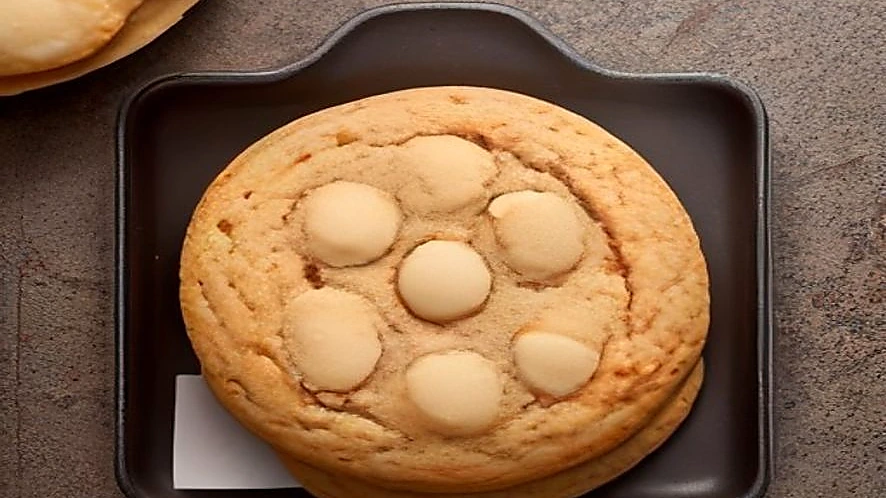
Material and construction: what drives performance
Silicone baking mats are constructed from food-grade silicone bonded to a fiberglass mesh, creating a flexible yet sturdy surface. The fiberglass mesh provides structural integrity, preventing the mat from warping under heat, while the silicone coating offers excellent non-stick properties. This combination allows the mat to withstand temperatures ranging from -40°F to 480°F (-40°C to 249°C), making it suitable for most baking needs except for extreme broiling or grilling.
The heat resistance of silicone mats is due to the inherent properties of silicone polymers, which maintain stability and flexibility over a wide temperature range. This resilience allows mats to be used repeatedly without degradation, provided they are cared for properly—avoiding sharp utensils or abrasive cleaners that could damage the surface.
Parchment paper, on the other hand, is made from cellulose paper treated with a silicone coating to impart non-stick qualities and heat resistance. Its heat tolerance typically maxes out around 450°F (about 232°C). While it is thin and flexible, allowing it to conform to various pan shapes and sizes, it is inherently less durable and intended for single use. The paper base can char or become brittle if exposed to prolonged or excessive heat.
The silicone coating on parchment paper prevents food from sticking and provides a moisture barrier, which is helpful when baking items prone to sticking or when steaming food. However, because parchment is disposable, its environmental impact is higher over time compared to reusable silicone mats.
The physical characteristics of these materials influence baking outcomes. Silicone mats provide a stable, even surface that promotes uniform heat distribution, which is critical for delicate baked goods like macarons or cookies where consistent texture is desired. Parchment paper’s thinness allows for more direct heat transfer, which can enhance browning and crispness but may risk uneven cooking if the pan shape is irregular or if the paper shifts during baking.
Cleaning and maintenance also reflect material differences. Silicone mats require washing to remove oils and residues that can accumulate and reduce non-stick performance. In contrast, parchment paper’s single-use design eliminates cleaning but generates more waste.
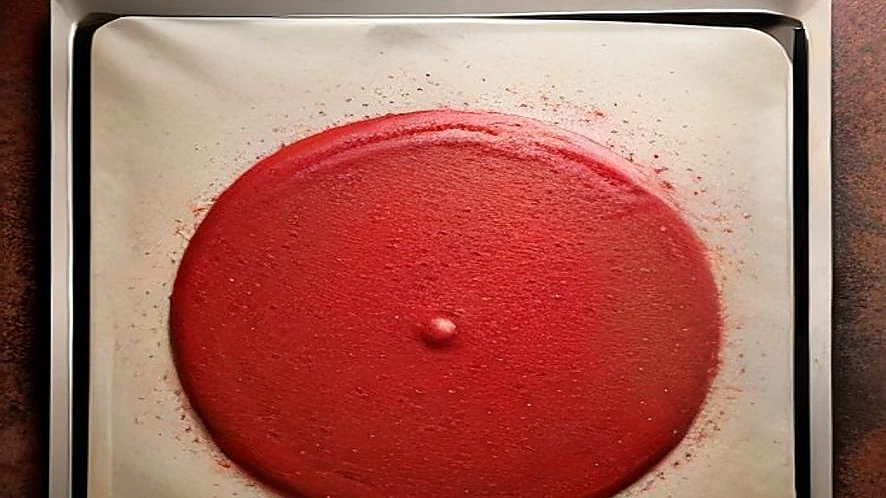
| Attribute | Silicone baking mat | Parchment paper |
|---|---|---|
| Material | Food-grade silicone coated fiberglass mesh | Silicone-coated cellulose paper |
| Heat resistance | -40°F to 480°F (-40°C to 249°C) | Up to 450°F (about 237°C) |
| Reusability | Reusable hundreds of times with proper care | Single use or limited reuse |
| Non-stick performance | Consistent, no added grease needed | Non-stick but may require oil for sticky doughs |
| Cleaning and maintenance | Wipe clean or dishwasher safe | Disposable, no cleaning required |
| Environmental impact | Reusable, reduces waste over time | Single-use, creates more waste |
| Size and fit | Fixed size (e.g., 16.5 x 11.6 inches for half sheet) | Pre-cut sheets available, flexible fit |
From My kitchen
One baking session I remember involved making a large batch of sticky cinnamon rolls. I tried my silicone mat, confident it would release easily. However, the sugary glaze stuck stubbornly to the mat’s surface, requiring soaking and scrubbing afterward. For the next batch, I switched to parchment paper. Despite being single-use, it removed cleanly with the rolls, saving time and frustration. This taught me that while silicone mats excel at most non-stick tasks, they can struggle with very sticky, sugary recipes.
This experience highlights a practical consequence of material differences: silicone mats, while durable and reusable, can absorb sugars and oils over time, leading to sticky residues that are difficult to clean. Parchment paper’s disposability bypasses this issue but at the cost of increased waste and expense.
Quantitatively, a typical silicone mat can last for 300 to 500 baking sessions if cared for properly, translating to savings of hundreds of sheets of parchment paper. However, in recipes with high sugar content or caramel, the mat’s surface may degrade faster due to the sticky residues, necessitating more frequent replacement or thorough cleaning.
In contrast, parchment paper is ideal for candy-making or caramel-based recipes where residues are common and cleaning silicone mats becomes impractical. The single-use nature ensures each batch starts with a fresh, clean surface, preserving the quality of the baked goods and reducing cross-contamination risks.
From a cleanup perspective, silicone mats require washing with warm soapy water or running through a dishwasher, which uses water and energy but reduces waste. Parchment paper eliminates washing but increases solid waste volume. This trade-off is important for environmentally conscious bakers to consider.
Worth Considering
Best for frequent baking and reusable convenience: LYCIAN WAY silicone baking mats set

These mats perform well under repeated use, offering a stable, non-slip surface that fits standard half-sheet trays. Ideal for cookies, bread, and pizza, they reduce waste and cleanup. Not suited for very high-heat broiling or recipes that leave stubborn caramel residues.
Brand: LYCIAN WAY · Price when checked: $11.99 · Rating: 4.7 out of 5 (98594 ratings)
Pros
- Heat resistant from -40°F to 480°F (-40°C to 249°C)
- Reusable and dishwasher safe
- Non-slip surface holds dough in place
Cons
- Requires a baking tray for support, cannot be placed directly on oven racks
- Sticky sugary glazes can be harder to clean off
Best for flexible fit and high-temperature tolerance: WKTML parchment paper sheets

Pre-cut unbleached parchment sheets handle up to 450°F (about 232°C) and conform to various pans. Great for one-off baking, candy making, or lining air fryers where disposability is preferred. Not reusable and generates more waste over time.
Brand: Brand: WKTML · Price when checked: $22.49 · Rating: 4.8 out of 5 (2414 ratings)
Pros
- High temperature resistant up to 450°F (about 232°C)
- Flexible, fits many pan shapes and sizes
- Disposable, no cleanup required
Cons
- Single-use generates waste and recurring cost
- Can tear under heavy, wet doughs or with extended baking times
When neither silicone mats nor parchment paper are the right answer
Certain baking tasks require surfaces beyond what silicone mats or parchment paper provide. For example, baking directly on a pizza stone or cast iron skillet relies on thermal mass and dry heat transfer, producing crisper crusts that liners can inhibit. In these cases, the insulating layer of silicone mats or the moisture retention under parchment may prevent desired browning and texture.
For roasting meats or vegetables where direct contact is needed for caramelisation and browning, a bare metal tray or well-seasoned roasting pan works better. Both silicone mats and parchment paper can trap moisture, leading to steaming rather than roasting.
Finally, for very high-temperature cooking above 480°F (250°C), such as broiling or searing, neither option is safe or effective. Metal surfaces or specialized grill mats designed for extreme heat should be used instead.
Related reading
- Best Roasting Pans: Top Picks & Reviews
- Best Halloween Reusable Cupcake Liners: Spooky & Eco-Friendly Treats
- Best Reusable Silicone Muffin Liners: Non-Stick Review & Top Picks
Frequently Asked Questions
Can I reuse parchment paper like a silicone baking mat?
Parchment paper is generally designed for single use because its thin paper base weakens with moisture and heat exposure. While you might reuse it briefly for dry, low-moisture baking, it tends to tear or lose non-stick properties quickly. Silicone mats, by contrast, are engineered to withstand repeated use and cleaning without degrading.
Does using a silicone baking mat affect baking time or temperature?
Because silicone mats include a fiberglass mesh base, they add a slight insulating barrier between the baking tray and the food. This can reduce direct heat conduction, potentially requiring a few extra minutes for browning or crisping compared to bare trays or parchment paper. Adjustments may be needed if precise timing or texture is critical.
Are silicone baking mats safe at very high oven temperatures?
Most silicone baking mats, including the LYCIAN WAY set, are rated safe up to about 480°F (249°C). Above this temperature, the silicone can degrade or emit off-odours. Parchment paper typically tolerates slightly lower maximum heat (around 450°F or 232°C). For broiling or grilling, neither material is suitable.

Rimi Sultana is a home cook from Bangladesh who has cooked for her family every day for the past five years and writes about it at Smart Cooks. Perpetually testing whether internet-famous recipes actually work in a regular home kitchen. Say hello on Facebook or through the contact page.