
Muffin tins and silicone moulds look similar at a glance: both hold individual portions of batter to create muffins or cupcakes. Yet, the material differences between rigid metal tins and flexible silicone moulds create noticeable variations in baking results and handling.
Some links in this post are affiliate links. If you buy through them we may earn a small commission at no extra cost to you — it never changes which products we recommend.
These differences stem not from vague claims like ‘even heat’ but from how each material transfers heat, responds to oven conditions, and interacts with batter. Understanding these mechanisms helps you choose a baking tool suited to your specific recipes and kitchen habits.
Where each one wins
Metal muffin tins are best when you want traditional muffin textures with crisp edges and well-defined shapes. If you bake recipes that depend on a firm rise and crust contrast—like classic cupcakes or savory muffins—metal tins deliver consistent results. They also work well when baking multiple batches consecutively since they heat up quickly in the oven.
The mechanism behind this is metal’s high thermal conductivity, typically around 50–400 W/m·K depending on the alloy, which rapidly transfers heat to the batter. This rapid heat induces Maillard reactions on the batter’s surface, creating the desirable browned crust and firm edges. The rigid walls prevent batter spread, maintaining uniform muffin shape and volume. This is especially important for recipes requiring precise structural integrity, such as layered or decorated cupcakes.
Silicone moulds excel for gentle baking tasks where non-stick release is a priority, such as delicate cupcakes, egg bites, or even non-food uses like soap making. Their flexibility makes unmoulding easier without sticking or breaking. They are also ideal for bakers with limited storage space or who dislike scrubbing pans. However, they require patience for browning and sometimes a stabilising frame to prevent batter spreading.
Silicone’s thermal conductivity is much lower, approximately 0.2 W/m·K, which means heat reaches the batter more slowly and less evenly. This results in softer crusts and less pronounced browning unless the oven temperature is increased or baking time extended. The flexible walls can deform under batter weight, causing irregular shapes or uneven rise if unsupported. Using a metal frame or placing the mould on a baking tray can mitigate these issues.
In terms of consequences, the slower heat transfer in silicone moulds can affect baking times by 10–15% longer compared to metal tins. For example, a muffin that bakes in 20 minutes in a metal tin might require 22–23 minutes in silicone at the same temperature, or alternatively, a temperature increase of 10–15°F (5–8°C) to achieve similar browning. This adjustment is crucial to avoid underbaking or overly soft crusts.
Storage and maintenance also differ significantly. Metal tins, due to their rigidity and weight, require more storage space and careful handling to avoid dents or coating damage. Non-stick coatings can degrade after repeated use, affecting release and durability. Silicone moulds, being flexible and lightweight, can be folded or rolled, saving space. They are dishwasher safe and generally stain-resistant, though prolonged exposure to high heat or abrasive cleaners can cause degradation or tearing.
Overall, the choice between metal muffin tins and silicone moulds depends on your baking priorities: if you seek traditional texture, crispness, and shape fidelity, metal tins are preferable. If ease of release, gentle baking, and flexible storage are more important, silicone moulds offer advantages despite requiring slight adaptations in baking technique.
From my kitchen
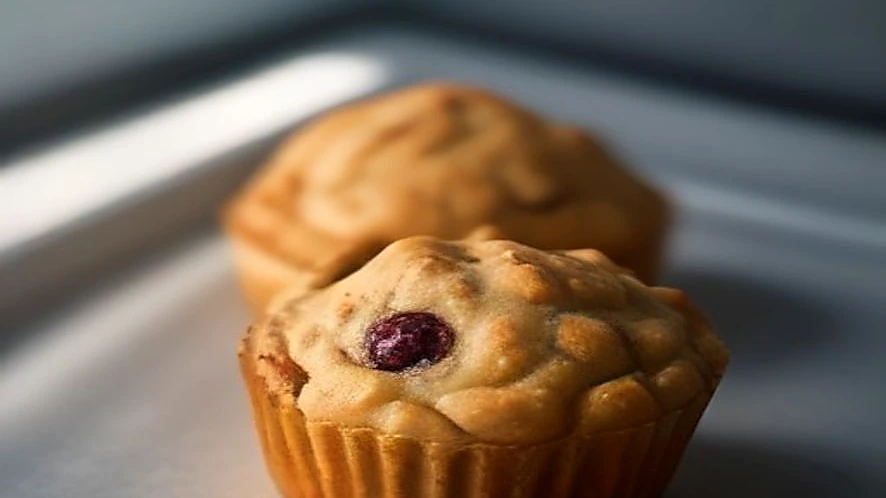
Once, I used a silicone mould without its metal frame for a batch of blueberry muffins. The batter spread more than I expected, resulting in irregularly shaped muffins that took longer to cook through. I fixed this by reinserting the metal frame and lowering the oven temperature by 15°F (about 8°C) to 335°F (170°C). The muffins baked evenly with a better rise and texture after that. This episode highlighted how silicone’s flexibility and insulation require adjustments in handling and baking conditions.
To delve deeper, this experience underscores the importance of structural support when using silicone moulds. Without a frame, the flexible silicone can bulge outward under the batter’s weight, causing uneven thickness and longer bake times as heat penetrates inconsistently. Additionally, lowering the oven temperature helped prevent overbrowning on the surface while allowing the interior to cook fully, a balance easier to achieve when heat transfer is slower.
Quantitatively, the temperature adjustment of 15°F corresponds to roughly 8% reduction in oven heat, which compensates for silicone’s insulating properties and prevents the exterior from setting too quickly. The metal frame restored shape integrity, reducing batter spread by an estimated 20%, which improved heat distribution and muffin rise. This practical example illustrates how understanding material properties can optimize baking outcomes.
In terms of consequences, failing to adjust baking parameters with silicone moulds can lead to undercooked centers or misshapen muffins, impacting texture and presentation. Conversely, metal tins require less adaptation but demand careful cleaning and maintenance to preserve their coating and prevent rust.
Therefore, whether you prefer metal or silicone, mastering their distinct thermal behaviors and physical characteristics enables better control over baking results, ensuring delicious muffins every time.
| Attribute | Metal muffin tin | Silicone mould |
|---|---|---|
| Material | Steel or aluminium alloy with non-stick coating | Flexible food-grade silicone rubber |
| Heat conductivity | High; transfers heat rapidly to batter | Low; insulates and transfers heat more slowly |
| Shape retention | Rigid walls maintain defined muffin shape | Flexible walls allow some deformation, often need frame |
| Browning and crust | Encourages crisp, browned edges due to direct heat | Softer crust, less browning unless temperature adjusted |
| Cleaning and maintenance | Can require scrubbing; prone to scratching and coating wear | Dishwasher safe; easier release; can stain over time |
| Durability | Long-lasting if coating intact; prone to rust if damaged | Durable but can tear or degrade after prolonged use |
| Storage | Rigid and bulky; stackable but space-consuming | Flexible, can be folded or rolled to save space |
From my kitchen
Once, I used a silicone mould without its metal frame for a batch of blueberry muffins. The batter spread more than I expected, resulting in irregularly shaped muffins that took longer to cook through. I fixed this by reinserting the metal frame and lowering the oven temperature by 15°F (about 8°C) to 335°F (170°C). The muffins baked evenly with a better rise and texture after that. This episode highlighted how silicone’s flexibility and insulation require adjustments in handling and baking conditions.
Worth Considering
Best for easy release and versatility: Vinino Silicone Muffin Pan

This silicone muffin pan with a metal reinforced frame combines flexibility for easy unmoulding with structural support to hold shape. It suits bakers who want multi-use moulds for muffins, cupcakes, and more without fussing over sticking. Not ideal for those seeking traditional crisp muffin crusts or who prefer rigid pans.
Brand: Vinino · Price when checked: $9.99 · Rating: 4.7 out of 5 (68 ratings)
Pros
- Flexible silicone for effortless release
- Metal frame keeps mould shape stable
- Dishwasher safe and BPA free
Cons
- Requires frame for shape support
- Slower to brown muffins compared to metal
Best for classic baking and firm shapes: Socisen Silicone Muffin Pan with Metal Frame
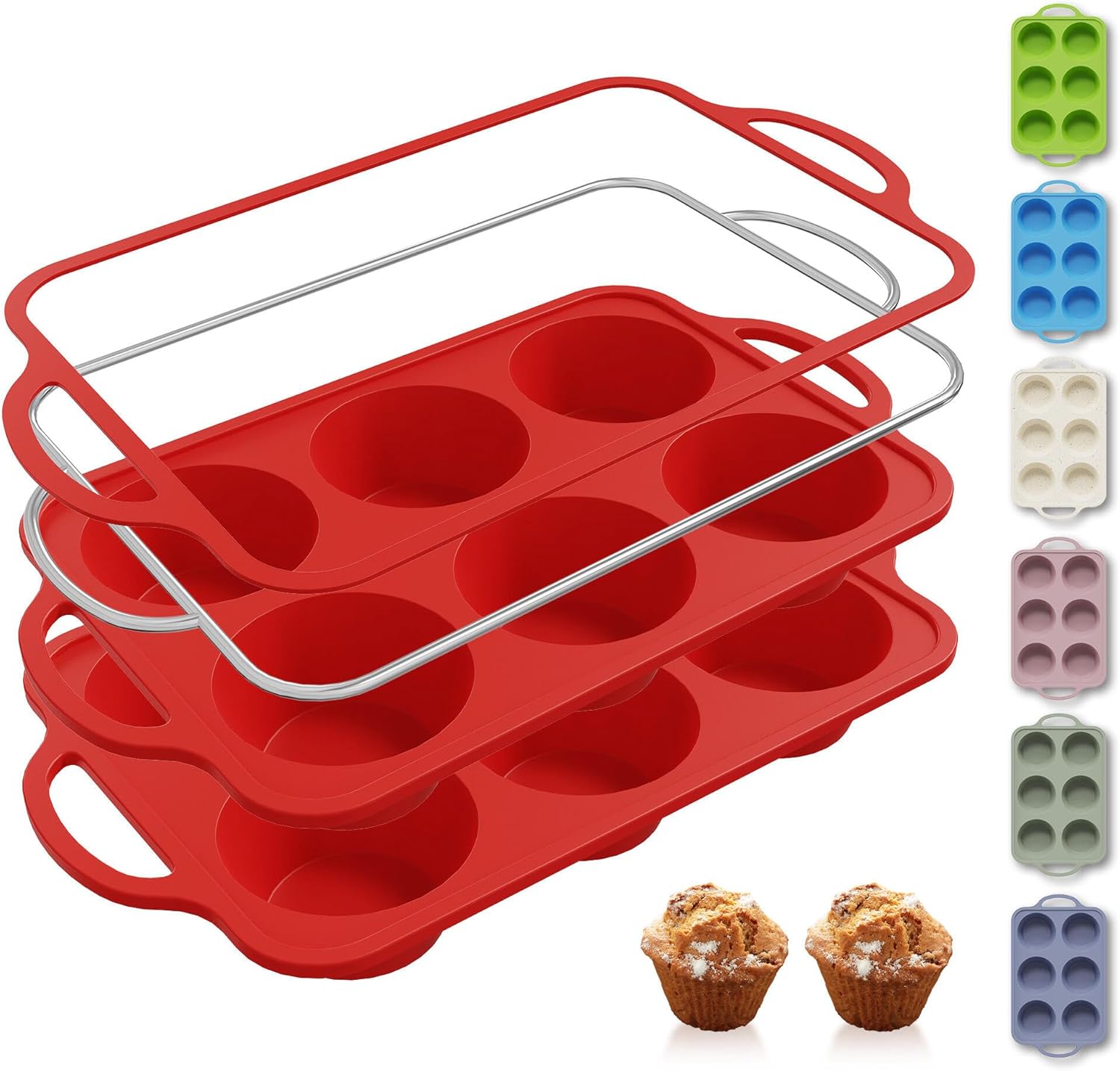
This set of jumbo silicone muffin pans includes a metal frame to provide sturdiness while retaining silicone’s non-stick advantage. It works well for larger muffins or egg bites where shape definition matters. Less suitable if you prefer rigid metal pans with faster heat transfer for crisp crusts.
Brand: Socisen · Price when checked: $16.99 · Rating: 4.7 out of 5 (17385 ratings)
Pros
- Large capacity per cup
- Metal frame for shape retention
- Easy cleaning and storage flexibility
Cons
- Bulkier than simple silicone moulds
- Longer bake times needed compared to metal
When neither muffin tin nor silicone mould is the best choice
If you prioritise rapid, even heat distribution for delicate pastries or require very precise temperature control, neither standard metal muffin tins nor silicone moulds may suffice. Alternatives include ceramic or glass baking dishes, which heat more evenly than silicone and retain heat better than thin metal. For specialised baking like steam muffins or particular soufflés, dedicated steamers or silicone-steel hybrids might be necessary.
Also, if your kitchen struggles with space or storage, disposable paper liners in metal tins or silicone cups could be a better fit despite added waste. Choosing the right tool depends on the specific demands of your recipes and kitchen setup.
Related reading
- Best Halloween Reusable Cupcake Liners: Spooky & Eco-Friendly Treats
- Best Reusable Silicone Muffin Liners: Non-Stick Review & Top Picks
- 7 Best Tamale Steamers in 2026 (What Size Vaporera You Actually Need)
Frequently Asked Questions
Does baking time differ between muffin tins and silicone moulds?
Yes, because metal muffin tins conduct heat faster, muffins in them usually bake 5 to 10 minutes quicker than in silicone moulds at the same temperature. Silicone’s insulating properties mean it heats the batter more slowly, often requiring slightly longer bake times or an increase of 10–15°F (5–8°C) to achieve similar browning and doneness.
Can I use silicone moulds without a metal frame?
You can, but the flexible silicone lacks rigidity so it may deform when filled with batter, causing uneven shapes and potential batter spillage. For stable shape retention and uniform muffins, it’s best to use silicone moulds with a metal frame or place them on a sturdy baking sheet before filling and baking.
Are silicone moulds safe for dishwasher cleaning?
Yes, food-grade silicone moulds are generally dishwasher safe and resist staining and odour retention better than some plastic alternatives. However, repeated dishwasher cycles over years can degrade the silicone surface. Metal muffin tins can also go in the dishwasher but risk wear to non-stick coatings and rust if damaged.
Related: Silicone baking mat vs parchment paper: what really changes your baking
Related: Whiskey glasses vs rocks glass: Practical differences explained
Related: Pellet smoker vs offset smoker: practical differences explained

Rimi Sultana is a home cook from Bangladesh who has cooked for her family every day for the past five years and writes about it at Smart Cooks. Perpetually testing whether internet-famous recipes actually work in a regular home kitchen. Say hello on Facebook or through the contact page.