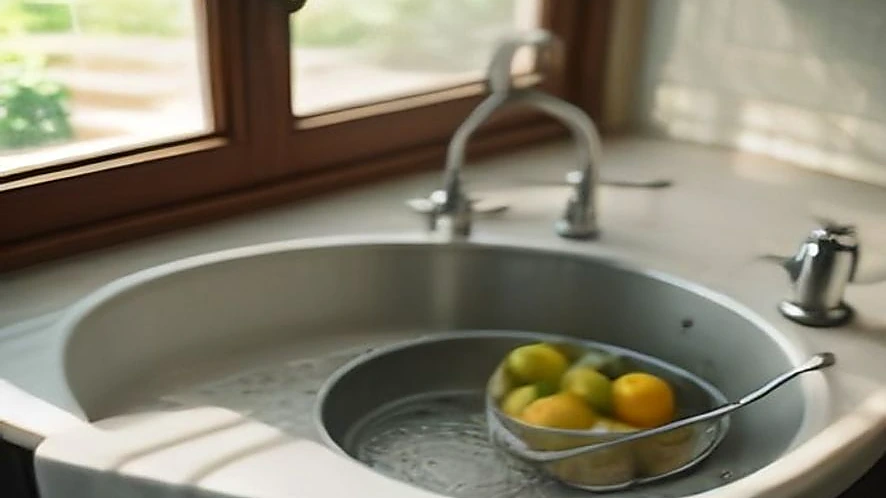
Colanders and strainers often get lumped together as kitchen tools for draining and rinsing, but their designs reflect distinct purposes. The difference lies primarily in the size and arrangement of their holes or mesh, which dictates what foods they can handle and how efficiently they drain liquids.
Some links in this post are affiliate links. If you buy through them we may earn a small commission at no extra cost to you — it never changes which products we recommend.
Understanding these differences helps avoid common frustrations like losing grains through too-large holes or slow drainage with too-fine mesh. This article breaks down how each tool functions mechanically, compares their attributes, and highlights which is best for specific kitchen tasks.
Where each tool excels
Colanders excel when you need to rinse or drain large quantities of chunky foods quickly. Their large holes allow water to escape rapidly without clogging, making them ideal for pasta, potatoes, salad greens, and whole fruits. Their rigid structure also means you can press down on contents without collapsing the tool.
Strainers are suited to tasks that require separating liquids from small solids or fine particles. For example, removing seeds from fresh juice, sifting flour or powdered sugar, or rinsing quinoa and rice without losing any grains. They also work well for draining small batches or delicate foods that might slip through larger holes.
Choosing the right tool avoids common kitchen frustrations: using a colander for rice means losing grains down the drain, while using a fine mesh strainer for pasta can slow your workflow unnecessarily.
The mechanism behind their efficiency lies in the size and distribution of their perforations. Colanders typically feature holes ranging from 2 to 6 millimeters in diameter, which facilitates rapid water flow but allows smaller particles to pass through. In contrast, strainers use fine mesh with openings as small as 0.3 millimeters, effectively trapping fine solids but impeding water flow due to surface tension and mesh density.
Quantitatively, a standard colander with 4 to 6 quarts capacity can drain several pounds of pasta or vegetables in under a minute, thanks to the large holes and gravity-assisted drainage. Meanwhile, a fine mesh strainer, often smaller in capacity (1 to 3 quarts), requires more time to drain similar quantities because water must pass through a denser mesh, sometimes necessitating manual shaking or tapping to expedite the process.
The consequences of using the wrong tool can impact both kitchen efficiency and food quality. For example, rinsing rice in a colander with large holes results in significant grain loss, wasting food and increasing cleanup. Conversely, straining pasta in a fine mesh strainer prolongs draining time, potentially causing the pasta to overcook or cool prematurely, which affects texture and flavor. Understanding these nuances ensures optimal results and reduces frustration during meal preparation.
How design and construction determine draining efficiency
The design elements of colanders and strainers directly influence their performance in the kitchen. Colanders are often made from plastic, stainless steel, or silicone, featuring a bowl shape with evenly spaced large holes. This design promotes rapid drainage and durability, with some models including raised bases or feet to keep food elevated above drained water, preventing reabsorption and sogginess.
Strainers, on the other hand, usually consist of a fine stainless steel mesh stretched over a metal frame, often with handles for precise control. The mesh density varies depending on intended use, with finer meshes suitable for filtering seeds or pulp, and slightly coarser meshes for rinsing small grains. The frame must be sturdy enough to resist deformation, as mesh damage can compromise filtering effectiveness.
Drainage speed is a critical factor influenced by both hole size and material. Large holes in colanders allow water to flow freely, with minimal surface tension effects, enabling fast liquid release. Fine mesh strainers slow drainage due to smaller openings and increased surface tension, which holds back water droplets until they accumulate enough weight to pass through. This physical principle explains why strainers often require manual agitation to speed up draining.
Durability considerations also affect tool selection. Plastic colanders are lightweight and resistant to rust but may stain or warp with prolonged heat exposure. Stainless steel colanders and strainers offer greater longevity and resistance to deformation but can dent or develop mesh tears if mishandled. Proper care, including gentle cleaning and avoiding abrasive materials, extends the lifespan of these tools.
Capacity differences reflect typical usage scenarios. Colanders accommodate larger volumes, making them suitable for bulk food preparation, while strainers are optimized for precision tasks requiring smaller quantities. For example, a 5-quart colander can handle draining a full pot of spaghetti, whereas a 2-quart fine mesh strainer is ideal for washing half a cup of quinoa.
In summary, the interplay of design, material, and size governs the practical efficiency of colanders and strainers. Selecting the appropriate tool based on these factors enhances workflow, preserves ingredient integrity, and minimizes waste in everyday cooking.
| Attribute | Colander | Strainer |
|---|---|---|
| Hole or mesh size | Large holes, typically 2-6 mm diameter | Fine mesh, ranging from 0.3 to 1 mm openings |
| Material | Plastic, stainless steel, silicone | Usually stainless steel mesh with metal frame |
| Typical capacity | 3 to 6 quarts (2.8 to 5.7 litres) | Varied, often smaller, around 1 to 3 quarts (1 to 2.8 litres) |
| Primary use | Draining pasta, vegetables, rinsing large produce | Filtering seeds, pulp, small grains, tasks requiring fine separation |
| Drainage speed | Fast drainage thanks to large holes | Slower due to fine mesh and surface tension effects |
| Durability | Rigid frame resists deformation, plastic may stain or warp | Mesh can dent or tear, metal frames usually sturdy |
From My Kitchen
Once I tried rinsing a cup of quinoa in a colander with large holes. Despite using the colander’s raised base over the sink to avoid water pooling, I lost at least a quarter of the grains slipping through. Switching to a fine mesh strainer solved this, but then I noticed the drainage was much slower and I had to shake the strainer gently to speed up water removal. It taught me that the two tools are not interchangeable and that knowing their limits saves time and waste.
In practical terms, this experience highlights how the physical properties of each tool affect kitchen efficiency. The colander’s large holes, while excellent for rapid drainage, are unsuitable for retaining tiny grains, leading to food loss and potential clogging of the sink drain. Conversely, the fine mesh strainer retains all grains but requires more attention to draining technique, such as gentle shaking or tapping, to prevent water from lingering and slowing down meal prep.
Understanding these trade-offs allows cooks to plan their workflow better. For instance, using a colander for initial rinsing of large vegetables followed by a strainer for delicate grains can optimize both speed and thoroughness. Moreover, recognizing when to switch tools based on the food type avoids frustration and waste.
Worth Considering
Best for adjustable over-sink draining: Blue Ginkgo Over Sink Colander

This extendable plastic colander fits sinks from 14 to 19 inches wide, ideal for draining and rinsing common produce and pasta over the sink without taking up counter space. Its large holes ensure quick drainage, but it is not suitable for small grains like rice.
Brand: BLUE GINKGO · Price when checked: $18.99 · Rating: 4.6 out of 5 (522 ratings)
Pros
- Expandable size fits most sinks
- Raised base keeps food above standing water
- Dishwasher safe BPA-free plastic resists rust
Cons
- Not suitable for small grains or fine straining
- Plastic can stain and warp over time under heat
Best for heavy-duty fine straining: Tiawudi 6-Quart Stainless Steel Fine Mesh Strainer

This large stainless steel fine mesh strainer handles heavier batches with a durable 40% thicker frame. It excels at rinsing small foods and filtering fine particles but drains more slowly and requires careful cleaning to avoid mesh damage.
Brand: Brand: Tiawudi · Price when checked: $18.49 · Rating: 4.6 out of 5 (1,003 ratings)
Pros
- Heavy-duty 18/8 stainless steel construction
- Fine mesh filters small particles effectively
- Expandable rubber grip handles improve control
Cons
- Slower drainage due to fine mesh
- Mesh can clog or dent if handled roughly
When neither colander nor strainer is ideal
For some kitchen tasks, neither a colander nor a strainer is the best choice. For example, if you need to separate very fine powders or liquids from solids, a sieve or chinois with ultra-fine mesh is more appropriate. Similarly, if you must drain liquids from very sticky or oily foods, the surface tension and clogging issues with mesh strainers can make disposable paper filters or specialised funnels better options.
Also, when handling extremely small particles like flour or cornstarch, flour sifters or dedicated mesh sifters provide a more controlled and efficient solution than general kitchen strainers.
Related reading
- French Press vs Pour-Over: Which Coffee Method Should You Buy Into?
- Garlic Press vs Mincing by Hand: Does It Matter for Sauces?
- Garlic press vs garlic rocker: how their mechanics affect your cooking
Frequently Asked Questions
Can I use a colander to rinse rice or quinoa?
Using a colander with large holes to rinse small grains like rice or quinoa is not effective because many grains will slip through the holes. A fine mesh strainer is better suited for this task, as its small mesh size retains grains while allowing water to pass. This prevents waste and ensures thorough rinsing.
Why does a fine mesh strainer drain more slowly than a colander?
Fine mesh strainers have much smaller openings than colanders, which restricts the flow of water. Surface tension in the mesh and the reduced size of each hole cause liquids to drain more slowly. This slower drainage is the trade-off for being able to filter out smaller particles like seeds or pulp.
Are plastic colanders as durable as metal ones?
Plastic colanders are generally lighter and resist rust, but they can stain, warp, or crack over time, especially when exposed to high heat or heavy loads. Metal colanders, especially stainless steel, tend to be more durable and maintain their shape, but they can rust if not properly cared for and are heavier to handle.
Related: Oven mitt vs pot holder: understanding the key differences in kitchen heat protection
Related: Wine glasses vs tumblers: understanding practical and sensory differences

Rimi Sultana is a home cook from Bangladesh who has cooked for her family every day for the past five years and writes about it at Smart Cooks. Perpetually testing whether internet-famous recipes actually work in a regular home kitchen. Say hello on Facebook or through the contact page.