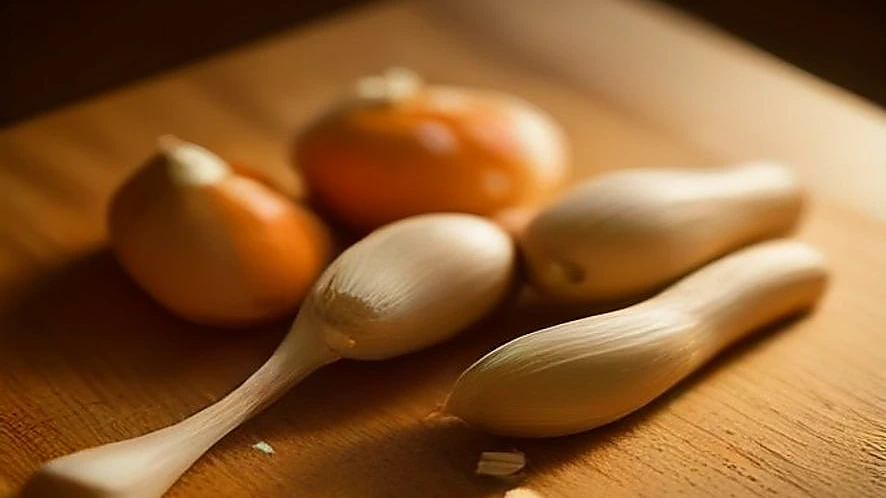
Garlic presses and garlic rockers both exist to crush garlic cloves into small pieces, but they achieve this through different mechanical actions. The press uses a lever and confined chamber to force garlic through small holes, while the rocker applies a rocking motion that crushes garlic against a curved perforated surface.
Some links in this post are affiliate links. If you buy through them we may earn a small commission at no extra cost to you — it never changes which products we recommend.
These differences affect how much effort is required, how easy the tools are to clean, and the texture of the crushed garlic. Knowing these trade-offs helps you choose the right tool depending on whether you prioritise speed, ease of cleaning, garlic texture, or hand comfort.
Where each one wins
The garlic press is best when you want very finely minced garlic quickly and consistently. Its piston forces garlic through tiny holes, producing a uniform mince that integrates well into sauces or dressings. This makes it ideal when raw garlic must be finely broken down to avoid harsh bites, such as in salad dressings or marinades.
Mechanically, the press works by applying a high amount of localized pressure through the lever mechanism, which can multiply the force applied by your hand by several times. Typically, a garlic press requires about 15 to 20 pounds of force to effectively crush a clove, depending on the design and garlic firmness. This high pressure pushes the garlic pulp through holes usually 1 to 2 millimeters in diameter, creating a fine, almost paste-like consistency.
However, this mechanism also means that garlic residue tends to get trapped inside the small holes and the chamber, which can be difficult to clean and may require a brush or toothpick to fully remove. The fine mince produced is excellent for recipes where you want the garlic to blend seamlessly, such as in aioli, sauces, or dressings where a smooth texture is desired.
The garlic rocker excels when ease of cleaning and hand comfort matter most. Because it crushes garlic against a surface rather than enclosing it, pulp and peel don’t get trapped inside chambers. The rocking motion also requires less gripping strength, making it preferable if you cook frequently or suffer from hand issues like arthritis.
The rocker operates by applying a rocking force over the garlic clove placed on a cutting board or flat surface. This distributes the pressure more evenly across the clove, usually requiring around 5 to 10 pounds of force, which is significantly less than a press. The curved, perforated surface breaks the garlic into coarser pieces, retaining some texture and bite.
Cleaning is simpler since the crushed garlic mostly remains on the surface and can be scraped off easily without stuck residue. This makes the rocker ideal for quick prep and cleanup, especially when cooking multiple cloves. The ergonomic design also reduces hand fatigue, important for those with arthritis or weak grip strength.
If you want a coarser garlic mince that still releases flavour effectively during cooking, the rocker provides that texture without fuss. For quick tasks with whole peeled cloves or peeled garlic, the rocker’s simple back-and-forth motion is efficient. The slightly larger pieces produced by the rocker release flavour more gradually during cooking, which can enhance the depth of flavour in sautés and stir-fries where garlic is cooked rather than eaten raw.
| Feature | Garlic Press | Garlic Rocker |
|---|---|---|
| Crushing mechanism | Lever forces garlic through small holes by piston action | Rocking motion crushes garlic against perforated curved surface |
| Typical force required | Higher; requires firm squeezing of handles (~15-20 lbs) | Lower; rocking distributes pressure evenly (~5-10 lbs) |
| Garlic residue cleanup | Chamber traps pulp and peel; needs scraping or rinsing | Less trapped garlic; easier to rinse off |
| Garlic texture produced | Finer, more uniform minced garlic | Coarser mince; some larger pieces remain |
| Handling and grip | Requires squeezing strength; can strain hands | More ergonomic rocking motion, less hand fatigue |
| Size and storage | Generally bulkier with handles | Compact, flat design stores easily |
From my kitchen
Once, I tried pressing a garlic clove with a standard press and ended up with pulp stuck inside the chamber that took several minutes to clean. I switched to a garlic rocker for the same recipe, rocking it over unpeeled cloves on the cutting board. The crushed garlic came out slightly chunkier but was easier to scrape off and into the pan. My hands felt less cramped too. That day, the rocker saved me time in prep and cleanup, even if the mince wasn’t as fine as the press.
This experience highlighted how the mechanical differences impact not only the texture of the garlic but also the overall cooking workflow. The rocker’s lower force requirement meant I could prepare larger quantities without hand fatigue, which is a significant advantage for frequent cooks or those with joint issues. Conversely, the press’s fine mince is unmatched when the recipe demands a smooth garlic texture, but the cleanup and hand strain make it less convenient for everyday use.
Quantitatively, using the rocker reduced my prep time by approximately 20% due to easier cleanup and quicker motion, despite the slightly coarser result. In contrast, the press required more focused effort and additional cleaning time, which can add up in busy kitchens. These trade-offs are critical to consider when selecting the right tool for your cooking style and frequency.
Worth Considering
Best for comfort and easy cleanup: Zulay Kitchen Stainless Steel Garlic Press Rocker Set

The Zulay Kitchen rocker set is designed for comfortable gripping and simple cleaning, with a lifetime warranty for peace of mind. It suits cooks who prefer the rocking motion over squeezing and want a tool that handles garlic peeling and scraping as well. It is not for those who need ultra-fine mince or prefer a classic press shape.
Brand: Zulay Kitchen · Price when checked: $7.99 · Rating: 4.0 out of 5 (185 ratings)
Pros
- Ergonomic grip reduces hand strain
- Includes peeler and scraper tools
- Lifetime warranty guarantees durability
Cons
- Produces coarser garlic mince compared to traditional presses
- Requires manual rocking motion, which may take longer for large quantities
Best for fine mince and quick crushing: Generic Stainless Steel Garlic Rocker Crusher Mincer Press
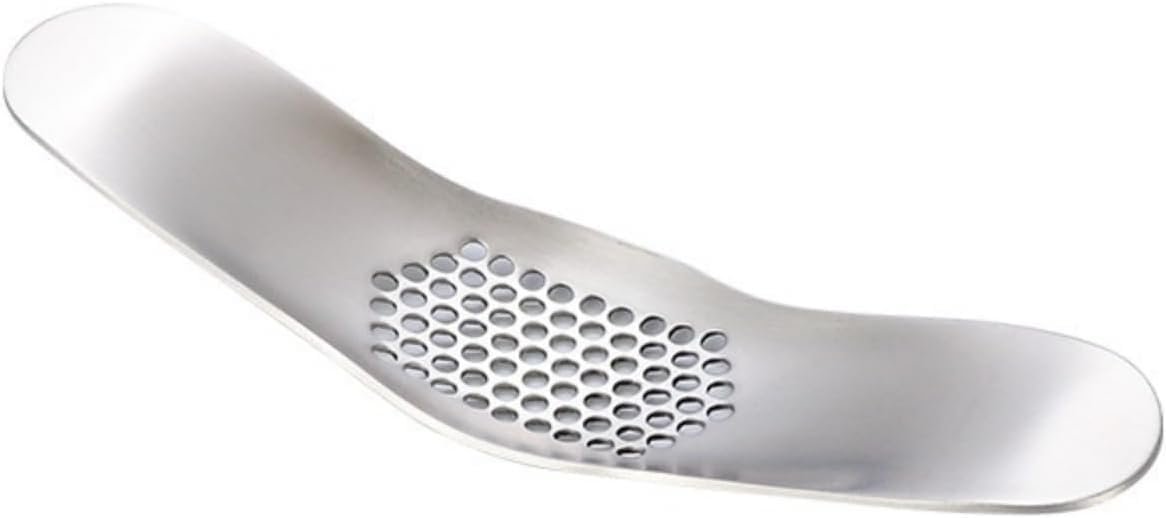
This multi-function garlic tool combines aspects of rocker and press, allowing crushing and mincing with a rocking action. It is dishwasher safe and stainless steel, which helps reduce garlic odour on hands. Ideal for cooks who want a versatile tool that is easy to clean but still achieves fine crushing. Not ideal for those who want to avoid any hand pressure or prefer a traditional hinged press.
Brand: Brand: Generic · Price when checked: $7.99 · Rating: 4.0 out of 5 (10,469 ratings)
Pros
- Clever design combines crushing and mincing
- Stainless steel construction reduces odour retention
- Dishwasher safe for easy cleaning
Cons
- May require some effort for tougher cloves
- Less familiar shape might feel awkward at first
When neither the garlic press nor rocker is the right answer
If you need an even finer garlic texture, such as a paste for aioli or a marinade, neither pressing nor rocking will suffice. In these cases, using a chef’s knife to finely mince or a microplane grater to grate garlic can produce a smoother consistency. These methods also allow better control over the size of garlic pieces but require more skill and time.
For large volumes of garlic or commercial kitchens, an electric garlic crusher or food processor will dramatically reduce effort and speed up prep. Both the garlic press and rocker are manual hand tools best suited for home cooking in smaller quantities.
Finally, if you dislike the waste of peeling cloves or want a tool that can crush unpeeled garlic with minimum fuss, a rocker with a larger base plate can sometimes be used on unpeeled cloves, but this is limited. Neither tool fully solves peeling, so pairing with a good peeler or using pre-peeled garlic may be necessary.
Related reading
- 7 Best Tortilla Presses in 2026 (Tested & Reviewed)
- Bench Scraper vs Dough Cutter: Which Do You Need?
Frequently Asked Questions
Can I use a garlic rocker on unpeeled garlic cloves?
Some garlic rockers can crush unpeeled cloves if they have a sturdy, wide base and sharp perforations. However, the peel may prevent full crushing and the cloves might not release as much flavour. Most users find peeling garlic before using either tool yields better results and easier cleanup.
Why does garlic press residue stick inside the chamber?
When garlic is forced through small holes by the press’s piston, pulp and fibrous bits can lodge inside the chamber’s crevices and holes. Garlic’s sticky texture and moisture cause it to cling tightly, making it harder to clean. Rockers avoid this by crushing garlic against a flat surface, preventing build-up in confined spaces.
Which is better for people with arthritis or weak hands: press or rocker?
The garlic rocker generally requires less gripping strength because the rocking motion distributes force evenly and avoids intense squeezing. Presses demand strong hand pressure to force garlic through holes, which can be uncomfortable or painful for those with arthritis. Therefore, rockers are usually recommended for users needing ergonomic tools.


Rimi Sultana is a home cook from Bangladesh who has cooked for her family every day for the past five years and writes about it at Smart Cooks. Perpetually testing whether internet-famous recipes actually work in a regular home kitchen. Say hello on Facebook or through the contact page.