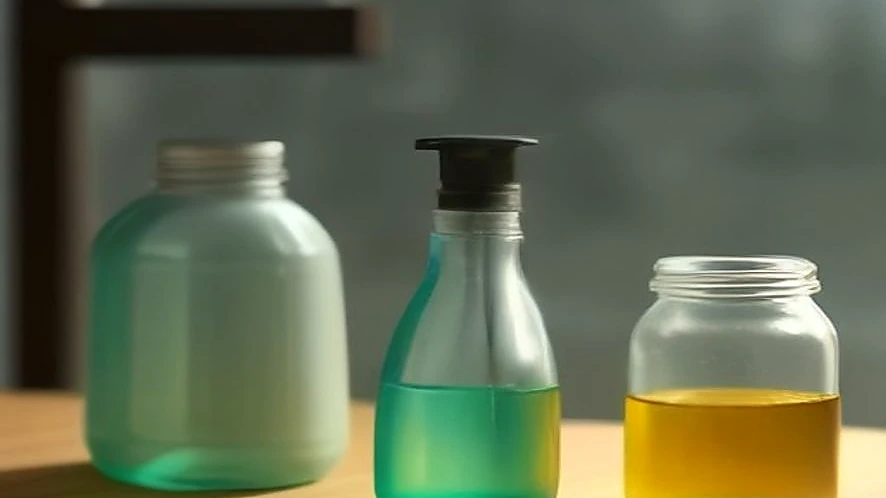
Oil sprayers and oil dispensers both serve to apply cooking oils, but their mechanisms and resulting uses differ significantly. A sprayer atomises the oil into fine droplets, while a dispenser pours or drizzles oil in a more direct stream. These differences affect how you control oil quantity and distribution during cooking.
Some links in this post are affiliate links. If you buy through them we may earn a small commission at no extra cost to you — it never changes which products we recommend.
Understanding how these tools work will help you pick the one that suits your cooking style and kitchen habits. For instance, an oil sprayer can be better for even coating, whereas an oil dispenser often allows faster pouring for larger quantities. Each has practical trade-offs worth considering.
Where each one wins
Oil sprayers excel when you want to apply minimal amounts of oil evenly across surfaces, such as when preparing air fryer baskets, greasing pans lightly, or finishing salads with a delicate sheen. The atomised droplets help avoid puddles, which can cause uneven cooking or soggy textures. This mechanism is particularly beneficial in reducing calorie intake by controlling oil usage precisely. For example, a single pump spray can dispense roughly 0.1 ml of oil, allowing for fine control over the amount applied. This is especially useful in health-conscious cooking where every drop counts.
Oil dispensers are better suited for recipes requiring more oil quickly, such as sautéing, roasting vegetables, or salad dressings where you want to drizzle or pour precisely. Their larger volume means fewer refills and faster pouring but with less control over droplet size and distribution. Typically, a pour from a dispenser can release 5 to 10 ml or more per pour, which is efficient for tasks requiring more oil. However, this can lead to over-oiling if not carefully managed, potentially increasing fat content in dishes unintentionally. The direct pour mechanism also means oil distribution may be uneven if not poured steadily, affecting cooking results like browning and crispness.
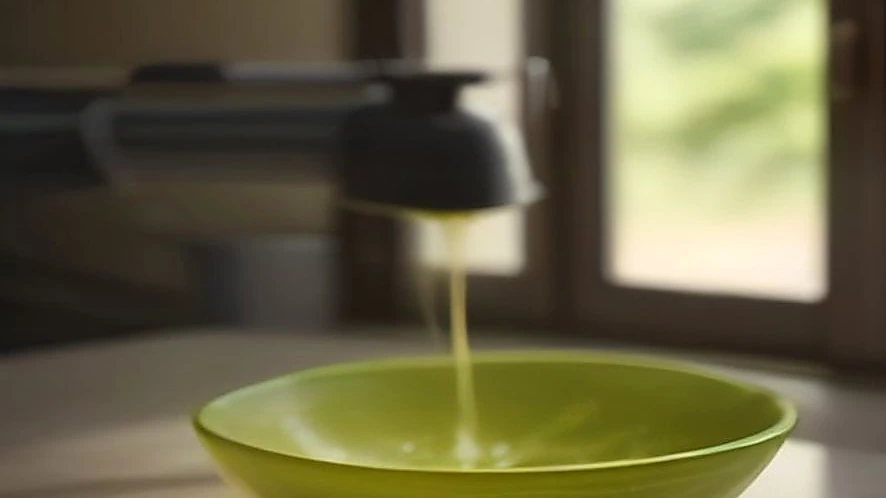
How spraying and dispensing mechanisms affect oil application
The spraying mechanism in oil sprayers uses a pump-trigger that forces oil through a fine nozzle, breaking the liquid into tiny droplets that form a mist. This atomisation increases the surface area of the oil, allowing it to coat food or cookware evenly with minimal quantity. The fine mist can penetrate small crevices and provide a uniform layer without pooling, which is critical for cooking methods like air frying or grilling where excess oil can cause smoke or sogginess.
On the other hand, oil dispensers use a pour spout with flow control to release oil in a steady stream or controlled drips. This method relies on gravity and user control to regulate the amount of oil dispensed. While it allows quicker application of larger volumes, it lacks the precision of atomisation and can result in uneven oil distribution or accidental overuse. The flow control mechanisms vary, with some dispensers featuring adjustable spouts or valves to modulate flow rate, enhancing control but still not matching the fine mist of sprayers.
From a maintenance perspective, the spraying mechanism is more prone to clogging, especially with thicker oils like extra virgin olive oil or unfiltered oils containing sediment. Regular cleaning is essential to keep the nozzle clear and maintain spray quality. Dispensers, with their wider spouts, are easier to clean and less likely to clog but may drip oil after pouring, potentially causing messes or waste. The material of the bottle also plays a role; glass sprayers maintain oil purity and resist staining, while plastic dispensers are lighter and less fragile but may absorb odors or degrade over time.

| Attribute | FLAIROSOL OLIVIA SIGNATURE Oil Sprayer | CXINYI 16oz Olive Oil Dispenser |
|---|---|---|
| Mechanism | Pump-trigger sprays fine mist | Pour spout with flow control |
| Capacity | 200 ml (glass bottle) | 470 ml (plastic bottle) |
| Material | Premium glass with metal nozzle | Light-proof plastic, black & green |
| Oil distribution | Atomised spray for thin, even coating | Direct pour, more oil per use |
| Best use cases | Air fryer, salads, light coating | Cooking with larger oil amounts, dressing salads |
| Cleaning and maintenance | Nozzle may clog, requires rinsing and drying | Easier to clean wide spout but can drip |
From My Kitchen
Once, while preparing a batch of roasted potatoes in an air fryer, I tried using the CXINYI oil dispenser to coat the potatoes. The pour was uneven, leading to some potatoes soaking up too much oil while others remained dry. Switching to the FLAIROSOL OLIVIA sprayer resolved this. The fine mist allowed me to cover every piece evenly without excess oil pooling, which improved crispness and texture. However, the sprayer required careful cleaning afterward because the nozzle clogged after several uses with thicker olive oil.
In terms of numbers, I noticed the sprayer used approximately 30% less oil than pouring with the dispenser for the same batch size, which translated into a lighter, less greasy dish. This was especially noticeable in air frying where excess oil can cause smoke and uneven cooking. However, the sprayer’s smaller capacity meant I refilled it three times during the preparation, while the dispenser only needed one refill. This trade-off between control and convenience is important to consider depending on cooking volume and frequency.
Worth Considering
Best for controlled, even oil application: FLAIROSOL OLIVIA SIGNATURE Oil Sprayer

This sprayer is ideal if you want to apply a delicate, fine mist of oil for air frying, salads, or greasing pans. Its glass bottle is sturdy and premium, but the smaller 200 ml capacity means more frequent refills. It requires occasional nozzle cleaning to prevent clogging, especially with thicker oils.
Brand: FLAIROSOL · Price when checked: $29.99 · Rating: 4.4 out of 5 (12484 ratings)
Pros
- Premium glass construction lasts longer and looks sleek
- Fine atomised spray covers surfaces evenly with minimal oil
- Compact size fits comfortably in hand and kitchen spaces
Cons
- 200 ml capacity means more frequent refills
- Nozzle can clog if not cleaned regularly after use
Best for larger quantities and quick pouring: CXINYI 16oz Olive Oil Dispenser

This dispenser holds 470 ml and allows quick pouring or controlled drips of oil. Its plastic, light-proof design protects oil from light degradation but is less premium-feeling. It suits kitchens where larger oil amounts are needed regularly but is less precise for light coating.
Brand: CXINYI · Price when checked: $15.99 · Rating: 4.4 out of 5 (47501 ratings)
Pros
- Large 470 ml capacity reduces refills during cooking
- Light-proof bottle helps preserve oil quality
- Two-in-one design works as sprayer and dispenser
Cons
- Plastic construction feels less durable than glass
- Pouring requires care to avoid over-oiling or drips
When neither sprayer nor dispenser is the right choice
For some cooking tasks, neither an oil sprayer nor a dispenser provides the best control or convenience. For example, when you need to measure exact oil quantities for recipes or marinating, using a kitchen scale or measuring spoons ensures precision. Also, for brushing oil onto foods or pans, a dedicated oil brush or silicone basting brush offers targeted application without waste. These methods avoid clogging issues and offer tactile control sprayers and dispensers cannot match.
Related reading
- Proofing basket vs bowl proofing: what really shapes your dough
- Top 10 Banneton Bread Proofing Basket
- Top 10 Black & Orange Tiered Serving Trays for Cupcakes
Frequently Asked Questions
Can I use any type of cooking oil in an oil sprayer?
Generally, you can use most cooking oils in an oil sprayer, including olive, vegetable, and avocado oils. However, thicker oils or unfiltered oils with sediment may clog the nozzle more quickly. Lighter oils with lower viscosity atomise better and require less force to spray. Cleaning the sprayer regularly prevents residue buildup and keeps the mechanism working.
Is it better to store oil in glass or plastic bottles?
Glass bottles do not react chemically with oils and are inert, making them preferable for preserving oil taste and quality. Dark or light-proof glass protects oils from light-induced oxidation. Plastic bottles are lighter and less fragile but can sometimes allow oxygen or light exposure, shortening oil shelf life. The CXINYI dispenser uses light-proof plastic, which helps mitigate this issue.
How do I prevent clogging in an oil sprayer nozzle?
Clogging happens when oil residues dry or sediment accumulates at the nozzle. To prevent this, rinse the sprayer with warm soapy water after each use, especially if using thick or unfiltered oils. Spray clean water through the nozzle to clear residual oil. Occasionally dismantling and cleaning the nozzle and pump mechanism ensures smooth operation.

Rimi Sultana is a home cook from Bangladesh who has cooked for her family every day for the past five years and writes about it at Smart Cooks. Perpetually testing whether internet-famous recipes actually work in a regular home kitchen. Say hello on Facebook or through the contact page.