
When working with sauces and marinades on grilled or smoked meats, cooks often choose between a basting brush and a mop brush. While both tools serve to apply liquids, they differ significantly in design and function, which influences how they perform on different cuts and cooking methods.
Some links in this post are affiliate links. If you buy through them we may earn a small commission at no extra cost to you — it never changes which products we recommend.
The key difference lies in how each tool holds and releases sauce, how they handle heat, and their ease of cleaning. Understanding these differences can help you pick the right tool for tasks ranging from delicate glazing to heavy basting during long smoke sessions.
Where each one wins
Basting brushes excel when you need detailed control over sauce application. For example, when glazing ribs or applying a sticky BBQ sauce in thin, even layers, the bristles allow you to work the sauce into crevices without oversaturating the meat. Their smaller size and precise control are also handy for tasks like brushing butter or oil onto vegetables or pastry.
The mechanism behind their effectiveness lies in the bristle design: silicone bristles are flexible and non-porous, allowing for precise sauce placement without dripping, while natural bristles absorb a moderate amount of sauce and release it gradually. This means you can build up layers of flavor without overwhelming the surface. Typically, a silicone basting brush holds about 1 to 2 tablespoons of sauce at a time, which suits smaller cuts or delicate glazing.
Mop brushes come into their own during longer smoking or roasting sessions where you want to keep meat moist and build flavour gradually. The large absorbent head holds enough sauce to cover big cuts like pork shoulders or briskets without constant reloading. The long handle keeps your hands safely away from heat, which is important when working over a smoker or open fire for hours.
The mop brush head, usually made of cotton or fabric, acts like a sponge, absorbing up to 1/4 cup (about 4 tablespoons) of sauce or marinade. This capacity reduces the frequency of dipping and allows for continuous basting, which is essential during extended cooking times that can last 4 to 8 hours. The long handle, measuring between 12 to 18 inches (30 to 45 cm), provides safety and leverage, minimizing the risk of burns and fatigue.
That said, basting brushes are less suited for large surfaces due to limited liquid capacity and shorter handles, while mop brushes can be clumsy for small or delicate tasks. Choosing the right tool depends on the size of the meat, the cooking time, and the level of control you want.
In terms of heat resistance, silicone basting brushes can withstand temperatures up to approximately 500°F (260°C), making them safe for direct contact with hot surfaces, whereas natural bristle brushes degrade faster under heat and may shed. Mop brushes, while having long handles, have fabric heads that are less heat resistant and can char if left too close to flames, so careful use is advised.
Material and structure: How construction drives performance
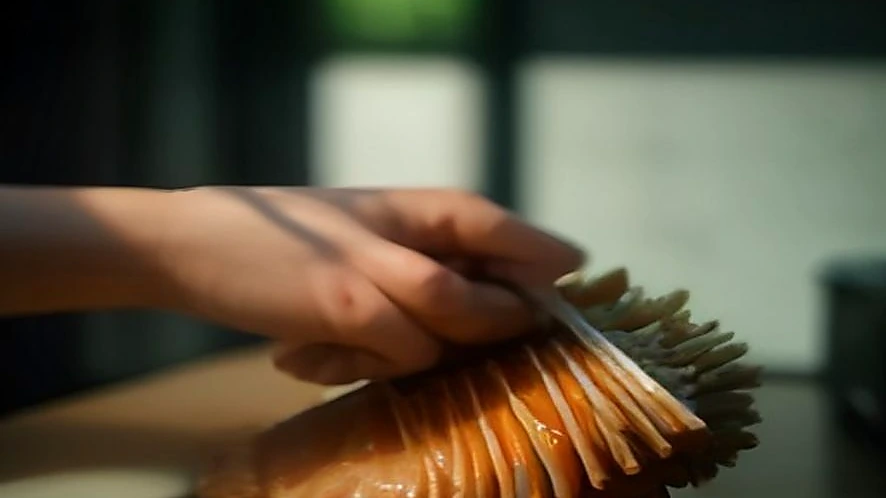
The materials used in basting and mop brushes directly affect their performance and maintenance. Silicone basting brushes feature flexible, heat-resistant bristles that do not absorb liquids, making them hygienic and easy to clean. They are dishwasher safe and resistant to staining and odors, which is a significant advantage for frequent use with different sauces.
Natural bristle basting brushes, often made from boar hair or other animal fibers, have a porous structure that holds thicker sauces well but can trap bacteria and odors if not dried properly. They also tend to shed bristles over time, which can be a concern when cooking.
Mop brushes typically have cotton or fabric heads that absorb large volumes of sauce. This absorbency allows for generous application but also means the mop retains grease and odors, requiring thorough hand washing and drying to prevent mildew. The long wooden or metal handles provide durability and safety but make the brush bulkier to store.
Understanding these material properties helps in selecting the right brush for your needs. For example, if you prioritize easy cleaning and heat resistance for quick grilling sessions, silicone basting brushes are ideal. Conversely, if you need to baste large cuts over long hours, a mop brush’s absorbency and handle length offer practical benefits despite the extra cleaning effort.
| Attribute | Basting brush | Mop brush |
|---|---|---|
| Material | Silicone or natural bristles | Cotton or fabric mop head |
| Sauce capacity | Holds moderate amount in bristles (1-2 tbsp) | Absorbs large volume like a sponge (up to 1/4 cup) |
| Handle length | Short, often under 8 inches (20 cm) | Long, typically 12-18 inches (30-45 cm) |
| Heat resistance | Silicone up to ~500°F (260°C); natural bristles lower | Fabric handle long enough to keep hand safer; mop head less heat resistant |
| Precision | High precision for glazing and delicate application | Better for heavy, continuous basting over large surfaces |
| Cleaning | Dishwasher safe (silicone); easier to clean | Requires hand washing; prone to retaining grease and odour |
From My Kitchen
Once I tried using a silicone basting brush to baste a 6-pound pork shoulder during a low-and-slow smoke. The brush worked fine for applying sauce at the start, but I had to constantly reload it every few minutes because of its limited capacity. Worse, its short handle meant my hand was uncomfortably close to the heat, leading me to rush the process and unevenly coat the meat.
The next time, I switched to a cotton mop brush from the ZQDFLME BBQ Mop Brush and Cast Iron Basting Pot set (ASIN B0D2RL3DJ4). The mop absorbed plenty of sauce, and the long handle kept me safely back from the fire. I could baste more thoroughly and evenly over the 4-hour smoke without interruption. Cleaning took a bit longer, but the benefits during cooking outweighed that.
Quantitatively, using the mop brush reduced the number of sauce dips from about 20 (with the basting brush) to just 6 over the cooking period, improving efficiency and consistency. The longer handle also reduced hand fatigue and risk of burns, making the cooking experience safer and more comfortable.
These practical differences highlight why choosing the right tool based on cooking duration, meat size, and sauce type can significantly impact the quality and ease of BBQ preparation.
Worth Considering
Best for heavy basting and large cuts: ZQDFLME BBQ Mop Brush and Cast Iron Basting Pot

This set includes a traditional cotton mop brush ideal for applying generous amounts of sauce to big cuts during long cooking sessions. It’s less suitable for delicate glazing or precise sauce application. The included silicone brush complements the mop for detail work.
Brand: ZQDFLME · Price when checked: $23.99 · Rating: 4.6 out of 5 (48 ratings)
Pros
- Large absorbent mop head holds plenty of sauce
- Long handle keeps hands away from heat
- Includes silicone brush for precision tasks
Cons
- Mop head requires more cleaning effort
- Cotton material can retain odours if not dried properly
Not ideal for cooking but excellent for cleaning: FryOilSaver Co. B53C Deep Fryer Cleaning Brush Kit

Designed for heavy-duty cleaning with brass bristles resistant to heat up to 750°F (399°C). This tool is unsuitable for basting or applying sauces due to its abrasive nature and material. It serves a different kitchen need entirely.
Brand: THE FRYOILSAVER COMPANY · Price when checked: $29.50 · Rating: 4.3 out of 5 (441 ratings)
Pros
- Heat resistant to 750°F (399°C)
- Brass bristles tackle stubborn grease
- Durable with no bristle shedding
Cons
- Not intended for food application
- Brass bristles can damage delicate surfaces
When neither a basting brush nor a mop brush is the right tool
For certain applications, neither a basting brush nor a mop brush provides the best results. For example, when applying very thick marinades or glazes that should not drip or when precision layering is required, a silicone spatula or a spray bottle can be more effective. Spray bottles distribute sauces evenly without saturating the surface, while spatulas can spread thick coatings without waste.
Additionally, when working with high-sugar sauces that burn easily, frequent basting with a mop brush can cause flare-ups or burnt patches because of the larger volume applied. In these cases, light application with a small basting brush or applying sauces near the end of cooking is wiser.
Finally, some cooks prefer to baste using a spoon or ladle to drizzle sauce selectively rather than brushing or mopping, especially for delicate or small items where tools might damage the surface.
Related reading
- Ladle vs serving spoon: understanding their true differences
- Top 10 air fryers for a small kitchen with compact designs and practical features
- Deep fryer vs air fryer: what really sets them apart
Frequently Asked Questions
Can I use a silicone basting brush for hot sauces during grilling?
Yes, silicone basting brushes are heat resistant up to around 500°F (260°C), making them safe for applying hot sauces directly onto grilled meats. Their non-porous bristles do not absorb sauce, so they clean easily and won’t retain flavours. However, their smaller capacity means frequent reloading for large surfaces.
Why do mop brushes have such long handles compared to basting brushes?
Mop brushes have long handles—typically 12 to 18 inches (30 to 45 cm)—to keep the cook’s hands safely away from heat sources like open flames or smokers during prolonged basting. This length also provides leverage to baste large cuts evenly without discomfort or risk of burns.
Are natural bristle brushes better than silicone for basting?
Natural bristle brushes hold thicker sauces better due to their porous structure, which absorbs and releases liquids gradually. However, they can be harder to clean, may shed bristles, and degrade faster with heat exposure. Silicone brushes resist heat and staining, are easier to clean, but may hold less sauce and require more frequent dipping.

Rimi Sultana is a home cook from Bangladesh who has cooked for her family every day for the past five years and writes about it at Smart Cooks. Perpetually testing whether internet-famous recipes actually work in a regular home kitchen. Say hello on Facebook or through the contact page.