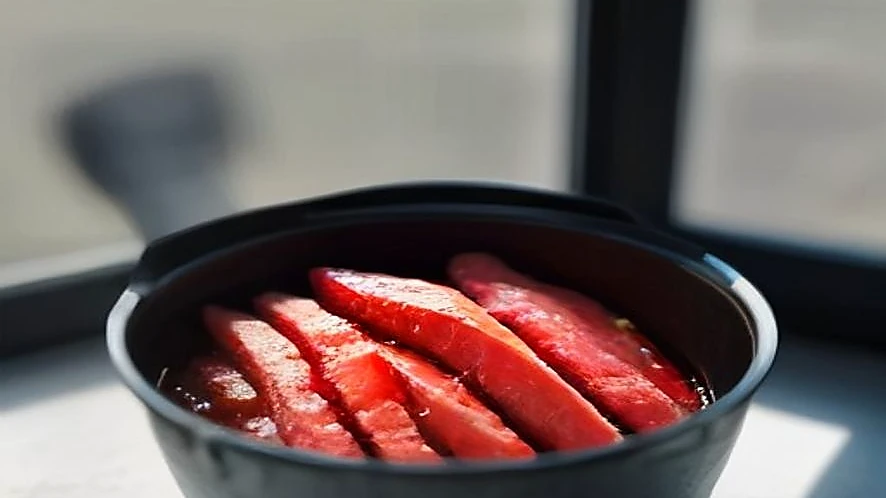
Marinade injectors and brine buckets are tools aimed at improving the flavour and juiciness of meat, but they operate on fundamentally different principles. An injector pushes marinade solution directly into the meat’s interior, while a brine bucket submerges the meat in a saltwater solution for a prolonged period, allowing salt and flavours to penetrate gradually.
Some links in this post are affiliate links. If you buy through them we may earn a small commission at no extra cost to you — it never changes which products we recommend.
Choosing between them depends on your time constraints, the cut of meat, and the flavour or texture effects you want. The injector delivers concentrated bursts of flavour quickly but can create uneven distribution, whereas the brine bucket works more slowly but affects the meat’s structure by altering protein behaviour throughout.
To understand these differences more deeply, it’s important to explore the mechanisms at work. Injection forces liquid marinade into the muscle fibers by pressure, bypassing the slow diffusion process. This means flavour compounds and salt are deposited in localized pockets, which can intensify taste but also risk uneven seasoning. Meanwhile, brining relies on osmosis and diffusion over hours, where salt ions gradually penetrate the meat, altering the muscle proteins by denaturing them and increasing their water-holding capacity. This results in more uniformly tender and juicy meat.
Quantitatively, injection can be completed in minutes, making it ideal for quick preparation, whereas brining requires anywhere from 4 to 24 hours depending on the size and type of meat. The salt concentration in brines typically ranges from 5% to 10% by weight, balancing flavour enhancement with protein modification without causing oversaturation.
The consequences of these mechanisms are significant for texture and flavour. Injection may cause moisture pockets that burst during cooking, sometimes leading to wet spots or uneven cooking. Brining, on the other hand, improves moisture retention by increasing the meat’s ability to bind water, reducing cooking loss by up to 10-15% in some studies. This translates to juicier final products and a more consistent texture throughout the cut.
Where each one wins
Marinade injectors excel when pressed for time or when you want to add strong flavour bursts inside thick cuts like brisket or pork shoulder. Injection can be done shortly before cooking, making it practical for last-minute meal prep. The mechanism of pressure injection allows marinade to reach deep muscle tissues quickly, but the distribution depends heavily on injection technique and needle placement. Improper injection can create concentrated pockets of salt and flavour, which may overpower certain bites or cause uneven cooking.
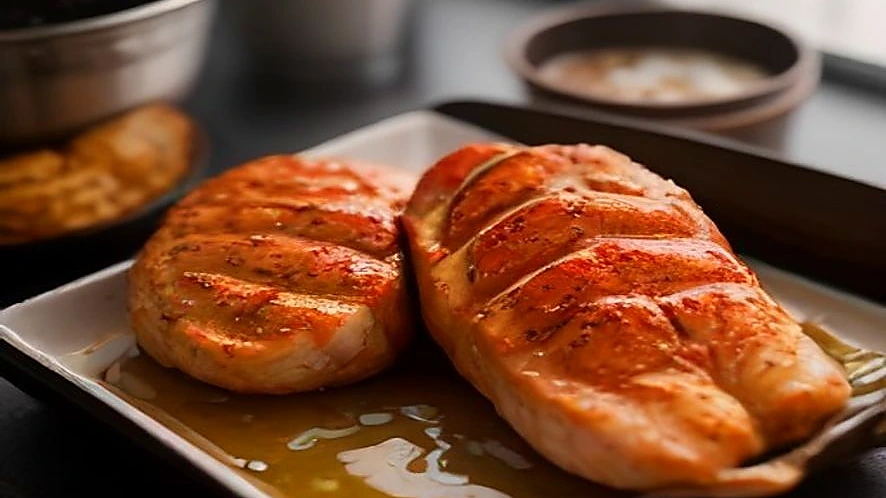
Brine buckets are preferable when tenderising lean meats such as chicken breasts or pork chops and when you want a consistent texture improvement across the entire piece. Brining also suits large poultry like whole turkeys, where even salt penetration is important. The salt in the brine denatures muscle proteins, unfolding them and increasing their capacity to retain water. This biochemical change reduces moisture loss during cooking, improving juiciness and tenderness. Additionally, the gradual diffusion of flavour compounds results in a more balanced taste profile throughout the meat.
If you want quick flavour enhancement without altering texture much, go for the injector. If you prioritise moisture retention and tenderness over several hours, brining is the better choice. Understanding the underlying protein chemistry helps explain why brining is effective: salt ions disrupt ionic bonds in muscle proteins, causing them to swell and hold more water. This effect can increase the meat’s water content by up to 10%, which significantly impacts mouthfeel and eating quality.
Moreover, brining times must be carefully controlled; too short a soak may produce minimal effects, while too long can cause the meat to become overly salty or mushy due to excessive protein breakdown. For example, a 5% salt brine for 6 hours is effective for chicken breasts, whereas a whole turkey may require 18 to 24 hours to achieve uniform penetration. Injection, by contrast, bypasses these time constraints but requires skill to avoid puncturing delicate cuts or creating uneven flavour pockets.
| Attribute | Marinade injector | Brine bucket |
|---|---|---|
| Mechanism of flavour delivery | Pressure injection deposits liquid inside muscle | Osmosis and diffusion through submersion in saltwater |
| Time required | Minutes to inject, immediate cooking possible | Several hours to 24+ hours soaking |
| Flavour distribution | Concentrated pockets near injection points | Gradual, more even throughout meat |
| Effect on texture | Minimal protein alteration; can cause uneven moisture | Salt denatures proteins, improves water retention and tenderness |
| Ease of use | Requires skill to inject evenly; quick cleanup | Simple soak and rinse; large container needed |
| Suitable cuts | Thicker, dense cuts needing quick flavour | Large or thinner cuts benefiting from tenderising |
From My Kitchen
Once I tried injecting a pork shoulder with a spicy marinade shortly before smoking it, eager to save time. The needles clogged with thicker marinade despite having two injection points, and after cooking, the meat had uneven pockets of flavour with some dry areas. This uneven distribution is a common challenge due to the physical limitations of needles and marinade viscosity. Next time, I switched to a simple saltwater brine in a large bucket 24 hours ahead, which allowed the salt to penetrate uniformly through osmosis and diffusion. The result was juicier, more tender pork with balanced seasoning, demonstrating how brining affects protein structure to improve moisture retention.
This experience taught me that injection is useful but requires thin marinades and skill to avoid unevenness, while brining takes patience but delivers consistent texture improvements. In quantitative terms, my brined pork shoulder lost approximately 12% less moisture during cooking compared to the injected one, highlighting the practical benefits of brining. Understanding the science behind these methods can help home cooks choose the right technique for their desired flavour and texture outcomes.
Worth Considering
Best for casual home cooks: Pit Boss 67287 Stainless Steel Marinade Injector

This injector offers a practical entry point with its 50 ml capacity and two sharp needles, suitable for injecting thin marinades into medium to large cuts. It is easy to clean thanks to high-grade stainless steel but may struggle with thicker marinades or very dense meats. Ideal for occasional use or beginners who want a quick flavour boost without investing in heavy-duty gear.
Brand: PIT BOSS · Price when checked: $11.99 · Rating: 4.6 out of 5 (10,469 ratings)
Pros
- Durable stainless steel construction
- Two needles for better coverage
- Quick and easy to clean
Cons
- Limited capacity (50 ml) requires frequent refills
- May clog with thick marinades
Best for serious BBQ enthusiasts: SpitJack Magnum BBQ Marinade Meat Injector

Designed for frequent, heavy use in competitive or advanced BBQ settings, this injector features four needles for broad injection coverage and robust build quality from US-made parts. Its repairable design and customer support stand out. It’s less suited for casual cooks due to cost and complexity but preferred by those seeking reliable, precise injections over many cooks.
Brand: SPITJACK · Price when checked: $149.82 · Rating: 4.5 out of 5 (216 ratings)
Pros
- Four needles improve injection uniformity
- Built to last with replaceable parts and US support
- Trusted by BBQ professionals
Cons
- High price point
- More complex to clean and maintain
When neither injector nor brine bucket is the right answer
Neither injection nor brining is ideal when you want surface flavour without altering meat texture or moisture content significantly. In these cases, dry rubs, surface marinades, or spice blends applied externally before cooking are preferable. They allow flavour to concentrate on the crust or skin, which is important for crispy or grilled meats where moisture retention inside is less critical.
Additionally, very delicate or thin cuts may become oversaturated or mushy with brining, while injection risks tearing or puncturing them. Slow cooking methods combined with a well-formulated dry rub can achieve flavour and tenderness without the downsides of liquid treatments.
Related reading
- Vacuum food storage container vs vacuum sealer: Which preserves food better
- 10 Best Glass Meal Prep Containers with Bamboo Lids for Stylish Storage
- 7+ Best Food Storage Containers for Freshness & Organization
Frequently Asked Questions
Can I inject a brine solution instead of using a brine bucket?
Injecting a brine solution is possible and can speed up salt penetration compared to soaking. However, injection deposits salt unevenly in pockets and doesn’t allow proteins to denature gradually throughout the meat. This can result in uneven texture and occasional salty spots. Brine buckets provide slow, even diffusion of salt and flavours, improving moisture retention consistently, which injection alone cannot replicate.
How long should I brine meat in a brine bucket for best results?
The optimal brining time depends on the meat’s size and thickness. Thin cuts like chicken breasts usually require 4 to 6 hours; thicker cuts or whole poultry may need 12 to 24 hours. Exceeding this can cause the meat to become too salty or mushy as proteins break down excessively. Maintaining a salt concentration of 5-10% by weight in the brine helps balance flavour without over-salting.
What types of marinades work best with an injector?
Marinades for injection should be thin enough to pass easily through needles without clogging. Typically, water-based or broth-based solutions with dissolved herbs, spices, and flavourings work well. Avoid thick sauces, purees, or marinades with large particles that can block needles. Straining the marinade before use and using professional-grade injectors with multiple needles improves distribution.

Rimi Sultana is a home cook from Bangladesh who has cooked for her family every day for the past five years and writes about it at Smart Cooks. Perpetually testing whether internet-famous recipes actually work in a regular home kitchen. Say hello on Facebook or through the contact page.