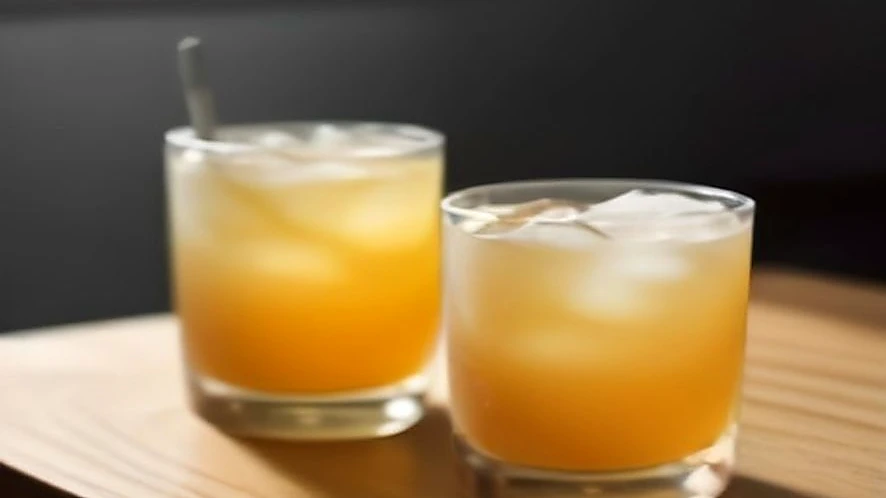
Cocktail shakers and mixing glasses serve overlapping but distinct purposes in cocktail preparation. Both tools combine spirits, modifiers, and ice, but they differ in how they integrate ingredients, affect dilution, and influence drink texture and clarity.
Some links in this post are affiliate links. If you buy through them we may earn a small commission at no extra cost to you — it never changes which products we recommend.
Choosing between them is about understanding how shaking versus stirring changes the drink’s temperature, dilution rate, and aeration. This impacts not only the drink’s taste but also its mouthfeel and appearance. Knowing these differences helps select the right tool for each cocktail style.
Where each one wins
Cocktail shakers excel with drinks that benefit from rapid chilling and vigorous integration of ingredients. Cocktails containing citrus juice, egg whites, cream, or dense syrups often need shaking to blend properly and to develop frothy texture or cloudy appearance intentionally.
Mixing glasses shine for spirit-forward cocktails that prioritise clarity and smoothness. Drinks like martinis, Manhattans, and Negronis are stirred to control dilution precisely while preserving the delicate aromas and clean look of the spirits.
If you want to control dilution finely and avoid breaking the ice into small shards, the mixing glass is your tool. Shake only when the recipe or texture demands it, as excessive shaking can over-dilute and cloud a drink that should be clear.
Mechanistically, shaking agitates the ice and ingredients vigorously, causing ice to fracture into smaller pieces. This increases the surface area contact between ice and liquid, accelerating melting and thus dilution. The rapid motion also traps air bubbles, which contribute to the frothy texture seen in drinks like a Whiskey Sour or Ramos Gin Fizz. In contrast, stirring is a gentler process that moves the liquid around the ice cubes without breaking them up significantly, resulting in slower dilution and preservation of clarity.
Numerical studies show that shaking can reduce cocktail temperature by up to 10°F (about 5.5°C) faster than stirring within the first 20 seconds, but often at the cost of doubling the dilution rate. For example, a shaken cocktail might incorporate 20-25% more water from melted ice compared to a stirred one, which affects both strength and flavor balance.
The consequences of these differences extend beyond temperature and dilution. Aeration from shaking can enhance or detract from the cocktail depending on ingredients; egg whites benefit from the foam, while delicate spirits lose aromatic subtlety. Over-dilution can mute flavors and thin the mouthfeel, so understanding these dynamics helps bartenders tailor their technique to each recipe’s requirements.
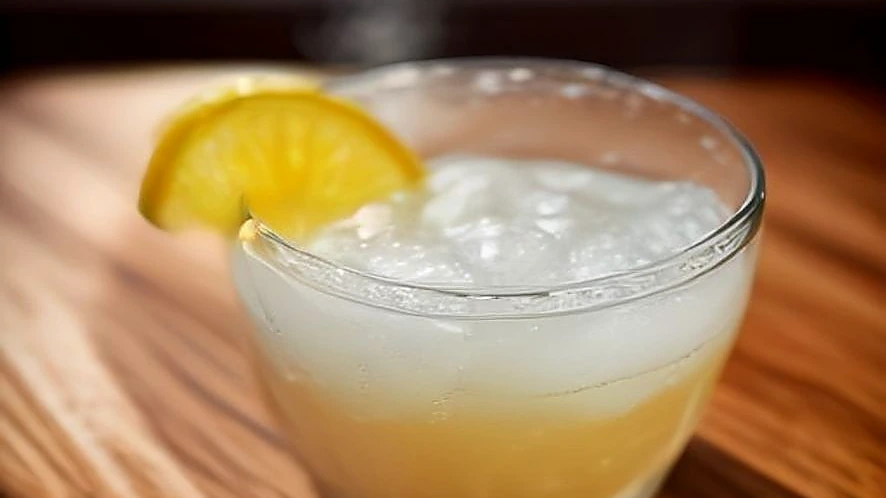
How shaking and stirring shape the cocktail
Shaking and stirring not only affect temperature and dilution but also the cocktail’s texture and appearance. Shaking introduces microscopic air bubbles that create a cloudy or frothy look, which is desirable in drinks like the Clover Club or Pisco Sour. This aeration also changes mouthfeel, giving a lighter, creamier sensation. Conversely, stirring minimizes aeration, preserving the cocktail’s clarity and silky texture—qualities prized in classics like the Martini or Manhattan.
The rate of dilution during shaking can be quantified by measuring total dissolved solids (TDS) in the cocktail. Shaken drinks typically have higher TDS due to increased water content from melted ice, which can lower alcohol by volume (ABV) by 5-10% compared to stirred counterparts. This difference influences not only strength but also balance and finish.
Temperature control is critical: shaking chills a drink quickly, which can be beneficial for cocktails that include ingredients sensitive to heat or prone to separation. Stirring provides a more gradual cooling, allowing flavors to meld without excessive water addition. The choice between the two methods depends on the desired sensory outcome—whether a bright, frothy texture or a smooth, clear presentation.
From a practical standpoint, shaking requires a sealed container and can be messier, while stirring allows more control over dilution and is simpler to execute, especially with a weighted mixing glass and quality bar spoon. The tool’s material also plays a role; stainless steel shakers cool rapidly and maintain low temperature, whereas glass mixing glasses provide visual feedback but warm more quickly.
In sum, the interplay of mechanical action, temperature, dilution, and aeration defines the cocktail’s final character. Mastery of these factors enables bartenders and enthusiasts to craft drinks that meet precise expectations for texture, clarity, and flavor.
| Cocktail shaker | Mixing glass | |
|---|---|---|
| Material | Usually stainless steel, sometimes glass with metal parts | Thick, heavy glass with weighted base (e.g. FARQAN 24 Oz Mixing Glass B0D172D359) |
| Mixing method | Shaking vigorously with ice | Stirring gently with ice |
| Dilution speed | Faster ice melt increases dilution quickly | Slower ice melt controls dilution precisely |
| Aeration and texture | Introduces air bubbles, creating froth and cloudiness | Minimises aeration, keeping drink clear and smooth |
| Suitable cocktails | Citrus, egg, dairy, or thick syrups needing vigorous mixing | Spirit-forward, clear cocktails like martinis and Manhattans |
| Ease of use and cleanup | Requires careful sealing; metal stays cold but can fog | Wide mouth allows easy stirring and pouring; dishwasher safe |
From My Kitchen
Once, I tried making a classic martini with a cocktail shaker instead of a mixing glass. The vigorous shaking created too much dilution and aeration, resulting in a cloudy drink that lacked the silky texture I expected. The ice also broke into tiny shards, chilling it faster but watering it down beyond what the recipe intended.
Switching back to a weighted FARQAN 24 Oz Mixing Glass with a bar spoon restored the martini’s clarity and balanced dilution. The slower stirring kept the ice largely intact, chilling the spirit precisely without over-diluting. That episode cemented my preference for a mixing glass when clarity and subtle texture matter.
Worth Considering
Best for spirit-forward cocktails: FARQAN 24 Oz Cocktail Mixing Glass

This mixing glass is ideal for cocktails where clarity and controlled dilution are key. Its gapless construction avoids cracking, and the weighted base keeps it stable while stirring. Not suitable for recipes requiring vigorous shaking or heavy aeration.
Brand: Brand: FARQAN · Price when checked: $21.99 · Rating: 4.8 out of 5 (477 ratings)
Pros
- Gapless construction prevents cracking common in cheaper glasses
- Weighted base provides stability during stirring
- Wide mouth and beaker spout allow easy pouring and strainer fit
Cons
- Not designed for vigorous shaking; glass can break if misused
- Heavier weight may feel bulky for some users
Best for shaken cocktails: Fioance 23.5oz Glass Cocktail Shaker

This shaker is leak-proof and suitable for recipes needing vigorous mixing with citrus, egg whites, or dairy. The glass body lets you monitor contents but requires careful sealing. Not ideal for those preferring clear, spirit-forward drinks without aeration.
Brand: Fioance · Price when checked: $17.99 · Rating: 4.7 out of 5 (4024 ratings)
Pros
- Leak-proof design prevents spills during shaking
- Glass construction allows visual monitoring of mixing
- Includes 7 recipe cards to guide use
Cons
- Glass can be fragile compared to metal shakers
- Requires practice to seal properly and avoid leaks
When neither shaker nor mixing glass is ideal
Some cocktails do not benefit from either shaking or stirring alone. For instance, drinks served over crushed ice or blended cocktails require different tools like blenders or muddlers. Shaking or stirring these recipes can lead to improper dilution or texture.
Also, for zero-proof mocktails or delicate infusions, gentle mixing methods or layering techniques might be preferable, as aggressive agitation can disrupt flavour balance. In such cases, specialized barware or manual stirring implements offer better control.
Related reading
- Best Personal Blenders for Crushing Ice Easily
- Best Quiet Blenders for Apartment Smoothies
- Blender vs food processor: what really sets them apart
Frequently Asked Questions
Does shaking always make a cocktail colder than stirring?
Not necessarily. Shaking breaks ice into smaller pieces, increasing surface area and accelerating dilution, which chills the drink faster initially. However, this also means more water dilutes the cocktail. Stirring chills more slowly but preserves spirit concentration. The final temperature can be similar, but shaking sacrifices clarity and texture.
Can I use a mixing glass for any cocktail that calls for shaking?
Using a mixing glass instead of shaking will not fully integrate ingredients that require vigorous agitation, such as egg whites or citrus juice emulsions. The drink may end up less aerated and less mixed. For cocktails specifying shaking, a shaker is generally necessary to achieve the intended texture and balance.
How do I clean glass shakers and mixing glasses without damaging them?
Both glass shakers and mixing glasses should be washed promptly after use to prevent stains and odours. Most are dishwasher safe, like the FARQAN mixing glass. Avoid sudden temperature changes that could cause cracking. For metal parts on shakers, hand wash and dry thoroughly to prevent corrosion.

Rimi Sultana is a home cook from Bangladesh who has cooked for her family every day for the past five years and writes about it at Smart Cooks. Perpetually testing whether internet-famous recipes actually work in a regular home kitchen. Say hello on Facebook or through the contact page.