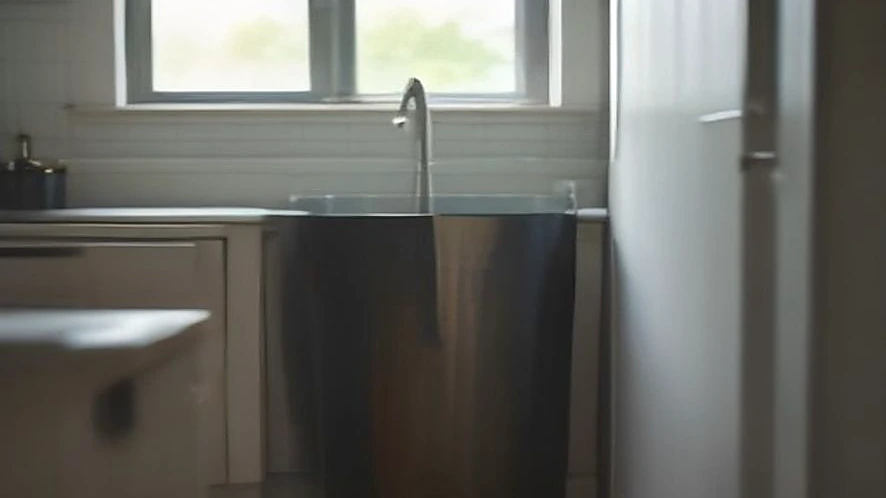
Choosing between a standalone trash can and an under sink bin often comes down to space and convenience, but the differences go deeper. A trash can typically stands free in the kitchen, offering easy access and mobility, while an under sink bin is integrated inside a cabinet, usually on a sliding mechanism.
Some links in this post are affiliate links. If you buy through them we may earn a small commission at no extra cost to you — it never changes which products we recommend.
These two waste solutions differ in how they utilise kitchen space, control odours, and handle waste collection. Understanding the construction and mechanism behind each will help you make an informed decision tailored to your kitchen’s layout and usage patterns.
Where each one wins
Trash cans are better suited for kitchens with ample floor space and where quick access is a priority. Because they stand free, they can be moved around or emptied without awkward manoeuvring. They also come in a wider range of sizes and shapes to match different needs, such as the iTouchless 13 Gallon Oval Stainless Steel trash can (ASIN B015SWQZ3U), which offers a large, fingerprint-resistant surface plus odor filters for less smell.
Under sink bins excel in kitchens where floor space is limited or when a cleaner, less cluttered look is desired. Their pull-out design keeps garbage hidden, which can reduce visual and olfactory impact in open-plan kitchens. The RUNMI Pull Out Trash Can Under Cabinet kit (ASIN B0GGQDP8W8) is an example that fits into standard cabinets, making waste disposal more discreet and contained, though its capacity and accessibility are constrained by cabinet dimensions and plumbing.
Delving deeper into the mechanics, trash cans often feature simple open-top designs or step-on lids that use foot pedals connected to a hinge mechanism. This allows hands-free operation, which is hygienic and convenient during cooking. The iTouchless model enhances this with sensor-activated lids that open automatically when motion is detected, reducing contact and helping to contain odours. The inclusion of charcoal filters in some models further neutralizes smells by adsorbing volatile compounds released by decomposing waste.
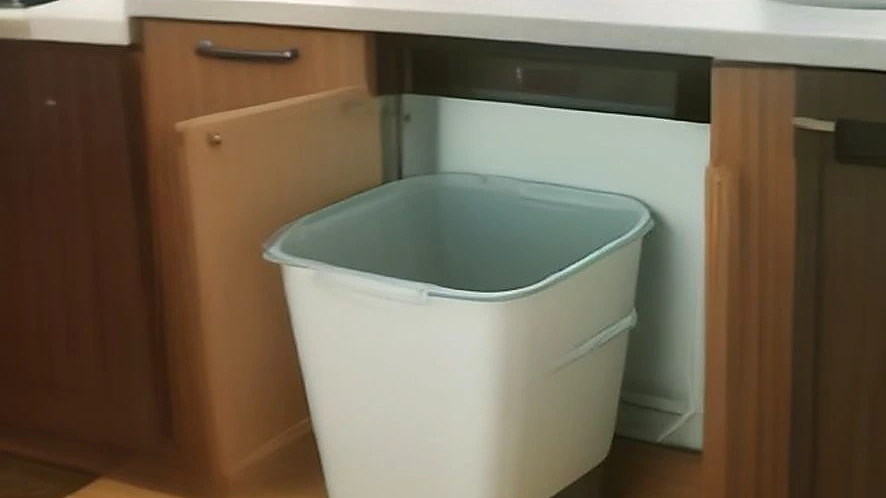
In contrast, under sink bins rely on sliding rails mounted inside the cabinet. These rails are typically ball-bearing or roller types that enable smooth, quiet extension of the bin. The bin itself is usually a plastic container sized to fit the cabinet’s internal dimensions, often limited to 10–15 gallons (38–57 L) due to space constraints imposed by plumbing fixtures like pipes or garbage disposals. This smaller capacity means more frequent emptying is necessary, which can be inconvenient for larger households or those generating significant waste.
Odour control in under sink bins is a double-edged sword. While the enclosed cabinet environment contains smells from spreading into the kitchen, the limited airflow can cause moisture buildup, accelerating bacterial growth and odour formation if not cleaned regularly. Some models attempt to mitigate this by incorporating ventilation holes or charcoal filters inside the bin, but effectiveness varies. Regular maintenance, including wiping down the cabinet interior and airing it out, is essential to prevent persistent odours.
From a space utilisation perspective, trash cans consume dedicated floor space that might otherwise be used for movement or other kitchen furniture. This can be a drawback in compact kitchens or open-plan designs where visual clutter is a concern. However, their portability allows users to relocate them easily during cleaning or when rearranging the kitchen layout. Under sink bins, by contrast, reclaim otherwise unused cabinet space, freeing up floor area and contributing to a tidier appearance. Installation requires precision to ensure the sliding mechanism operates smoothly without interference from plumbing or cabinet doors.
The environmental impact of these waste solutions also merits consideration. Trash cans made from stainless steel, like the iTouchless model, tend to be more durable and recyclable at end of life compared to plastic bins typically used under sinks. However, plastic bins are often lighter and less expensive, making them accessible to a wider range of consumers. Both types require regular cleaning to prevent bacterial contamination and maintain hygiene standards, which can influence user preference based on ease of maintenance.
In terms of cost, freestanding trash cans vary widely depending on materials and features. The iTouchless 13 Gallon model retails around $80–$100, reflecting its premium build and technology. Under sink pull-out kits like the RUNMI model are generally more affordable, ranging from $40–$60, but installation may incur additional expenses if professional help is needed. Over time, the convenience and durability of each option affect overall value, with users weighing upfront cost against longevity and maintenance demands.
From My Kitchen
Once, I installed an under sink pull-out bin in a small kitchen where floor space was tight. Initially, I appreciated how it kept the waste out of sight. However, I noticed quicker odour buildup after a few days, especially since damp food scraps mixed with the residual moisture under the sink. Opening the cabinet frequently helped, but it was not ideal. Swapping it for a small, stainless steel trash can with a tight-fitting lid and charcoal filter solved the issue. The trash can’s better ventilation and easier cleaning outweighed losing the hidden look.
This personal experience highlighted the importance of ventilation and ease of access in managing kitchen waste effectively. The under sink bin’s enclosure, while aesthetically pleasing, created a microenvironment conducive to odour retention and bacterial growth. In contrast, the freestanding trash can’s open design allowed for better air circulation, reducing moisture accumulation and making it simpler to clean thoroughly. Additionally, the charcoal filter in the stainless steel can actively neutralized odours, a feature not present in the pull-out bin.
Moreover, the capacity difference influenced daily routines. The smaller under sink bin required more frequent emptying, which was inconvenient during busy cooking sessions. The larger trash can reduced this frequency, allowing for smoother kitchen workflow. However, the trade-off was the visibility of the trash can in the kitchen space, which some might find less desirable in open-plan layouts.
This experience underscores the need to balance factors such as space constraints, odour control, maintenance effort, and capacity when choosing between these waste solutions. Users should consider their specific kitchen layout, waste generation habits, and cleaning preferences to select the option that best fits their lifestyle.
| Attribute | Trash can | Under sink bin |
|---|---|---|
| Typical location | Freestanding anywhere in the kitchen | Built inside lower cabinet under sink |
| Access method | Open top or step-on lid | Pull-out sliding mechanism |
| Space usage | Requires dedicated floor space | Utilises otherwise unused cabinet space |
| Odour control | Lid and filter options vary; often exposed | Enclosed but may trap moisture causing odours |
| Capacity range | Commonly 10–20 gallons (38–76 L) | Typically smaller, limited by cabinet size, often 10–15 gallons (38–57 L) |
| Installation | None, just place where needed | Requires mounting rails and space clearance |
From My Kitchen
Once, I installed an under sink pull-out bin in a small kitchen where floor space was tight. Initially, I appreciated how it kept the waste out of sight. However, I noticed quicker odour buildup after a few days, especially since damp food scraps mixed with the residual moisture under the sink. Opening the cabinet frequently helped, but it was not ideal. Swapping it for a small, stainless steel trash can with a tight-fitting lid and charcoal filter solved the issue. The trash can’s better ventilation and easier cleaning outweighed losing the hidden look.
Worth Considering
Best for easy access and capacity: iTouchless 13 Gallon Oval Stainless Steel Trash Can

This large-capacity, freestanding trash can suits kitchens where space allows for a dedicated container. Its fingerprint-resistant stainless steel and dual odor filters reduce visible smudges and smells. Not suited to cramped kitchens or those wanting hidden waste solutions.
Brand: 4.6 4.6 out of 5 stars · Price when checked: $94.99 · Rating: 4.7 out of 5 (138 ratings)
Pros
- Large 13 gallon (50 L) capacity
- Odor filters reduce smell
- Fingerprint-resistant stainless steel surface
Cons
- Requires floor space
- No built-in mounting or concealment
Best for saving floor space: RUNMI Pull Out Trash Can Under Cabinet

This under sink pull-out bin kit fits standard base cabinets, utilising underused cabinet space. Ideal for small kitchens prioritising discreet waste storage. Limited capacity and installation complexity mean it’s less suitable for heavy use or large families.
Brand: RUNMI · Price when checked: $29.99 · Rating: 4.4 out of 5 (28405 ratings)
Pros
- Saves floor space by using cabinet area
- Pull-out sliding design for discreet access
- Affordable and easy to install kit
Cons
- Limited capacity due to cabinet size
- Installation requires tools and precise measurements
When neither trash can nor under sink bin is ideal
In some kitchens, especially those with very limited space or unusual layouts, neither a freestanding trash can nor an under sink pull-out bin will satisfy. For example, homes with open shelving or no base cabinets under the sink may need wall-mounted waste solutions or integrated compost and recycling systems. Additionally, if waste volume is very high or involves bulky items, larger external bins or outdoor storage might be necessary. In such cases, considering alternative systems like built-in composters or multi-bin sorting stations can be more practical despite requiring more space or investment.
Related reading
- Best Replacement Water Filters for Frigidaire Refrigerators
- Beyond the Basics: An Expert Review of Unique Kitchen Gadgets for Christmas Gifts Under $50
- Ice Cream Storage Containers: Keeping Scoops Fresh Without Freezer Burn
Frequently Asked Questions
Can I put an under sink bin in any kitchen cabinet?
Not all cabinets are suitable for under sink bins. The cabinet must have enough internal width, depth, and height to fit the bin and its sliding mechanism. Plumbing pipes and garbage disposal units inside the cabinet can limit usable space. Typically, a cabinet width of at least 15 inches (38 cm) and a depth of 18 inches (46 cm) are recommended. Before purchasing, you should measure carefully, considering the bin’s dimensions and clearance for door operation.
How do under sink bins control odour compared to traditional trash cans?
Under sink bins are enclosed within a cabinet, which can help contain odours from spreading freely in the kitchen air. However, the enclosed space can trap moisture and smells if the bin or cabinet is not cleaned regularly or ventilated properly. Traditional trash cans often have lids with seals or activated charcoal filters, like the iTouchless 13 Gallon bin, which actively reduce odour at the source. Ultimately, regular cleaning and waste removal frequency have a greater impact on odour control than bin type alone.
Are under sink bins harder to install than regular trash cans?
Yes, under sink bins usually require installation of mounting rails or sliding hardware inside a cabinet, which involves measuring, drilling, and sometimes adjusting cabinet shelves or doors. This installation can be straightforward with kits like the RUNMI Pull Out Trash Can Under Cabinet but still demands basic DIY skills and tools. In contrast, traditional trash cans require no installation—just placing them in a convenient spot. Installation complexity is an important consideration if you want a no-fuss setup.
Related: Water filter pitcher vs under sink filter: what actually differs

Rimi Sultana is a home cook from Bangladesh who has cooked for her family every day for the past five years and writes about it at Smart Cooks. Perpetually testing whether internet-famous recipes actually work in a regular home kitchen. Say hello on Facebook or through the contact page.