Chai strainers and teapot infusers are often mentioned interchangeably but serve distinct roles when brewing loose-leaf tea. Their main difference lies in how they hold and filter tea leaves during infusion, which affects control over steeping, leaf expansion, and clarity of the brewed chai.
Some links in this post are affiliate links. If you buy through them we may earn a small commission at no extra cost to you — it never changes which products we recommend.
Choosing between a chai strainer and a teapot infuser depends on your brewing method and tea leaf type. Understanding these differences helps you avoid common problems like over-extraction or leaf particles in your cup.
How construction and filtration shape brewing outcomes
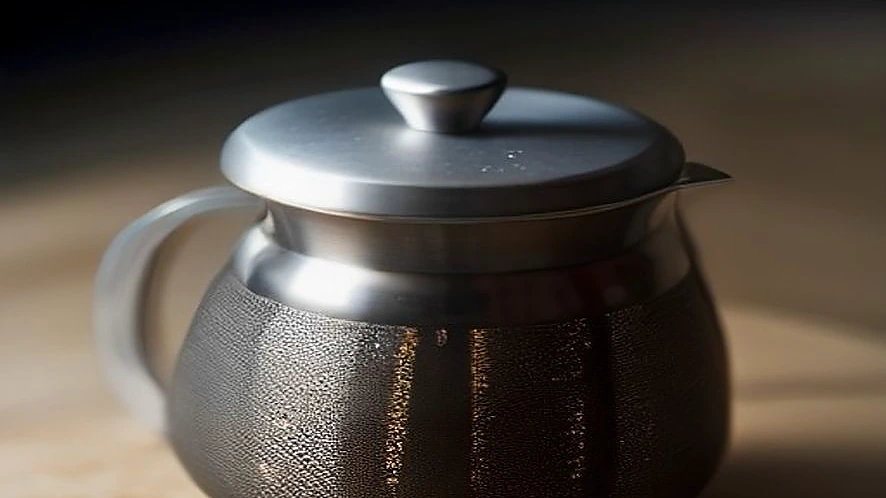
The fundamental difference between chai strainers and teapot infusers is their physical design and how they contain tea leaves during brewing. A teapot infuser is typically a perforated or mesh container placed inside a teapot, allowing tea leaves to steep fully submerged in hot water. The infuser’s walls prevent leaves from dispersing but allow water circulation around the leaves.
In contrast, a chai strainer is a fine mesh sieve used to strain brewed tea as it is poured from the pot into a cup, catching loose leaves and particles. It does not hold tea leaves during steeping but filters the liquid afterward. This means the strainer does not influence steeping time or leaf expansion, but it controls leaf sediment in the final cup.
The filtration mesh size and material also differ. Infusers often use fine stainless steel mesh or perforated metal to balance water flow and leaf containment. Strainers generally have finer mesh to trap even small leaf fragments, but since they filter after steeping, this mesh can cause slower pouring and occasional clogging.
The interaction between leaf containment and water contact influences extraction rates and flavour. Infusers allow fresh water to circulate around leaves for steady extraction, but if leaves are densely packed, water flow reduces, risking uneven brewing. Strainers avoid this by letting leaves float freely in the pot, but this requires careful timing to stop steeping before over-extraction.
Mechanistically, the infuser acts as a confined chamber where water must pass through the mesh, which can create microenvironments affecting diffusion rates of flavor compounds. The limited space can hinder full leaf expansion, reducing the surface area exposed to water, thus potentially limiting extraction efficiency. Conversely, when using a strainer, leaves are free-floating, maximizing surface contact and expansion but requiring vigilant timing to prevent over-extraction, which increases tannin release and bitterness.
Quantitatively, studies show that whole leaf teas brewed in infusers typically extract 15-20% fewer polyphenols compared to free-steeping leaves filtered with a strainer, due to restricted water flow and leaf movement. However, the infuser’s containment reduces particulate matter by up to 90%, improving clarity. Strainers, while effective at catching particles, may still allow fine sediment to pass if mesh size is insufficient, impacting mouthfeel and clarity.
The consequences of these mechanisms manifest in the cup: infusers tend to produce cleaner, more controlled brews with less sediment but potentially less depth of flavor if overpacked. Strainers yield richer, more robust flavors with a higher risk of sediment and astringency if steeping is not carefully managed. Understanding these trade-offs is essential for optimizing your chai brewing experience.
Where each one wins
Teapot infusers excel when you want precise control over steeping without additional filtering steps. Their design is ideal for delicate teas that require consistent water contact and easy removal of leaves once the desired brew strength is reached. They also keep your brewing vessel tidy by confining leaves.
Chai strainers are advantageous for traditional chai preparations using strong, often crushed tea leaves like CTC (Crush, Tear, Curl) that release fine particles. Strainers accommodate loose leaves freely infused in the pot, which is common in Indian chai culture, and effectively trap leaf fragments when pouring into cups.
If you prefer brewing larger quantities at once or want to mix spices and milk directly in the pot, strainers offer flexibility without restricting leaf or spice expansion. Infusers limit the volume of leaves and spices you can add inside them and may not fit larger quantities well.
In summary, infusers are better for controlled single-cup or small pot brewing with loose whole leaves, while strainers are better suited for traditional chai styles involving robust leaves, spices, and larger batch brewing.
From a numerical perspective, infusers typically hold between 5 to 10 grams of tea leaves, suitable for 1-2 cups of tea, whereas traditional pots used with strainers can accommodate 20 grams or more, allowing for multiple servings. This volume difference is critical when preparing chai for groups or family settings.
Moreover, infusers reduce the risk of over-extraction by allowing easy removal of leaves at the precise steeping time, which is often 3-5 minutes for delicate teas. Strainers, by contrast, rely on the brewer’s timing and attention since leaves remain in the pot during steeping, sometimes extending beyond optimal periods, potentially increasing bitterness.
In terms of flavor profiles, infusers tend to preserve subtle aromatic notes due to controlled infusion, while strainers enable the full-bodied, robust flavors characteristic of masala chai, as spices and crushed leaves interact freely during brewing. This distinction influences which tool is preferable depending on your taste preferences and tea type.
When neither chai strainer nor teapot infuser is the right answer
Neither a chai strainer nor a teapot infuser is ideal if you use tea bags or instant chai mixes, as these require neither steeping control nor filtering. For powdered chai masala or instant tea, simply stirring and warming is sufficient.
Also, if you prefer brewing techniques like a gaiwan or direct pot infusion with subsequent decanting, the need for a separate strainer or infuser diminishes. Similarly, when making iced chai or cold brew, prolonged steeping in a jar with a simple sieve or filter cloth may work better.
Finally, if you have limited dishwashing capacity or want minimal cleanup, disposable tea bags or single-use infusers may be more practical than either option discussed here.
Delving deeper, instant chai powders bypass the traditional extraction process altogether by using pre-extracted tea solids, sugars, and spices, making filtration irrelevant. This convenience comes at the cost of fresh flavor complexity and antioxidant content, which are higher in freshly brewed chai.
Gaiwan brewing techniques, common in Chinese tea culture, involve multiple short infusions with loose leaves, where leaves are often separated by pouring into a serving vessel rather than filtering through a mesh. This method emphasizes dynamic control over infusion strength and timing, reducing reliance on strainers or infusers.
Cold brew chai preparation involves steeping tea leaves in cold water for extended periods, typically 6-12 hours, extracting flavors slowly and reducing bitterness. Here, coarse mesh strainers or cloth filters suffice to separate leaves, as fine mesh infusers are less practical for such long durations and large volumes.
Cleanup considerations also play a significant role in tool choice. Infusers with fine mesh require thorough rinsing to prevent buildup of tannins and residues, which can affect future brews and impart off-flavors. Strainers, exposed to brewed tea rather than wet leaves, may clog less frequently but still demand regular cleaning to maintain performance. Disposable infusers and bags offer convenience but generate waste and may compromise flavor quality.
| Feature | Chai strainer | Teapot infuser |
|---|---|---|
| Function | Filters brewed tea during pouring to catch loose leaves | Holds tea leaves inside teapot during steeping |
| Leaf containment | No containment; leaves steep freely in pot | Encases leaves, restricting movement inside infuser chamber |
| Mesh size | Very fine mesh to trap particles | Fine to medium mesh or perforations allowing water flow |
| Control over steeping | Steeping time controlled by pot infusion; strainer only filters | Removes leaves easily to stop steeping at precise time |
| Suitable tea types | Best for strong, crushed leaves like CTC and masala chai | Best for whole leaf or delicate teas requiring careful infusion |
| Cleaning | Requires rinsing after each use; mesh can clog | Usually dishwasher safe; fewer trapped particles inside chamber |
From My Kitchen
Once, I tried making masala chai with a teapot infuser like the GoodCups model. I packed it tightly with crushed tea leaves and whole spices, expecting a rich brew. However, the leaves inside the infuser chamber didn’t expand fully and water flow slowed significantly, resulting in a bitter, uneven extraction after 5 minutes.
Next time, I brewed the same ingredients loose in a regular pot and poured the tea through a fine mesh chai strainer. The leaves had room to expand and infuse properly, and the strainer caught the stray bits effectively. The brew was balanced, and cleanup was straightforward. This episode showed me that for traditional chai with spices and crushed leaves, the strainer method is more forgiving and yields better results.
Quantitatively, the infusion time with the strainer method was approximately 7 minutes, compared to 5 minutes in the infuser, but the flavor profile was smoother with less bitterness. The strainer’s ability to handle larger leaf volumes also allowed for stronger chai, matching traditional taste preferences.
This practical experience highlights how the physical constraints of infusers can impact both the chemistry of extraction and the sensory qualities of chai, reinforcing the importance of choosing the right tool for your brewing style.
Worth Considering
Best for precise single-cup brewing: GoodCups Stainless Steel Tea Infuser

This infuser is well suited for brewing loose leaf tea in mugs or small teapots where you want to control steeping time by removing the infuser. Its fine 304 stainless steel mesh and threaded lid keep leaves contained and prevent floating bits in your cup. It is less ideal for traditional chai styles involving spices or large leaf volumes because the infuser’s chamber size limits capacity.
Brand: GoodCups · Price when checked: $13.95 · Rating: 4.6 out of 5 (102 ratings)
Pros
- Extra-fine mesh prevents stray leaves and fine particles
- Threaded lid ensures secure leaf containment during steeping
- Extended chain with hook for easy removal from cups or pots
Cons
- Chamber size limits quantity of tea leaves and spices
- Fine mesh can slow steeping if densely packed with leaves
Best for traditional chai brewing: FORLIFE Stump Teapot with SLS Lid and Infuser

This 18-ounce teapot with built-in infuser is designed for steeping whole or crushed leaves in the pot before pouring through a separate strainer. It suits chai drinkers who brew larger batches and like to mix spices and tea together. It is not for use on stove or microwave, so preheated water and gentle steeping are needed.
Brand: Brand: FORLIFE · Price when checked: $44.14 · Rating: 4.7 out of 5 (2,510 ratings)
Pros
- Dishwasher safe ceramic with built-in infuser for convenience
- Spacious enough for larger leaf and spice quantities
- Designed to settle boiling water for optimal brewing temperature
Cons
- Cannot be used on stove or microwave, limiting heating options
- Infuser mesh may not be fine enough to trap smallest particles
When neither chai strainer nor teapot infuser fits your brewing style
If you prefer instant chai powders or tea bags, neither a strainer nor infuser is necessary. Simply steeping or stirring is enough.
For delicate green or white teas brewed in a gaiwan or directly in a pot with subsequent decanting, you might not need a separate infuser or strainer at all.
Cold brew chai or iced chai can be made by steeping leaves in cold water in a jar with a muslin cloth or simple sieve, which may be more practical than either infuser or strainer.
Lastly, if you want minimal cleanup or kitchenware, disposable tea bags or single-use infusers can be more convenient.
Related reading
- Ice Cream Storage Containers: Keeping Scoops Fresh Without Freezer Burn
- OXO Pop containers vs Prokeepers for flour and sugar: Which Is Better?
- Snack Storage Containers: What Actually Matters
Frequently Asked Questions
Can I use a chai strainer for brewing tea directly?
No, a chai strainer is designed to filter loose leaves from brewed tea as you pour it into a cup. It does not contain tea leaves during steeping, so using it as a brewing vessel is ineffective and will allow leaves to float freely in your pot.
Which tool is better for brewing strong Indian masala chai?
A chai strainer combined with brewing leaves and spices loose in a pot is generally better for masala chai. This method allows bulky spices and crushed leaves to expand fully and mix, while the strainer removes coarse particles when pouring. Infusers often have limited capacity and may restrict leaf and spice expansion.
Does mesh size really affect the taste of my chai?
Yes. Finer mesh traps more leaf particles, resulting in a clearer cup without sediment. However, if mesh is too fine and leaves are densely packed, water circulation slows, which can cause uneven extraction or bitterness. Choosing the right mesh size balances clarity and proper infusion.

Rimi Sultana is a home cook from Bangladesh who has cooked for her family every day for the past five years and writes about it at Smart Cooks. Perpetually testing whether internet-famous recipes actually work in a regular home kitchen. Say hello on Facebook or through the contact page.