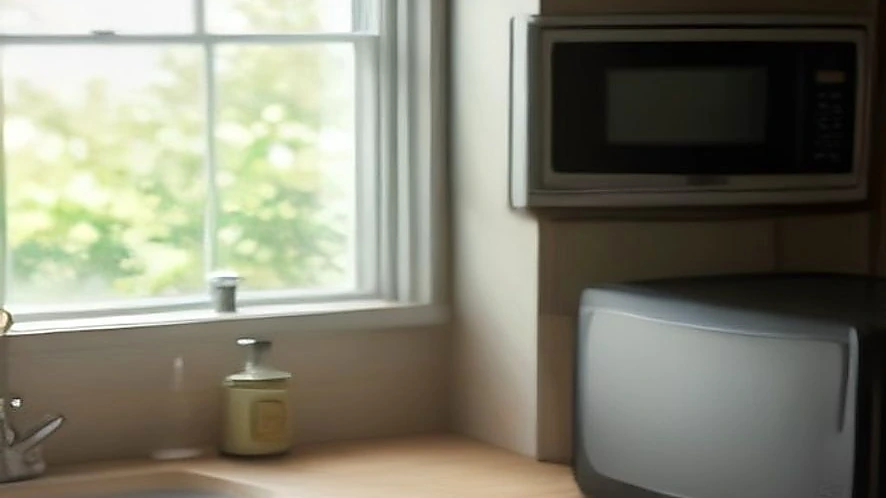
Microwaves and toaster ovens often share countertop space, but they operate on fundamentally different principles that affect how they cook and reheat food. A microwave uses electromagnetic waves to excite water molecules inside food, heating it quickly from the inside out, while a toaster oven relies on radiant heat from electric elements that cook food from the outside in.
Some links in this post are affiliate links. If you buy through them we may earn a small commission at no extra cost to you — it never changes which products we recommend.
This difference in heating mechanism means each appliance excels at different tasks. Understanding these mechanisms clarifies why a microwave can reheat leftovers in minutes without changing texture much, whereas a toaster oven browns and crisps food but takes longer. Neither replaces the other fully; their strengths and limitations make them complementary tools rather than interchangeable.
Where each one wins
Microwaves are best when speed and convenience matter above all else. Defrosting frozen food evenly without cooking edges, reheating soups or stews without drying, and softening or melting ingredients like butter or chocolate are tasks where microwaves outperform toaster ovens. Their sensor cooking settings, like those on the GE Countertop Microwave Oven with moisture sensors, help avoid overcooking by adjusting time dynamically.
The mechanism behind microwave heating involves electromagnetic waves at a frequency of about 2.45 GHz, which cause polar water molecules in food to oscillate rapidly, generating heat internally. This results in faster heating times—typically between 30 seconds to 5 minutes for common reheating tasks—compared to toaster ovens, which can take 5 to 20 minutes. The power consumption of microwaves ranges from 700 to 1200 watts, which is efficient considering the short cooking times.
Toaster ovens excel when texture and browning are needed. Toasting bread, crisping pizza edges, broiling fish or chicken, and small batch baking benefit from the radiant heat that creates a flavourful crust. The GE GCST10A1WSS microwave with built-in air fry and broil functions attempts to bridge the gap but still relies on radiant heating for those tasks. Toaster ovens also offer more control over browning levels but require longer cook times and more attention.
The radiant heat in toaster ovens is generated by electric coils that emit infrared radiation, heating the food surface and inducing the Maillard reaction—a chemical process between amino acids and reducing sugars that produces browning and complex flavors. This process usually requires temperatures between 300°F to 500°F (150°C to 260°C) and cooking durations from 5 to 20 minutes depending on the food type. Power consumption is typically higher, between 1000 to 1800 watts, reflecting the longer cooking times and heating elements involved.
Most readers should choose a microwave if their priority is rapid reheating and simple cooking with minimal fuss. A toaster oven is better for those who want to prepare small portions with texture and browning without using a full oven. Households that cook a variety of meals or want air frying without a separate appliance may consider models like the GE GCST10A1WSS that combine microwave and radiant heat functions.
The consequences of choosing the wrong appliance for a task can affect food quality and energy use. For example, using a microwave to reheat fried foods often results in sogginess due to steam accumulation, while a toaster oven can restore crispness but uses more energy and time. Conversely, using a toaster oven for quick reheating can lead to uneven heating and longer wait times, which may be inconvenient during busy schedules.
How heating mechanisms shape cooking outcomes
Microwave ovens operate by emitting electromagnetic waves that penetrate food and excite water molecules, creating heat internally. This method heats food quickly and evenly from the inside out, which is ideal for liquids, soups, and foods with high moisture content. However, microwaves do not brown or crisp food because they do not generate high surface temperatures needed for the Maillard reaction.
In contrast, toaster ovens use electric heating elements that emit infrared radiation, heating the food surface externally. This radiant heat cooks food from the outside in, allowing for browning, crisping, and caramelization. The external heating also means longer cook times and the need to monitor food to avoid burning. The Maillard reaction that occurs in toaster ovens enhances flavor and texture but requires precise temperature control and timing.
Quantitatively, a microwave can reheat a cup of soup in about 1 to 2 minutes using roughly 900 watts, while a toaster oven may take 10 to 15 minutes at 350°F (175°C) using around 1200 watts to achieve a similar temperature internally but with added browning effects. The energy efficiency of microwaves is generally higher due to shorter cooking times, but toaster ovens provide culinary benefits that microwaves cannot.
The difference in heating also affects cleaning and maintenance. Microwave interiors are smooth and easy to wipe clean, as food splatters are usually moist and do not burn onto surfaces. Toaster ovens accumulate crumbs and grease on trays and walls, requiring regular cleaning to prevent smoke and odors. The choice between appliances should consider these practical aspects alongside cooking performance.
| Feature | Microwave oven | Toaster oven |
|---|---|---|
| Heating method | Electromagnetic waves excite water molecules internally | Infrared radiant heat from electric coils heats surface externally |
| Typical cook time | Seconds to a few minutes | 5 to 20 minutes depending on food and temperature |
| Texture outcome | Softens or steams food, no browning | Crisps and browns surfaces through Maillard reaction |
| Power consumption | Typically 700–1200 watts | Typically 1000–1800 watts |
| Versatility | Good for reheating, defrosting, some cooking with sensor controls | Good for toasting, baking small batches, broiling, and roasting |
| Cleaning ease | Smooth interior, easy wipe down | Crumbs and grease require regular cleaning of trays and walls |
From my kitchen
Once, I tried reheating leftover pizza in a microwave. Minutes later, the crust was soggy, and the cheese was rubbery. Switching to a toaster oven, I set the temperature to 375°F (190°C) and let it crisp for about 8 minutes. The crust regained its crispness, and the cheese melted properly without drying out. However, I had to watch the toaster oven closely to prevent burning, something I don’t worry about with the microwave’s sensor controls. That time highlighted how the heating method directly affects reheating quality, not just speed.
This personal experience underscores the fundamental differences in heating mechanisms. The microwave’s rapid internal heating quickly warms the pizza but generates steam that softens the crust. The toaster oven’s radiant heat removes moisture from the surface, restoring the desired crisp texture. However, this comes with the trade-off of longer cooking time and the need for close monitoring to avoid charring.
In terms of energy use, the microwave consumed approximately 0.03 kWh during the 2-minute reheating, while the toaster oven used about 0.16 kWh for the 8-minute crisping session. This illustrates that while microwaves are more energy-efficient for quick tasks, toaster ovens provide superior culinary results for texture-sensitive foods.
Worth Considering
Best for crisping and air frying: GE GCST10A1WSS Countertop Microwave Oven

This microwave integrates air fry and broil functions, letting you brown or crisp food without a separate toaster oven. It suits kitchens with limited space where fast reheating and occasional air frying are needed. It’s not ideal for large baking tasks and still requires attention during broiling to avoid burning.
Brand: 3.9 3.9 out of 5 stars · Price when checked: $209.00 · Rating: 4.2 out of 5 (1,202 ratings)
Pros
- Built-in air fryer with included stainless steel crisper pan
- Broil function for caramelizing and searing
- Quiet operation suitable for noise-sensitive spaces
Cons
- Smaller 1.0 cubic foot capacity limits large dishes
- Air frying and broiling take longer than conventional toaster ovens
Best for quick reheating with sensor control: GE Countertop Microwave Oven 1,150W

This model focuses on efficient reheating with sensor cooking and defrost modes that adjust power and time automatically. It’s ideal for users prioritising convenience and speed over browning or crisping. It lacks the air fry or broil features of hybrid models and won’t produce crispy textures.
Brand: 4.0 4.0 out of 5 stars · Price when checked: $239.99 · Rating: 4.2 out of 5 (1,590 ratings)
Pros
- Sensor cooking controls monitor moisture to adjust cooking time
- Manual and auto defrost modes for even thawing
- Large 1.6 cubic foot capacity for bigger dishes
Cons
- No crisping or browning functions
- Larger footprint may not suit all countertops
When neither microwave nor toaster oven is the right answer
For some cooking tasks, neither a microwave nor a toaster oven provides the ideal results. Baking complex items like cakes or bread typically requires a conventional oven with precise temperature control and airflow. Similarly, slow roasting or braising benefits from consistent, indirect heat that these appliances cannot provide due to size and heating method limitations.
Additionally, when preparing large meals for multiple people, the limited capacity of most microwaves and toaster ovens becomes a bottleneck. In these cases, a full-sized oven or alternative cooking tools like sous vide or slow cookers may serve better. Neither appliance can replace the controlled environment of a dedicated oven or the precision of specialized equipment.
Related reading
- Sous Vide vs. Air Fryer: Why Precision Cooking Is Winning in 2026
- Top 10 air fryers for a small kitchen with compact designs and practical features
- Air fryer vs convection oven: understanding real differences
Frequently Asked Questions
Can a toaster oven replace a microwave in every kitchen?
No, toaster ovens and microwaves serve different purposes. Toaster ovens excel at browning and crisping, which microwaves cannot do. However, microwaves heat food faster and more evenly from the inside, making them better for reheating liquids or defrosting. Most kitchens benefit from having both or choosing based on cooking habits.
Is it safe to use aluminum foil in a toaster oven or microwave?
Aluminum foil is safe in a toaster oven if used properly—covering parts of food to prevent burning but not touching the heating elements. In microwaves, foil can cause sparks and fires due to electromagnetic reflection and should be avoided unless the appliance manual explicitly allows it with specific instructions.
Which appliance uses less energy, a microwave or a toaster oven?
Microwaves generally use less energy because they cook food faster by heating molecules directly, usually requiring 1 to 5 minutes per task. Toaster ovens use radiant heat and take longer, often 5 to 20 minutes, increasing energy consumption. However, the exact usage depends on the appliance’s wattage and cooking duration.

Rimi Sultana is a home cook from Bangladesh who has cooked for her family every day for the past five years and writes about it at Smart Cooks. Perpetually testing whether internet-famous recipes actually work in a regular home kitchen. Say hello on Facebook or through the contact page.