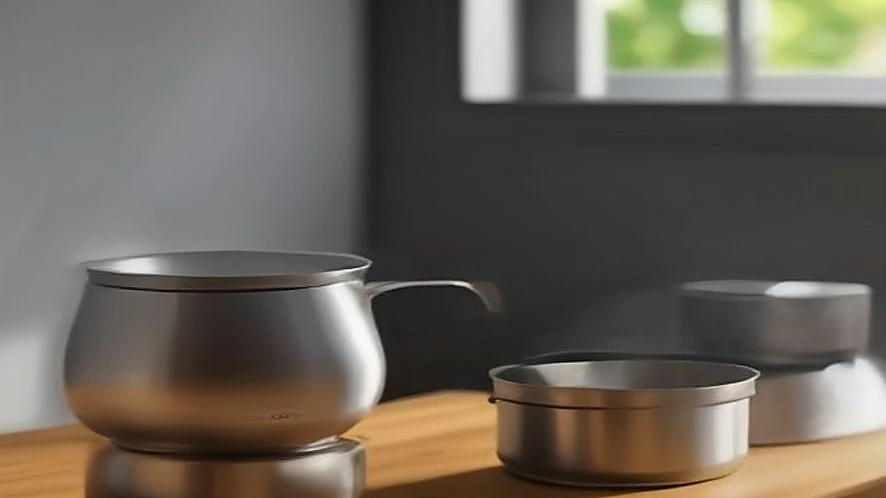
Grinding spices is a fundamental step in many culinary traditions, and choosing between a spice grinder and a mortar and pestle involves understanding their distinct mechanisms and effects on the final dish. Both tools reduce whole spices to smaller particles, but they operate through fundamentally different processes that impact texture, flavour release, and convenience.
Some links in this post are affiliate links. If you buy through them we may earn a small commission at no extra cost to you — it never changes which products we recommend.
A spice grinder uses mechanical rotation and blades or plates to pulverise spices quickly and uniformly, generating heat through friction that can influence the spice’s aromatic profile. In contrast, a mortar and pestle relies on manual crushing and grinding by friction and pressure, allowing for variable texture control and minimal heat generation, which helps preserve delicate essential oils. These differences shape not only the spice’s texture but also the flavour intensity and cooking experience.
How mechanics shape spice grinding results
The mortar and pestle functions through manual crushing and grinding, where the user applies pressure and a circular grinding motion to break down spices. This method produces a variable particle size distribution, ranging from coarse to fine, depending on grinding duration and pressure. The slow, controlled process minimizes heat buildup, preserving the integrity of volatile oils and aromatic compounds. For example, when grinding coriander seeds, the mortar and pestle can release fresh, vibrant oils that enhance the spice’s flavour complexity.
In contrast, a manual spice grinder employs mechanical rotation with dual grinding plates designed to produce consistent particle sizes, typically fine or medium grind. The plates rotate against each other, shearing and crushing spices rapidly. This speed generates frictional heat, which can reach temperatures of 40-50°C during extended use, potentially causing some loss of aromatic compounds, especially in heat-sensitive spices like cumin or cardamom. However, the grinder’s efficiency allows processing larger quantities—up to 3 cups per batch—making it suitable for busy kitchens or recipes requiring uniform seasoning.
The choice between these tools also affects texture and flavour release. The mortar and pestle’s uneven crushing can create a mix of powder and small chunks, ideal for dishes where varied spice texture enhances mouthfeel, such as in traditional pesto or curry pastes. Meanwhile, the spice grinder’s uniform grind ensures even distribution in dry rubs or spice blends, contributing to consistent seasoning throughout the dish. Understanding these mechanical and chemical effects helps cooks select the appropriate tool based on the desired culinary outcome.
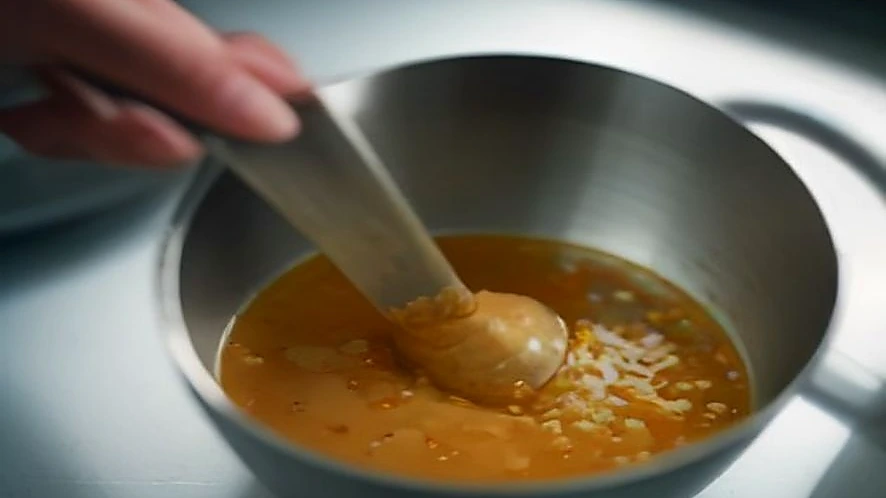
Where each one wins
The mortar and pestle excels when precise control over texture and aroma preservation is paramount. Its manual operation allows gradual release of essential oils, which is crucial for delicate herbs and spices where overheating would degrade flavour. For instance, grinding fresh basil leaves for pesto or crushing whole peppercorns for a finishing touch benefits from the tactile feedback and nuanced control this tool provides. The small batch size—usually under 2 cups—encourages freshness, as spices are ground just before use, maximizing flavour impact.
On the other hand, a manual spice grinder offers significant advantages in speed and capacity. Its dual grinding plates enable quick switching between fine and medium textures, facilitating consistent seasoning in recipes requiring uniform spice distribution, such as in spice blends or large-batch preparations. The grinder’s 3-inch chamber can accommodate larger quantities, reducing the need for frequent refills and accelerating meal prep during busy cooking sessions. However, users should be mindful that the mechanical action can generate heat that might slightly diminish the aromatic intensity of sensitive spices.
Both tools also differ in cleaning and maintenance. The stainless steel mortar and pestle resists residue and odours due to its non-porous surface, making it straightforward to rinse and scrub after use. In contrast, spice grinders have mechanical parts and crevices where spice dust and oils can accumulate, necessitating thorough disassembly and cleaning to prevent cross-contamination of flavours. Noise levels are minimal for both, with the mortar and pestle being silent and the manual grinder producing only repetitive grinding sounds without motor noise.
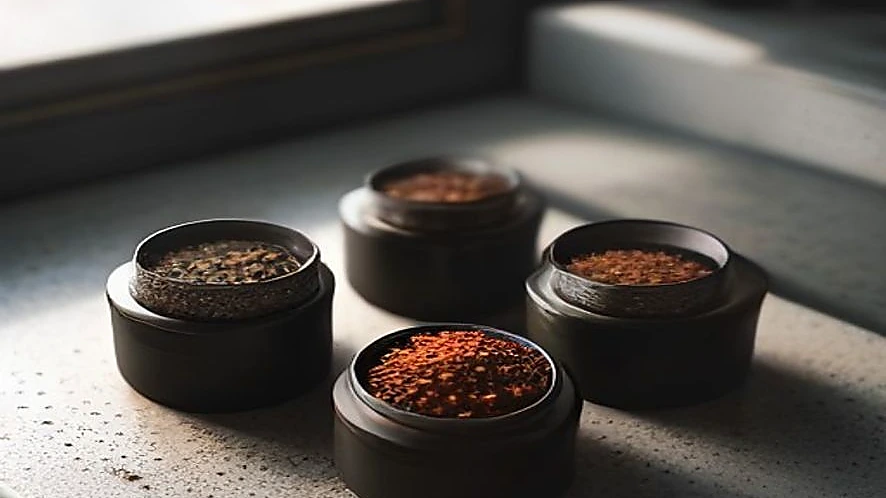
| Feature | Mortar and Pestle (Tera 18/8 Stainless Steel) | Spice Grinder (Gravend Manual Dual Grind) |
|---|---|---|
| Grinding method | Manual crushing and grinding by friction and pressure | Mechanical rotation with dual grinding plates (fine & medium) |
| Texture control | Variable based on user pressure and time | Preset fine or medium grind via plate selection |
| Heat generation | Minimal heat due to manual slow action | Potential heat buildup from rapid rotation and friction (up to 40-50°C) |
| Capacity | Small bowl limits batch size, typically under 2 cups | 3-inch chamber supports larger batches with less refilling |
| Cleanliness and residue | Stainless steel resists residue and odours; easy rinsing | Mechanical parts may trap residue, requiring thorough cleaning |
| Noise level | Silent operation | Manual grinding is quiet but can produce repetitive sound |
From My Kitchen
Once, while preparing a Bengali mustard fish recipe, I needed freshly ground mustard seeds and turmeric but in different textures—coarse for mustard and fine for turmeric powder. Using the spice grinder, I could quickly switch plates to get consistent results, but the turmeric’s aroma didn’t come through as well as when I hand-ground it with the mortar and pestle. It took me a few tries to balance speed and flavour, eventually using the mortar and pestle for turmeric despite the extra effort. This experience highlights how the grinding method impacts both efficiency and flavour, and why understanding the mechanics behind each tool is essential for achieving the best culinary results.
Worth Considering
Best for hands-on control and aroma preservation: Tera 18/8 Stainless Steel Mortar and Pestle

This mortar and pestle is sturdy and stable, made of solid stainless steel that doesn’t retain odours. It’s excellent for anyone who values tactile grinding and wants to gently release spice oils. Not ideal for very large batches or those who prefer speed over manual effort.
Brand: Tera · Price when checked: $20.99 · Rating: 4.7 out of 5 (3,162 ratings)
Pros
- Durable solid metal build with stable base
- Non-porous stainless steel resists residue and odour
- Translucent lid keeps spices contained during grinding
Cons
- Smaller capacity limits batch size
- Manual grinding requires more physical effort and time
Best for efficient batch grinding and texture options: Gravend Large Manual Kitchen Spice & Seasoning Grinder

This manual spice grinder offers a large 3-inch chamber and dual grinding plates for fine or medium textures, making it a practical choice for quick, consistent grinding. Less suited to those who prioritise nuanced flavour release or want maximum control over texture.
Brand: Brand: GRAVEND · Price when checked: $19.99 · Rating: 4.6 out of 5 (3,162 ratings)
Pros
- Generous grinding capacity reduces refills
- Dual plates allow easy texture adjustment
- Comfortable non-slip grip for smooth manual operation
Cons
- Mechanical parts can trap residues requiring thorough cleaning
- Grinding can generate heat affecting delicate spice aromas
When neither tool is the right answer
If you need ultra-fine powder consistently, especially for coffee or very hard spices, an electric blade or burr grinder is often a better choice. They provide higher speeds, consistent particle sizes, and less manual effort. However, they tend to generate more heat and may require electricity or batteries. For wet or oily ingredients like garlic paste or fresh herbs with moisture, a food processor or dedicated herb crusher better handles the texture and prevents clogging. Neither a mortar and pestle nor a manual spice grinder suits these tasks efficiently.
Related reading
- Cookie Scoop Sizes: What Actually Matters
- Mixer grinder vs wet grinder: Understanding the real differences
- Quick & Easy Chicken Pot Pie Recipe (Foolproof!)
Frequently Asked Questions
Can I use a mortar and pestle for grinding coffee beans?
You can grind coffee beans with a mortar and pestle, but it is labor-intensive and difficult to achieve a consistent grind size needed for brewing. The manual crushing method breaks beans unevenly, which can affect extraction and flavour. For regular coffee grinding, a burr grinder designed for coffee is more practical and delivers better control.
Do spice grinders generate heat that damages spice flavour?
Manual spice grinders, especially those with fast spinning plates, can generate some friction heat during operation. This heat may cause volatile aromatic oils in spices to evaporate or degrade slightly, reducing flavour intensity. Mortar and pestle grinding produces minimal heat because it relies on slower crushing, preserving more aroma. For delicate spices, manual grinding is preferable if preserving flavour is a priority.
How do I clean a spice grinder compared to a mortar and pestle?
A stainless steel mortar and pestle is usually easier to clean because it has a smooth, non-porous surface that resists residues and odours. A quick rinse and scrub with warm water and mild detergent are often sufficient. Spice grinders with mechanical parts can trap spice dust and oils in crevices between plates and chambers, requiring disassembly and more thorough cleaning to prevent cross-contamination of flavours.

Rimi Sultana is a home cook from Bangladesh who has cooked for her family every day for the past five years and writes about it at Smart Cooks. Perpetually testing whether internet-famous recipes actually work in a regular home kitchen. Say hello on Facebook or through the contact page.