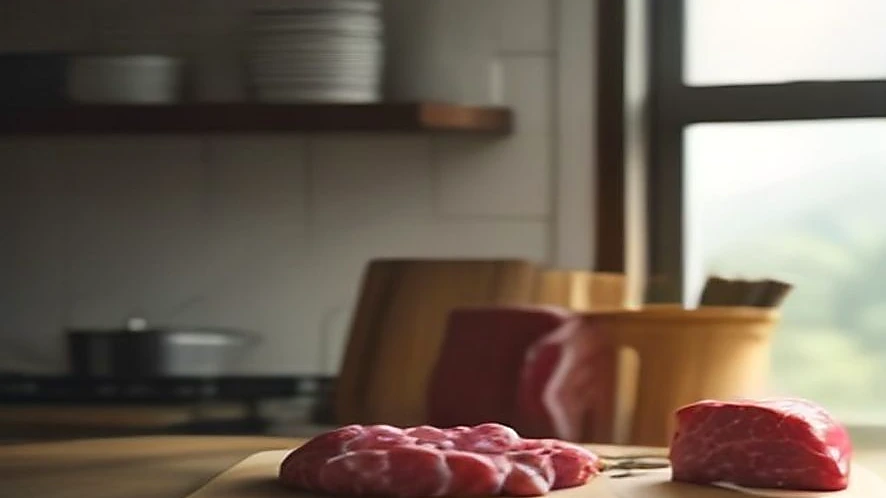
Choosing a cutting board for raw meat involves more than picking a sturdy surface. The key technical factors include how the material handles bacteria retention, how it interacts with knives, and how it manages liquids that come from meat cuts.
Some links in this post are affiliate links. If you buy through them we may earn a small commission at no extra cost to you — it never changes which products we recommend.
Boards made from stainless steel or bamboo have different mechanisms affecting hygiene and durability. Understanding these distinctions helps avoid cross-contamination and damage to knives, essential for safe and efficient meat preparation.
What actually matters
The primary concern with cutting boards for raw meat is hygiene. Raw meat can carry bacteria like salmonella or E. coli. The cutting board’s surface must resist bacterial absorption and allow thorough cleaning. Non-porous materials like stainless steel do not absorb juices, so bacteria remain on the surface where they can be washed away. Porous materials like bamboo can trap fluids in microscopic crevices, increasing contamination risk unless properly maintained.
Understanding the mechanisms behind these materials is crucial. Stainless steel cutting boards are made from food-grade alloys such as 18/8 or 304 stainless steel. These alloys are non-porous and resistant to rust, meaning they do not absorb moisture or bacteria. This non-porous nature allows juices and bacteria to remain on the surface where they can be easily washed off or sanitized. The ability to sanitize these boards in dishwashers at temperatures exceeding 140°F (60°C) effectively kills most pathogens, making them highly suitable for raw meat preparation.
On the other hand, bamboo cutting boards have a tight grain structure and natural hardness that limit fluid absorption. However, bamboo is inherently porous to some extent, with microscopic crevices that can trap juices and bacteria if not cleaned immediately and thoroughly. To mitigate this, bamboo boards require hand washing and regular oiling to fill pores and prevent cracking. This maintenance not only preserves the board’s integrity but also helps reduce bacterial buildup. The natural antibacterial properties of bamboo add a layer of protection, but they do not replace diligent cleaning practices.
Durability and knife wear are also important considerations. Stainless steel’s hardness means it does not dent or scar easily, maintaining a smooth surface that resists bacterial lodging. However, this hardness comes at the cost of increased knife dulling. Because steel offers no give, knives strike a hard edge, which can blunt blades faster than softer surfaces. Users should expect to sharpen knives more frequently when using stainless steel boards.
Conversely, bamboo is softer and gentler on knives, preserving blade sharpness longer. Yet, its softness means it can develop grooves and cuts over time, which may harbor bacteria if not cleaned properly. Regular maintenance, including sanding and oiling, can help minimize groove formation and maintain hygiene. Both materials require balanced care: steel boards necessitate regular knife sharpening, while bamboo boards demand consistent upkeep to avoid cracking and bacterial contamination.
Size, shape, and liquid control features greatly influence usability and hygiene. A cutting board around 15 x 12 inches or larger provides sufficient space for most meat cuts, reducing the risk of cross-contamination from overcrowding. Boards equipped with raised lips or juice grooves are especially beneficial as they capture fluids released during cutting, preventing spills onto countertops and reducing contamination risks.
Metal boards sometimes include a lip to hold juices securely, while bamboo sets often feature multiple boards with labelled tabs to separate different food types, further helping prevent cross-contamination. Juice grooves vary in depth and width; deeper grooves can hold more liquid but may be harder to clean thoroughly. Choosing a board with an appropriately sized groove balances juice containment and ease of cleaning.
In terms of consequences, failing to use a board with proper liquid control can lead to dangerous cross-contamination. Meat juices can carry harmful bacteria that, if spread to other foods or surfaces, increase the risk of foodborne illness. Additionally, improper maintenance of bamboo boards can result in cracking and warping, which not only shortens the board’s lifespan but also creates more surfaces for bacteria to hide.
Ultimately, selecting the right cutting board involves weighing hygiene, durability, knife wear, and liquid management. Stainless steel boards excel in hygiene and durability but require frequent knife maintenance. Bamboo boards offer knife friendliness and eco-friendliness but demand regular care to maintain safety and longevity.
Material and hygiene
Stainless steel boards consist of 18/8 or 304 food-grade alloys that resist rust and do not absorb moisture. This means they can be sanitized in a dishwasher at temperatures above 140°F (60°C), killing most pathogens. The non-porous surface ensures that juices from raw meat remain on top, making cleaning effective and reducing bacterial build-up.
Bamboo boards rely on natural hardness and a tight-grain structure to limit fluid absorption, but they require hand washing and regular oiling to fill pores and prevent cracking. Oiling with food-safe mineral oil or beeswax helps seal the surface, reducing microscopic crevices where bacteria can lodge. Without this maintenance, bamboo boards can absorb juices, increasing contamination risk.
Durability and knife wear
Stainless steel is hard and non-porous but can dull knives faster because its surface offers no give, causing the blade to hit a hard edge rather than slice through a softer surface. This hardness is quantified by the Mohs scale, where stainless steel rates around 5.5 to 6.5, while knife steels vary but are generally softer. Frequent use on steel boards may necessitate sharpening knives every few weeks depending on usage intensity.
Bamboo is softer, so it is gentler on knives but can develop grooves over time where bacteria may lodge if not cleaned properly. Bamboo hardness varies but is generally around 2.5 to 3.5 on the Mohs scale, providing a forgiving surface that preserves blade sharpness longer. However, grooves created by knife cuts can accumulate bacteria if not sanitized properly. Both require balanced care: steel needs regular sharpening of knives, bamboo needs maintenance to avoid cracking.
Size, shape, and liquid control
The board’s dimensions affect usability; a board around 15 x 12 inches or larger provides enough space for most meat cuts. Smaller boards may restrict movement, increasing the risk of accidents or cross-contamination due to overcrowding. Larger boards also accommodate multiple cuts, making preparation more efficient.
Boards with raised lips or juice grooves capture fluids released during cutting, preventing contamination of the countertop. Juice grooves can vary in design, from shallow channels to deep reservoirs. Deep grooves hold more liquid but can be harder to clean, potentially trapping bacteria. Raised lips on metal boards effectively contain juices, reducing spill risk.
Metal boards sometimes include a lip to hold juices. Bamboo sets often have separate boards with labelled tabs for different food types, helping prevent cross-contamination. Labels can designate boards for raw meat, vegetables, or cooked foods, minimizing bacteria transfer. Proper organization and clear labelling are essential in busy kitchens to maintain hygiene.
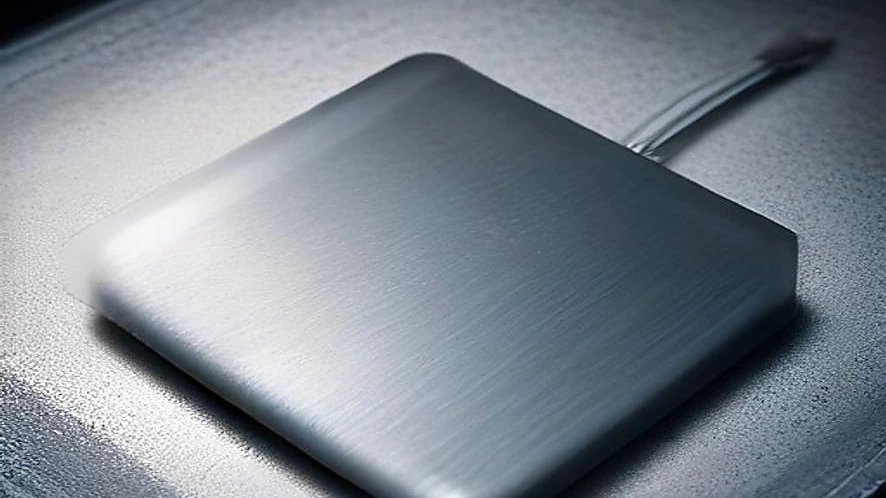
How to choose your cutting board for raw meat
If your priority is absolute hygiene and ease of sanitizing, stainless steel boards, especially those with a juice groove or lip, provide the best surface to prevent bacterial buildup and contain liquids. These boards can be washed in a dishwasher at high temperatures, helping eliminate pathogens effectively. Stainless steel’s durability means it will not warp or crack over time, making it a long-term investment in kitchen safety.
For those who value knife care and prefer a gentler surface, bamboo boards offer a softer cutting experience with natural antibacterial properties. However, they require regular maintenance including oiling and dedicated cleaning to remain sanitary, and are better suited for users who can commit to that upkeep. Bamboo boards are also more environmentally friendly, being renewable and biodegradable.
If you handle large volumes or different meat types, sets with multiple boards or dual-material designs help avoid cross-contamination by separating food groups physically. Consider your kitchen workflow and storage space before committing. Dual-material boards, such as those combining steel and wheat straw polypropylene, offer versatility but require understanding of care differences between materials.
Avoid plastic boards without juice grooves for raw meat, as they can retain bacteria in knife marks and do not offer the durability or hygiene advantages of stainless steel or bamboo when properly cared for. Plastic surfaces can scar easily, creating niches for bacteria, and often lack adequate juice containment features, increasing contamination risk.
| Pick | Best for | Size or Set Detail | Watch out for |
|---|---|---|---|
| BEVISS 11.5″ Stainless Steel | Compact meat prep | 11.5″ L x 8″ W | Smaller cutting area limits large cuts |
| GoodArtificer Titanium Set | Heavy-duty slicing | Set of 3, double-sided | Higher cost, heavier than alternatives |
| OTAVILEM Stainless Steel | Large surface tasks | 15.7″ x 11.8″ | Flat surface no juice groove |
| Womefic 304 Steel with Lip | Juice control needs | 15.7″ x 11.8″ with lip | Metal can dull knives quickly |
| BEVISS 13.7″ Stainless Steel | Mid-size kitchen use | 13.7″ x 9″ | Does not have juice groove |
| GUANCI 2-in-1 Steel & Wheat Straw | Versatile with dual material | 14″ x 9.6″ double-sided | Wheat straw side less durable long term |
| Bamboo Set with Metal Stand | Eco-friendly variety | 4 boards included | Requires more maintenance, softer on knives |
| SWSKR Steel with Lip & Groove | Juice groove control | 15.8″ x 11.8″ | Heavier and may dull knives |
From my kitchen
Once, while slicing a brisket on a bamboo board with no juice groove, I underestimated how much liquid would run off. The juices pooled under the board, making the surface slippery and my knife slipped, causing an uneven cut. Switching to a stainless steel board with a raised lip solved the problem by containing juices, preventing spills, and making cleanup faster. The tradeoff was needing to sharpen the knife sooner because the metal surface was harder on the blade, but the safety and hygiene benefits were worth it.
Worth Considering
Best for compact meat prep: BEVISS 11.5″ Stainless Steel

This smaller stainless steel board is straightforward and easy to sanitize in a dishwasher, making it a good fit for quick raw meat prep in limited kitchen space. Its size, however, restricts handling larger cuts or multiple items simultaneously.
Brand: BEVISS · Price when checked: $13.99 · Rating: 4.6 out of 5 (4583 ratings)
Pros
- Dishwasher safe at high temperatures
- Non-porous 18/8 stainless steel
- Double-sided for extended use
Cons
- Limited surface area
- Metal surface accelerates knife dulling
Best for heavy-duty slicing: GoodArtificer Titanium Set

This set of three pure titanium boards is durable and non-toxic, ideal for someone who needs different boards for various meat types or wants a long-lasting option. The titanium surface resists stains and odors but requires commitment to knife sharpening due to hardness.
Brand: GoodArtificer · Price when checked: $59.98 · Rating: 4.7 out of 5 (1,049 ratings)
Pros
- Set includes three boards
- Double-sided for versatility
- Dishwasher safe and non-toxic
Cons
- Relatively expensive
- Heavier than plastic or wood
Best for large surface tasks: OTAVILEM Stainless Steel

Offers a large cutting area suitable for breaking down bigger meat portions. It doubles as a kneading mat, which adds versatility for baking tasks. The flat steel surface cleans easily but has no juice groove, so extra care is needed to contain liquids.
Brand: OTAVILEM · Price when checked: $14.39 · Rating: 4.5 out of 5 (109 ratings)
Pros
- Large 15.7 x 11.8 inch size
- Multi-use for meat and baking
- Rust-resistant steel
Cons
- No juice groove to catch liquids
- Hard surface dulls knives more quickly
Best for juice control: Womefic 304 Steel with Lip

This 304 stainless steel board includes a raised lip to hold juices, preventing spills that can cause contamination. It’s practical for raw meat tasks where liquid management matters, though the metal surface will blunt knives faster than softer boards.
Brand: Brand: Womefic · Price when checked: $23.99 · Rating: 4.6 out of 5 (2,009 ratings)
Pros
- Raised lip captures juices
- Dishwasher safe 304 steel
- Large 15.7 x 11.8 inch surface
Cons
- Surface hardness accelerates knife wear
- Metal can be noisy when cutting
Best mid-size kitchen use: BEVISS 13.7″ Stainless Steel

Slightly larger than the smaller BEVISS board, it provides more room for typical kitchen tasks without crowding the workspace. It is double-sided and dishwasher safe but lacks a juice groove, so spills require extra care during use.
Brand: BEVISS · Price when checked: $18.99 · Rating: 4.6 out of 5 (388 ratings)
Pros
- Durable 18/8 stainless steel
- Double-sided for extended utility
- Dishwasher safe
Cons
- No juice groove or lip
- Hard surface is tough on knives
Best versatile dual material: GUANCI 2-in-1 Steel & Wheat Straw

This unique design pairs a 304 stainless steel side with a wheat straw polypropylene side. The steel side is ideal for raw meat hygiene, while the wheat straw side offers a softer surface for vegetables. It suits users wanting one board for multiple food types but requires care with the wheat straw side to avoid wear.
Brand: GUANCI · Price when checked: $21.99 · Rating: 4.5 out of 5 (7,804 ratings)
Pros
- Double-sided with different materials
- 304 stainless steel side for hygiene
- Dishwasher safe steel side
Cons
- Wheat straw side less durable
- Requires hand washing and maintenance on non-metal side
Best eco-friendly variety set: Bamboo Set with Metal Stand

This set offers four labelled bamboo boards with an included metal stand. Bamboo is gentler on knives and naturally antibacterial but requires regular oiling and careful cleaning to prevent warping and bacteria buildup. It suits buyers prioritising sustainability and separate boards for different food types.
Brand: Bamboo · Rating: 4.0 out of 5
Pros
- Eco-friendly bamboo material
- Four labelled boards included
- Metal stand for organisation
Cons
- Requires maintenance and oiling
- Softer surface can scar and harbour bacteria
Best juice groove control: SWSKR Steel with Lip & Groove

This stainless steel board combines a juice groove and raised lip to catch meat juices effectively, helping contain messes. It’s large and robust but like other steel boards, the hard surface will dull knives faster, requiring frequent sharpening.
Brand: SWSKR
Pros
- Juice groove with lip for fluid control
- Large 15.8 x 11.8 inch surface
- Durable 18/8 stainless steel
Cons
- Heavier than plastic or wood
- Hard surface wears knives quickly
How to choose your cutting board for raw meat
If your priority is absolute hygiene and ease of sanitizing, stainless steel boards, especially those with a juice groove or lip, provide the best surface to prevent bacterial buildup and contain liquids. These boards can be washed in a dishwasher at high temperatures, helping eliminate pathogens effectively.
For those who value knife care and prefer a gentler surface, bamboo boards offer a softer cutting experience with natural antibacterial properties. However, they require regular maintenance including oiling and dedicated cleaning to remain sanitary, and are better suited for users who can commit to that upkeep.
If you handle large volumes or different meat types, sets with multiple boards or dual-material designs help avoid cross-contamination by separating food groups physically. Consider your kitchen workflow and storage space before committing.
Avoid plastic boards without juice grooves for raw meat, as they can retain bacteria in knife marks and do not offer the durability or hygiene advantages of stainless steel or bamboo when properly cared for.
Related reading
- Mastering Carbon Steel: An Expert’s In-Depth Guide to Proper Seasoning and Long-Term Pan Care
- Quick & Easy Chicken Pot Pie Recipe (Foolproof!)
- Soup Recipes Abiotic Factors
Frequently Asked Questions
Are stainless steel cutting boards safe for raw meat?
Yes, stainless steel boards made from food-grade alloys such as 18/8 or 304 stainless steel are safe for raw meat. Their non-porous surface does not absorb moisture or bacteria, allowing thorough cleaning and sanitizing, especially in dishwashers operating above 140°F (60°C). However, they can dull knives faster due to their hardness.
How do juice grooves help with raw meat cutting boards?
Juice grooves are channels or lips around the cutting surface designed to catch liquids released from raw meat during cutting. This prevents juices from spilling onto countertops, reducing cross-contamination risk and making cleanup easier. Boards without juice grooves require more careful handling to avoid messes.
Can bamboo cutting boards be used safely for raw meat?
Bamboo cutting boards can be used for raw meat if properly maintained. Bamboo is naturally harder and less porous than some woods but still requires hand washing and regular oiling to seal pores and prevent cracking. They absorb some moisture, which can trap bacteria if not cleaned immediately and thoroughly, so they are better suited for users who maintain their boards diligently.

Rimi Sultana is a home cook from Bangladesh who has cooked for her family every day for the past five years and writes about it at Smart Cooks. Perpetually testing whether internet-famous recipes actually work in a regular home kitchen. Say hello on Facebook or through the contact page.