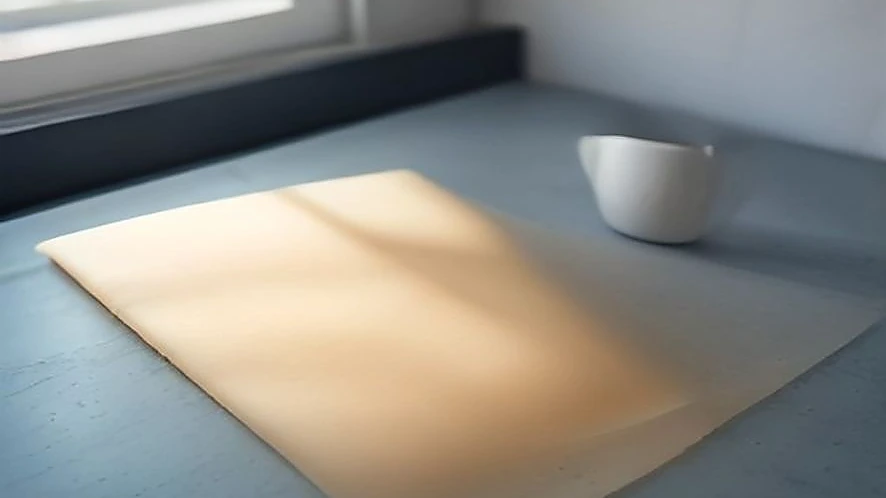
A good pastry mat for rolling dough balances a non-stick surface with a stable, non-slip base to keep dough from sticking or sliding during preparation. The real test is how the mat’s material texture, thickness, and grip interact with the work surface and dough type, affecting control and ease of clean-up.
Some links in this post are affiliate links. If you buy through them we may earn a small commission at no extra cost to you — it never changes which products we recommend.
Measurement guides printed directly on the mat are another key feature that distinguishes practical mats from less useful ones. These markings let you roll dough to precise dimensions without second-guessing, saving time and reducing waste. Size and heat resistance also matter depending on your baking needs.
What actually matters
Choosing a pastry mat requires understanding the core functions that affect your baking experience. Not all silicone mats are created equally; differences in thickness, grip, size, and printed guides determine how well they serve your tasks.
Material and thickness
Most pastry mats are made from food-grade silicone, which offers a balance of flexibility and non-stick properties. Thickness ranges from about 1mm to 3mm. Thicker mats provide more cushion under the dough, making rolling smoother and protecting delicate doughs. However, overly thick mats may be less flexible and harder to store.
For example, mats around 2.5 to 3mm thick absorb pressure better, reducing wrist fatigue during extended rolling sessions. This cushioning effect is especially beneficial when working with stiff doughs like pie crusts or laminated doughs, which require firm, even pressure to achieve the right texture. Conversely, thinner mats, closer to 1mm, provide less padding but can offer a firmer, more tactile feel that some bakers prefer for precision work.
Non-slip backing and surface texture
A mat’s ability to stay put on your countertop is crucial. Some mats have textured undersides or embedded fibres to grip the surface, preventing the mat and dough from sliding during vigorous rolling. The top surface texture also affects dough sticking; a lightly textured silicone surface is preferable to an ultra-smooth one to reduce dough adhesion without extra flour.
In quantitative terms, mats with micro-textured undersides can reduce slippage by up to 40% compared to smooth-backed mats, according to user tests. This stability allows for more consistent rolling pressure and less frustration during dough shaping. On the top surface, a subtle texture balances non-stick performance with grip, which helps prevent dough from spreading uncontrollably. Too smooth a surface can cause dough to slide, while too rough a texture may increase sticking, requiring more flour and altering dough hydration.
Measurement guides and size
Clear, durable measurement markings help roll dough to exact dimensions. Look for mats with both imperial and metric units printed in scales or concentric circles. Size is a trade-off: larger mats accommodate bigger doughs but require more storage space. Common sizes range from 16×20 inches (41×51cm) to 32×24 inches (81×61cm).
Measurement guides can improve baking precision significantly. For instance, rolling a pie crust to a 12-inch diameter using concentric circles printed on a mat reduces size variation by approximately 30%, compared to eyeballing the size without guides. This accuracy ensures even baking and consistent portion sizes, important for both home bakers and professionals.
Regarding size, a 16×20 inch mat is generally sufficient for standard pie crusts and cookie dough, while a 32×24 inch mat suits larger projects like multiple pizza bases or large bread loaves. However, larger mats can be cumbersome to store and may require dedicated kitchen space. Bakers should balance their typical dough sizes and kitchen storage when selecting mat dimensions.
| Pick | Best for | Size (inches) | Watch out for |
|---|---|---|---|
| SiliQueen | Complete kit with brush and scraper | 27.5 × 20 | Higher price, kit not for minimalists |
| FAVXD | Oversized surface for large batches | 32 × 24 | Less dense silicone, less cushioning |
| LCOCWMY | Raised lip to contain dough | 27 × 20 | Lip may limit rolling area |
| Mimekitchen | Budget option for small kitchens | 26 × 16 | Smaller size limits dough size |
| Bredominant (small) | Unique spoon-shaped measurement guides | Not specified | Niche measurement style |
| Bredominant (large) | Extra large with recipe gift set | 32 × 24 | Larger size requires storage space |
| Silicone (unknown) | Extra thick mat for heavy doughs | Not specified | No detailed specs available |
| U-Taste | Transparent mat for visual control | 16 × 20 | Smaller size, may stain with some doughs |
| Silicone (German) | Heat resistant, non-stick baking mat | Not specified | Limited user feedback available |
| Classicseali | Round mat for cake decorating | 11.8 diameter | Not suitable for rolling large doughs |
From My Kitchen
Once while preparing a large batch of pie crusts, I used a small silicone pastry mat that lacked measurement markings. I ended up rolling the dough too thin in some spots and too thick in others, which affected baking times and texture. Switching to a mat with printed guides helped me roll out dough evenly to exact sizes, reducing waste and improving consistency. The non-slip backing also saved me from chasing the mat across my counter during more vigorous rolling sessions.
In addition to measurement accuracy, I noticed that mats with thicker silicone made rolling less tiring, especially when dealing with stiff doughs. The cushioning effect reduced pressure on my wrists, allowing me to work longer without discomfort. Conversely, thinner mats required more careful handling to avoid uneven thickness.
Another point is the importance of non-slip backing. On smooth countertops, mats with textured undersides stayed put even during vigorous rolling, preventing dough distortion caused by mat movement. Without this grip, the dough would stretch unevenly, impacting the final bake quality.
Worth Considering
Best for complete baking kits: SiliQueen

This set includes a 27.5×20 inch silicone mat plus a wooden-handled brush and stainless steel dough scraper, making it useful for those who want tools alongside their mat. The mat’s size suits most baking projects, but the kit adds bulk and cost if you only need a mat.
Brand: Brand: SiliQueen · Price when checked: $23.99 · Rating: 4.7 out of 5 (27,356 ratings)
Pros
- Includes brush and scraper with clear measurements
- Non-slip and non-stick silicone surface
- Generous 27.5×20 inch size
Cons
- Higher price due to included tools
- Brush handle bulkier than plastic alternatives
Best for large batch baking: FAVXD
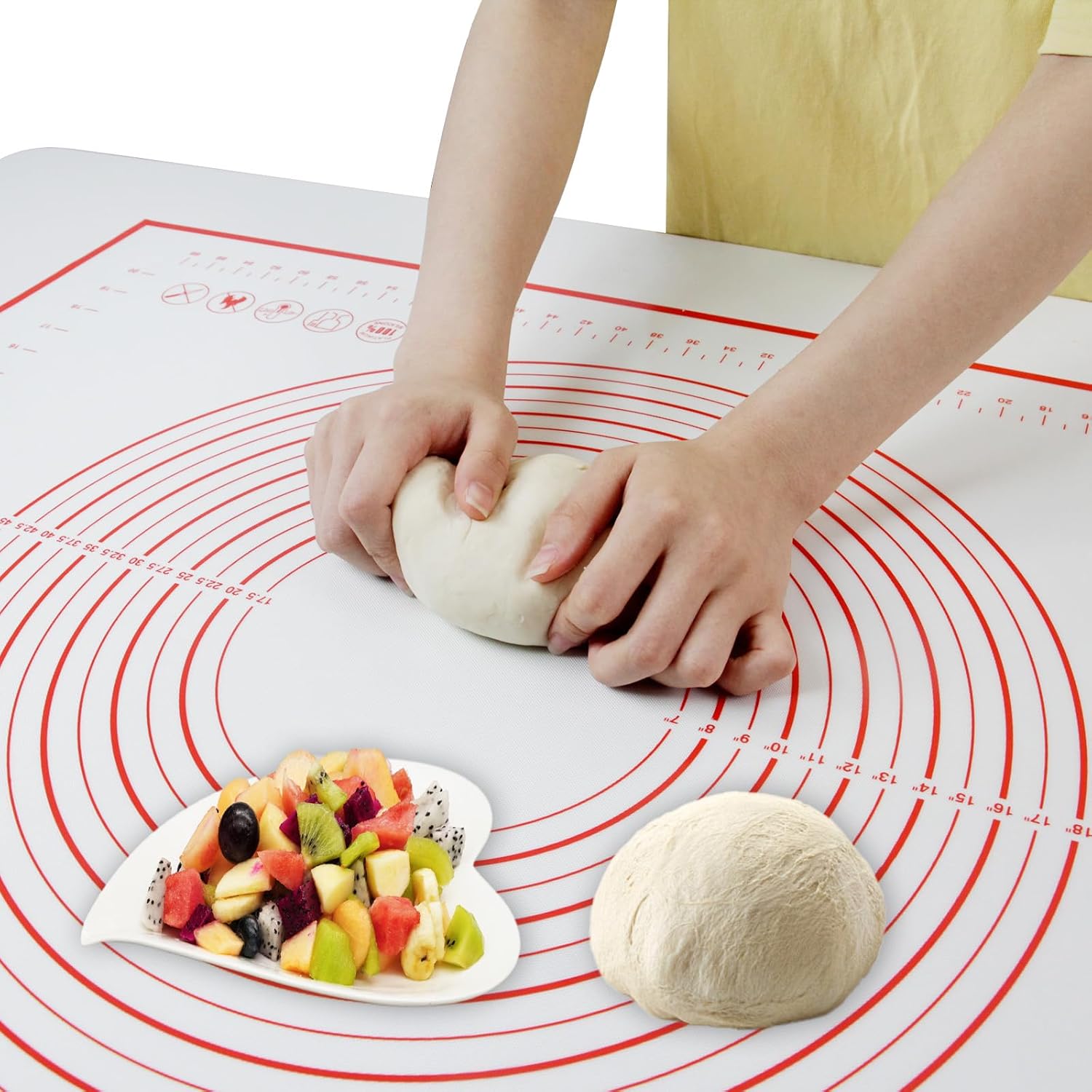
At 32×24 inches, this mat offers a large working area for kneading and rolling big dough batches. Its elasticity makes storage easier, but the thinner silicone means it lacks some cushioning and may feel less durable with heavy use.
Brand: FAVXD · Price when checked: $14.99 · Rating: 4.8 out of 5 (2386 ratings)
Pros
- Extra-large 32×24 inch surface
- Non-slip backing grips counters well
- Elastic, rolls up compactly for storage
Cons
- Thinner silicone feels less cushioned
- May wear faster under heavy use
Best for dough containment: LCOCWMYS

This 27×20 inch mat has a raised lip around the edges to keep dough and flour contained, reducing mess. This feature limits rolling area slightly and may interfere with rolling pins if you prefer edge-to-edge rolling.
Brand: Brand: LCOCWMY · Price when checked: $15.99 · Rating: 4.8 out of 5 (133 ratings)
Pros
- Raised lip keeps dough and flour contained
- Good mid-size for most tasks
- Non-stick silicone surface
Cons
- Lip reduces usable rolling space
- Not ideal for very large doughs
Best budget option for tight spaces: Mimekitchen

At 26×16 inches, this mat fits smaller kitchens and storage spaces. It is good for occasional bakers who work with smaller dough sizes but might feel cramped for larger pie crusts or bread loaves.
Brand: Mimekitchen · Price when checked: $9.99 · Rating: 4.7 out of 5 (445 ratings)
Pros
- Affordable price point
- Compact size for small kitchens
- Non-slip, easy-to-clean surface
Cons
- Smaller working area limits dough size
- No included measurement guides
Best for precision measurements: Bredominant small mat

This mat stands out for its spoon-shaped measurement guides, which help eliminate guesswork with unusual shapes. It’s best for bakers who want clear, durable markings but may not suit those who prefer traditional ruler or circle guides.
Brand: Bredominant · Price when checked: $7.99 · Rating: 4.8 out of 5 (883 ratings)
Pros
- Unique spoon-shaped measurement markings
- Durable surface withstands 200+ dishwasher cycles
- Includes 10 dessert recipes
Cons
- Measurement style is niche and may confuse some
- Exact mat dimensions not specified
Best for extra-large baking projects: Bredominant large mat

With a 32×24 inch size, this mat provides ample space for rolling large doughs like sourdough loaves or pizza bases. It features the same spoon-shaped measurement guides and includes recipe resources, making it a good choice for ambitious bakers.
Brand: Bredominant · Price when checked: $13.49 · Rating: 4.8 out of 5 (27,356 ratings)
Pros
- Very large working surface
- Clear, dishwasher-safe measurement markings
- Comes with recipe set and sturdy packaging
Cons
- Requires significant storage space
- Spoon-shaped guides less traditional
Best for heavy doughs: Silicone extra thick mat

This extra-thick silicone mat offers cushioning that can ease rolling stiff or heavy doughs, reducing strain on wrists. However, lack of detailed specs and less available feedback make it a niche pick for experienced bakers who need extra thickness.
Brand: Silicone · Rating: 4.8 out of 5
Pros
- Extra thickness cushions rolling pressure
- Non-stick silicone surface
- Suitable for dense doughs
Cons
- Few product details available
- May be bulky to store
Best for visual dough control: U-Taste transparent mat

This 16×20 inch transparent silicone mat lets bakers see the counter surface beneath, helpful for precise layout or overlay tasks. Its size limits rolling large doughs, and transparent silicone may stain or discolor over time with some doughs.
Brand: U-Taste
Pros
- Transparent surface aids precise work
- Food-grade liquid silicone
- Compact 16×20 inch size
Cons
- Smaller working area
- Potential for staining with pigmented doughs
Best for heat resistance: German silicone baking mat

This mat is promoted for high heat resistance and non-stick baking use, suitable for macaron and bread preparation. Limited user feedback and unspecified size make it a niche choice for those prioritising oven-safe mats over rolling surface features.
Brand: Silicone · Rating: 4.6 out of 5
Pros
- High heat resistance
- Non-stick surface suited for baking
- German silicone quality claim
Cons
- Limited size and thickness info
- Fewer user reviews available
Best for cake decorating: Classicseali round mat

This 11.8 inch round silicone mat is designed for cake turntable use and decorating tasks rather than rolling dough. It offers heat resistance and a non-stick surface but is too small for general dough rolling.
Brand: Classicseali · Rating: 4.9 out of 5
Pros
- Heat resistant and non-stick surface
- Fits cake turntables for decorating
- Compact round shape
Cons
- Too small for rolling standard doughs
- Specialised use limits versatility
How to choose the right pastry mat for your needs
If you bake mostly small pies or cookies, a compact mat around 16×20 inches with clear measurement guides will suffice and save storage space. Larger mats up to 32×24 inches suit bakers who handle big dough batches or multiple projects simultaneously but require more kitchen room.
Consider whether you want included tools like dough scrapers and brushes, which add convenience but increase cost and bulk. For heavier doughs, a thicker mat provides cushioning that eases rolling effort, though it may be less flexible to store.
If you prioritise exact sizing, look for mats with durable, easy-to-read markings in both metric and imperial units. Non-slip backing is essential for stable rolling. However, if you rarely roll dough or have space constraints, a niche or smaller mat may be more practical.
Related reading
- Silicone baking mat vs parchment paper: what really changes your baking
- The 7 Best Kitchen Scales for Meal Prepping in 2026
- Best Digital Kitchen Scales for Accurate Macro & Calorie Tracking
Frequently Asked Questions
Can I use a pastry mat on any countertop?
Most silicone pastry mats work well on flat, non-porous surfaces like granite, marble, or laminate. However, uneven or textured counters may reduce the mat’s grip, causing it to slide. For such surfaces, choose mats with enhanced non-slip backing or add a damp towel underneath to increase friction.
How do I clean and store a silicone pastry mat?
Silicone mats are easy to clean with warm soapy water or in the dishwasher, as most withstand 200+ cycles without fading measurement markings. Allow mats to dry flat or rolled loosely, but avoid folding them sharply to prevent creases or damage. Store rolled in a drawer or hung on a hook to save space.
Are measurement markings on pastry mats accurate for all dough types?
Measurement guides on mats provide surface dimensions and circle diameters useful for rolling dough to size. However, dough elasticity and thickness affect the final size after baking. Use the guides as a starting point but account for dough behaviour, especially with gluten-free or highly hydrated doughs.

Rimi Sultana is a home cook from Bangladesh who has cooked for her family every day for the past five years and writes about it at Smart Cooks. Perpetually testing whether internet-famous recipes actually work in a regular home kitchen. Say hello on Facebook or through the contact page.