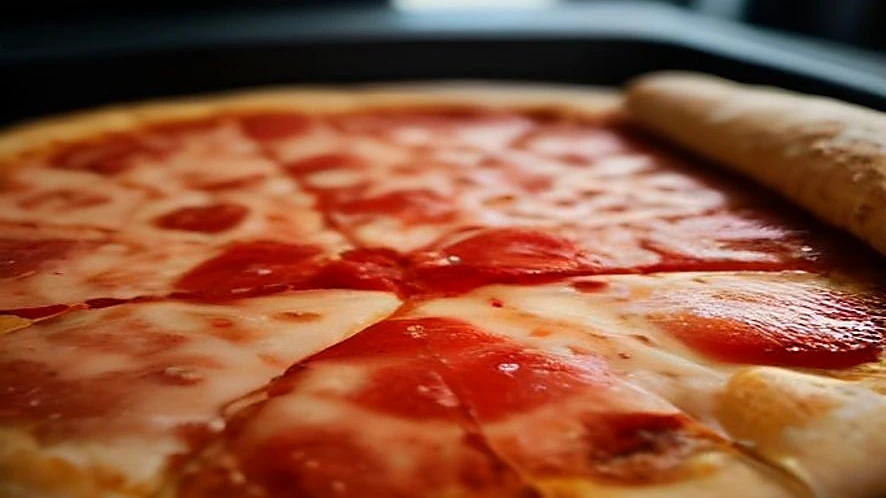
A good pizza steel for Neapolitan-style pizza is defined by how well it replicates the high heat and rapid thermal transfer of a traditional wood-fired pizza oven. Unlike pizza stones, steels conduct heat faster because steel has about 15 times the thermal conductivity of ceramic, allowing the dough to crisp quickly while maintaining a tender crumb inside.
Some links in this post are affiliate links. If you buy through them we may earn a small commission at no extra cost to you — it never changes which products we recommend.
Thickness, size, and surface finish are crucial because they determine how much heat the steel stores and how evenly it transfers that heat to the dough. A steel that is too thin cools down too fast, resulting in uneven cooking, while one that is too thick takes longer to preheat and may be unwieldy in a home oven.
What actually matters
To choose the right pizza steel for Neapolitan pizza at home, focus on three main technical aspects: heat retention and transfer, size and thickness, and surface maintenance.
Heat retention and transfer are critical because the steel must quickly transfer intense heat to the dough to mimic the 900°F+ (482°C+) stone floor of a wood-fired oven. Steel’s thermal conductivity is approximately 50 W/m·K, compared to about 3 W/m·K for ceramic stones, enabling much faster heat transfer. However, this benefit depends heavily on thickness; a steel that is too thin lacks the thermal mass to maintain heat after placing cold dough, causing the temperature to drop rapidly and prolonging bake times. For example, a 1/4″ (6mm) thick steel typically weighs around 10-12 lbs in a 16″ x 16″ size and stores enough heat for a quick recovery, while a 3/8″ (9.5mm) thick steel can weigh nearly double, around 20-27 lbs, offering superior heat retention and more consistent bottom heat throughout the bake.
Size and thickness must be balanced with your oven’s capacity and your handling preferences. Larger steels provide more even heat distribution over the pizza surface, reducing hot spots and ensuring uniform crust development. However, larger and thicker steels require longer preheat times—often 45 minutes or more at maximum oven temperature—to reach optimal thermal equilibrium. Preheating a 3/8″ thick steel can take upwards of 60 minutes in a standard home oven set to 500°F (260°C), whereas a thinner 1/4″ steel might heat sufficiently in 30-40 minutes. Additionally, the weight of a thick steel can pose handling challenges; for instance, a 27.5 lb steel requires careful placement and removal to avoid injury or oven damage.
Surface finish and maintenance also have practical consequences. Steels with a smooth or lightly textured surface offer easy dough release and are less prone to cracking compared to ceramic stones. However, the high iron content makes them susceptible to rust if not properly cared for. Pre-seasoned steels come with an oil coating baked into the surface, which helps prevent oxidation and improves non-stick properties. Regular maintenance involves avoiding soap, which can strip seasoning, and instead wiping with a damp cloth or scraper followed by thorough drying and occasional oiling. Failure to maintain the seasoning can lead to rust spots that degrade the steel’s performance and longevity.
Heat retention and transfer
Steel’s high thermal conductivity means it can quickly deliver intense bottom heat to the dough, mimicking the effect of a 900°F+ (482°C+) stone floor in a wood-fired pizza oven. However, the steel must be thick enough to store sufficient heat to avoid a drop in temperature when the cold dough hits the surface. Typical thicknesses range from 1/4″ (6mm) to 3/8″ (9.5mm). Steels thinner than 1/4″ cool too fast, causing uneven bake and longer cook times.
In practical terms, a 3/8″ thick steel can maintain a surface temperature drop of less than 10°F (5.5°C) during a typical 90-second bake cycle, ensuring consistent crust formation and rapid oven spring. In contrast, a thinner 1/4″ steel may see temperature drops of 20-30°F (11-17°C), resulting in slower cooking and less characteristic blistering.
Size and thickness
The steel’s dimensions need to fit comfortably inside your home oven while providing enough surface area to bake a 12″ or larger Neapolitan pizza. Larger steels spread heat more evenly but take longer to preheat. Thickness affects weight and preheat time: a 3/8″ thick steel weighs nearly twice as much as a 1/4″ one, affecting ease of handling. Choose the size and thickness that balance your oven space, weight tolerance, and baking style.
For example, a 16″ x 16″ steel at 3/8″ thickness can weigh around 27.5 lbs, requiring careful handling and oven racks rated for heavy loads. In contrast, a 1/4″ thick steel of the same size weighs about 14 lbs, easier to maneuver but with less heat storage. Preheat times also differ: expect 45-60 minutes for a thick steel versus 30-45 minutes for a thinner one at the maximum oven temperature. These factors influence how quickly you can bake multiple pizzas and the consistency of your results.
Surface finish and maintenance
Unlike ceramic stones, steels generally have a smooth or lightly textured surface that resists cracking but can be prone to rust if not cared for. Some come pre-seasoned with oil coatings that protect against rust and improve release of pizza dough. Cleaning usually involves wiping with a damp cloth or scraper; soap is avoided as it can degrade seasoning. A smooth surface helps prevent sticking but requires regular drying and oiling.
Rust prevention is crucial because steel is prone to oxidation when exposed to moisture and air. A thin layer of polymerized oil, applied after each use while the steel is still warm, forms a protective barrier. Neglecting this step can lead to rust spots that not only mar the appearance but also create rough patches that impede dough release. Over time, repeated seasoning builds a durable patina that improves performance and longevity.
Choosing between pizza steels
Select a pizza steel based on your oven size, weight tolerance, and cooking style. Thicker steels provide better heat retention for authentic Neapolitan baking but require more preheat time and are heavier to handle. If you bake frequently and value ease of maintenance, a pre-seasoned or easy-clean steel like the Hans Grill option may suit you better. Those with compact ovens or who prefer smaller pizzas might opt for the NerdChef Speed Steel with its integrated handles and manageable size.
Consider also whether a traditional steel fits your needs or if a countertop electric oven like the CHEFMAN, which includes its own heating system and preset modes, is more convenient. Avoid steels that are too thin as they cool too quickly and can yield uneven cooking, especially with high-hydration dough typical in Neapolitan pizzas.
If you rarely bake pizza or lack the oven space to preheat a heavy steel, investing in one may not be worthwhile. In such cases, focusing on good dough technique and a quality pizza stone or pan might be preferable.
From a practical standpoint, the trade-offs between heat retention, weight, and preheat time should guide your choice. For instance, a home baker aiming for consistent Neapolitan results might accept the longer preheat and heavier weight of a 3/8″ steel, appreciating its ability to deliver a crisp, leopard-spotted crust in under 5 minutes. Conversely, casual bakers or those with smaller ovens may prioritize ease of handling and quicker heat-up, choosing a 1/4″ steel or a smaller model with integrated handles. Maintenance preferences also matter: pre-seasoned steels reduce upkeep but sometimes at the expense of surface texture, affecting dough release.
Ultimately, understanding the thermal physics and practical handling of pizza steels allows you to match the product to your baking environment and goals, ensuring the best possible Neapolitan pizza experience at home.
| Pick | Best for | Thickness | Watch out for |
|---|---|---|---|
| ThermiChef 16″ x 16″ Pizza Steel | Large family pizzas and steady heat | 3/8″ (9.5mm), 27.5 lbs | Heavy and slow to preheat |
| Pizza Steel PRO by Hans Grill | Easy maintenance and versatility | 1/4″ (6mm) | Surface can show scratches |
| NerdChef Speed Steel | Fast heating and handling | Not specified, integrated handles | Smaller size limits pizza diameter |
| doppio LIVING Pre-Seasoned Steel | Pre-seasoned for rust resistance | 1/4″ (6mm) | Limited ratings, less common brand |
| CHEFMAN Indoor Pizza Oven | Rapid countertop pizza cooking | N/A (electric oven with stone) | Not a standalone steel, niche use |
From my kitchen
Once, I tried baking a Neapolitan pizza on a very thin steel I’d borrowed from a friend. The dough stuck badly and the base took too long to crisp, resulting in a soggy centre after 7 minutes at 500°F (260°C). I switched to a 3/8″ thick steel that took longer to preheat but retained heat much better. Once the steel was hot enough, the pizza slid off easily, baked evenly in under 5 minutes, and developed the characteristic leopard spotting on the crust. This experience highlighted that thickness and thermal mass cannot be compromised if you want authentic results.
Worth Considering
Best for pre-seasoned rust resistance: doppio LIVING Pre-Seasoned Steel

This steel is pre-seasoned, reducing the risk of rust and making maintenance easier for those who dislike constant oiling. It has a standard 1/4″ thickness suitable for home ovens but offers less thermal mass than thicker steels. Not ideal if you need a very heavy steel or one with extensive user reviews.
Brand: doppio LIVING · Price when checked: $99.97 · Rating: 4.7 out of 5
Pros
- Pre-seasoned to prevent rust
- Standard 1/4″ thickness balances heat retention and weight
- Good surface for dough release
Cons
- Relatively new with limited user feedback
- Slightly smaller size than some competitors
Best for large pizzas and steady heat: ThermiChef 16″ x 16″ Pizza Steel

At 3/8″ thick and 27.5 lbs, this steel stores significant heat, providing consistent bottom heat to bake larger Neapolitan pizzas evenly. The weight demands care when handling and preheating takes longer, so it suits those willing to trade convenience for performance.
Brand: THERMICHEF · Price when checked: $103.99 · Rating: 4.5 out of 5 (3957 ratings)
Pros
- Thick 3/8″ steel stores ample heat
- Large 16″ x 16″ size fits most home ovens
- Highly rated for consistent baking
Cons
- Heavy and cumbersome to move
- Long preheat times required
Best for easy maintenance and versatility: Pizza Steel PRO by Hans Grill

This 1/4″ thick steel offers a smooth surface that wipes clean with water alone, avoiding soap which can damage seasoning. Versatile for oven and BBQ use, it appeals to users prioritising straightforward cleaning and multi-use capability but may not suit those seeking maximum thermal mass.
Brand: Hans Grill · Price when checked: $84.99 · Rating: 4.5 out of 5 (768 ratings)
Pros
- Smooth surface cleans easily with water
- Good for oven and BBQ cooking
- 1/4″ thickness balances heat and weight
Cons
- Surface may scratch with heavy use
- Less heat retention than thicker steels
Best for quick heating and handling: NerdChef Speed Steel

With integrated handles and a backstop, this steel is designed for fast heat-up and easy pizza placement. Its smaller size (13.5″ x 14.5″) limits pizza diameter but suits compact ovens or those who bake smaller pies. The specialized design is less versatile for larger pizzas.
Brand: NerdChef · Rating: 4.5 out of 5 (229 ratings)
Pros
- Integrated handles and backstop for ease
- Heats up faster due to smaller size
- Good for smaller ovens and quick baking
Cons
- Limited to smaller pizza sizes
- Less thermal mass for long bakes
Best for rapid countertop pizza cooking: CHEFMAN Indoor Pizza Oven

This countertop electric pizza oven uses commercial heating elements reaching up to 800°F (427°C) and includes a pizza stone but is not a standalone steel. It offers preset cooking modes for Neapolitan pizza and rapid cook times but requires space and power, making it a niche choice rather than a general pizza steel.
Brand: Chefman · Price when checked: $199.99 · Rating: 4.3 out of 5 (37 ratings)
Pros
- Reaches high temperatures up to 800°F (427°C)
- Multiple pizza presets including Neapolitan
- Compact countertop design
Cons
- Not a traditional pizza steel, uses heating elements
- Requires electricity and countertop space
Choosing between pizza steels
Select a pizza steel based on your oven size, weight tolerance, and cooking style. Thicker steels provide better heat retention for authentic Neapolitan baking but require more preheat time and are heavier to handle. If you bake frequently and value ease of maintenance, a pre-seasoned or easy-clean steel like the Hans Grill option may suit you better. Those with compact ovens or who prefer smaller pizzas might opt for the NerdChef Speed Steel with its integrated handles and manageable size.
Consider also whether a traditional steel fits your needs or if a countertop electric oven like the CHEFMAN, which includes its own heating system and preset modes, is more convenient. Avoid steels that are too thin as they cool too quickly and can yield uneven cooking, especially with high-hydration dough typical in Neapolitan pizzas.
If you rarely bake pizza or lack the oven space to preheat a heavy steel, investing in one may not be worthwhile. In such cases, focusing on good dough technique and a quality pizza stone or pan might be preferable.
From a practical standpoint, the trade-offs between heat retention, weight, and preheat time should guide your choice. For instance, a home baker aiming for consistent Neapolitan results might accept the longer preheat and heavier weight of a 3/8″ steel, appreciating its ability to deliver a crisp, leopard-spotted crust in under 5 minutes. Conversely, casual bakers or those with smaller ovens may prioritize ease of handling and quicker heat-up, choosing a 1/4″ steel or a smaller model with integrated handles. Maintenance preferences also matter: pre-seasoned steels reduce upkeep but sometimes at the expense of surface texture, affecting dough release.
Ultimately, understanding the thermal physics and practical handling of pizza steels allows you to match the product to your baking environment and goals, ensuring the best possible Neapolitan pizza experience at home.
Related reading
- 10 Best Kitchen Countertops: Durable & Stylish Options for Your Home
- Best Home Water Carbonator Systems: Top SodaStream Alternatives
- Best Kitchen Table Finishes: Durable & Protective Options
Frequently Asked Questions
What thickness pizza steel is best for Neapolitan pizza?
For Neapolitan pizza, a pizza steel thickness between 1/4″ (6mm) and 3/8″ (9.5mm) is ideal. Thicker steels hold more heat, ensuring rapid bottom heat transfer that crisps the dough quickly and creates the characteristic blistered crust. Steels thinner than 1/4″ cool too fast when the dough is placed, resulting in longer bake times and less even cooking.
How do I maintain and clean a pizza steel to prevent rust?
To maintain a pizza steel, avoid using soap or detergent as they can remove the seasoning layer. Instead, scrape off food residue with a metal spatula or scraper, then wipe with a damp cloth and dry thoroughly. To prevent rust, apply a thin coat of cooking oil while the steel is warm. Store it in a dry place and avoid leaving moisture on the surface after use.
Can I use a pizza steel in a regular home oven?
Yes, pizza steels are designed to work in conventional home ovens. Ensure the steel fits comfortably on your oven rack with space around it for air circulation. Preheat the oven with the steel inside for at least 45 minutes at the highest temperature your oven allows (usually between 500°F to 550°F / 260°C to 288°C) to maximize heat retention before baking your pizza.

Rimi Sultana is a home cook from Bangladesh who has cooked for her family every day for the past five years and writes about it at Smart Cooks. Perpetually testing whether internet-famous recipes actually work in a regular home kitchen. Say hello on Facebook or through the contact page.