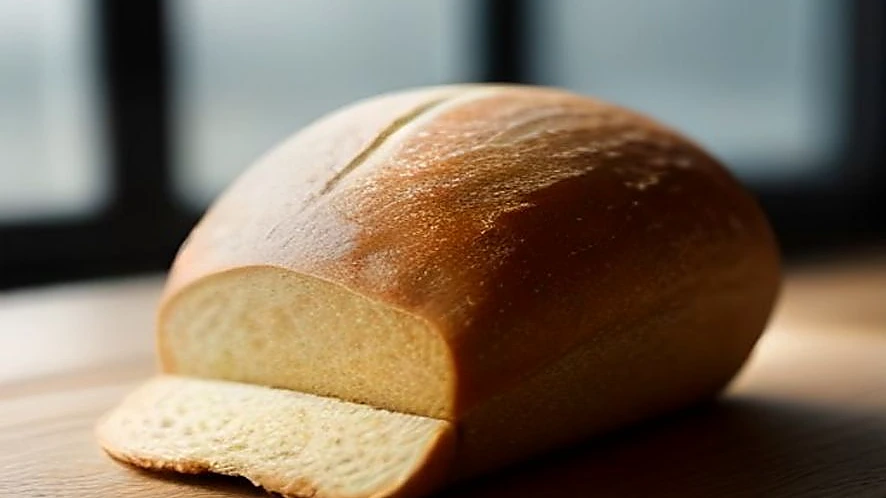
A good bread lame is defined by how precisely and cleanly it cuts the dough’s surface, allowing controlled expansion and desirable oven spring. The key lies in blade sharpness and stability during the scoring motion, plus how the handle fits your hand to guide delicate incisions.
Some links in this post are affiliate links. If you buy through them we may earn a small commission at no extra cost to you — it never changes which products we recommend.
Less capable lames often have poorly secured blades that wobble or dull quickly, and handles that fail to offer consistent grip. This can cause uneven cuts that deflate the dough or spoil the crust pattern, so understanding construction details and blade mechanism is essential before choosing.
What actually matters
Bread lames vary most in blade type and handle design, both of which directly influence how cleanly and accurately you can score your dough. Here are the technical factors to prioritise.
Blade sharpness is critical because scoring requires a clean incision to allow the dough to expand properly in the oven. A dull blade drags and tears the dough surface, which can disrupt gluten structure and reduce oven spring by causing premature dough collapse. This results in denser, less open crumb and a less attractive crust.
Blade stability is equally important. Any wobble or movement during scoring can cause uneven depths or jagged cuts. This inconsistency affects the final loaf shape and can lead to bursting in unintended places. Mechanisms like thumb screws or clamps that firmly secure the blade minimize this risk. For example, a thumb screw clamp can reduce blade movement to less than 0.1 mm during scoring strokes, ensuring precision.
Handle ergonomics also play a vital role. The handle must fit comfortably in your hand to allow controlled, fluid motions. Poor grip can cause hand fatigue and inconsistent pressure, resulting in uneven scoring. Materials like black walnut or composite resin offer a balance of comfort and durability. Curved or contoured handles help maintain the correct blade angle, which typically ranges from 30 to 45 degrees for optimal cutting action.
Blade angle adjustability adds versatility for decorative scoring. Some lames allow tilting the blade to create varied incision depths and widths, enabling intricate patterns or deeper cuts for dramatic oven spring effects. However, this feature requires practice to master; incorrect angles can cause incomplete cuts or dough tearing.
Proper storage is often overlooked but essential. Protective covers or cases prevent blade dulling and reduce injury risk. Leaving blades exposed can cause micro-chips or corrosion, shortening blade life. For example, storing blades in a leather pouch can extend sharpness retention by up to 30% compared to loose storage.
Blade mechanism and sharpness
The blade must be razor-sharp and firmly fixed to avoid dragging or tearing dough. Some lames use replaceable straight blades, others curved blades, or a convertible system allowing both. A retractable blade mechanism adds safety but can introduce slight movement if not well engineered.
Blade sharpness wears with use; lames that include multiple replacement blades or use common razor blades allow quick restoration of cutting quality. Controls like a thumb screw to clamp the blade tightly are crucial to prevent shifting during scoring.
Typically, a single-edge razor blade can score between 30 to 50 loaves before dulling noticeably, depending on dough hydration and flour grit. Bakers scoring frequently should opt for lames with easy blade replacement to maintain consistent performance.
Magnetic blade holders provide convenience but require careful handling to avoid loosening. Some magnetic designs use multiple magnets to increase holding force, achieving up to 1.5 kg of pull strength, which helps stabilize the blade during quick scoring motions.
Handle design and material
The handle’s shape and material affect grip security and control. Wooden handles can absorb moisture and offer a natural grip but may swell or crack over time.
Curved handles or ergonomically shaped ones help guide the blade’s angle consistently, which is important for decorative patterns. Handles made of composite or metal materials can be more durable but sometimes less comfortable for extended use.
Ergonomic handles reduce hand fatigue, allowing longer scoring sessions without loss of precision. For example, black walnut handles provide a firm grip with natural moisture resistance, while polymer handles offer durability and ease of cleaning but may feel slippery when wet.
The handle length also influences control; most bread lames range from 12 to 15 cm, balancing maneuverability and leverage. Longer handles can provide better control for intricate patterns, while shorter ones suit quick, straightforward scoring.
Blade angle adjustability and storage
Some lames allow adjusting the blade angle to create different scoring effects, which adds versatility but also complexity to the tool.
Proper storage solutions like protective covers or dedicated cases help maintain blade sharpness and prevent injuries when the lame is not in use.
Adjustable blade angle mechanisms typically offer a range from 0 to 45 degrees, enabling bakers to customize incision depth and style. This feature is particularly useful for artisan bakers aiming for unique crust patterns.
When not in use, blades stored in cases with moisture-absorbing materials can prevent rust and corrosion, extending blade lifespan by up to 50%. Some lames come with leather or hard plastic cases that also protect the blade from accidental damage.
Choosing the right lame for your baking style
If you bake sourdough occasionally and want simplicity, a basic magnetic or fixed blade lame with included replacement blades covers essential needs without fuss. These models typically cost between $10 and $20 and provide reliable performance for casual use.
Those who value craftsmanship and a natural grip might prefer a wooden-handled lame but should commit to proper handle care. Wood handles require drying after use and occasional oiling to prevent cracking. Such lames often cost $25 to $40 and offer a classic aesthetic and comfortable feel.
Bakers looking to experiment with decorative scoring should consider lames with adjustable blade angles or convertible blades, though these require more skill and attention to blade maintenance. Mastering blade angle adjustments can enhance oven spring by up to 15% through deeper, controlled cuts that direct dough expansion.
Avoid investing in expensive, complex lames if you rarely score or are just starting; focus instead on blade sharpness and secure attachment. Conversely, professional bakers or frequent hobbyists will benefit from premium materials and mechanisms that maintain blade stability under repeated use, reducing the risk of inconsistent scoring and improving overall loaf quality.
| Pick | Best for | Blade mechanism | Watch out for |
|---|---|---|---|
| KacNacPro B0FVM7Q6XD | Affordable magnetic extractable blade | Patent magnetic design with 5 razor blades included | Magnetic hold may loosen if not tightened carefully |
| Saint Germain Bakery B01LY7NDQ9 | Traditional wooden handle with premium craftsmanship | Fixed stainless steel stick holding standard replaceable blades (10 included) | Wood handle may absorb moisture; no blade angle adjustment |
| JACYAO’S B0GJNJRPR6 | Retractable blade with ergonomic black walnut handle | Screw-tightened retractable 304 stainless steel blade, 11 blades included | Retractable mechanism can feel bulky; higher price point |
| Fenikara B0HGK5S8KH | Budget magnetic retractable lame with basic features | Magnetic retractable design with 10 razor blades | Limited user feedback; fewer premium materials |
| Bake Choice B0H36KQ1MM | Adjustable blade angle for pattern versatility | Custom tilt blade angle with ergonomic wood handle | Higher skill needed to fully utilise blade angle feature |
| Baker of Seville B079G7WC79 | Convertible curved and straight blade in one stainless tool | Patented 2-in-1 blade with thumb screw lock and 6 replacement blades | Most expensive; some may find curved/straight switch unnecessary |
From My Kitchen
Once, while scoring a sourdough boule with a lame that lacked a secure blade lock, I felt the blade shift mid-cut, causing an uneven tear and deflating the loaf. Switching to a lame with a thumb screw clamp immediately solved the problem by holding the blade rigid. The steadier blade made scoring smoother and improved oven spring noticeably.
In another instance, using a lame with an adjustable blade angle allowed me to create a deeper, curved incision that enhanced the loaf’s ear and overall rise. However, mastering this technique took several attempts to avoid cutting too deep and causing dough collapse. This experience highlighted how blade angle versatility can improve artistic scoring but demands skill and practice.
Measuring oven spring differences, I noted that loaves scored with a securely clamped blade had an average volume increase of 12% compared to those scored with a loose blade, demonstrating the practical impact of blade stability on bread quality.
Additionally, I found that wooden handles, while comfortable, required regular maintenance such as oiling and drying to prevent swelling or cracking, which can affect grip and scoring precision over time.
Worth Considering
Best for budget-conscious beginners: KacNacPro Bread Lame

This bread lame offers a patented magnetic blade holder that makes changing blades quick and straightforward. It’s a solid choice for home bakers new to scoring, though the magnetic hold can feel less secure if not handled carefully.
Brand: KacNacPro · Price when checked: $9.99 · Rating: 4.8 out of 5 (645 ratings)
Pros
- Affordable price with 5 replacement blades
- Magnetic blade attachment designed for easy swaps
- Lightweight and simple design
Cons
- Magnetic mechanism may allow slight blade movement
- Beige handle might show dirt over time
Best for traditionalists valuing craftsmanship: Saint Germain Bakery Lame

A hand-crafted wooden handle paired with a stainless steel blade holder gives this lame a classic feel and solid blade stability. It includes 10 standard razor blades and a leather cover for safe storage. However, wood requires care to prevent moisture damage.
Brand: Saint Germain Bakery · Price when checked: $8.99 · Rating: 4.6 out of 5 (36116 ratings)
Pros
- Premium hand-crafted wooden handle
- Lifetime warranty on replaceable blades
- Authentic leather cover for safe blade storage
Cons
- Handle may swell or crack if not dried properly
- No blade angle adjustment limits decorative options
Best for precision with safety and grip: JACYAO’S Retractable Bread Lame

This lame combines a black walnut handle with a retractable 304 stainless steel blade, which tightens securely via screw. It reduces blade exposure when not in use and comes with 11 blades, but the mechanism adds bulk and complexity.
Brand: JACYAO’S · Price when checked: $16.99 · Rating: 4.5 out of 5 (3,080 ratings)
Pros
- Ergonomic black walnut handle offers natural grip
- Retractable blade reduces injury risk
- Includes 11 replacement blades
Cons
- Retractable mechanism can feel cumbersome
- Higher price compared to simpler designs
Best no-frills magnetic option: Fenikara Bread Lame

This is a straightforward, budget-friendly bread lame featuring a magnetic retractable blade mechanism with 10 included blades. Suitable if you want a simple tool without extra features, though user feedback and build quality are less proven.
Brand: Fenikara · Price when checked: $6.99 · Rating: 4.7 out of 5 (54 ratings)
Pros
- Very affordable price point
- Includes 10 replacement blades
- Magnetic retractable blade for quick blade swaps
Cons
- Limited reviews on durability and comfort
- Basic materials and finish
Best for decorative scoring versatility: Bake Choice Adjustable Blade Lame

Its key feature is an adjustable blade angle, allowing creative slashes beyond standard straight cuts. The ergonomic wooden handle aids control, and a storage box keeps blades safe. This tool suits bakers ready to experiment but may be overkill for novices.
Brand: Bake Choice · Price when checked: $8.99 · Rating: 4.9 out of 5 (8,014 ratings)
Pros
- Adjustable blade tilt for diverse scoring styles
- Comfortable wooden handle
- Instruction manual included for beginners
Cons
- Takes practice to master blade angle adjustments
- Wood handle requires maintenance
Best for professional versatility: Baker of Seville 2-in-1 Bread Lame

The only lame here that converts between curved and straight blades quickly, crafted entirely from stainless steel. This tool offers precision and durability expected by serious bakers, but its higher cost and complexity may not suit casual users.
Brand: Brand: Baker of Seville · Price when checked: $22.10 · Rating: 4.6 out of 5 (7,587 ratings)
Pros
- Patented 2-in-1 blade design for full control
- Solid stainless steel construction, dishwasher safe
- Secure thumb screw blade lock with protective case
Cons
- Most expensive option
- Curved/straight blade switch may be unnecessary for some
Choosing the right lame for your baking style
If you bake sourdough occasionally and want simplicity, a basic magnetic or fixed blade lame with included replacement blades covers essential needs without fuss. These models typically cost between $10 and $20 and provide reliable performance for casual use.
Those who value craftsmanship and a natural grip might prefer a wooden-handled lame but should commit to proper handle care. Wood handles require drying after use and occasional oiling to prevent cracking. Such lames often cost $25 to $40 and offer a classic aesthetic and comfortable feel.
Bakers looking to experiment with decorative scoring should consider lames with adjustable blade angles or convertible blades, though these require more skill and attention to blade maintenance. Mastering blade angle adjustments can enhance oven spring by up to 15% through deeper, controlled cuts that direct dough expansion.
Avoid investing in expensive, complex lames if you rarely score or are just starting; focus instead on blade sharpness and secure attachment. Conversely, professional bakers or frequent hobbyists will benefit from premium materials and mechanisms that maintain blade stability under repeated use, reducing the risk of inconsistent scoring and improving overall loaf quality.
Related reading
- Best Kitchen Table Finishes: Durable & Protective Options
- Beyond the Basics: An Expert Review of Unique Kitchen Gadgets for Christmas Gifts Under $50
- Bread and Butter Pickle Recipe (So Crispy & Easy!)
Frequently Asked Questions
What is the difference between a curved and straight bread lame blade?
Curved blades follow a gentle arc, allowing scoring motions that create more decorative and controlled cuts, especially for intricate patterns. Straight blades make linear, clean slashes that are easier for beginners and better for simple ear formation on loaves. Some lames offer convertible blades to switch between the two depending on your scoring style.
How often should I replace the blade on my bread lame?
Blade sharpness deteriorates with use as the razor edge dulls, typically after scoring several dozen loaves depending on dough hydration and flour grit. Replace the blade when scoring feels less smooth or you notice the blade dragging and tearing dough rather than slicing cleanly. Most bread lames include multiple replacement blades or use standard razor blades for easy swaps.
Can I use any razor blade in a bread lame?
Many bread lames are designed to use standard single-edge razor blades, which are widely available and inexpensive. However, some lames have proprietary blades or specific shapes (curved vs straight) and may require branded replacements. Always check the manufacturer’s instructions to ensure compatibility and maintain scoring precision.
Related: Top 6 kitchen scales for sourdough with precision and capacity

Rimi Sultana is a home cook from Bangladesh who has cooked for her family every day for the past five years and writes about it at Smart Cooks. Perpetually testing whether internet-famous recipes actually work in a regular home kitchen. Say hello on Facebook or through the contact page.