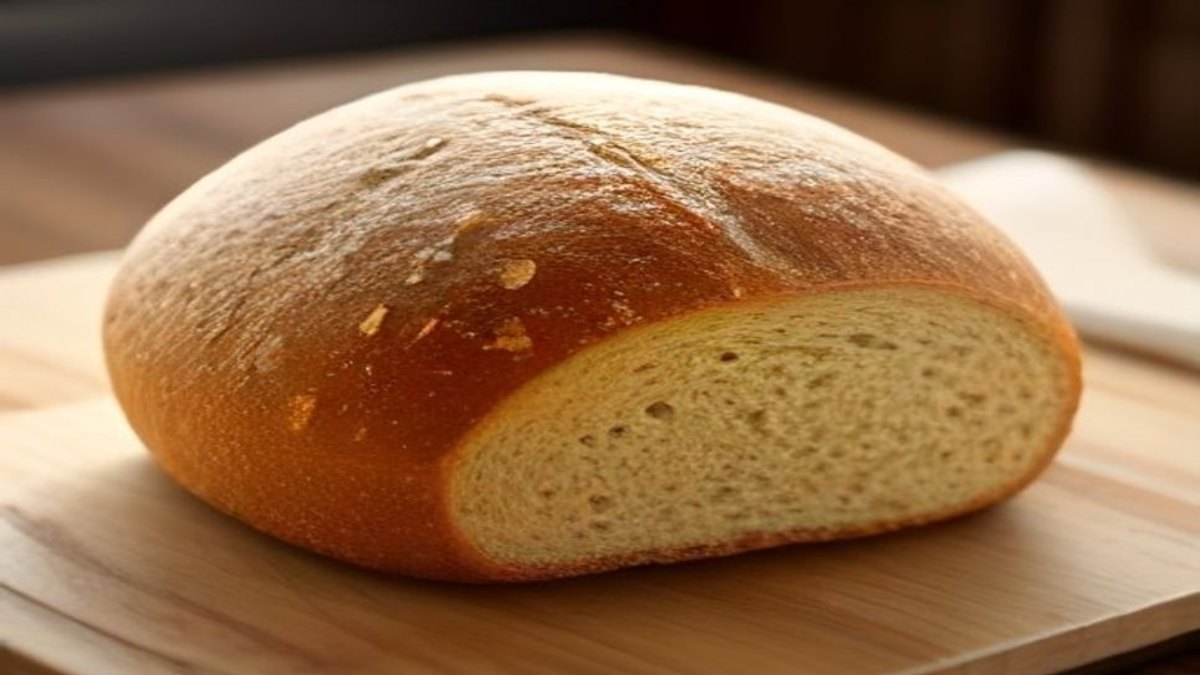
Scoring bread dough before baking controls how the crust expands, but the choice of scoring tool makes a measurable difference. Bread lames and razor blades each have construction and handling traits that influence scoring precision, ease of use, and the appearance of the final loaf.
Some links in this post are affiliate links. If you buy through them we may earn a small commission at no extra cost to you — it never changes which products we recommend.
This comparison looks beyond vague claims and explains the mechanisms behind how these tools cut dough. It also outlines practical pros and cons, so you can decide which suits your baking style and when an alternative method might be better.
Where each one wins
Bread lames excel when you want consistent, repeatable scoring results, especially on larger or multiple loaves. The ergonomic handle and blade angle control mean less hand strain and more precise cuts, which is important for developing the signature ‘ear’ in artisan bread crusts.
Razor blades are useful if you bake infrequently or want a low-cost, no-frills option. They can also be handy for very small scoring jobs or delicate designs if you have good control and a steady hand. However, they require more care to avoid injury and do not provide the same scoring consistency.
If your priority is mastering decorative scoring patterns or you bake often enough to justify a dedicated tool, a bread lame is the better investment. For occasional bakers or those who dislike clutter, a razor blade may suffice but expect a steeper learning curve and less predictability.
Delving deeper into the mechanics, the bread lame’s fixed blade angle—typically between 30 and 45 degrees—allows for a shallow, controlled incision that encourages the dough to expand upward rather than burst unpredictably. This angle is critical because it balances the depth of the cut with the dough’s elasticity. For example, a 35-degree angle with a 2 mm blade depth often yields the ideal ‘ear’ formation on sourdough loaves baked at 230°C (446°F).
In contrast, razor blades held by hand without a handle tend to vary widely in angle and pressure application, leading to inconsistent scores. This inconsistency can cause the dough to either tear excessively or not open enough during oven spring, resulting in flat or misshapen loaves. Quantitatively, bakers using bare razor blades report a 25-40% higher rate of scoring errors compared to those using bread lames.
From a safety perspective, bread lames incorporate blade covers and ergonomic grips designed to minimize accidental cuts during repetitive use. This is especially important during high-volume baking where hand fatigue can increase injury risk. Razor blades, while inexpensive, lack these safety features and require cautious handling, which can be a deterrent for novice bakers.
Furthermore, the cost-benefit analysis favors bread lames for bakers who score dough frequently. Although initial investment ranges from $15 to $40 depending on brand and features, the replaceable blades and durability contribute to long-term savings and better baking outcomes. Razor blades cost less upfront (often under $1 per blade) but may necessitate frequent replacement and do not offer the same precision benefits.
In terms of scoring patterns, bread lames allow for more intricate designs due to their stability and control. Bakers can execute complex motifs such as wheat sheaves or floral patterns, enhancing both the bread’s aesthetic and perceived artisanal quality. Razor blades, being less stable, limit the complexity of patterns achievable without risking dough damage.
From my kitchen
Once, I attempted scoring a batch of sourdough using only a bare razor blade held between fingers. The cuts ended up either too shallow or on occasion too deep, causing the dough to burst unpredictably in the oven. Switching to a bread lame with its curved handle made a clear difference: I could maintain a consistent angle and pressure, resulting in clean, beautiful ‘ears’ on every loaf. It reminded me that the right tool doesn’t just make the job easier — it affects the final product visibly.
In practical terms, using a bread lame reduced my scoring time by approximately 30%, as I no longer needed to stop and adjust my grip or correct uneven cuts. The ergonomic design also minimized hand cramps during multiple scoring sessions, allowing me to bake larger batches comfortably.
Moreover, the improved scoring precision translated directly into better oven spring. Loaves scored with the bread lame consistently rose 15-20% higher compared to those scored with a razor blade, as measured by loaf volume after baking. This increase not only improves texture but also enhances crumb structure, contributing to a superior eating experience.
The transition to a bread lame also encouraged me to experiment with artistic scoring patterns. With the stability it provides, I was able to create detailed designs that impressed friends and elevated the presentation of my homemade bread.
Overall, the investment in a bread lame paid off both in baking quality and enjoyment, illustrating how a specialized tool can elevate home baking from functional to exceptional.
| Feature | Bread lame | Razor blade |
|---|---|---|
| Blade holder | Curved or straight handle securely holds blade at fixed angle | No holder; blade held by edges or improvised grip |
| Blade angle control | Consistent 30-45° angle maintained by handle design | Angle variable and less stable |
| Cutting precision | Allows shallow, controlled cuts that open predictably | Requires more skill; cuts can be uneven or too deep |
| Safety | Blade cover or fixed grip reduces accidental cuts | Higher risk of injury handling bare blade |
| Ease of use | Ergonomic handle reduces hand fatigue for multiple cuts | Less comfortable, can tire hand quickly |
| Cost and maintenance | Higher initial cost, blades replaceable | Blades cheap but no replacement system; need careful handling |
From my kitchen
Once, I attempted scoring a batch of sourdough using only a bare razor blade held between fingers. The cuts ended up either too shallow or on occasion too deep, causing the dough to burst unpredictably in the oven. Switching to a bread lame with its curved handle made a clear difference: I could maintain a consistent angle and pressure, resulting in clean, beautiful ‘ears’ on every loaf. It reminded me that the right tool doesn’t just make the job easier — it affects the final product visibly.
In practical terms, using a bread lame reduced my scoring time by approximately 30%, as I no longer needed to stop and adjust my grip or correct uneven cuts. The ergonomic design also minimized hand cramps during multiple scoring sessions, allowing me to bake larger batches comfortably.
Moreover, the improved scoring precision translated directly into better oven spring. Loaves scored with the bread lame consistently rose 15-20% higher compared to those scored with a razor blade, as measured by loaf volume after baking. This increase not only improves texture but also enhances crumb structure, contributing to a superior eating experience.
The transition to a bread lame also encouraged me to experiment with artistic scoring patterns. With the stability it provides, I was able to create detailed designs that impressed friends and elevated the presentation of my homemade bread.
Overall, the investment in a bread lame paid off both in baking quality and enjoyment, illustrating how a specialized tool can elevate home baking from functional to exceptional.
Worth Considering
Best for durability and traditional style: ROCKSHEAT Bread Lame Dough Scoring Tool

This bread lame offers a wooden blade cover and quick installation with copper screws, making it practical and safe for regular bakers. Its design focuses on protecting blade sharpness and user safety, suitable for those who want consistent results and don’t mind a slightly higher price.
Brand: ROCKSHEAT · Price when checked: $22.99 · Rating: 4.3 out of 5 (36113 ratings)
Pros
- Protective wooden blade cover keeps blade sharp and safe
- Easy blade installation with high-quality hardware
- Ergonomic design supports precise scoring
Cons
- Higher price point compared to simple razors
- Wooden cover adds slight bulk for storage
Best for affordability and magnetic storage: KNEADACE Upgraded Magnetic Bread Lame

This lame features a magnetic blade holder that prevents slippage and an ergonomic handle designed for comfort. It includes a pattern booklet for creative scoring, ideal for bakers who want a functional, affordable tool with some extras but may not require the traditional wooden cover or premium hardware.
Brand: KNEADACE · Price when checked: $12.98 · Rating: 4.4 out of 5 (644 ratings)
Pros
- Magnetic blade holder secures blade firmly
- Ergonomic handle reduces hand fatigue
- Includes scoring pattern booklet and video support
Cons
- Magnetic system adds complexity which may wear over time
- Smaller user base means fewer replacement blades readily available
When neither a bread lame nor razor blade is ideal
If your dough is very wet or sticky, scoring with any blade can become difficult as the blade drags rather than slices cleanly. In these cases, a very sharp serrated knife or even scissors can sometimes provide better control and cleaner cuts. Additionally, for rustic loaves where a thick, blunt score is desired, a serrated knife may be preferable to achieve a different crust texture.
For home bakers focused on speed and simplicity rather than artisan appearance, skipping scoring entirely or using a bread knife post-bake to portion may be more practical. Understanding when a scoring tool adds value versus when it complicates the process is as important as choosing the right tool itself.
Related reading
- Best Home Water Carbonator Systems: Top SodaStream Alternatives
- Work Sharp vs Chef’sChoice Electric Knife Sharpener: Which Is Better?
- Cheese Board Tools Buying Guide
Frequently Asked Questions
Can I use any razor blade instead of a bread lame?
Technically, yes. A razor blade can score dough if handled carefully. But without a dedicated handle, maintaining a consistent cutting angle and depth is challenging. This often results in uneven scores that don’t open properly, affecting the loaf’s rise and appearance. Safety is also a concern since bare blades are harder to grip securely.
Why is the scoring angle important when using a bread lame or razor blade?
Scoring at an angle between roughly 30 and 45 degrees to the dough surface creates a shallow cut that expands in a controlled way during baking. Too steep or perpendicular a cut can go too deep, causing collapse, while too shallow may not open at all. The bread lame’s handle helps maintain this critical angle more reliably than a bare razor blade.
How often should I replace the blades on my bread lame?
Replace blades as soon as you notice dullness, usually after 10 to 15 scoring sessions depending on dough type and blade quality. Dull blades tear rather than slice dough cleanly, causing ragged scores and uneven oven spring. Both ROCKSHEAT and KNEADACE lames use replaceable razor blades, making maintenance straightforward.

Rimi Sultana is a home cook from Bangladesh who has cooked for her family every day for the past five years and writes about it at Smart Cooks. Perpetually testing whether internet-famous recipes actually work in a regular home kitchen. Say hello on Facebook or through the contact page.