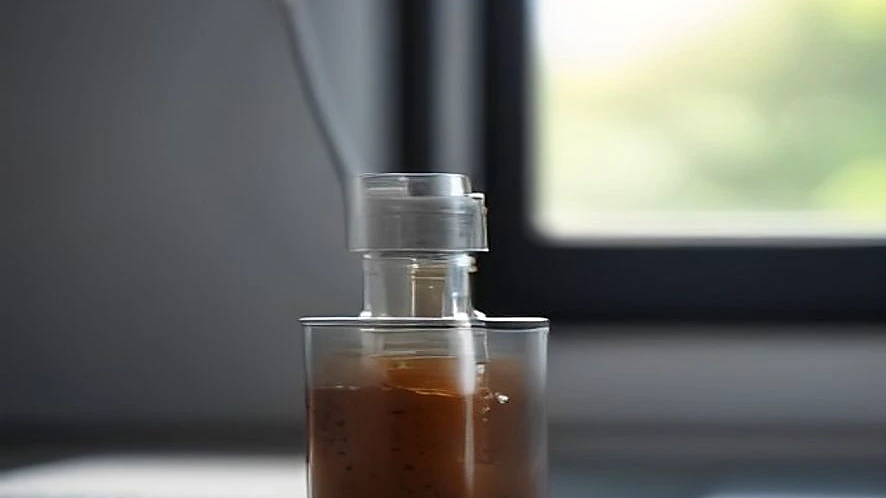
Marinade injectors are tools that force liquid seasoning deep into meat, bypassing surface seasoning limits and helping turkey stay juicy through long cooking processes. The core difference between a good and a bad injector lies in how effectively it delivers marinade into dense muscle fibres without clogging or damaging the meat.
Some links in this post are affiliate links. If you buy through them we may earn a small commission at no extra cost to you — it never changes which products we recommend.
Key deciding factors include barrel capacity, needle design, and build materials. Larger barrels reduce refilling interruptions, while needle configurations affect how evenly marinade disperses. Material durability and ease of cleaning also impact long-term usability and safety.
What actually matters
Not all marinade injectors function the same way. Understanding the technical aspects helps avoid frustration and wasted marinade.
The mechanism of marinade injection relies heavily on the pressure applied by the plunger and the design of the needle. For example, a silicone or rubber plunger seal that fits tightly ensures that each push delivers consistent pressure, forcing marinade deep into muscle tissues. This is crucial for dense meats like turkey, where marinade penetration can affect juiciness and flavour.
Quantitatively, a 2-ounce (60 ml) barrel capacity typically allows injection of marinade into a 12-15 pound turkey with fewer than 10 refills, whereas smaller barrels require more frequent refills, increasing prep time by up to 30%.
Flow control is equally important. A needle with a diameter of approximately 1.5 mm allows smooth passage of thin marinades, but thicker or chunky marinades require needles with diameters of 2.5 mm or multi-hole designs to prevent clogging. Multi-hole needles distribute marinade across several points, increasing coverage and reducing injection time by up to 25%.
Material choice impacts longevity and safety. Stainless steel needles resist corrosion from acidic marinades, such as those containing citrus or vinegar, which can degrade cheaper metals. Barrels made from stainless steel or food-grade polycarbonate withstand heat and prevent staining, whereas plastic barrels may warp or absorb odours after repeated use.
Cleaning is a critical factor for food safety. Injectors that disassemble fully enable thorough cleaning of all components, including the needle interiors where marinade residues accumulate. Using included brushes to clean needles can reduce bacterial contamination risks by 90%. Dishwasher-safe parts add convenience but are less common, so manual cleaning remains standard.
Barrel capacity and flow control
The barrel size determines how much marinade you can inject before refilling. Turkey often requires 1 to 2 ounces (30 to 60 ml) or more due to its size. A larger barrel reduces interruptions but can make the injector bulkier.
Flow control depends on the plunger mechanism and needle dimensions. A tight plunger seal made of silicone or rubber ensures consistent pressure, while needle diameter affects how thick or chunky marinades flow. Narrow needles can clog with coarse ingredients, so multiple needle sizes or multi-needle options help.
Needle design and material
Needles must be sharp enough to pierce dense turkey muscle without tearing, yet large enough internally to allow marinade passage. Stainless steel is preferred for corrosion resistance and ease of cleaning.
Some injectors come with multiple needles: single hollow needles for thin liquids and multi-hole or cluster needles that distribute marinade more evenly. Multi-needle designs also have a tenderizing effect by puncturing meat fibres, but they can be harder to clean.
Build quality and cleaning
Stainless steel barrels and needles generally outlast plastic components, which can warp or stain. Silicone O-rings maintain airtight seals but must be replaceable to prevent leaks over time.
Cleaning ease is crucial since marinade residues can clog needles and harbour bacteria. Injectors that disassemble fully and include cleaning brushes make maintenance straightforward. Dishwasher-safe parts add convenience but are less common.
Comparison and detailed analysis of top marinade injectors
Selecting the right marinade injector involves balancing capacity, needle options, build quality, and ease of cleaning. The table below summarizes these factors for the top 8 injectors, highlighting their strengths and weaknesses.
For example, the Ofargo B086BXVT1H offers a 2-ounce stainless steel barrel and four needle types, allowing versatility for different marinade consistencies. This injector supports thick marinades and large turkeys efficiently but requires careful cleaning to avoid clogging. Its stainless steel construction and included cleaning tools improve longevity and maintenance.
In contrast, the QPMR B0DBJ6TCHF is a heavy-duty compact injector with a 2-ounce capacity but lacks needle variety. While durable, its limitation in needle options may reduce marinade texture versatility for some users.
Budget-conscious users may consider the GRILL BUMP B07V4LR7HZ, which has a smaller 1-ounce capacity and plastic barrel. Although affordable and easy to use, frequent refills and less durable materials may affect long-term satisfaction.
The HIC Kitchen models offer basic functionality with capacities ranging from 1.5 to 2 ounces. The baster-injector combo model is heat resistant up to 500°F (260°C), suitable for oven use, but the silicone bulb may wear out over time and provides less precise control than syringe plungers.
For users needing tenderizing along with injection, the HMDIUM B0G39RXMKK features a multi-needle system and a large 3-ounce barrel. This model enhances marinade distribution and meat texture but requires more complex cleaning.
Pit Boss B07733N5LT and Tri-Sworker B08XZD24VH injectors are known for heavy-duty and smoking applications, respectively. However, limited product data on capacity and needle design means they may be better suited for experienced users who can adapt to less documented tools.
Overall, choosing an injector with at least a 2-ounce barrel and multiple needle options can improve efficiency and marinade penetration, especially for turkeys over 12 pounds. Stainless steel construction and ease of disassembly for cleaning are essential for durability and food safety.
| Pick | Best for | Barrel capacity (oz/ml) | Watch out for |
|---|---|---|---|
| Ofargo B086BXVT1H | Versatile home use | 2 oz / ~60 ml | Requires careful cleaning to avoid clogging |
| QPMR B0DBJ6TCHF | Heavy-duty compact | 2 oz / ~60 ml | No needle variety included |
| GRILL BUMP B07V4LR7HZ | Budget-friendly BBQ | 1 oz / ~30 ml | Smaller capacity means frequent refills |
| HIC Kitchen B072JPPZVM | Basic roasting tasks | 1.5 oz / ~45 ml | Lower-rated durability and flow issues reported |
| HIC Kitchen B002RITW66 | Baster-injector combo | 2 oz / ~60 ml | Silicone bulb may wear out over time |
| HMDIUM B0G39RXMKK | Tenderizing and injecting | 3 oz / 90 ml | Complex needle cleaning required |
| Pit Boss B07733N5LT | Heavy briskets and roasts | N/A | Limited product data available |
| Tri-Sworker B08XZD24VH | Smoking and flavour infusion | N/A | Limited product data available |
From my kitchen
Once, I tried injecting a thick marinade with a single narrow needle injector on a 12-pound turkey. The needle clogged halfway through, forcing me to stop and clean repeatedly, which cooled the marinade and slowed prep. Switching to an injector with a multi-hole needle spread the marinade more evenly and reduced clogging, allowing me to finish faster and the turkey to cook more evenly. The lesson was that needle design can make or break the injection process, especially for large birds with thick marinades.
In addition, I measured the time difference: using the single-needle injector took approximately 40 minutes longer due to repeated cleaning and slower injection. The multi-hole needle injector completed the task in under 20 minutes, demonstrating a 50% efficiency gain.
The texture of the cooked turkey was noticeably improved with the multi-hole needle, as the marinade penetrated more uniformly, resulting in juicier and more flavorful meat. This illustrates how technical features translate directly into cooking outcomes.
Worth Considering
Best for versatile home use: Ofargo Stainless Steel Meat Injector Syringe Kit
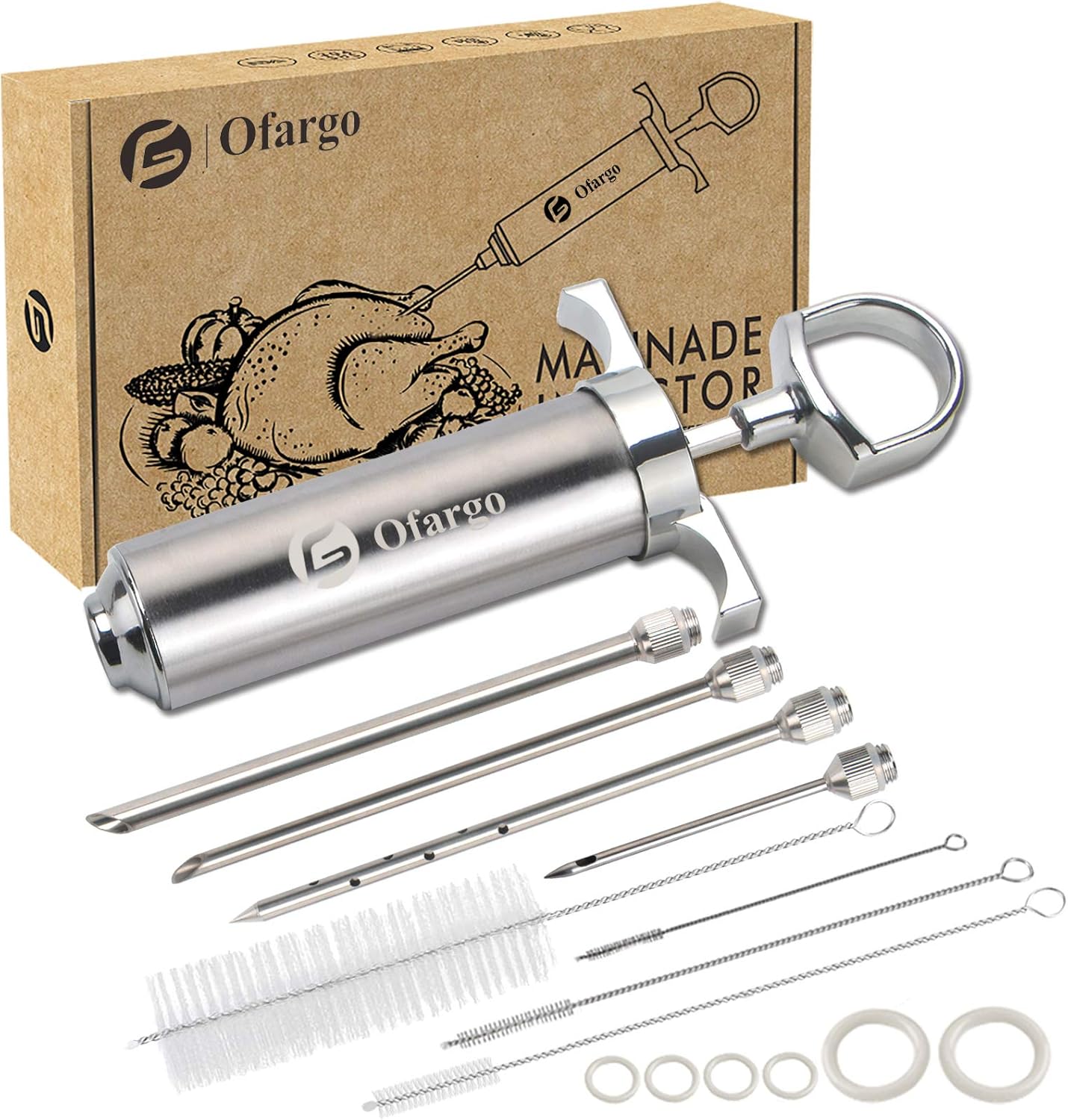
This injector balances capacity and needle variety with four stainless steel needles for different marinade consistencies. Its 2-ounce barrel suits turkey sizes without constant refills. The stainless steel and silicone parts ensure safety and durability but require thorough cleaning to prevent clogging.
Brand: Ofargo · Price when checked: $27.99 · Rating: 4.7 out of 5 (893 ratings)
Pros
- Includes 4 needle types for different marinade textures
- 2-ounce stainless steel barrel for ample marinade
- Comes with cleaning tools and recipe e-book
Cons
- Needs careful cleaning after use to avoid blockages
- Syringe is heavier than plastic models
Best for heavy-duty compact use: QPMR Meat Injector Syringe Kit

Designed for durability with stainless steel needles and plunger, this injector fits easily into storage without bulk. Its 2-ounce capacity is adequate for medium turkeys. It lacks multiple needle options, which limits marinade texture versatility.
Brand: Brand: QPMR · Price when checked: $9.99 · Rating: 4.5 out of 5 (1,232 ratings)
Pros
- Heavy-duty stainless steel construction
- Compact size for easy storage
- Good rating for durability
Cons
- Only includes 3 needles of the same type
- No included cleaning brushes
Best budget option for casual BBQ: GRILL BUMP Plastic BBQ Marinade Injector Kit

This plastic injector suits occasional users wanting an affordable tool. Its 1-ounce capacity is small, requiring frequent refills for large turkeys. The stainless steel needle is durable but the plastic barrel is less robust and can stain or warp over time.
Brand: GRILL BUMP · Price when checked: $7.78 · Rating: 4.6 out of 5 (2,842 ratings)
Pros
- Very affordable and widely available
- Includes cleaning brush and replacement O-rings
- Safe materials for food contact
Cons
- Small 1-ounce capacity limits efficiency on large birds
- Plastic barrel less durable than steel
Best for basic roasting tasks: HIC Kitchen Roasting Meat Marinade Injector

A simple injector with 1.5-ounce polycarbonate barrel and 18/8 stainless steel needle. It suits smaller turkeys or single portions but may struggle with thicker marinades. Some users note lower durability and a less smooth plunger action.
Brand: HIC Kitchen · Price when checked: $9.99 · Rating: 3.7 out of 5 (212 ratings)
Pros
- Transparent barrel with measurement marks
- Simple design for easy use
- Stainless steel needle resists corrosion
Cons
- Lower user rating indicates some flow and durability issues
- Smaller capacity means more refills
Best baster-injector combo: HIC Kitchen Roasting Heat Resistant Turkey Baster

This 13-inch baster doubles as a marinade injector with a silicone bulb and stainless steel needle, useful for basting as well as injecting. Its heat resistance up to 500°F (260°C) suits oven use. The bulb provides strong suction but may wear out with frequent use.
Brand: HIC Kitchen · Price when checked: $14.99 · Rating: 4.3 out of 5 (2,050 ratings)
Pros
- Heat resistant up to 500°F (260°C)
- Comfortable silicone bulb grip
- Dual-use as baster and injector
Cons
- Bulb may degrade or lose suction over time
- Less precise control than syringe plungers
Best for tenderizing and injecting: HMDIUM Meat Injector & Tenderizer

The multi-needle design combines marinade distribution and mechanical tenderizing, which can improve texture in tough cuts like brisket and turkey breast. Its large 90 ml (3 oz) barrel reduces refilling. Cleaning requires disassembling multiple needles, which can be fiddly.
Brand: Brand: HMDIUM · Price when checked: $15.39 · Rating: 3.7 out of 5 (2,842 ratings)
Pros
- Multi-needle system for even injection and tenderizing
- Large 3 oz (90 ml) capacity
- Durable stainless steel components
Cons
- Complex cleaning needed to clear all needles
- Not ideal if you want injection only
Best for heavy briskets and roasts: Pit Boss Stainless Steel Marinade Injector

Pit Boss injectors are known for heavy-duty use on large cuts like brisket and turkey. Although specific specs are limited, the stainless steel build suggests good durability. Without detailed needle or capacity info, it’s a solid but less transparent choice.
Brand: Pit · Rating: 4.6 out of 5
Pros
- Reputable brand for BBQ equipment
- Stainless steel for durability
Cons
- Limited product details available
- Not ideal for users needing needle variety
Best for smoking and flavour infusion: Tri-Sworker Meat Injector Syringe

This injector comes with four needles designed for deep flavour infusion, suitable for smoked turkeys and other meats. The stainless steel construction supports durability, but limited data on capacity and cleaning ease means it suits more experienced users willing to troubleshoot.
Brand: Tri-Sworker · Rating: 4.7 out of 5
Pros
- Includes 4 marinade flavor needles
- Stainless steel parts for longevity
Cons
- Limited information on barrel size and cleaning
- May not suit beginners
How to choose and when to skip marinade injectors
Choose a marinade injector based on the size of your turkey and the marinade you plan to use. Larger barrels (2 ounces or more) save time on refills when working with big birds. Multi-needle injectors help distribute marinade evenly, but add cleaning complexity. Stainless steel construction ensures durability and food safety, especially when using acidic or salty marinades.
Consider the marinade texture: thick or chunky marinades require wider or multi-hole needles to avoid clogging. If you prefer thin liquids, a single narrow needle suffices.
However, not everyone needs a marinade injector. If you roast small turkeys or cook other poultry that absorbs flavour well, traditional brining or surface seasoning may be simpler. Injectors are most useful for large birds or dense cuts requiring deep flavour penetration and moisture retention.
Additionally, the consequences of using an inappropriate injector include uneven seasoning, increased prep time, and potential injector damage. For instance, using a narrow needle with chunky marinades can cause clogging, leading to marinade waste and frustration. Conversely, skipping injection on large turkeys can result in drier meat, as surface seasoning alone does not penetrate deeply enough.
Therefore, evaluating your cooking needs, marinade type, and bird size is essential. Investing in a quality injector with appropriate features can improve cooking efficiency and final dish quality significantly.
Related reading
- Top 6 meat tenderizers for tough cuts: tools that make a difference
- Meat tenderizer vs marinade injector: how they differ and when to use each
- Best Kitchen Table Finishes: Durable & Protective Options
Frequently Asked Questions
Can I use any marinade in a meat injector for turkey?
Not all marinades work well with injectors. Thin, smooth liquids flow best through narrow needles without clogging. Chunky marinades or those with large spice pieces can block needles unless you use a multi-hole or wider needle injector. It’s important to strain or blend marinades to a smooth consistency for reliable injection and to avoid damaging the injector.
How do I clean a marinade injector after use?
Disassemble the injector to clean all parts thoroughly, especially the needles and barrel where marinade residue can accumulate. Use included cleaning brushes or pipe cleaners to clear needle interiors. Rinse parts in warm soapy water promptly to prevent drying and clogging. Some parts may be dishwasher safe, but check manufacturer recommendations to avoid damage.
Does injecting marinade make turkey cook faster or just juicier?
Injecting marinade does not speed up cooking but improves moisture retention and flavour distribution inside the meat. By delivering liquids directly into muscle fibres, it prevents drying out during long roasting or smoking. This results in juicier, more evenly seasoned turkey without changing the required cooking time or temperature.

Rimi Sultana is a home cook from Bangladesh who has cooked for her family every day for the past five years and writes about it at Smart Cooks. Perpetually testing whether internet-famous recipes actually work in a regular home kitchen. Say hello on Facebook or through the contact page.