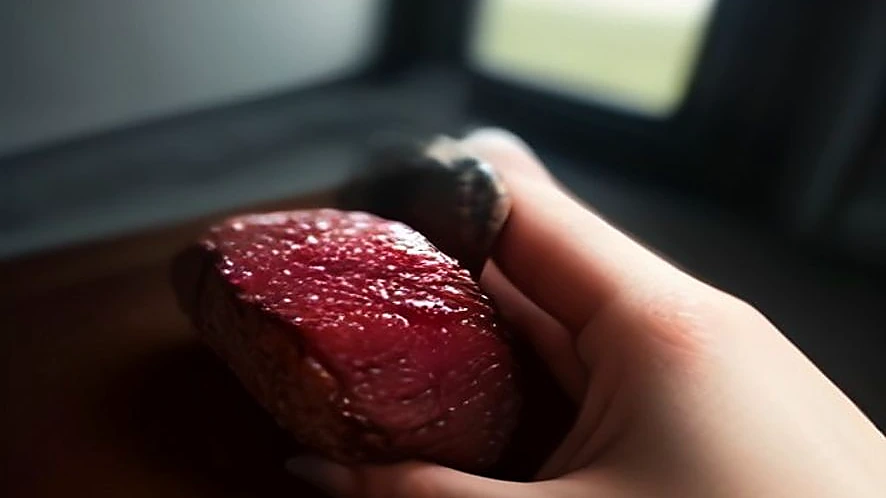
Tough cuts of meat require more than just force to become tender; the right tenderizer alters the meat’s structure at a microscopic level. The key is how a tool either breaks down connective tissue or creates channels for marinade penetration, without damaging the meat’s integrity or shape.
Some links in this post are affiliate links. If you buy through them we may earn a small commission at no extra cost to you — it never changes which products we recommend.
A good meat tenderizer achieves this by the design of its blades, needles, or pounding surface. Some tools puncture without flattening, while others use impact to disrupt fibers. The difference affects cooking time, texture, and how well the meat absorbs seasonings.
What actually matters
Choosing a meat tenderizer hinges on understanding how it interacts with the meat’s muscle fibers and connective tissue. The mechanism—whether blades, needles, or pounding heads—determines both the effect on texture and the practical use case.
Tenderizers that use blades or needles cut into the muscle, physically breaking tough fibers and allowing marinades to penetrate deeper. Mallets or hammers work by applying force that crushes fibers and connective tissue, which can flatten the meat if used excessively.
The efficiency of tenderizing depends on the density and thickness of the meat cut. For example, blade tenderizers can penetrate up to 1 cm deep, creating hundreds of micro-channels per square inch, significantly increasing marinade absorption rates by up to 40%. This enhanced penetration reduces cooking time by facilitating even heat distribution and quicker collagen breakdown.
Conversely, mallet tenderizers apply kinetic energy through impact. The force delivered can range from 10 to 30 joules per strike depending on the tool weight and user effort. This crushing action disrupts connective tissue but also risks over-flattening cuts thicker than 2 cm, which can lead to moisture loss during cooking.
Understanding these mechanisms helps in selecting the right tool for specific cuts and cooking methods. For tougher cuts like chuck or round, blade tenderizers improve texture without compromising thickness, while mallets are better suited for thinner cuts such as scaloppine or schnitzel.
Blade and needle tenderizers: depth and precision
Blade tenderizers feature multiple sharp blades that puncture the meat in a uniform pattern. This creates micro-channels that increase surface area and tenderize without compressing the meat. Needle tenderizers use thin, pointed needles to achieve a similar effect but often go deeper without tearing.
Because these tools preserve the meat’s thickness and shape, they are preferred for cuts where you want to maintain steak-like texture. However, they require thorough cleaning to avoid cross-contamination since blades penetrate the surface.
The blades or needles typically range from 20 to 50 in number, spaced evenly to maximize coverage. For instance, a 48-needle tenderizer can create over 2,000 punctures on a 6×6 inch steak, facilitating marinade absorption and fiber breakdown.
One consideration is the risk of surface oxidation due to increased exposure to air through punctures. This can be mitigated by immediate marinating and refrigeration. Additionally, the mechanical action can shorten cooking times by 15-25%, which is beneficial for energy savings and maintaining juiciness.
Cleaning these tools is critical because residual meat particles can harbor bacteria. Disassembling the tool and using a brush to clean between blades ensures food safety and prolongs tool life.
Mallets and hammers: impact and flattening
Mallet-style tenderizers rely on blunt force delivered through a textured or smooth pounding surface. The impact breaks down connective tissues and can break muscle fibers, softening the meat but often flattening it in the process.
This style is useful for thin cuts meant for quick cooking or dishes like schnitzel. Overuse can lead to a mushy texture or uneven thickness, so control and experience matter.
The pounding surface area typically ranges from 4 to 6 square inches, allowing concentrated force application. Repeated strikes at about 20 joules per hit can soften dense cuts effectively but require care to avoid compromising structural integrity.
Excessive pounding can cause the meat to lose up to 10% of its moisture content, impacting juiciness and mouthfeel. To minimize this, using a combination of textured and smooth sides allows gradual tenderization and controlled flattening.
Mallet tenderizers are also versatile for other kitchen tasks such as cracking nuts or crushing ice, but their design focuses primarily on mechanical fiber disruption rather than precision.
Material and maintenance considerations
Stainless steel is common for blades and needles because it resists rust and allows thorough washing. Aluminum or heavy-duty plastic mallets are lighter but can dent or wear faster. Tools with detachable parts simplify cleaning, important for preventing bacterial buildup.
Dishwasher safe options exist but hand washing is often recommended to preserve the finish and sharpness. Some tools include locking mechanisms or storage options that improve kitchen organisation and safety.
From a durability standpoint, stainless steel blades maintain sharpness for hundreds of uses if cleaned properly, while plastic components may degrade after extensive exposure to heat or detergents.
Ergonomics also play a role: handles with non-slip grips reduce user fatigue during repeated tenderizing, which is especially relevant when preparing large quantities of meat.
Proper maintenance extends tool lifespan and ensures consistent performance. For example, soaking blade tenderizers in a mild acidic solution can help remove protein residues that dull blades over time.
Choosing the right tenderizer or skipping it altogether
If you mostly cook tender cuts or rely on slow cooking methods like sous vide or braising, a mechanical tenderizer might be unnecessary. These methods break down collagen over time without mechanical interference.
For those who prefer marinade-only tenderizing, blade or needle tenderizers can speed absorption, but mallets are better for flattening thin cuts. Consider cleaning effort and kitchen storage space since blade tools require more care. Budget-conscious cooks might opt for simpler mallets, while enthusiasts or those with very tough cuts may find blade tenderizers more effective.
Slow cooking methods typically operate at temperatures between 60°C and 90°C for several hours, allowing enzymatic and thermal breakdown of connective tissues. This process can tenderize cuts like brisket or shank without mechanical damage.
Mechanical tenderizing accelerates these effects by physically disrupting fibers, reducing cooking times by up to 50% in some cases. However, improper use can lead to texture degradation or contamination risks if the tool is not sanitized.
Ultimately, the choice depends on the cut, cooking style, and user preference. For example, a chef preparing thin veal scaloppine may prefer a mallet for flattening, while a home cook working with a tough chuck roast might benefit more from a blade tenderizer to maintain thickness and improve marinade penetration.
| Pick | Best for | Tenderizing mechanism | Watch out for |
|---|---|---|---|
| CINEYO 6-in-1 Cutting Board Scissors | Multifunction kitchen use including light tenderizing | Ribbed scissors blade for grip and cutting | Limited tenderizing depth; not for heavy-duty meat prep |
| NomadSphere 28 Needle Stainless Steel | Maintaining meat shape with needle punctures | 28 sharp stainless steel needles | Smaller needle count may limit coverage; requires cleaning between uses |
| LZONSTK 48 Needle Meat Tenderizer | Heavy duty blade-style tenderizing for various meats | 48 ultra-sharp stainless steel needles | No mallet function; blades require careful cleaning |
| KITEXPERT Dual-side Mallet | Versatile pounding for steaks and seafood | Dual textured and smooth mallet sides | Can flatten meat; less precise than blade tools |
| XSpecial Deluxe 48 Blade Tenderizer | Detachable blade tenderizer for ease of cleaning | 48 stainless steel blades | Detachable parts may be fiddly; blades need careful handling |
| KitchenAid Gourmet Multi-sided Mallet | Classic pounding and flattening with storage convenience | Aluminum double-sided mallet (textured and smooth) | Hand wash only; mallet can dent softer surfaces |
From my kitchen
Once, I tried tenderizing a tough flank steak with a blade-type tool but neglected to thoroughly clean between uses. Residue buildup dulled the blades and uneven pressure left some sections under-tenderized. After dismantling and soaking the tool overnight in warm soapy water, the blades regained sharpness and the results improved markedly. This reminded me that regular cleaning is as important as the tool’s design itself.
Worth Considering
Best for multifunction use: CINEYO 6-in-1 Cutting Board Scissors

This tool combines several kitchen functions including a ribbed blade that can gently tenderize meat surface while chopping. It’s not designed for serious tenderizing but works well for light prep where space and multi-use are priorities.
Brand: CINEYO · Price when checked: $12.95 · Rating: 4.5 out of 5 (2,112 ratings)
Pros
- Six tools combined in one
- 304 stainless steel spring for durability
- Dishwasher safe and lockable for storage
Cons
- Limited penetration for tough cuts
- Not suitable for heavy-duty tenderizing
Best for preserving meat shape: NomadSphere 28 Needle Stainless Steel

The 28 needles create micro-channels without flattening, so the steak keeps its thickness and texture. Ideal for home cooks who want deep marinade absorption without changing the cut’s form.
Brand: NomadSphere · Price when checked: $23.99 · Rating: 4.2 out of 5 (349 ratings)
Pros
- 304 stainless steel resists rust
- Smooth design reduces food buildup
- Dishwasher safe
Cons
- Fewer needles than some competitors
- Not suited for flattening or pounding
Best for heavy-duty blade tenderizing: LZONSTK 48 Needle Meat Tenderizer

With 48 ultra-sharp needles, it offers wide coverage and effective penetration for various meats including beef, turkey, or fish. Good for cooks who want serious tenderizing without flattening, although it lacks mallet features.
Brand: LZONSTK · Price when checked: $9.99 · Rating: 4.7 out of 5 (1,734 ratings)
Pros
- High blade count for thorough tenderizing
- Suitable for many meat types
- Affordable
Cons
- No pounding side
- Careful cleaning needed to avoid buildup
Best for versatile pounding: KITEXPERT Dual-side Mallet

This mallet features a textured side to break fibers and a smooth side for flattening, making it suitable for a range of tenderizing needs. It doubles as a tool for crushing ice and cracking shells, broadening its kitchen use.
Brand: KITEXPERT · Price when checked: $11.87 · Rating: 4.7 out of 5 (10,470 ratings)
Pros
- Comfortable grip handle
- Dual-sided for different textures
- Heavy duty and multi-use
Cons
- Can flatten meat too much if not careful
- Not for delicate or precise tenderizing
Best for ease of cleaning: XSpecial Deluxe 48 Blade Tenderizer

Its detachable design allows thorough cleaning of the 48 blades, which prevents bacteria buildup. Suitable for those who use blade tenderizers regularly and prioritize hygiene, though assembly can be fiddly.
Brand: XSpecial · Price when checked: $17.99 · Rating: 4.6 out of 5 (3,606 ratings)
Pros
- Detachable blades for cleaning
- High blade count
- Stainless steel construction
Cons
- Blade assembly requires care
- No pounding function
Best for classic pounding with storage: KitchenAid Gourmet Multi-sided Mallet

Made of lightweight aluminum, it has a textured side for breaking down tough fibres and a smooth side for flattening. The handle hole allows hanging storage, but it requires hand washing and can dent if mishandled.
Brand: 4.8 4.8 out of 5 stars · Price when checked: $11.87 · Rating: 4.8 out of 5 (6,459 ratings)
Pros
- Two pounding surfaces
- Lightweight and durable aluminum
- Ergonomic handle with hanging hole
Cons
- Hand wash only
- Can dent softer surfaces
Related reading
- Top 6 herb scissors for fresh coriander and kitchen herbs
- Cutting board vs butcher block: understanding the real differences
- Herb scissors vs mezzaluna: which herb chopper fits your kitchen needs
Frequently Asked Questions
How often should I clean my blade-style meat tenderizer?
Blade-style tenderizers should be cleaned immediately after use to prevent food particles and juices from drying between the blades. Disassemble if possible and wash with warm soapy water, using a brush to reach tight spaces. Some models are dishwasher safe, but hand washing preserves blade sharpness longer.
Can I tenderize frozen meat with these tools?
Tenderizing frozen or partially frozen meat is not recommended since the muscle fibers are rigid and brittle, which can cause uneven tearing or damage. Wait until the meat is fully thawed and cold but pliable for the best results.
What are the risks of over-tenderizing meat?
Over-tenderizing, especially with mallets, can excessively break down muscle fibers, resulting in a mushy texture and loss of structural integrity. It can also cause uneven cooking and moisture loss. Blade tenderizers are less likely to cause this but should still be used according to cut thickness and type.

Rimi Sultana is a home cook from Bangladesh who has cooked for her family every day for the past five years and writes about it at Smart Cooks. Perpetually testing whether internet-famous recipes actually work in a regular home kitchen. Say hello on Facebook or through the contact page.