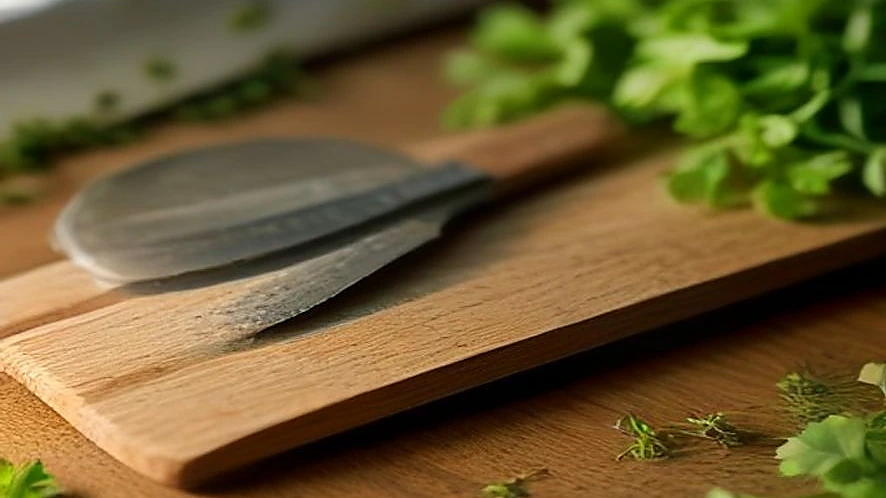
Herb scissors and mezzaluna knives are common tools for chopping fresh herbs, but they differ significantly in their design and cutting action. These differences impact not only how they feel in hand but also the texture and bruising of herbs after chopping.
Some links in this post are affiliate links. If you buy through them we may earn a small commission at no extra cost to you — it never changes which products we recommend.
This comparison dives into the construction and mechanics behind each tool to clarify when one is more efficient or appropriate than the other. Understanding these details helps choose the right tool for specific kitchen tasks rather than relying on generic claims.
Where each one wins
Herb scissors excel when you want quick, small cuts directly over dishes or salads, especially for soft herbs like chives or basil. Their design allows cutting fresh herbs without a board, making them handy for last-minute garnishing.
The mechanism involves five parallel blades that simultaneously slice through herbs with a scissor-like action. This multiplies the cutting speed compared to a single blade, making herb scissors particularly efficient when only a small amount of herbs is needed. However, the close proximity of blades can cause the herbs to be crushed rather than cleanly sliced, which may lead to quicker wilting or loss of aroma.
Mezzalunas are better suited for preparing larger quantities of herbs or tougher leafy greens. The rocking motion reduces bruising and helps maintain herb integrity, which is important for recipes where appearance and flavour retention matter.
The mezzaluna’s single curved blade allows a smooth rocking cut over a cutting board, which slices herbs cleanly without excessive crushing. This preserves essential oils and leaf structure, enhancing both the visual appeal and the taste of the final dish. Additionally, the ergonomic handle distributes pressure evenly, reducing hand fatigue during extended chopping sessions.
If your kitchen prep includes frequent chopping of a variety of herbs and leafy greens, the mezzaluna’s control and ergonomic advantage make it the more versatile choice.
In terms of numbers, a mezzaluna can process up to 3-4 cups of herbs in a few minutes with minimal bruising, whereas herb scissors are more practical for quick garnishes of a few tablespoons. The mezzaluna’s blade length, often around 7-9 inches, enables efficient chopping of larger batches, while herb scissors typically have blade lengths of 2-3 inches, limiting their capacity.
Moreover, the mezzaluna’s rocking motion allows for consistent cuts, which is critical in recipes like pesto or herb sauces where uniformity affects texture and cooking performance.
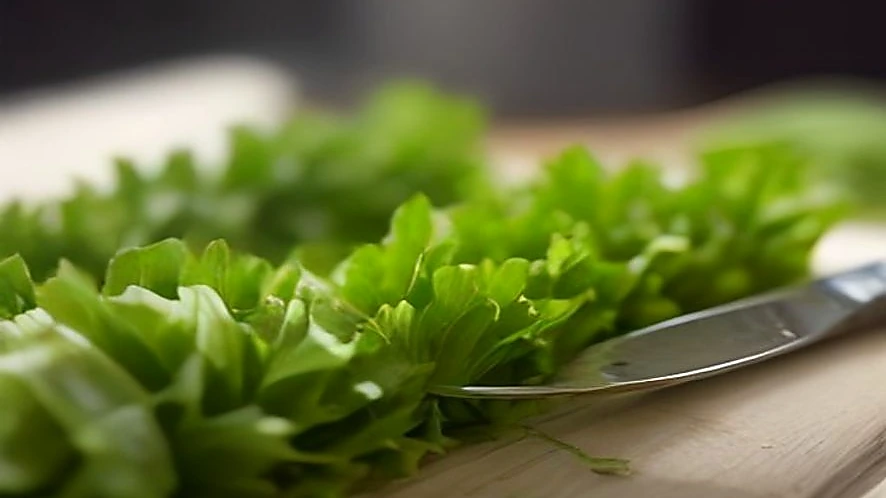
Mechanics and consequences of herb chopping tools
Understanding the cutting mechanics of herb scissors and mezzalunas is essential to grasp their impact on herb quality and kitchen workflow. Herb scissors use multiple straight blades aligned in parallel. Each squeeze of the handle closes all blades simultaneously, slicing through herbs in several places at once. This design speeds up the chopping process but can cause uneven cuts and crushing, which releases chlorophyll and other plant juices prematurely.
This bruising effect can accelerate herb degradation, causing them to brown and lose freshness faster. For delicate herbs like basil or parsley, this means the chopped herbs might wilt quickly and lose their vibrant colour and flavour if not used immediately.
In contrast, the mezzaluna’s curved blade and rocking motion produce a slicing action rather than a crushing one. By gliding over the cutting board and herbs, the mezzaluna cuts cleanly and evenly, preserving cell integrity. This results in longer-lasting freshness and a more appealing texture in the final dish.
The ergonomics of each tool also influence user experience and efficiency. Herb scissors require repeated finger squeezing, which can cause strain during prolonged use, especially when chopping larger quantities. The force needed depends on the toughness of the herbs; woody stems like rosemary demand more effort, often resulting in uneven cuts and hand fatigue.
Mezzalunas, on the other hand, leverage the weight of the blade and a natural rocking motion powered by wrist and forearm muscles. This reduces hand strain and allows for longer chopping sessions with consistent results. The handle design often includes non-slip grips to enhance control and safety.
Cleaning and maintenance are practical considerations affecting tool longevity and hygiene. Herb scissors’ multiple blades are closely spaced, making it difficult to remove trapped herb bits. While some models include a cleaning comb, thorough cleaning requires careful attention to avoid rust or blade dullness.
Mezzalunas typically have a single blade that is easier to clean manually or in a dishwasher. The fewer crevices reduce the risk of bacterial buildup, and the materials used often resist corrosion better. Proper maintenance extends the sharpness and safety of the blade.
In terms of storage and portability, herb scissors are compact and lightweight, often coming with safety covers for blade protection. This makes them convenient for quick garnishing and easy storage in kitchen drawers or picnic baskets.
Mezzalunas have a larger footprint due to their blade length and handle design. They require dedicated storage space and are less portable but offer superior performance for bulk herb preparation.
The choice between these tools has culinary consequences. Using herb scissors for large batches can lead to inconsistent herb sizes and increased bruising, which may alter the flavour profile and appearance of dishes. Conversely, using a mezzaluna for small garnishes can be cumbersome and less precise.
Therefore, understanding these mechanics helps home cooks and professionals optimize their kitchen workflow and maintain the quality of fresh herbs.
| Feature | Herb scissors (AWinjoy 5 Blade) | Mezzaluna (HIC Kitchen Herb Prepper) |
|---|---|---|
| Blade count and type | Five straight stainless steel blades arranged parallel | Single curved blade designed for rocking motion |
| Cutting action | Multiple simultaneous scissor-like cuts | Rocking, curved slicing over cutting board |
| Ideal herb types | Soft leafy herbs like parsley, cilantro, and chives | Both soft and tougher herbs, including rosemary, thyme, and kale |
| Ease of use | Requires finger strength and repeated squeezing | Leverages weight and rocking for less hand strain |
| Cleaning and maintenance | Blades close together, making thorough cleaning challenging; includes cleaning comb | Single blade easier to clean; dishwasher safe BPA-free plastic handle |
| Portability and storage | Lightweight, compact with safety cover | Larger footprint, requires storage space for blade and handle |
From my kitchen
Once, I tried using herb scissors for cutting rosemary to mix into a roast marinade. The scissors chopped the needles unevenly and bruised them heavily, releasing bitter compounds. The flavour was harsher than usual. Switching to a mezzaluna with its rocking cut preserved the rosemary’s bright aroma and texture. It was clear that the scissors’ multiple blades, designed for softer herbs, were less suitable for tougher leaves.
This experience highlighted how the mechanical action of each tool affects herb quality. The bruising caused by herb scissors led to the release of phenolic compounds which impart bitterness, negatively affecting the dish. The mezzaluna’s gentle slicing maintained the rosemary’s essential oils and texture, resulting in a more balanced and aromatic marinade.
Worth Considering
Best for quick, soft herb garnishing: Herb Scissors Set by AWinjoy

This five-blade herb scissors set is designed for fast chopping of soft herbs like parsley and cilantro, with a safety cover and cleaning comb included. It is less suited for tougher herbs or large quantities where hand fatigue can become an issue.
Brand: AWinjoy · Price when checked: $9.99 · Rating: 4.5 out of 5 (64323 ratings)
Pros
- Five blades enable multiple cuts per squeeze for speed
- Compact and lightweight with safety cover for storage
- Includes cleaning comb to ease blade maintenance
Cons
- Blades close together making thorough cleaning more difficult
- Not ideal for woody or large leafy herbs due to crushing
Best for versatile herb prep and tougher greens: HIC Kitchen Herb Prepper Mezzaluna

This mezzaluna combines a curved stainless steel blade with a BPA-free plastic handle for a rocking chopping motion that is gentler on herbs. It works well on a broad range of herbs and leafy greens but requires countertop space and is less handy for on-plate garnishing.
Brand: HIC Kitchen · Price when checked: $9.99 · Rating: 4.1 out of 5 (1481 ratings)
Pros
- Rocking curved blade reduces bruising and controls cut size
- Ergonomic grip with non-slip indentations
- Dishwasher safe and sturdy construction
Cons
- Larger size requires dedicated storage space
- Less convenient for quick, precise cuts over dishes
When neither herb scissors nor mezzaluna is the right choice
Neither herb scissors nor mezzaluna work well when you need ultra-fine mincing or chiffonade cuts that preserve leaf structure, such as for basil pesto or delicate garnishes. In those cases, a sharp chef’s knife or a dedicated herb mincer offers better control and cleaner cuts.
Also, if you regularly chop large amounts of herbs, a food processor provides efficiency and uniformity that manual tools cannot match. However, processors can bruise herbs more due to high-speed blades.
Finally, for herbs with very woody stems like rosemary or thyme, stripping leaves by hand before chopping with a chef’s knife often yields better results than relying on scissors or mezzalunas alone.
Related reading
- Mastering Carbon Steel: An Expert’s In-Depth Guide to Proper Seasoning and Long-Term Pan Care
- Stop Wasting Herbs: The Best Herb Saver Pods Reviewed for Peak Freshness
- Top 10 Banneton Bread Proofing Basket
Frequently Asked Questions
Do herb scissors bruise herbs more than mezzalunas?
Yes, because herb scissors use multiple thin blades that cut simultaneously with a scissor action, they tend to crush and bruise delicate herb leaves more than mezzalunas. Mezzalunas operate with a rocking curved blade that slices smoothly over the cutting board, preserving leaf structure and reducing bruising.
Which tool is easier to clean after chopping herbs?
Mezzalunas generally clean more easily because they have a single curved blade accessible on all sides. Herb scissors often have blades close together, making it harder to remove trapped herb bits. Some herb scissors include a small cleaning comb to assist, but thorough cleaning still requires care.
Can I use herb scissors or mezzaluna for other kitchen tasks?
Herb scissors are mostly limited to cutting soft herbs and leafy vegetables due to their blade design and size. Mezzalunas have broader applications, including chopping garlic, nuts, and leafy greens, thanks to their rocking motion and sturdier blade. However, neither replaces a chef’s knife for general chopping.

Rimi Sultana is a home cook from Bangladesh who has cooked for her family every day for the past five years and writes about it at Smart Cooks. Perpetually testing whether internet-famous recipes actually work in a regular home kitchen. Say hello on Facebook or through the contact page.