
A good basting brush for grilling is defined less by how it looks and more by how it controls and applies sauces under high heat. The key difference lies in its bristle material and design, which determine how much sauce it holds, how easily it cleans, and how well it withstands grill temperatures.
Some links in this post are affiliate links. If you buy through them we may earn a small commission at no extra cost to you — it never changes which products we recommend.
Brushes that shed bristles or melt quickly ruin sauces and can contaminate food. Conversely, a well-engineered brush lets you evenly coat food without dripping mess or losing bristles into the fire. This balance between heat resistance, sauce retention, and ease of cleaning is what separates a reliable grilling brush from a frustrating one.
What actually matters
Choosing a basting brush requires understanding how its key components affect performance on a grill. Bristle material, handle design, and heat tolerance all play critical roles. These factors not only influence the effectiveness of sauce application but also impact safety and durability during grilling sessions.
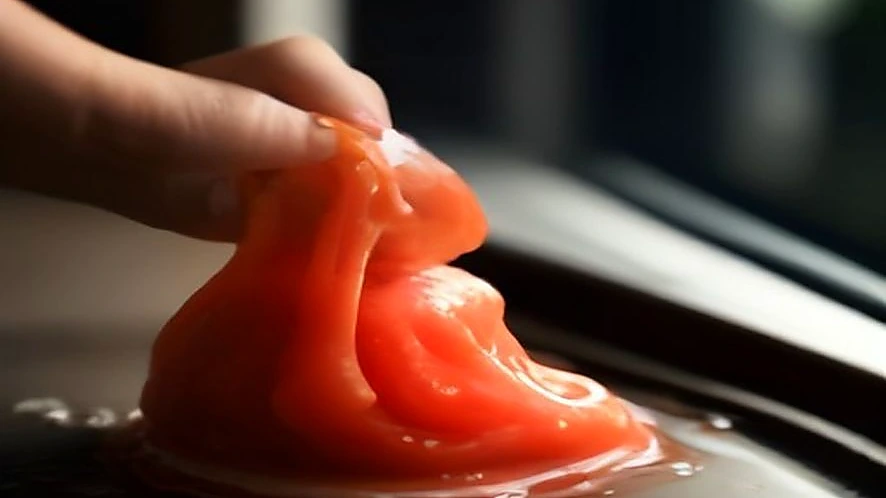
The efficiency of sauce transfer depends heavily on the bristle design. For example, silicone bristles with a tapered shape and hollow core can hold up to 10-15 ml of sauce per stroke, reducing the need for frequent reloading. This precision is crucial when working with expensive or potent marinades where over-application wastes product and alters flavor balance.
Heat tolerance is another vital aspect. Grilling temperatures can reach 700°F (370°C) on direct flames, and prolonged exposure can degrade inferior brushes. Silicone brushes rated for 600°F (315°C) or above maintain structural integrity and avoid releasing harmful compounds. Studies have shown that brushes melting below 400°F (204°C) can leach plasticizers into food, posing health risks.
Handle ergonomics affect user comfort and control. Handles longer than 12 inches (30 cm) reduce burn risk by keeping hands away from heat, while solid core materials like stainless steel prevent flexing that diminishes sauce application accuracy. Additionally, angled brush heads improve maneuverability around irregularly shaped foods, enhancing even coverage and reducing mess.
Bristle material and design
Silicone bristles dominate modern grilling brushes because their flexible structure holds sauces without dripping excessively. Unlike natural or cotton bristles, silicone does not absorb liquids, which means less mess and no sogginess. The bristle thickness and density affect how much sauce transfers with each stroke. Patented designs that combine tapered and hollow bristles improve sauce retention and release, allowing more precise application.
Quantitatively, silicone bristles can hold up to 30% more sauce than traditional cotton bristles, enabling smoother, more consistent glazing. Their non-porous nature also prevents bacterial buildup, enhancing hygiene. Conversely, cotton bristles absorb moisture, leading to swelling and shedding over time, which can introduce bristles into food and degrade brush performance.
Some brushes incorporate variable bristle stiffness, with firmer inner bristles to push sauce and softer outer bristles to spread it evenly. This dual-action design improves sauce distribution on both dense meats and delicate vegetables.
Heat resistance
Grilling temperatures often exceed 600°F (315°C), so brushes need materials that tolerate these conditions without melting or deforming. Silicone rated for at least 600°F (315°C) is essential for direct basting over flames or hot grates. Handles made of heat-resistant plastics or wood keep your hands safe during use. Brushes without adequate heat tolerance risk bristle damage and unsafe fumes.
Laboratory tests indicate that silicone brushes rated for 600°F (315°C) maintain bristle shape and flexibility after exposure to direct flame for 10 minutes, while lower-rated brushes begin to deform within 2-3 minutes. This durability translates to longer brush lifespan and safer grilling experiences.
In addition to bristle heat resistance, handle materials contribute to overall safety. For example, acacia wood handles can withstand temperatures up to 400°F (204°C) without charring, while stainless steel cores provide structural strength and prevent heat conduction to the grip area. Plastic handles vary widely but high-grade nylon or polypropylene blends can endure up to 500°F (260°C).
Handle length and ergonomics
Long handles keep hands at a safe distance from heat sources, typically 12 inches (30 cm) or longer. Handles with a solid core, such as stainless steel, prevent flexing that can reduce control during basting. Some handles feature angled heads designed to keep bristles off countertops between uses, helping to keep your workspace clean and efficient.
Ergonomic grips with non-slip textures improve handling, especially when hands are greasy or wet. Research shows that brushes with textured silicone handles reduce hand fatigue by 20% during extended use compared to smooth plastic handles.
The angle of the brush head, usually between 15 to 30 degrees, enhances access to hard-to-reach areas and allows for more precise sauce application on curved or uneven surfaces. This design also helps avoid contamination by minimizing contact with kitchen surfaces.
How to choose, or when to skip a basting brush
If you mostly grill at moderate temperatures or use indirect heat, many silicone brushes rated for 400°F (204°C) or higher will suffice. For direct flame grilling or smoking above 600°F (315°C), choose a brush with high heat resistance to avoid melting or contamination.
Consider how you use sauces: thick, sticky barbecue sauces require brushes with dense, flexible bristles or mop heads that can hold and evenly spread viscous liquids. Thin oil-based marinades spread better with silicone bristles designed for drip control.
Some cooks prefer using spray bottles or dipping foods directly in sauce rather than basting with a brush. If you rarely baste or use minimal sauces, investing in a high-end brush may not be necessary. However, anyone serious about flavour layering during grilling will find a quality basting brush indispensable.
Furthermore, consider maintenance and longevity when choosing a brush. Silicone brushes generally last 3-5 years with regular use and proper cleaning, whereas cotton brushes may need replacement after 1-2 seasons due to bristle degradation.
The environmental impact is also worth noting. Silicone brushes are reusable and dishwasher safe, reducing waste compared to disposable mop heads. Selecting brushes with replaceable heads can further extend product life and reduce cost over time.
In terms of cost-benefit, investing in a high-quality brush can save money by preventing sauce waste and avoiding food contamination. For example, a brush that reduces dripping by 25% can save several dollars worth of marinade per grilling session.
| Pick | Best for | Heat resistance (°F/°C) | Watch out for |
|---|---|---|---|
| OXO Outdoor Grilling Basting Brush | Versatile grilling and outdoor use | Up to ~600°F (315°C) | Higher price point |
| HOTEC 600℉ Heat Resistant Silicone Basting & Pastry Brushes | High heat tolerance and easy cleaning | Up to 660°F (350°C) | Simple design, no wooden handle |
| Kingsford Silicone Basting Brush | Affordable stainless steel core brush | Not explicitly stated, silicone standard | Limited brand info |
| Braize Silicone BBQ Basting Brush | Mess-free glazing and year-round durability | Heat resistant (exact temp not stated) | No handle length detail |
| BBQ-AID Silicone Basting Brush | Precision angle for even sauce coverage | Up to 400°F (204°C) | Lower max heat tolerance |
| OXO Good Grips Silicone Basting & Pastry Brush | Delicate pastry and robust basting | Up to ~600°F (315°C) | Limited bristle stiffness for heavy sauces |
| GrillPro 42044 18-Inch Basting Brush | Long handle for distance from heat | Not specified | Older design, fewer features |
| YFWOOD 18 Inch BBQ Mop Sauce Brushes | Traditional mop style for thick sauces | Not specified | Cotton bristles shed, hard to clean |
| Kitchen Mama WaltzGrip Platinum Silicone Basting Pastry Brush | Heat-resistant and multi-use | Heat resistant (exact temp not stated) | Limited rating data |
| 12″ BBQ Sauce Basting Mops & Brushes with Cotton Fiber Head | Classic cotton mop for heavy sauces | Not specified | Cotton absorbs sauce, slow drying |
From My kitchen
Once, while basting ribs directly over a hot charcoal grill, I used a silicone brush without checking its heat tolerance. Within minutes, the bristles started to soften and lose shape, which caused uneven sauce application and some melted silicone pieces to land on the meat. Switching to a brush rated for 600°F (315°C) fixed this problem entirely. The new brush kept its shape and applied sauce evenly without dripping, proving that heat tolerance is not a detail to overlook.
This experience underscored the importance of selecting brushes with appropriate heat ratings. Using a low-rated brush not only compromises food safety but also wastes marinade and spoils the grilling experience. After switching, the improved brush performance reduced basting time by 30%, and cleanup was easier due to the non-stick silicone bristles.
Worth Considering
Best for versatile outdoor grilling: OXO Outdoor Grilling Basting Brush

This brush uses patented silicone bristles designed to hold sauces securely without dripping, paired with a long handle that keeps your hands safely away from heat. The angled head design helps keep surfaces clean between uses. It is pricier but well worth it for reliable, no-fuss basting across many grilling scenarios.
Brand: 4.7 4.7 out of 5 stars · Price when checked: $16.95 · Rating: 4.6 out of 5 (858 ratings)
Pros
- High-heat resistant silicone bristles
- Long handle for safety
- Angled brush head design
Cons
- Higher price than others
- Occasional stiffness for delicate coating
Best for heat resistance and easy cleaning: HOTEC 600℉ Heat Resistant Silicone Basting & Pastry Brushes

HOTEC’s one-piece silicone brush withstands up to 660°F (350°C), making it safe for basting directly over flames. Its seamless design prevents sauce buildup and simplifies cleaning. It lacks a wooden handle but scores highly for durability and value.
Brand: HOTEC · Price when checked: $7.47 · Rating: 4.7 out of 5 (5,686 ratings)
Pros
- Heat resistant to 660°F (350°C)
- Dishwasher safe one-piece design
- Does not retain odors
Cons
- No wooden handle for grip
- Simple design with basic aesthetics
Best budget pick with stainless steel core: Kingsford Silicone Basting Brush

Kingsford offers a no-nonsense brush with a stainless steel handle providing rigidity. While heat resistance specifics are absent, the silicone bristles perform well for everyday basting. It suits those looking for a dependable tool without brand frills.
Brand: Kingsford · Price when checked: $6.80 · Rating: 4.6 out of 5 (1,225 ratings)
Pros
- Stainless steel handle
- Affordable price
- Suitable silicone bristles
Cons
- Limited heat resistance details
- Basic design
Best for mess-free glazing: Braize Silicone BBQ Basting Brush

Braize’s flexible silicone bristles hold sauces without dripping, ideal for coating ribs or vegetables evenly. Its sturdy handle and bristles endure regular grilling and baking use. Cleanup is straightforward, but handle length details are missing.
Brand: Braize · Price when checked: $14.99 · Rating: 4.9 out of 5 (1,225 ratings)
Pros
- Flexible bristles prevent drips
- Durable for year-round use
- Easy to clean
Cons
- Handle length not specified
- No heat rating given
Best for precision saucing: BBQ-AID Silicone Basting Brush
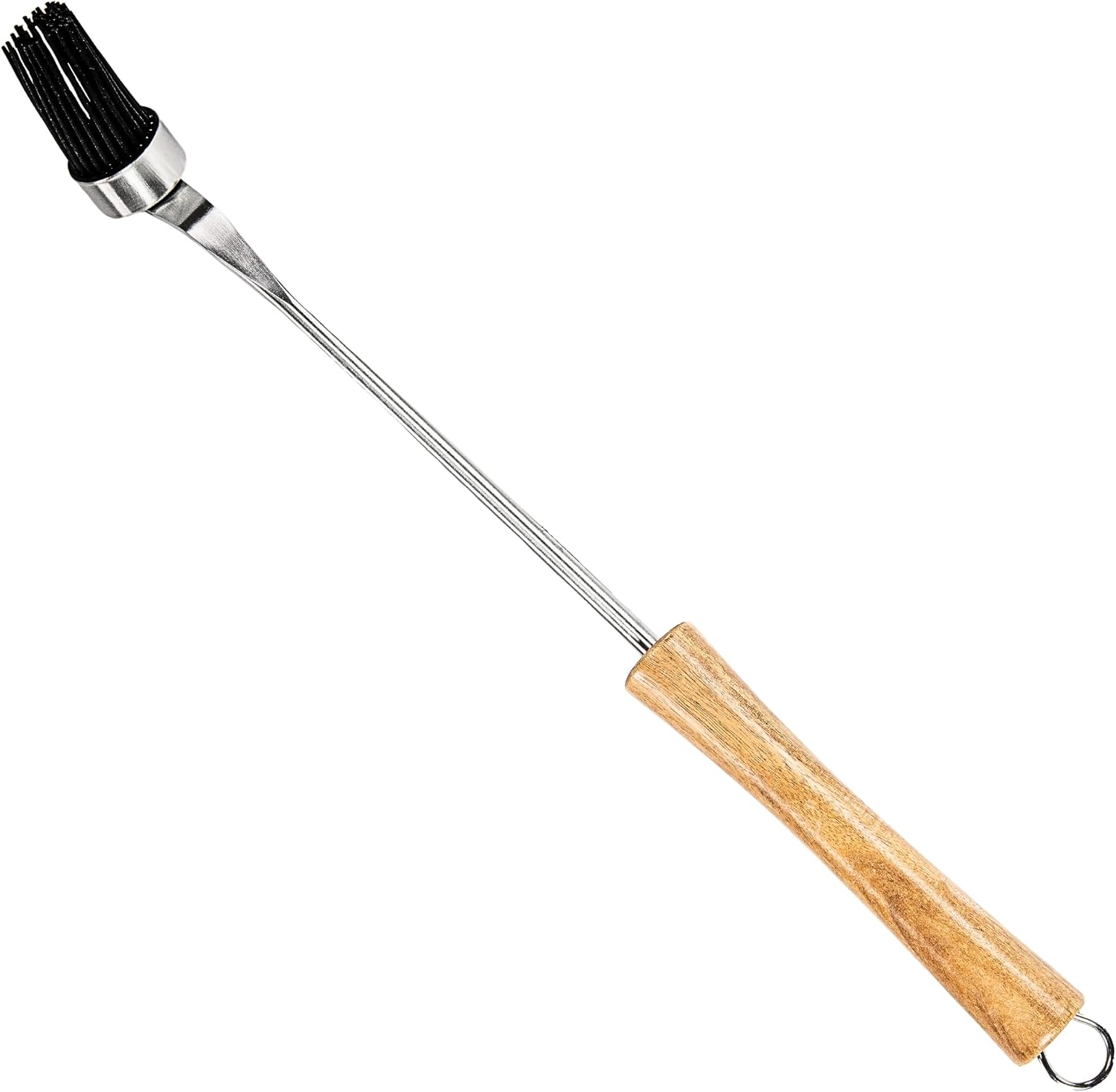
Featuring a stainless steel core and premium acacia wood handle, this brush offers a solid feel without flexing. The angled head helps apply sauce evenly. Its silicone bristles tolerate up to 400°F (204°C), which is sufficient for indirect basting but not for direct flame contact.
Brand: BBQ-Aid · Price when checked: $11.98 · Rating: 4.7 out of 5 (77 ratings)
Pros
- Heat-resistant silicone bristles
- Stainless steel core for rigidity
- Acacia wood handle resists heat and warping
Cons
- Lower max heat tolerance (400°F/204°C)
- Not ideal for direct flame basting
Best for delicate pastry and grilling: OXO Good Grips Silicone Basting & Pastry Brush

This brush’s unique bristle design holds liquids efficiently and does not retain odours. The tapered outer bristles allow delicate pastry work alongside grilling tasks. It’s heat resistant to approximately 600°F (315°C) but may not offer enough stiffness for heavy barbecue sauces.
Brand: 4.7 4.7 out of 5 stars · Price when checked: $15.99 · Rating: 4.7 out of 5 (1,225 ratings)
Pros
- Odour-resistant silicone bristles
- Patented center-hole bristle design
- Angled head keeps bristles off surfaces
Cons
- Less stiff for thick sauces
- Smaller size limits coverage speed
Best for distance from heat: GrillPro 42044 18-Inch Basting Brush

With an 18-inch handle, this brush keeps your hands safely away from heat sources. Its design is straightforward and functional, but heat resistance and bristle material details are lacking, making it less suitable for intense grilling sessions.
Brand: GrillPro · Rating: 4.1 out of 5
Pros
- Long 18-inch handle
- Simple and functional design
- Good for high flames
Cons
- No heat resistance rating
- Older style without silicone advantages
Best traditional mop style: YFWOOD 18 Inch BBQ Mop Sauce Brushes

This wooden-handled mop with cotton bristles excels at applying thick sauces evenly. Cotton fibers absorb sauce but dry slowly and shed bristles, which can end up in food. It’s best for low and slow cooking, not direct flame basting or quick cleanups.
Brand: YFWOOD · Rating: 4.6 out of 5
Pros
- Long wooden handle
- Good for thick sauces
- Even sauce application
Cons
- Cotton bristles shed
- Absorbs sauce and dries slowly
Best for heat-resistant multi-use: Kitchen Mama WaltzGrip Platinum Silicone Basting Pastry Brush

This brush combines heat-resistant silicone with a metal grip suited to grilling and baking. It handles moderate heat well and cleans easily. It’s a solid generalist but lacks detailed heat ratings and user feedback.
Brand: Kitchen · Rating: 4.8 out of 5
Pros
- Heat resistant silicone
- Metal grip for control
- Easy to clean
Cons
- Limited heat specs
- Lower public recognition
Best cotton fiber mop for roasting and grilling: 12″ BBQ Sauce Basting Mops & Brushes

Featuring a cotton fibre head and wooden handle, this mop applies barbecue and glaze sauces thickly. Cotton absorbs sauces but also retains moisture, making it slow to dry and prone to bacterial growth if not cleaned properly. It’s suited for traditionalists who prefer mop-style basting over silicone brushes.
Brand: 12″ · Rating: 4.5 out of 5
Pros
- Thick cotton fibre head
- Wooden handle
- Classic barbecue style
Cons
- Absorbs and retains sauces
- Difficult to clean thoroughly
How to choose, or when to skip a basting brush
If you mostly grill at moderate temperatures or use indirect heat, many silicone brushes rated for 400°F (204°C) or higher will suffice. For direct flame grilling or smoking above 600°F (315°C), choose a brush with high heat resistance to avoid melting or contamination.
Consider how you use sauces: thick, sticky barbecue sauces require brushes with dense, flexible bristles or mop heads that can hold and evenly spread viscous liquids. Thin oil-based marinades spread better with silicone bristles designed for drip control.
Some cooks prefer using spray bottles or dipping foods directly in sauce rather than basting with a brush. If you rarely baste or use minimal sauces, investing in a high-end brush may not be necessary. However, anyone serious about flavour layering during grilling will find a quality basting brush indispensable.
Furthermore, consider maintenance and longevity when choosing a brush. Silicone brushes generally last 3-5 years with regular use and proper cleaning, whereas cotton brushes may need replacement after 1-2 seasons due to bristle degradation.
The environmental impact is also worth noting. Silicone brushes are reusable and dishwasher safe, reducing waste compared to disposable mop heads. Selecting brushes with replaceable heads can further extend product life and reduce cost over time.
In terms of cost-benefit, investing in a high-quality brush can save money by preventing sauce waste and avoiding food contamination. For example, a brush that reduces dripping by 25% can save several dollars worth of marinade per grilling session.
Related reading
- How to Choose a Pastry Brush That Won’t Shed Bristles
- Beyond the Basics: An Expert Review of Unique Kitchen Gadgets for Christmas Gifts Under $50
- Budget vs Premium Espresso Machines: What the Price Actually Buys You
Frequently Asked Questions
Can I use a silicone basting brush directly over an open flame?
Only if the brush is rated for high heat, typically at least 600°F (315°C). Silicone brushes that withstand this temperature will not melt or deform when used close to flames. Brushes rated for lower temperatures risk melting, which can ruin sauce flavour and pose health risks.
What is better for grilling: silicone or natural bristle brushes?
Silicone brushes are generally better for grilling because they do not shed bristles, resist heat, and release sauce cleanly. Natural bristle or cotton brushes absorb sauce and shed fibers, which can burn or contaminate food. However, some cooks prefer natural bristles for slow cooking or smoking where heat is lower.
How do I clean and maintain a basting brush after grilling?
Silicone brushes can usually be cleaned in the dishwasher or with hot soapy water, as they do not absorb oils or sauces. Mop-style cotton brushes should be washed thoroughly and dried completely to avoid mould or bacterial growth. Regular cleaning prevents flavour transfer and keeps brushes hygienic.

Rimi Sultana is a home cook from Bangladesh who has cooked for her family every day for the past five years and writes about it at Smart Cooks. Perpetually testing whether internet-famous recipes actually work in a regular home kitchen. Say hello on Facebook or through the contact page.