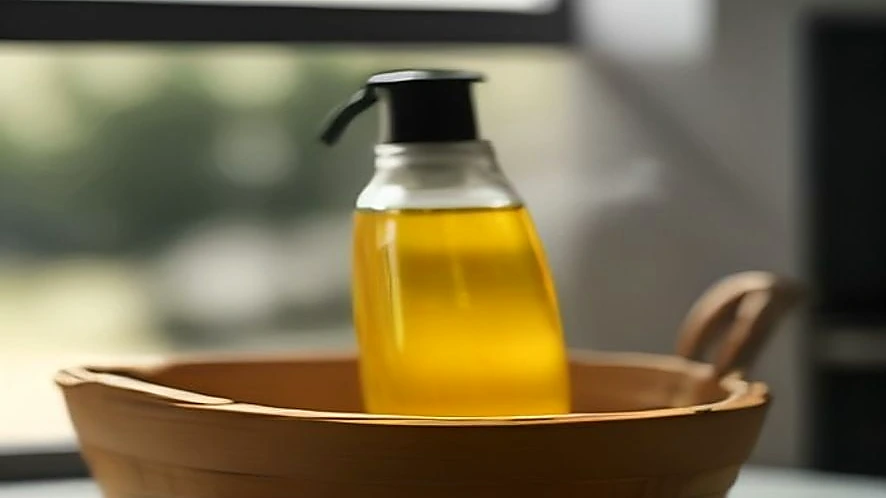
The key factor that separates a good oil sprayer for air fryer cooking from a poor one is how well it controls oil delivery to ensure even, light coating without oversaturating. A sprayer must break oil into fine droplets consistently because air fryers rely on hot air circulation rather than deep oil baths to crisp food.
Some links in this post are affiliate links. If you buy through them we may earn a small commission at no extra cost to you — it never changes which products we recommend.
Many oil sprayers claim to offer a fine mist but struggle with inconsistent spray patterns or clogging, which results in uneven cooking or waste. The best sprayers also combine durable materials with easy cleaning and provide clear dispensing control, so you know exactly how much oil you’re using.
What actually matters
Choosing an oil sprayer isn’t just about style or price. Understanding the mechanisms behind spray patterns, materials, and capacity will help you pick one that suits your cooking habits and air fryer size.
The importance of controlling oil delivery cannot be overstated. For example, a sprayer dispensing as little as 0.15 grams of oil per spray allows for precise application, minimizing waste and ensuring food crisps evenly without sogginess. In contrast, sprayers that release larger droplets can lead to oil pooling, disrupting the hot air flow essential for air fryer performance.
In terms of materials, glass is preferred not only for its inertness but also for its heat tolerance. A thick, BPA-free glass bottle can withstand temperature fluctuations common in kitchen environments, such as exposure to steam or hot surfaces. However, the fragility of glass requires careful handling, especially in busy kitchens or households with children.
Capacity plays a practical role: a 470ml sprayer reduces the need for frequent refills, which is beneficial for daily air fryer users who prepare multiple meals. Conversely, smaller 200ml bottles are more portable and easier to handle but necessitate more frequent topping up. This trade-off affects convenience and usage patterns.
Cleaning is critical to maintain spray quality. Residual oil can thicken or mix with dust particles, clogging the nozzle and causing inconsistent spray patterns. Sprayers that allow full disassembly or have wide openings facilitate thorough cleaning. For instance, soaking components in warm soapy water and using a small brush to clear the nozzle can extend the sprayer’s lifespan and ensure consistent performance.
Spray mechanism and oil control
Oil sprayers use either pump or press mechanisms to atomize oil into droplets. A well-designed pump system, such as TrendPlain’s dual spray and pour options, allows precise control, dispensing as little as 0.15g per spray. This helps avoid heavy pooling of oil which can disrupt air fryer airflow and cause uneven cooking.
Conversely, sprayers that release larger drops or inconsistent mists risk saturated spots. This impacts how the hot air crisps food, often requiring longer cook times or leaving soggy patches.
Quantitatively, a fine mist spray can cover approximately 100 square centimeters with just 0.15g of oil, distributing it evenly. In contrast, heavier sprays may deposit over 1g per press, which can oversaturate small areas and reduce the efficiency of air frying.
Consistent droplet size is also vital. Droplets around 10-20 microns in diameter are ideal for creating a uniform oil layer without pooling. Sprayers with poor atomization produce larger droplets, which negatively affect cooking outcomes.
Material and durability
Glass bottles are favoured because they do not react with oil or impart flavours, unlike some plastics that might leach chemicals or develop odours over time. Thick, BPA-free glass also tolerates kitchen heat fluctuations and cleaning solvents better.
However, glass can break if dropped, so some users prefer stainless steel or reinforced plastics. For example, NORBASE offers a durable two-pack with scale markers but lacks the fine dispensing control of some glass models.
Stainless steel options provide excellent durability and resistance to breakage, but they may be opaque, making it harder to monitor oil levels. Some models combine stainless steel with a glass window to balance durability and visibility.
Over extended use, glass maintains its clarity and does not degrade, whereas plastic sprayers may yellow or crack, especially when exposed to heat or cleaning agents. This longevity makes glass a cost-effective choice despite the initial fragility.
Capacity and cleaning
Capacity matters depending on how often you cook with your air fryer. Smaller sprayers like CZDIDEXI’s 200ml model are lighter and portable but require more frequent refills. Larger 470ml bottles reduce refilling frequency but add weight and bulk.
Cleaning is often overlooked but critical. Residual oil can clog nozzles, so designs that allow full disassembly or have wider openings facilitate regular cleaning and prevent build-up that spoils spray consistency.
For example, a user cooking daily with a 470ml sprayer may go through the bottle in approximately one week if spraying an average of 0.3g oil per meal. In contrast, a 200ml bottle would require refilling every three days under similar usage.
Clogging can increase spray inconsistency by up to 40%, leading to uneven oil application and compromised cooking results. Scheduled cleaning every 3-5 uses can mitigate this, improving sprayer lifespan and performance.
Some sprayers feature dishwasher-safe components, simplifying maintenance, though hand washing is often recommended to preserve seals and spray mechanisms.
| Pick | Best for | Capacity (ml) | Watch out for |
|---|---|---|---|
| TrendPlain Black | Dual spray and pour control | 470 | Glass fragility |
| CZDIDEXI | Portability and light weight | 200 | Smaller capacity |
| Ruolan | Stronger spray (1g per press) | Not specified | Less precise control |
| CXINYI | Light-proof design for oil freshness | 470 | Higher price |
| TrendPlain Ash | Similar to black with colour variety | 470 | Glass fragility |
| FLAIROSOL OLIVIA SIGNATURE | Premium glass build quality | 200 | Higher price |
| NORBASE 2-Pack | Value pack with scale markings | Not specified | Less spray precision |
From my kitchen
Once, I tried using a generic pump sprayer with my air fryer and ended up with large oil droplets pooling unevenly on the basket. The food cooked inconsistently, with soggy spots and dry edges. Switching to a sprayer with a finer mist helped the oil distribute evenly without excess. I also learned the importance of cleaning the nozzle regularly, as a clogged sprayer caused sputtering and uneven spray during one hectic dinner prep.
In practice, using a sprayer that delivers about 0.15 grams per spray allowed me to coat the air fryer basket evenly with just 5-6 sprays, covering enough surface for a typical batch of fries. By contrast, my initial sprayer delivered inconsistent droplets, requiring multiple sprays and leading to oily patches.
Additionally, I noticed that sprayers with dual spray and pour options gave me more control when cooking different foods. For delicate items like vegetables, a fine mist was perfect, whereas for marinating or roasting, the pour function helped add oil more quickly without mess.
Regular maintenance is key. After about a week of daily use, I disassembled the sprayer nozzle and cleaned it with warm water and a brush. This prevented clogging and maintained a consistent spray pattern, ensuring every meal cooked evenly and tasted great.
Worth Considering
Best for dual spray and pour control: TrendPlain 16oz Black
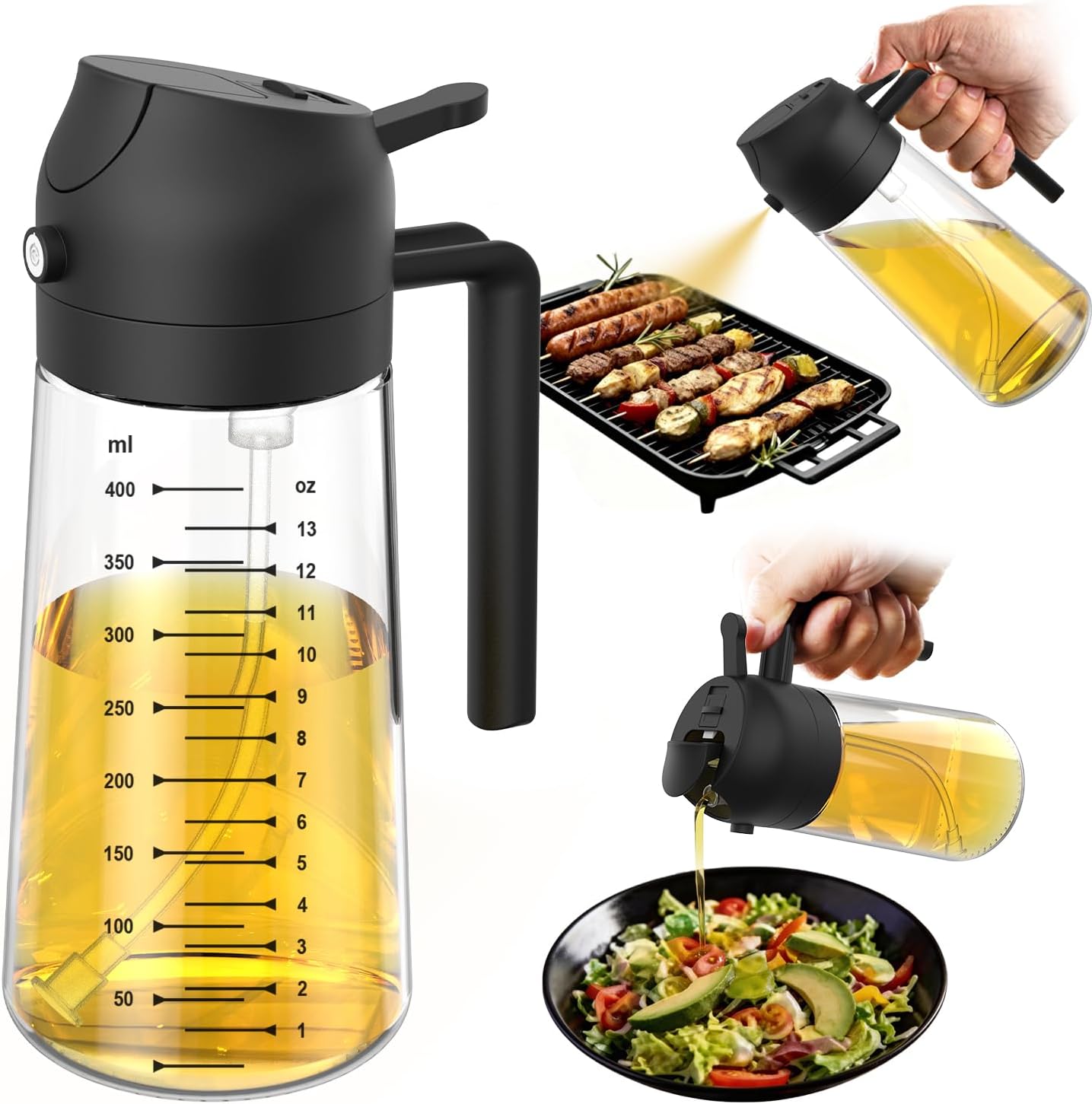
This sprayer offers both a fine mist and a pour spout, giving you flexibility to lightly spray or add more oil as needed. Its 470ml capacity suits frequent air fryer users but glass construction means you must handle it carefully.
Brand: TrendPlain · Price when checked: $8.99 · Rating: 4.4 out of 5 (49,771 ratings)
Pros
- Precise 0.15g oil per spray
- Dual spray and pour functionality
- BPA-free, heat-resistant glass
Cons
- Glass can break if dropped
- Requires cleaning to avoid nozzle clog
Best for portability: CZDIDEXI 200ml Glass Sprayer

At only 200ml and 0.2lb weight, this sprayer is easy to carry for outdoor use or small kitchens. The leak-proof thick glass bottle holds up well, though the smaller volume means more frequent refills for heavy air fryer users.
Brand: Brand: CZDIDEXI · Price when checked: $5.98 · Rating: 4.1 out of 5 (47541 ratings)
Pros
- Lightweight and portable
- Thick, durable glass bottle
- Leak-proof design
Cons
- Limited capacity requires frequent refills
- No fine oil output control specified
Best for stronger oil delivery per spray: Ruolan Oil Sprayer

This sprayer releases 1g of oil per press, which is more than others here. It suits cooks who want quicker oil coverage but risks oversaturating food in an air fryer if not used sparingly. Precision is less refined.
Brand: Ruolan · Price when checked: $14.99 · Rating: 4.3 out of 5 (47541 ratings)
Pros
- Powerful oil spray
- Suitable for quick coverage
- Glass construction
Cons
- Less precise oil control
- Can cause uneven cooking if overused
Best for preserving oil freshness: CXINYI Light-Proof Sprayer

With a light-proof coating and 470ml capacity, this sprayer protects oil from degradation caused by light exposure. It’s ideal for those who store oil sprayers long-term but costs more and has a similar fragile glass body.
Brand: CXINYI · Price when checked: $15.99 · Rating: 4.4 out of 5 (47541 ratings)
Pros
- Light-proof to protect oil quality
- Large 470ml capacity
- Dual spray and pour options
Cons
- Premium price
- Glass fragility
Best for colour options and dual use: TrendPlain 16oz Ash

Functionally identical to the black TrendPlain model, this sprayer adds a colour option to kitchen aesthetics. It shares the same pros and cons, serving well for controlled oil use with care needed around glass.
Brand: TrendPlain · Price when checked: $9.99 · Rating: 4.4 out of 5 (49,771 ratings)
Pros
- Dual spray and pour functionality
- Precise 0.15g oil per spray
- BPA-free, heat-resistant glass
Cons
- Glass can break if dropped
- Needs regular cleaning
Best premium build quality: FLAIROSOL OLIVIA SIGNATURE 200ml

This 200ml glass sprayer is built to last and designed for home cooks who want a reliable, refined oil spray experience. The smaller volume suits occasional air fryer use but is more costly than others with similar size.
Brand: FLAIROSOL · Price when checked: $29.99 · Rating: 4.4 out of 5 (12484 ratings)
Pros
- High-quality glass bottle
- Reliable spray mechanism
- Compact 200ml size
Cons
- Higher price point
- Limited capacity
Best value pack: NORBASE 2-Pack Oil Sprayers

Offering two spray bottles with scale markings, this set is useful if you want one for cooking and one for salad or outdoor use. However, the spray precision is less refined than some glass sprayers, making it less ideal for strict oil control in air frying.
Brand: NORBASE · Rating: 4.3 out of 5
Pros
- Two bottles in one pack
- Scale markings for measuring
- Durable design
Cons
- Less precise spray control
- Material details not specified
How to decide if an oil sprayer is right for you
If you use your air fryer frequently and want to control oil intake precisely, investing in a sprayer with fine mist control and durability is worthwhile. However, if you only air fry occasionally or don’t mind pouring oil manually, a sprayer might add unnecessary steps and cleaning.
Consider capacity based on how often you want to refill, and choose a material that fits your kitchen habits—glass for flavour neutrality but with care, or a sturdier option if you need portability. Also, think about whether you need dual spray and pour functions or just a simple mist for light coating.
For instance, if you prepare multiple air fryer meals daily, a 470ml sprayer with precise control can save time and reduce oil waste. On the other hand, if you air fry once or twice a week, a smaller, simpler sprayer or manual pouring may suffice.
Durability matters too: glass sprayers excel in maintaining oil purity and taste but require careful handling and regular cleaning to avoid breakage and clogging. If you often cook outdoors or travel, a plastic or stainless steel sprayer might be more practical despite potential flavour compromises.
Ultimately, the choice depends on balancing convenience, control, and maintenance efforts to fit your cooking style and kitchen environment.
Related reading
- Sous Vide vs. Air Fryer: Why Precision Cooking Is Winning in 2026
- Top 10 air fryers for a small kitchen with compact designs and practical features
- Air fryer vs convection oven: understanding real differences
Frequently Asked Questions
Why use an oil sprayer instead of regular cooking spray for air fryers?
Regular aerosol cooking sprays often contain propellants and additives that can build up on air fryer components and degrade over time. An oil sprayer that you fill yourself with pure oil avoids these issues, giving you control over oil type and quantity. This helps maintain airflow in the fryer and prevents residue that can degrade performance.
How often should I clean my oil sprayer nozzle?
Cleaning should happen every few uses or whenever you notice sputtering or uneven spray. Oil can thicken or collect dust, clogging the nozzle. Disassemble if possible and rinse with warm soapy water, then dry thoroughly before refilling to maintain consistent spray quality.
Can I use any type of oil in these sprayers for air frying?
Most sprayers work with common cooking oils like olive, canola, vegetable, or avocado oil. However, very thick or infused oils may clog the nozzle. Choose oils with viscosity similar to olive oil for best spray performance and clean the sprayer regularly to avoid buildup.

Rimi Sultana is a home cook from Bangladesh who has cooked for her family every day for the past five years and writes about it at Smart Cooks. Perpetually testing whether internet-famous recipes actually work in a regular home kitchen. Say hello on Facebook or through the contact page.