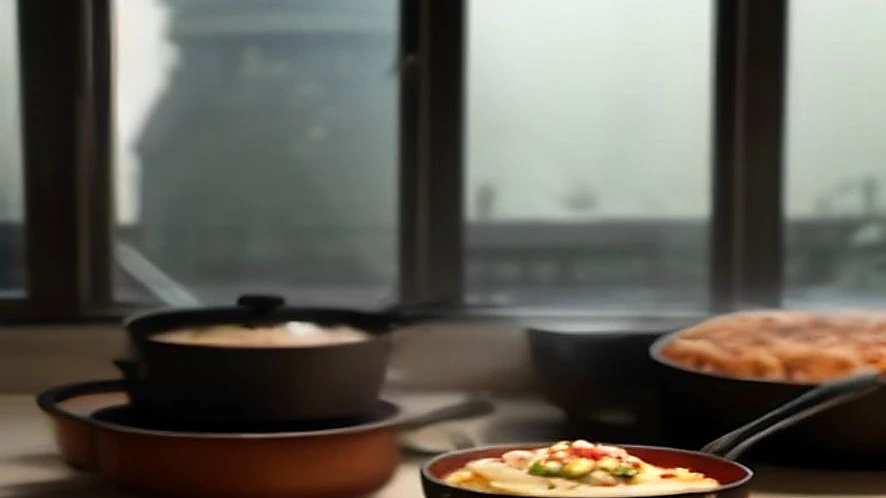
Crepe pans and skillets are both common tools in the kitchen, but their differences go beyond mere shape. While skillets generally have deeper, sloped sides and a thicker base, crepe pans are characteristically shallow, with very low or almost no sides and a large flat surface. These features influence what each pan is best suited for and how heat behaves during cooking.
Some links in this post are affiliate links. If you buy through them we may earn a small commission at no extra cost to you — it never changes which products we recommend.
Many cooks assume that a skillet can substitute for a crepe pan and vice versa, but this overlooks the mechanical effects of design and construction on cooking performance. Understanding these differences can save time and prevent frustration, especially when cooking delicate items like crepes or searing foods that require precise heat control.
Where each one wins
Crepe pans excel at tasks that require spreading thin batter evenly and flipping fragile foods. The low edges mean you can spread crepe batter with a swipe tool easily and flip the finished crepe without scraping it against high sides. The thinner base also heats quickly, allowing for rapid temperature control, which is crucial for cooking delicate pancake-like items without burning.
The mechanism behind this rapid heat adjustment lies in the pan’s construction: the thin base has less thermal mass, so it heats up and cools down faster. For example, a typical 9.44-inch crepe pan weighs around 1.2 lbs (0.54 kg), which is significantly lighter than a skillet, allowing for quicker temperature changes. This responsiveness helps prevent overcooking or burning the crepe, which requires a precise temperature range of about 350°F (175°C) for optimal browning without drying out.
Skillets perform better when you need to cook foods that benefit from higher sides and heat retention. The deeper walls contain oil splatters and juices, making them more versatile for frying eggs, sautéing vegetables, or searing meats. The thicker base holds heat longer, preventing sudden temperature drops when adding cold ingredients, which is essential for achieving a good sear or consistent frying temperature.
This heat retention is due to the skillet’s higher thermal mass: a typical 11-inch stainless steel skillet weighs between 2.5 to 3 lbs (1.1–1.4 kg), which means it stores more heat energy. This allows the pan to maintain a steady temperature even when adding cold food, such as a 1-inch thick steak. Maintaining a surface temperature around 400°F (204°C) is critical for the Maillard reaction, which creates the desirable crust on seared meat. The skillet’s design also reduces temperature fluctuations, allowing for more even cooking and better browning.
In practical terms, the skillet’s higher sides—approximately 2.5 inches (6.4 cm) compared to the crepe pan’s 0.5 inch (1.3 cm)—help contain splattering oil and juices, reducing mess and improving safety. This containment also allows for cooking with larger quantities of oil or liquids, such as when frying chicken or simmering sauces, making the skillet a more versatile option for various cooking methods.
Practical implications and cooking consequences
The design differences between crepe pans and skillets have direct consequences on cooking outcomes. For instance, when making crepes, the large flat surface of a crepe pan—usually around 9.44 inches (24 cm) in diameter—provides ample room to spread the batter thinly and evenly. The lack of high sides means that batter can be swirled effortlessly to achieve a uniform thickness, typically around 1-2 mm, which is essential for the delicate texture and quick cooking time of crepes.
Using a skillet for crepes, especially one with higher sides and a smaller flat base, often results in uneven batter distribution. The batter may pool near the center or edges, leading to thicker, uneven crepes that cook inconsistently. Additionally, the higher sides interfere with flipping; the crepe edges can catch on the walls, causing tearing or folding, which compromises presentation and texture.
Conversely, when searing meats or sautéing vegetables, the skillet’s thicker base and higher sides provide advantages that a crepe pan cannot match. The skillet’s mass allows it to retain heat during the addition of cold or moist ingredients, preventing the temperature from dropping below the critical range needed for effective searing. For example, when searing a 1-inch thick steak, maintaining a surface temperature above 400°F (204°C) is essential to develop a flavorful crust through the Maillard reaction. The skillet’s ability to sustain this temperature ensures a better sear and juicier interior.
The skillet’s deeper sides also allow for cooking techniques involving liquids, such as deglazing with wine or broth to make pan sauces. The containment of liquids prevents spills and allows for more efficient reduction of sauces directly in the pan. In contrast, the shallow sides of a crepe pan make such tasks impractical, as liquids can easily spill over, creating a mess and potential safety hazard.
Weight and handling also influence cooking technique and comfort. The crepe pan’s lightweight design (around 1.2 lbs) makes it easy to maneuver for quick flipping and swirling, reducing fatigue during repetitive cooking tasks like making multiple crepes. The skillet’s heavier weight (up to 3 lbs) offers stability on the stovetop and even heat distribution but requires more effort to handle, which might be tiring during prolonged cooking sessions.
Heat source compatibility is another consideration. Both pans often come with stainless steel construction suitable for induction cooktops. However, the crepe pan’s thin base may heat unevenly on some stovetops, requiring careful heat adjustment to avoid hot spots or warping. Skillets with thicker bases tend to distribute heat more evenly, making them more forgiving for novice cooks.
In summary, the choice between a crepe pan and a skillet affects not only the cooking process but also the quality and consistency of the final dish. Understanding the thermal dynamics, pan dimensions, and material properties helps cooks select the right tool for their specific culinary needs, ensuring better results and a more enjoyable cooking experience.
| Stainless Steel Crepe Pan (Foorey Home, 9.44 inch) | COOKER KING Stainless Steel Skillet (11 inch) | |
|---|---|---|
| Diameter | 9.44 inches (24 cm) | 11 inches (28 cm) |
| Side height | Very low, approx. 0.5 inch (1.3 cm) | Moderate, approx. 2.5 inch (6.4 cm) |
| Weight | Lightweight, around 1.2 lbs (0.54 kg) | Heavier, typically 2.5–3 lbs (1.1–1.4 kg) |
| Heat response | Fast adjustment due to thin base | Slower temperature changes due to thicker base |
| Cooking surface | Flat with honeycomb nonstick pattern | Flat but deeper, plain stainless steel |
| Typical uses | Thin pancakes, crepes, tortillas, quick frying | Searing, frying, sautéing, browning thicker foods |
From my kitchen
Once, I tried making crepes in a standard 11-inch skillet with 2.5-inch sides. The batter didn’t spread evenly because the surface was smaller and the walls interfered with swirling the batter. When flipping, the crepes caught on the skillet’s edges and tore. Switching to a 9.44-inch crepe pan with very low sides made a clear difference. The batter spread perfectly thin and flipping was smooth, avoiding tears. It was a reminder that while skillets can cook many foods, crepe pans are designed specifically for this delicate task.
In addition, the crepe pan’s rapid heat response allowed me to adjust the temperature quickly after each crepe, preventing burning and ensuring consistent color and texture across multiple batches. The skillet’s heavier weight and higher sides made it cumbersome to swirl the batter and required more effort to flip the crepes without damage.
This experience highlighted how the pan’s design impacts not only the cooking process but also the quality of the final product. It reinforced the importance of using the right tool for specific culinary tasks to achieve the best results.
Worth Considering
Best for delicate crepes and pancakes: Foorey Home Stainless Steel Crepe Pan

This pan is designed specifically for crepes and similar foods with its flat surface and very low edges. Its honeycomb nonstick pattern helps release thin pancakes easily. It is not ideal for tasks needing deeper sides or longer heat retention.
Brand: Foorey Home · Price when checked: $27.99 · Rating: 4.2 out of 5 (728 ratings)
Pros
- Low sides for easy flipping
- Honeycomb nonstick surface for release
- Compatible with induction cooktops
Cons
- Smaller diameter limits volume
- Thin base heats quickly but cools fast
Best for versatile frying and searing: COOKER KING 11″ Stainless Steel Skillet

The deeper sides and larger size make this skillet a good all-rounder for frying, sautéing, and searing. Stainless steel construction provides durability but requires more attention to temperature control. Not ideal for crepes that need thin, even spreading and flipping.
Brand: COOKER KING · Price when checked: $29.99 · Rating: 4.2 out of 5 (1290 ratings)
Pros
- Larger cooking surface
- Deeper sides contain food and oil
- Thicker base for heat retention
Cons
- Heavier and bulkier
- Not suited for spreading thin batter
When neither a crepe pan nor skillet is the best choice
If your primary interest is cooking crepes regularly but also want effortless cleaning and very even nonstick performance, a specialised nonstick crepe pan or an electric crepe maker might be better. These often have coatings and heating elements tuned specifically for crepes, reducing sticking and burnt spots.
Conversely, for high-heat frying or searing where heat retention and durability are critical, a cast iron skillet outperforms both stainless steel crepe pans and lighter skillets. Cast iron holds temperature extremely well and forms a natural nonstick surface when seasoned properly, but it is heavy and requires maintenance.
In short, choose a crepe pan if thin, delicate pancakes are your focus; choose a skillet for general frying and searing. If your needs go beyond these, look to specialized pans or materials.
Related reading
- 7 Best Indian Pressure Cookers in 2026 (Inner Lid vs Outer Lid, Explained)
- Fluffy Gluten Free Pancakes (Easy Recipe!)
- How to choose the best 2 burner gas cooktop for your kitchen
Frequently Asked Questions
Can I use a skillet to make crepes instead of a crepe pan?
You can make crepes in a skillet, but you’ll face challenges spreading the batter evenly due to higher sides and often a smaller flat cooking surface. The walls can also make flipping difficult, increasing the risk of tearing. A shallow crepe pan allows batter to spread thinly and flips easily, which is why it’s the preferred tool for consistent crepes.
Does the material of the pan affect crepe cooking?
Yes. Materials like stainless steel with layered bases heat evenly if designed well, but often need a nonstick coating or seasoning for crepes to release cleanly. Carbon steel crepe pans heat rapidly and develop a natural patina that helps nonstick performance over time. Aluminium pans conduct heat quickly but may warp if thin. The best choice depends on your heat source and maintenance willingness.
Why do crepe pans have such low sides compared to skillets?
Low sides make it easier to spread batter thinly by tilting or swirling the pan and facilitate flipping the delicate crepe without it catching or tearing on higher walls. Skillets’ higher sides contain oils and food but hinder these actions, making crepe pans the practical choice for batter-based pancakes.
Related: Egg pan vs frying pan: practical differences for cooking eggs
Rimi Sultana is a home cook from Bangladesh who has cooked for her family every day for the past five years and writes about it at Smart Cooks. Perpetually testing whether internet-famous recipes actually work in a regular home kitchen. Say hello on Facebook or through the contact page.