Sauté pans and skillets often get lumped together since both are flat-bottomed pans used on stovetops, but their shapes and wall heights create distinct cooking effects. While a skillet typically has a wide, gently sloped sidewall designed for easy stirring and flipping, a sauté pan features taller, straight sides which contain moisture and limit splatter.
Some links in this post are affiliate links. If you buy through them we may earn a small commission at no extra cost to you — it never changes which products we recommend.
These physical differences influence more than just appearance; they determine how heat behaves inside the pan, how liquid evaporates or stays, and ultimately which dishes each pan excels at. Understanding these mechanisms helps you pick the right tool for tasks like searing, frying, simmering, or braising.
How pan shape and wall height affect cooking dynamics
The fundamental difference between a sauté pan and a skillet lies in their wall height and shape, which directly impacts cooking dynamics. A sauté pan’s tall, straight sides, typically about 3-4 inches (7.5-10 cm), create a more enclosed environment that traps steam and moisture. This containment slows evaporation, allowing liquids to simmer gently without drying out quickly. The reduced surface area exposed to air helps maintain sauces and braises, making the pan ideal for recipes requiring longer cooking times or moisture retention.
In contrast, a skillet’s low, sloping sides, generally 1.5-2.5 inches (4-6.5 cm) in height, provide a wide surface area exposed to air. This design encourages rapid evaporation, which is beneficial when you want to reduce sauces quickly or achieve a crisp sear on meats. The sloped sides also facilitate easy tossing and flipping of ingredients, promoting even cooking and browning. However, the increased airflow can cause liquids to evaporate too fast, potentially drying out delicate sauces or braises.
Heat distribution is another critical factor influenced by pan design. Both sauté pans and skillets often feature flat bottoms to maximize contact with the heat source, but the construction materials and thickness affect how heat spreads. For example, tri-ply clad sauté pans combine layers of stainless steel and aluminum to ensure even heating and minimize hotspots, essential for precise cooking. Skillets made from cast aluminum or cast iron offer excellent heat retention and distribution but differ in weight and response time. Understanding these heat characteristics helps in selecting the right pan for your cooking style.
Where each one wins
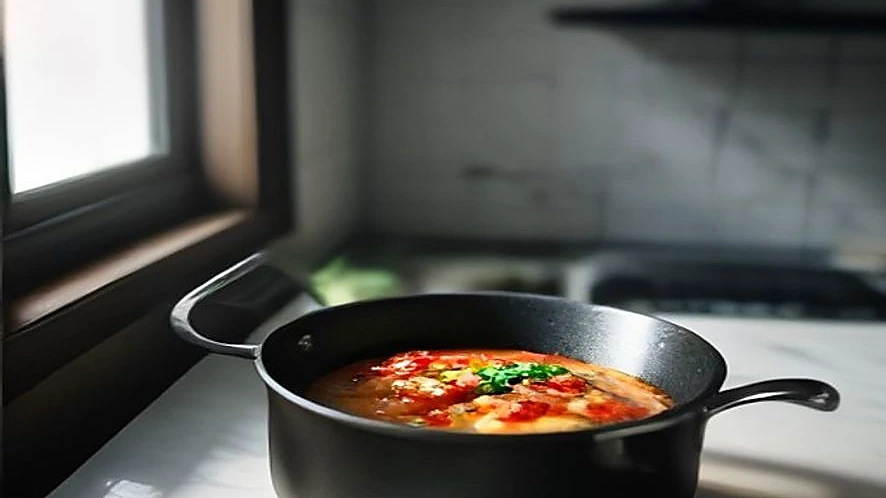
A sauté pan is the better choice when you need to cook dishes involving liquids or sauces that must not evaporate quickly, such as risottos, braises, or pan sauces. Its tall sides keep food contained, reduce splatter, and help maintain moisture for slow or gentle cooking. For instance, when preparing a classic coq au vin, the sauté pan’s design allows the chicken to simmer in wine and stock without rapid evaporation, ensuring tender, flavorful results.
Skillets outperform sauté pans for tasks requiring quick evaporation, high-heat searing, or frequent tossing of ingredients. Their sloped sides make it easy to flip pancakes, stir-fry vegetables, or brown meats evenly. The increased airflow also promotes crust formation on proteins. When searing a steak to develop a Maillard crust, the skillet’s design allows moisture to escape quickly, preventing steaming and encouraging a flavorful, crispy exterior.
If you want one pan for quick searing and flipping with occasional sauce making, a skillet may suffice. But for recipes relying on simmering or liquid control, a sauté pan brings more versatility. Quantitatively, the sauté pan’s taller sides can reduce evaporation rates by up to 30% compared to a skillet, which can be the difference between a perfectly reduced sauce and one that burns or dries out.
Moreover, the sauté pan’s straight sides make it less efficient for tossing food, which can be a drawback when stir-frying or flipping small items. Conversely, skillets allow for easier food manipulation but sacrifice some moisture retention and splatter control. This trade-off is important to consider depending on the cooking technique and recipe requirements.
In terms of capacity, sauté pans often come in larger sizes, such as 3.6 quarts or more, accommodating higher volumes of food and liquids. Skillets, while available in various sizes, typically range from 8 to 12 inches in diameter, optimized for quick cooking and browning rather than volume.
| Feature | Sauté pan | Skillet |
|---|---|---|
| Wall height | High, straight sides about 3-4 inches (7.5-10 cm) | Low, gently sloped sides about 1.5-2.5 inches (4-6.5 cm) |
| Shape | Flat bottom with straight, vertical sides | Flat bottom with flared, sloping sides |
| Cooking liquid retention | Better at retaining liquids and sauces | Allows faster evaporation, less liquid retention |
| Surface area exposed to air | Smaller surface area exposed | Larger surface area exposed |
| Best suited for | Searing, sautéing with liquids, braising, shallow frying | Pan-frying, stir-frying, flipping, searing dry foods |
| Ease of tossing food | Harder to toss due to higher sides | Easier to toss and flip ingredients |
From my kitchen
Once I tried to make a pan sauce after searing chicken breasts in a skillet with low sides. The sauce reduced too quickly, almost drying out before it thickened because the wide open shape accelerated evaporation. Next time, I switched to a COOKER KING 3.6Qt Hybrid Sauté Pan with its 3.6-quart capacity and straight, high walls. The sauce stayed moist longer, allowing the flavours to meld properly without burning or drying. That pan’s tri-ply clad base ensured even heat distribution for searing while its high walls prevented splatters and kept the liquid contained.
The tri-ply construction of the pan means that heat is distributed evenly across the surface, avoiding hotspots that can cause uneven cooking or burning. This is especially important for delicate sauces or dishes requiring precise temperature control. The heavier weight of the sauté pan compared to my skillet also contributed to better heat retention, maintaining consistent temperature during cooking.
However, I noticed that tossing vegetables or flipping smaller items was more cumbersome in the sauté pan due to its higher walls. For quick stir-fries or pancakes, I still prefer the skillet’s sloped sides and lighter feel, which allow for more agile movements. This balance between moisture control and ease of food manipulation highlights why having both pans in the kitchen can be beneficial depending on the cooking task.
Worth Considering
Best for liquid-based cooking: COOKER KING 3.6Qt Hybrid Sauté Pan

This sauté pan excels when you need to contain liquids and cook evenly without hotspots. Its laser-etched nonstick surface combined with a tri-ply clad aluminum core offers controlled searing and easy release. Not ideal if you want easy tossing or flipping of small items due to its deep walls.
Brand: COOKER KING · Price when checked: $32.99 · Rating: 4.6 out of 5 (205 ratings)
Pros
- Tri-ply clad construction for uniform heat
- High, straight sides reduce splatter and retain moisture
- Oven safe up to 900°F (lid 400°F) and induction compatible
Cons
- Higher sides make tossing food more difficult
- Heavier than typical skillets, less nimble for quick flips
Best for tossing and quick searing: SENSARTE Nonstick Frying Pan Skillet

This skillet offers a wide 12-inch base with gently sloped sides ideal for flipping, stir-frying, and frying where fast evaporation is desired. Its heavy-duty cast aluminium base heats evenly but is less suited to liquid-heavy recipes that require simmering or braising.
Brand: SENSARTE · Price when checked: $39.99 · Rating: 4.5 out of 5 (4,226 ratings)
Pros
- Wide surface area and low sides for quick evaporation
- Nonstick ILAG coating reduces oil use and eases cleaning
- Induction compatible with durable cast aluminium base
Cons
- Faster evaporation can cause sauces to dry out quickly
- Not ideal for cooking large volumes of liquid or slow simmering
When neither sauté pan nor skillet is the right choice
If your cooking regularly involves very high-volume liquids, deep frying, or slow braises, a deeper pot or a Dutch oven is preferable to either a sauté pan or skillet. These vessels have thicker walls and heavier lids designed to trap moisture and maintain stable temperatures over long cooks.
Similarly, for very high-heat searing of thin cuts or crepes, a specialised cast iron griddle or crepe pan might serve better because of their specific surface texture and heat retention properties.
Choosing the right pan depends on matching your cooking style and recipes to the pan’s physical design and heat behaviour rather than defaulting to one pan for all tasks.
Related reading
- Dutch oven vs stock pot: real differences for cooking and use
- Best Portable Induction Cooktops with Precise Temperature Control
- How to choose the best 2 burner gas cooktop for your kitchen
Frequently Asked Questions
Can I use a sauté pan like a skillet?
Yes, you can use a sauté pan for many tasks similar to a skillet, such as searing or frying. However, its high straight sides may make tossing or flipping food more awkward compared to the sloped sides of a skillet. This can affect cooking techniques that require frequent stirring or turning.
Is a skillet the same as a frying pan?
In many regions, the terms skillet and frying pan are used interchangeably. Both have flat bottoms and low, sloped sides for frying and sautéing. However, some cooks distinguish skillets as heavier, often cast iron pans, while frying pans can be lighter and made from various materials.
Which pan is better for induction cooktops?
Both sauté pans and skillets can be made induction compatible if they have a magnetic base, such as stainless steel encapsulating an aluminum core or cast iron construction. For example, the COOKER KING sauté pan uses tri-ply clad stainless steel for induction readiness, while the SENSARTE skillet has a cast aluminium base with induction compatibility.
Related: Kadai vs wok: understanding their design and cooking impact
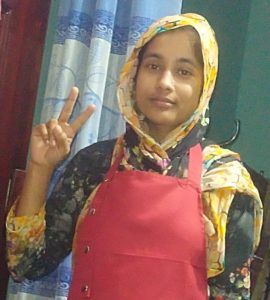
Rimi Sultana is a home cook from Bangladesh who has cooked for her family every day for the past five years and writes about it at Smart Cooks. Perpetually testing whether internet-famous recipes actually work in a regular home kitchen. Say hello on Facebook or through the contact page.