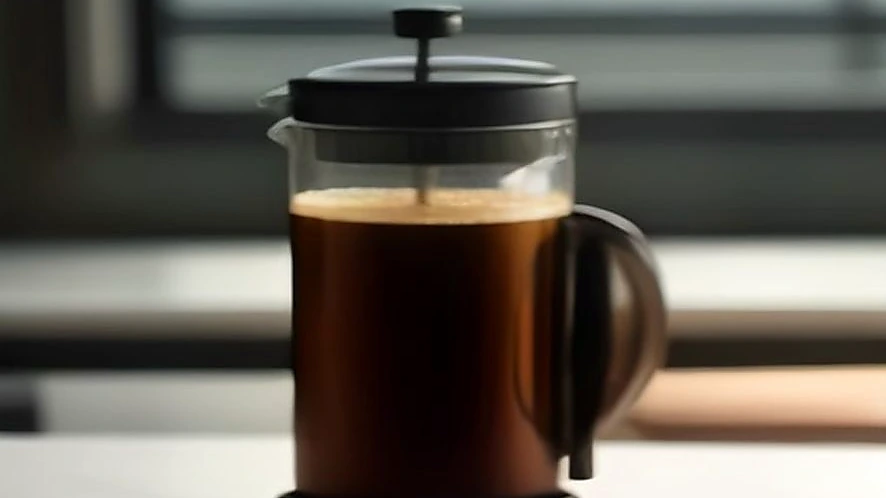
Cold brew makers and French presses often get lumped together because they both involve steeping coffee grounds in water. However, the conditions and equipment used mean they extract coffee in fundamentally different ways, affecting time, flavour, and texture.
Some links in this post are affiliate links. If you buy through them we may earn a small commission at no extra cost to you — it never changes which products we recommend.
Understanding the differences between these two brewing methods requires looking past general claims of smoothness or convenience. Instead, focus on how temperature, filtration, and steep time shape the coffee outcome and which tool suits particular needs.
Where each one wins
Cold brew makers excel when you want a batch of coffee concentrate that can be stored in the fridge for up to two weeks without significant flavour degradation. The cold water extraction emphasises smooth, sweet notes with low acidity, making it suitable for those sensitive to bitterness or acid reflux. The filtration systems in dedicated cold brew makers reduce sediment, producing a cleaner cup without additional straining.
French presses are better suited for quick brewing when you want to enjoy hot coffee fresh. The metal mesh filter allows oils and fine particles through, giving a fuller mouthfeel and richer flavour complexity, desirable for traditional coffee drinkers. It also serves multiple functions, like making tea or frothing milk, making it more versatile in some kitchens.
The mechanism behind cold brew’s smoothness lies in the low temperature of extraction. At temperatures between 4°C to 22°C (39°F to 72°F), the solubility of many bitter compounds and acids is significantly reduced. This means that compounds like chlorogenic acid lactones, which contribute to acidity and bitterness, are less extracted compared to hot brewing. The long steep time of 12 to 24 hours compensates for the slow extraction rate, allowing sufficient caffeine and flavour compounds to dissolve, resulting in a sweet, mellow profile.
In contrast, French press brewing uses near-boiling water (90°C to 96°C or 194°F to 205°F) to rapidly extract coffee solubles. The hot water extracts a broader range of compounds including oils, acids, and fine particles, which contribute to a robust, full-bodied flavour but also increase bitterness and sediment. The metal mesh filter design permits these oils and fine particles to pass through, enhancing mouthfeel but also resulting in a thicker texture with some grit.
Quantitatively, cold brew often yields a concentrate with caffeine content ranging from 150 to 200 mg per 8-ounce serving depending on steep time and coffee-to-water ratio, which can be diluted to taste. French press coffee generally contains about 80 to 120 mg of caffeine per 8-ounce cup, with variability based on grind size and steep duration. The higher caffeine in cold brew is due to prolonged extraction time, but dilution means actual intake varies.
From a practical standpoint, cold brew makers typically produce about 1 litre per batch, making them ideal for preparing several servings in advance. This batch can be refrigerated and consumed over several days without significant loss of flavour or quality. French presses often have capacities up to 1.5 litres, allowing for immediate brewing of multiple cups, but the coffee is best consumed fresh to avoid bitterness from over-extraction and sediment settling.
The consequences of these differences affect user preferences and health considerations. Cold brew’s lower acidity can be gentler on the stomach and reduce acid reflux symptoms, while French press coffee’s higher acidity and oils might be less suitable for sensitive individuals. Additionally, the sediment in French press coffee may contribute to higher levels of cafestol, a compound known to raise LDL cholesterol, which is largely filtered out in cold brew.
In terms of maintenance, cold brew makers require careful cleaning of multiple fine filters to prevent buildup of oils and residues that can affect taste over time. French presses have simpler cleaning needs but the metal mesh filter must be scrubbed thoroughly to remove trapped grounds. The material of the device (glass vs stainless steel) also affects durability and cleaning methods.
From My Kitchen
Once, I tried using a French press to prepare cold brew by steeping coarse grounds in cold water overnight. The result was a gritty, muddy coffee with unpleasant sediment that clogged the filter and made pouring difficult. Switching to a dedicated cold brew maker with finer filtration eliminated this issue, producing a smooth, clean concentrate I could easily dilute and serve chilled without clogging or extra straining.
This experience highlighted the importance of matching equipment to brewing method. The French press’s single metal mesh filter is designed for hot water extraction and short steep times, so when used for cold brew, the coarse mesh fails to trap fine particles that settle and cause sediment. Additionally, the cold water extraction in a French press does not benefit from the optimized filtration systems of cold brew makers, which often include multiple layers of micro-mesh or cloth filters designed to produce a sediment-free concentrate.
Moreover, the longer steep time of cold brew requires equipment that can handle extended immersion without degradation or flavor contamination. The dedicated cold brew maker’s design ensures consistent extraction and filtration throughout the 12-24 hour period, whereas the French press materials and seals might not be optimized for such long use.
In terms of flavour, the cold brew made with the dedicated maker had a noticeably sweeter and less acidic profile compared to the French press cold brew attempt, confirming the scientific principles behind temperature and filtration effects on coffee solubles. This smoothness was appreciated by family members sensitive to acidity and bitterness.
Overall, this kitchen trial reinforced that while the French press is excellent for quick, hot coffee with full flavour complexity, it is not a substitute for a cold brew maker when the goal is a clean, smooth cold coffee concentrate.
| Attribute | Cold brew maker | French press |
|---|---|---|
| Water temperature | 4°C to 22°C (39°F to 72°F) | 90°C to 96°C (194°F to 205°F) |
| Steep time | 12 to 24 hours | 3 to 5 minutes |
| Filtration method | Fine micro-mesh or multi-layer filters to reduce sediment | Single metal mesh filter allowing some fines and oils through |
| Resulting coffee texture | Smooth, clean, low sediment | Full-bodied, thicker, with some grit |
| Caffeine extraction | Generally higher due to longer steep time | Moderate, depends on coffee-to-water ratio and steep time |
| Typical brew volume | 1 litre (varies by maker) | Up to 1.5 litres (e.g., Secura 50 oz model) |
From My Kitchen
Once, I tried using a French press to prepare cold brew by steeping coarse grounds in cold water overnight. The result was a gritty, muddy coffee with unpleasant sediment that clogged the filter and made pouring difficult. Switching to a dedicated cold brew maker with finer filtration eliminated this issue, producing a smooth, clean concentrate I could easily dilute and serve chilled without clogging or extra straining.
This experience highlighted the importance of matching equipment to brewing method. The French press’s single metal mesh filter is designed for hot water extraction and short steep times, so when used for cold brew, the coarse mesh fails to trap fine particles that settle and cause sediment. Additionally, the cold water extraction in a French press does not benefit from the optimized filtration systems of cold brew makers, which often include multiple layers of micro-mesh or cloth filters designed to produce a sediment-free concentrate.
Moreover, the longer steep time of cold brew requires equipment that can handle extended immersion without degradation or flavor contamination. The dedicated cold brew maker’s design ensures consistent extraction and filtration throughout the 12-24 hour period, whereas the French press materials and seals might not be optimized for such long use.
In terms of flavour, the cold brew made with the dedicated maker had a noticeably sweeter and less acidic profile compared to the French press cold brew attempt, confirming the scientific principles behind temperature and filtration effects on coffee solubles. This smoothness was appreciated by family members sensitive to acidity and bitterness.
Overall, this kitchen trial reinforced that while the French press is excellent for quick, hot coffee with full flavour complexity, it is not a substitute for a cold brew maker when the goal is a clean, smooth cold coffee concentrate.
Worth Considering
Best for hot and versatile brewing: Secura French Press Coffee Maker

The Secura French press is a solid choice for those who want a sturdy, thermal stainless steel model that can brew hot coffee quickly with a full-bodied flavour. Its triple-layered metal filter traps most grounds but still lets oils through, which means some sediment is inevitable. It is less suited for cold brew concentrate due to sediment and longer steep times.
Brand: Secura · Price when checked: $42.99 · Rating: 4.6 out of 5 (33691 ratings)
Pros
- Durable 304 stainless steel interior and exterior
- Triple-layered filter structure reduces grounds in cup
- Dishwasher safe and insulated to keep coffee hot
Cons
- Not designed for extended cold brew steeping
- Metal mesh filter allows some sediment and oils through
Best for clean cold brew concentrate: YMMIND French Press Coffee Maker (600ml)

This YMMIND model, with its heat-resistant borosilicate glass and four-filter system, can double as a cold brew maker by trapping finer particles better than traditional French presses. It is compact and suited for cold brewing and tea making. However, the smaller capacity and glass construction require careful handling and longer cold brew steeping times.
Brand: Brand: YMMIND · Price when checked: $16.99 · Rating: 4.6 out of 5 (363 ratings)
Pros
- Four-layer filter system captures finer grounds
- Versatile for coffee, tea, and cold brew
- Heat-resistant glass for easy cleaning
Cons
- Smaller 600ml capacity limits batch size
- Glass body less insulated and fragile compared to steel
When neither cold brew maker nor French press is right
If you want single-serve coffee quickly or espresso-style shots, neither cold brew makers nor French presses are ideal. Cold brew makers require long steeping times unsuitable for immediate use, and French presses do not produce the pressure needed for espresso extraction. For those needing rapid, hot coffee without sediment, drip coffee makers or pod machines may be better. Likewise, when clarity with no sediment is critical for hot coffee, paper-filter drip brewers excel where French presses fall short.
Related reading
- Best Tofu Presses for Making Extra-Firm Tofu
- Garlic Press vs Mincing by Hand: Does It Matter for Sauces?
- Garlic press vs garlic rocker: how their mechanics affect your cooking
Frequently Asked Questions
Can I use the same coffee grind size for cold brew maker and French press?
No. Cold brew extraction requires a coarse grind to prevent over-extraction during the long steep time and to reduce clogging filters. French press also uses coarse grounds but they are slightly finer than for cold brew since hot water extracts more quickly. Using too fine a grind in either leads to increased sediment and bitterness.
Does cold brew coffee have more caffeine than French press coffee?
Cold brew coffee typically contains more caffeine per volume because of the longer steeping time allowing more caffeine to dissolve. However, cold brew is often diluted before drinking, which reduces caffeine concentration. French press coffee has moderate caffeine extracted in minutes, but final caffeine depends on bean type, grind size, and ratio.
How do I clean a cold brew maker compared to a French press?
Cold brew makers often have multiple fine filters that require careful rinsing to remove trapped oils and grounds. Some parts may be dishwasher safe. French presses have fewer parts but the metal mesh filter can trap grounds and oils, needing thorough scrubbing. Glass French presses need gentle handling during cleaning compared to stainless steel cold brew makers.
Related: Sandwich maker vs grill pan: understanding the real differences

Rimi Sultana is a home cook from Bangladesh who has cooked for her family every day for the past five years and writes about it at Smart Cooks. Perpetually testing whether internet-famous recipes actually work in a regular home kitchen. Say hello on Facebook or through the contact page.