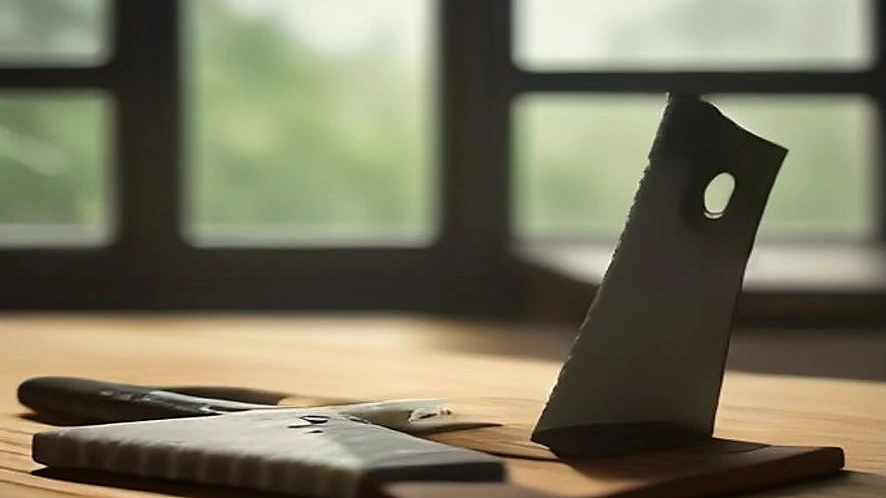
Chef knives and santoku knives are often confused or lumped together as interchangeable tools in the kitchen, but their differences go beyond just shape. Each design reflects a distinct approach to cutting, influenced by cultural cooking styles and technique preferences.
Some links in this post are affiliate links. If you buy through them we may earn a small commission at no extra cost to you — it never changes which products we recommend.
Understanding how these knives differ in blade geometry, edge angle, and handling can clarify which suits your cooking habits better. This is not about which is objectively superior but about what each excels at and where they fall short.
Where each one wins
Chef knives are better suited for tasks that require a rocking motion and versatility, such as mincing herbs, chopping onions, or breaking down larger vegetables and meats. The curved blade helps maintain contact with the board, speeding up these repetitive cuts. This rocking motion allows for continuous contact between the blade and cutting surface, which reduces fatigue and increases precision over long periods. The blade length, typically 8 to 10 inches (20 to 25 cm), provides a broad surface area that can handle larger items efficiently and supports a variety of cutting techniques including slicing, dicing, and chopping.
Santoku knives excel at precise slicing and push-cutting, making them ideal for thin slicing of fish, vegetables, and boneless meats. Their flatter edge gives more control for straight cuts and even thin slices, which is why they are popular in Japanese and other Asian cuisines. The blade length usually ranges from 5 to 7 inches (13 to 18 cm), which makes the knife lighter and easier to maneuver for intricate tasks. The edge angle, sharper at around 12 to 15 degrees per side, allows for cleaner cuts but requires more frequent maintenance to keep the edge intact. The push-cut technique involves pressing the knife down and forward in a straight line, which is effective for delicate ingredients and results in less bruising or tearing.
If you prefer lighter knives that favor quick, controlled slicing over forceful chopping or if you mainly prepare vegetables and boneless proteins, a santoku is a good choice. For heavier-duty tasks or a wider range of cutting techniques, a chef knife is usually better. The weight and balance differ significantly: chef knives are generally heavier with balanced weight distribution that aids in chopping through denser foods, while santoku knives are lighter and often front-heavy for enhanced control during slicing. This difference influences user fatigue and precision depending on the task at hand.
In terms of steel hardness, chef knives often use softer stainless steel, which is easier to sharpen and maintain but may lose its edge faster under heavy use. Santoku knives typically feature harder high-carbon stainless steel or powder steel, which holds a sharper edge longer but can be more brittle and challenging to sharpen. This trade-off affects the knife’s longevity and the frequency of maintenance required.
The consequences of choosing one knife over the other extend beyond comfort and technique. Using a santoku knife for heavy chopping can lead to blade damage or user fatigue due to its shorter, lighter design and less curved edge. Conversely, using a chef knife for delicate slicing might result in less precise cuts and potential tearing of soft ingredients. Understanding these nuances helps cooks optimize their workflow and food presentation.
| Attribute | Chef knife | Santoku knife |
|---|---|---|
| Blade length | Typically 8 to 10 inches (20 to 25 cm) | Usually 5 to 7 inches (13 to 18 cm) |
| Blade shape | Curved edge with pointed tip | Flatter edge with a rounded or sheepsfoot tip |
| Cutting motion | Rocking motion for fine chopping | Push-cutting and slicing in straight lines |
| Edge angle | About 20 degrees per side (durable) | Sharper, around 12 to 15 degrees per side (delicate) |
| Weight and balance | Generally heavier with balanced weight | Lighter and often front-heavy for control |
| Typical steel hardness | Varies, often softer stainless steel | Usually harder high-carbon stainless steel or powder steel |
From my kitchen
Once I tried to julienne carrots using a santoku knife, which felt too short and too flat for the quick rocking motion I was used to with my chef knife. My cuts were uneven and slower. Switching back to my 8-inch chef knife allowed me to use the rocking motion effectively, speeding up the process and producing uniform strips. This experience highlighted the importance of blade length and curvature in facilitating efficient chopping motions. The longer curved blade of the chef knife supports a fluid rocking action that is difficult to replicate with the flatter santoku blade.
However, when slicing thin pieces of salmon for sashimi, the chef knife felt clumsy. The santoku’s flatter blade and sharper edge made cleaner, more precise cuts without tearing the fish. That episode highlighted how the intended cutting method and food type can make one knife more appropriate than the other. The santoku’s sharper edge angle of approximately 12 degrees per side allowed for delicate slicing, preserving the texture and appearance of the salmon. This precision is crucial in Japanese cuisine, where presentation and texture are paramount.
Worth Considering
Best for traditional chef knife tasks: imarku Santoku Knife 5 Inch

Although labelled a santoku, this 5-inch blade is on the shorter side and is crafted from Japanese high carbon stainless steel with a pakkawood handle. It is sharp and precise, suited to slicing and push-cutting but less ideal for chopping with a rocking motion due to its shorter length.
Brand: imarku
Pros
- Sharp edge with a narrow angle for clean slices
- Durable high carbon stainless steel blade
- Comfortable pakkawood handle with good grip
Cons
- Shorter blade limits rocking chopping
- Requires careful sharpening due to harder steel
Best for general kitchen use with push-cutting: HAST 6-Inch Santoku Knife

Made from advanced powder steel, this 6-inch santoku is lightweight and ergonomic, favouring precise slicing and chopping with a push-cut. Its design is less suited for heavy-duty tasks or rocking chopping that longer chef knives handle better.
Brand: HAST
Pros
- Lightweight for less hand fatigue
- Ultra-sharp edge for thin slicing
- Ergonomic handle designed for control
Cons
- Less effective for rocking chopping
- Blade length may be short for large ingredients
When neither a chef knife nor a santoku is the right answer
If you frequently work with very small tasks like paring, peeling, or intricate vegetable carving, neither a chef knife nor a santoku is ideal. A dedicated paring knife with a small, pointed blade offers better control for these precision tasks. The small blade size, typically 3 to 4 inches, allows for detailed work and reduces the risk of slipping or overcutting.
Similarly, for breaking down whole poultry or large cuts of meat, a cleaver or boning knife is often necessary. These knives have thicker, heavier blades or specialised shapes that neither chef nor santoku knives provide. Cleavers, for example, have thick, heavy blades designed to cut through bone and cartilage, while boning knives have narrow, flexible blades that allow for precise separation of meat from bone.
Choosing a knife depends on your cooking style and ingredients. Sometimes having more specialised knives beyond these two main types will improve efficiency and safety in the kitchen. For instance, a serrated knife is essential for cutting bread or tomatoes without crushing them, and a utility knife fills the gap between paring and chef knives for medium-sized tasks. Understanding when to use each knife type reduces wear on your tools and enhances your culinary results.
Frequently Asked Questions
Can a santoku knife replace a chef knife entirely?
A santoku can cover many tasks a chef knife does, especially slicing and chopping vegetables and boneless proteins. However, its shorter, less curved blade limits rocking chopping efficiency. For cooks who rely heavily on the rocking technique or cut larger items, a chef knife remains more practical.
What sharpening angle is best for santoku vs chef knives?
Santoku knives typically have a sharper edge angle of about 12 to 15 degrees per side to maximise cutting precision, but this makes them more delicate. Chef knives usually have a wider angle near 20 degrees per side, which trades some sharpness for edge durability and easier maintenance.
Which knife is better for beginners, chef or santoku?
Beginners often find chef knives easier for mastering basic chopping because the curved blade guides a natural rocking motion. Santoku knives require a different push-cutting technique that can take some adjustment. The choice depends on what cutting style feels more intuitive.
Related: Mixer grinder vs wet grinder: Understanding the real differences
Related: Espresso machine vs moka pot: understanding real differences in brewing and taste
Related: Cold brew maker vs French press: understanding the real differences
Related: Sandwich maker vs grill pan: understanding the real differences
Related: Pizza stone vs pizza steel: understanding the real differences
Related: Kitchen scale vs measuring cups: Understanding their real differences
Rimi Sultana is a home cook from Bangladesh who has cooked for her family every day for the past five years and writes about it at Smart Cooks. Perpetually testing whether internet-famous recipes actually work in a regular home kitchen. Say hello on Facebook or through the contact page.