Choosing between an espresso machine and a moka pot often comes down to how they brew coffee and the kind of coffee experience you want. While both produce strong coffee, the mechanisms they use and the results they yield are quite distinct, affecting taste, texture, and convenience.
Some links in this post are affiliate links. If you buy through them we may earn a small commission at no extra cost to you — it never changes which products we recommend.
Understanding how these devices work under the hood will clarify why espresso machines deliver a different cup compared to moka pots. This helps you decide which device fits your routine, kitchen space, and coffee preferences rather than relying on marketing claims.
Where each one wins
Espresso machines excel when you want authentic espresso with crema, complex flavor layers, and the ability to make milk-based drinks like cappuccinos and lattes. Their precise control over pressure and temperature allows for more consistent shots and recipe experimentation.
Moka pots are better for those seeking a simple, lower-cost way to make strong coffee without electricity or complex operation. They are portable, easy to clean, and deliver a robust brew that is richer than drip coffee but not as intense or textured as true espresso.
Technical and practical differences in detail
The brewing mechanism is the fundamental difference between espresso machines and moka pots. Espresso machines use a pump to generate about 9 bars (130 psi) of pressure, which forces hot water through finely ground coffee at a controlled temperature of 90–96°C (194–205°F). This high pressure extracts oils and solids from the coffee grounds rapidly, typically within 25–30 seconds, producing a concentrated shot with a characteristic layer of crema—a stable foam of coffee oils and microbubbles that adds texture and enhances aroma.
In contrast, moka pots rely on steam pressure generated by boiling water in a sealed lower chamber. The pressure reaches only about 1 to 2 bars (15–30 psi), significantly less than an espresso machine. Water temperature is near boiling (~100°C or 212°F) but not precisely controlled, and the brewing time is longer, usually 4 to 5 minutes. The coffee grounds used are medium-fine, coarser than espresso grind, which influences extraction rate and flavor profile. Due to the lower pressure, moka pot coffee lacks true crema and has a different mouthfeel—more robust than drip coffee but less intense and less textured than espresso.
These differences in pressure and temperature control have measurable impacts on coffee chemistry. The higher pressure in espresso machines increases extraction of oils, acids, and soluble solids, resulting in a shot with approximately 8–12% total dissolved solids (TDS). Moka pot coffee typically has a lower TDS, around 4–6%, indicating less concentrated extraction. This affects not only strength but also flavor complexity and balance.
From a practical standpoint, espresso machines require electricity, have a higher initial cost ranging from a few hundred to several thousand dollars, and involve a steeper learning curve to master grind size, tamp pressure, and brewing parameters. They also include components like portafilters, steam wands, and internal water lines that need regular cleaning and maintenance to ensure performance and longevity.
Moka pots are inexpensive (usually $30–$80), compact, and operate on any stovetop without electricity, making them highly portable and easy to maintain. Their simple three-part design—water chamber, coffee basket, and upper chamber—can be disassembled and cleaned quickly. However, the lack of precise control over pressure and temperature limits the ability to fine-tune extraction and replicate espresso-style drinks, especially milk-based beverages that rely on crema for texture and sweetness.
| Attribute | Espresso machine | Moka pot |
|---|---|---|
| Operating pressure | Around 9 bars (130 psi) via pump | 1 to 2 bars (15–30 psi) from steam pressure |
| Water temperature control | Precise control around 90–96°C (194–205°F) | Boiling point ~100°C (212°F), no control |
| Brewing time | 25–30 seconds per shot | 4 to 5 minutes per brew |
| Grind size | Fine, almost powdery | Medium-fine, coarser than espresso grind |
| Crema production | Produces thick, stable crema | No crema, lighter foam if any |
| Typical cost (device only) | Ranges from a few hundred to thousands of dollars | Between $30 and $80 |
From my kitchen
Once, I tried using a moka pot to make espresso-based milk drinks for guests. The coffee was strong but lacked crema and had a slightly bitter edge, which made it hard to get a smooth texture in the milk. Switching to my espresso machine brought immediate improvement: the crema gave body and sweetness, and the milk integrated better. That day reminded me that while moka pots are handy, they don’t replicate the pressure-driven extraction needed for classic espresso textures.
This experience highlights how the crema produced by espresso machines is not just aesthetic but functional—it emulsifies milk and balances bitterness, creating the creamy mouthfeel essential for drinks like cappuccinos and lattes. The inability of moka pots to generate this crema means milk drinks made with moka pot coffee often feel flatter and less harmonious.
Moreover, the longer brew time and higher temperature in moka pots can lead to over-extraction of bitter compounds, especially if coffee grind or water quality is not optimal. In contrast, espresso machines’ precise temperature and pressure control minimize such risks, allowing baristas and enthusiasts to experiment with variables to achieve desired flavor profiles.
Worth Considering
Best stovetop moka pot: GROSCHE Milano Stovetop Espresso Maker Moka Pot 6 espresso Cup, 9.3 oz Red
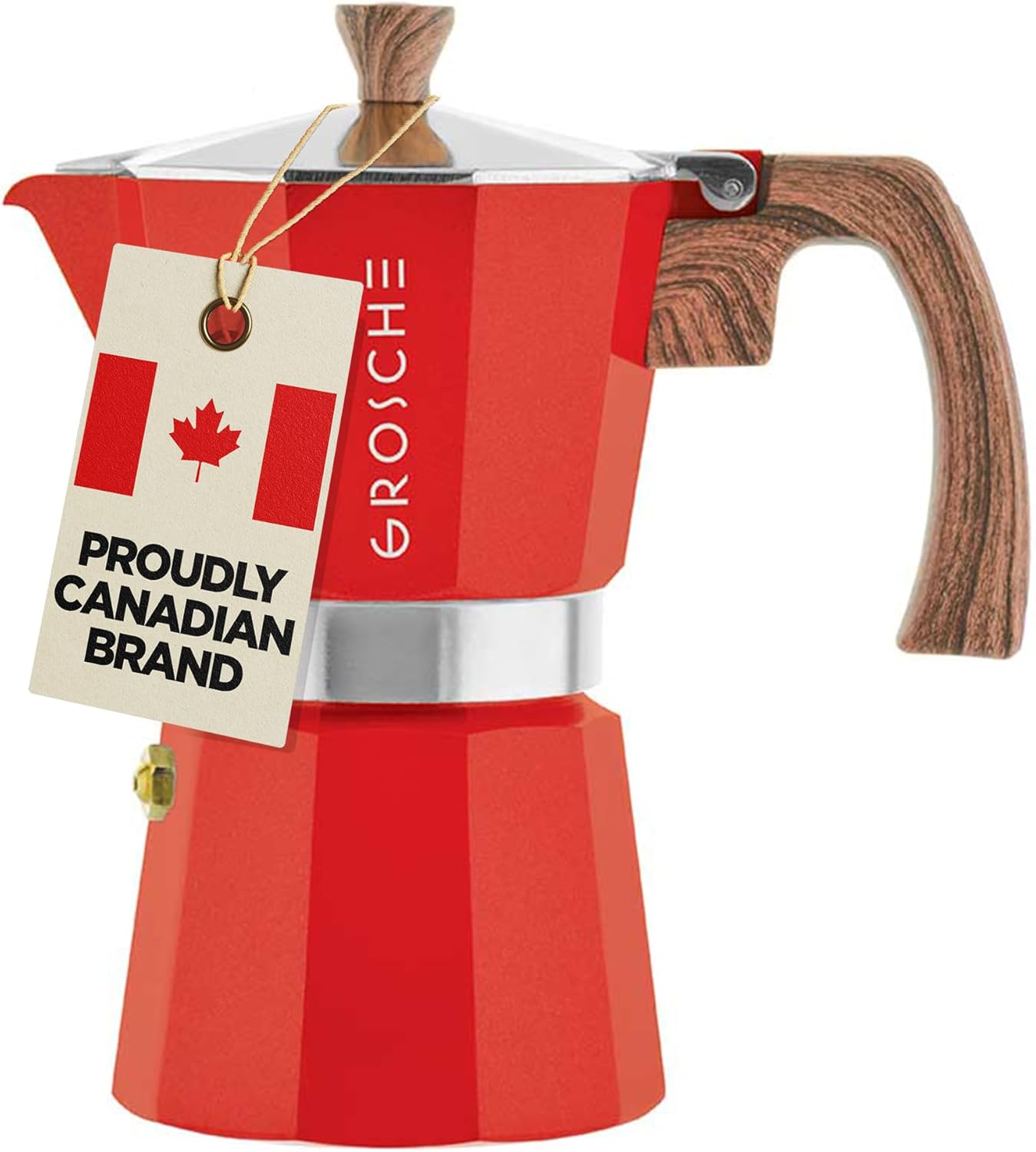
This traditional stovetop moka pot delivers strong, concentrated coffee without electricity. It’s suitable for those who prefer a simple, durable brewing method and don’t need true espresso crema. It’s not ideal if you want precise temperature control or milk-based espresso drinks.
Brand: GROSCHE · Price when checked: $44.99 · Rating: 4.4 out of 5 (3,692 ratings)
Pros
- Affordable and durable aluminum construction
- Brews up to 6 small espresso-style cups (9.3 oz total)
- Simple to operate and clean with no electronics
Cons
- No pressure regulation limits coffee texture and crema
- Requires stovetop and manual attention during brewing
Best electric moka pot: KITfanz Electric Moka Pot, Stainless Steel Espresso Maker, 3/6 Cups Silver

This electric moka pot adds convenience with automatic shut-off, multiple brew modes, and a stainless steel filter for cleaner cups. It suits those who want moka pot coffee without fuss but still won’t produce real espresso. Not for users needing full pressure control or espresso machine features.
Brand: KITfanz · Price when checked: $77.99 · Rating: 4.4 out of 5 (200 ratings)
Pros
- Four brew modes to match bean roast levels
- Auto shut-off for safety and ease
- Comes with stainless steel filter reducing fine grounds in cup
Cons
- More expensive than stovetop moka pots
- Still limited to moka pot pressure and extraction style
When neither espresso machines nor moka pots are the right answer
If you want espresso-like coffee but with less complexity or cost, or prefer a gentle extraction method that highlights different coffee notes, other brewing options might serve you better. For example, AeroPress or pour-over methods allow more control over extraction time and temperature without requiring high pressure.
Also, if your focus is convenience and speed without sacrificing quality, capsule machines or high-end drip coffee makers can fill the gap between moka pots and espresso machines. They don’t produce true espresso but simplify brewing with consistent results and minimal cleanup.
Ultimately, your choice depends on whether you prioritise authentic espresso texture and flavour, convenience, cost, or coffee style variety.
Related reading
- Red Beans and Rice Preparation: Expert Guide
- Top 10 Banneton Bread Proofing Basket
- Boning knife vs fillet knife: understanding the real differences
Frequently Asked Questions
Can a moka pot produce real espresso?
No, moka pots cannot produce real espresso because they generate much lower pressure—typically 1 to 2 bars compared to the 9 bars needed for espresso. This lower pressure means moka pot coffee lacks the characteristic crema and the same level of oil and solid extraction found in espresso.
Which is easier to clean: espresso machine or moka pot?
Moka pots are generally easier to clean due to their simple construction: just disassemble the three main parts and rinse. Espresso machines have more components like portafilters, steam wands, and internal water lines that require regular cleaning and descaling to maintain performance.
Does an electric moka pot make better coffee than a stovetop one?
Electric moka pots offer features like automatic shut-off, temperature control, and stainless steel filters that can improve brewing consistency and reduce sediment in the cup. However, the coffee style remains moka pot coffee, not espresso, so differences are subtle and mostly about convenience and cleanliness rather than extraction quality.

Rimi Sultana is a home cook from Bangladesh who has cooked for her family every day for the past five years and writes about it at Smart Cooks. Perpetually testing whether internet-famous recipes actually work in a regular home kitchen. Say hello on Facebook or through the contact page.