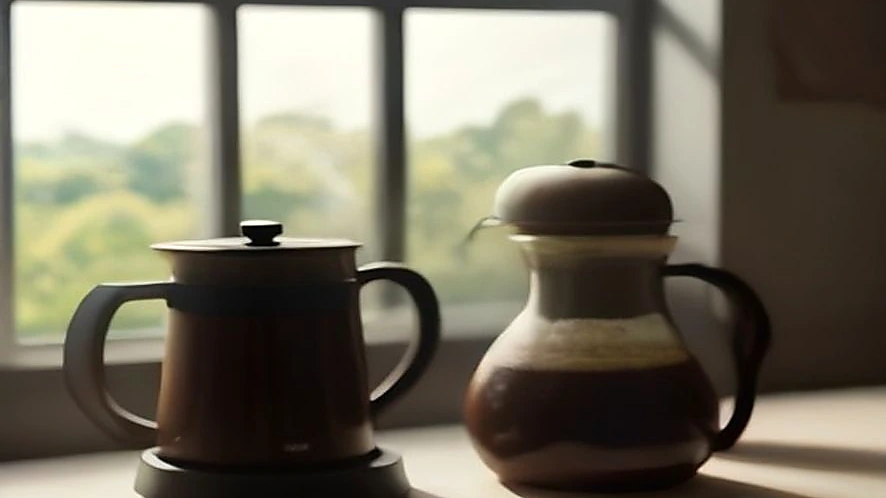
Drip coffee makers and French presses are two popular ways to brew coffee, but they operate on fundamentally different principles that affect flavour, texture, and convenience. Understanding these distinctions helps you choose a device suited to your brewing preferences and daily routine.
Some links in this post are affiliate links. If you buy through them we may earn a small commission at no extra cost to you — it never changes which products we recommend.
Where drip machines automate water delivery over finely ground coffee filtered through paper or metal, French presses rely on immersion steeping with a metal mesh plunger to separate grounds from liquid. Each method extracts coffee compounds differently, producing distinct taste profiles and equipment requirements.
Where each one wins
Drip coffee makers excel when you want convenience and the ability to brew multiple cups at once with minimal attention. Since the water flow and temperature are controlled mechanically, the process is consistent, making it ideal for busy mornings or serving guests. The paper filter reduces oils, which some prefer for a cleaner taste and ease of stomach digestion.
French presses shine when you seek a richer, more textured coffee experience with fuller mouthfeel. The immersion method extracts more of the coffee’s natural oils and compounds, which enhances depth and complexity. It’s also more flexible for adjusting brew time and coffee-to-water ratio, suiting those who enjoy experimenting with variables. However, it’s better for smaller batches and requires immediate serving or decanting to prevent over-extraction.
How brewing mechanics shape coffee characteristics
The brewing mechanics of drip coffee makers involve hot water being evenly distributed over a bed of medium-fine coffee grounds, typically held in a paper or metal filter. The water temperature is usually maintained around 92-96°C (197-205°F), which is optimal for extracting desirable coffee compounds without excessive bitterness. The flow rate is carefully controlled to allow about 4 to 6 minutes for brewing a full 8 to 12 cup cycle, ensuring consistent extraction. Paper filters trap most oils and fine particles, resulting in a cleaner cup with less sediment and a lighter body.
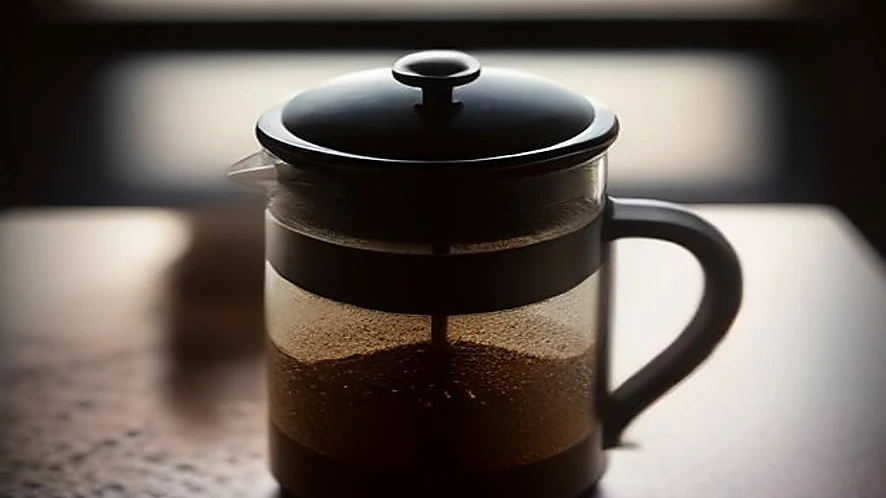
In contrast, the French press uses an immersion method where coarsely ground coffee is fully submerged in hot water, usually at a similar temperature range as drip brewing. The coffee steeps for about 4 minutes, allowing water to extract oils, acids, and other soluble compounds more thoroughly. The metal mesh plunger filters grounds but lets more oils and fine particles through, contributing to a fuller-bodied coffee with richer texture and some sediment. Because extraction continues until the plunger is pressed down, timing is critical; oversteeping can lead to bitterness and excessive sediment.
These mechanical differences influence not only flavour but also mouthfeel and clarity. Drip coffee’s filtered approach reduces diterpenes—compounds linked to cholesterol effects—while French press coffee retains them. Additionally, the grind size is essential: medium-fine for drip to prevent clogging and ensure flow, and coarse for French press to minimize grounds passing through the mesh.
Quantitatively, a typical drip coffee maker can brew 1 to 1.5 litres of coffee per cycle, suitable for multiple servings, while French presses range from small 350 ml to larger 1.5 litre capacities but require manual effort for each batch. The choice impacts daily routines: drip machines offer automation and speed, whereas French presses demand attention but allow customization of brew strength and time.
| Feature | Drip coffee maker | French press |
|---|---|---|
| Brewing method | Hot water drips over grounds held in a paper or metal filter | Ground coffee steeps fully immersed in hot water, separated by metal mesh plunger |
| Typical brew time | 4 to 6 minutes per 8-12 cup cycle | About 4 minutes per batch |
| Grind size | Medium-fine grind to optimize flow rate | Coarse grind to prevent grounds passing through mesh |
| Filter type | Paper or metal filter traps oils and fines | Metal mesh allows oils and fine particles through |
| Flavour profile | Clean, lighter-bodied, less sediment | Full-bodied, richer texture, some sediment |
| Ease of use | Mostly automated, minimal manual steps | Manual immersion and pressing, requires timing and care |
From My Kitchen
Once, I tried brewing a strong morning coffee in my French press while running late. I oversteeped the coffee by two extra minutes, which made the brew bitter and left a thick layer of sediment at the bottom of my cup. The next day, I switched to a drip coffee maker that released water steadily over a paper filter, which eliminated sediment and bitterness despite my rushing. This episode confirmed that for quick, fuss-free brewing without compromise on clarity, the drip maker was better suited for hectic mornings.
Worth Considering
Best for insulated, large-batch French press: Secura French Press Coffee Maker, 50-Ounce

The Secura French Press offers a durable stainless steel design with a triple-layered filter system that reduces sediment while preserving oils for full flavour. Its 1.5-litre capacity suits larger servings. However, it demands manual brewing steps and immediate serving to avoid over-extraction.
Brand: Secura · Price when checked: $42.99 · Rating: 4.6 out of 5 (33691 ratings)
Pros
- Durable 304 stainless steel interior and exterior
- Triple-layered stainless steel filter reduces grounds in cup
- Dishwasher-safe parts for easy cleaning
Cons
- Requires manual timing and pressing
- Sediment presence despite filter, not ideal for clear coffee lovers
Best for compact, daily French press use: LRYYBTI Stainless Steel French Press, 17 oz

This smaller French press offers portability and ease of cleaning with dishwasher-safe components and a stainless steel double mesh filter. Suitable for one to two cups, it is versatile for hot or cold brewing but retains some sediment and needs attentive brewing.
Brand: LRYYBTI · Price when checked: $21.99 · Rating: 4.6 out of 5 (363 ratings)
Pros
- Compact size ideal for home or office
- Double mesh filter captures grounds while preserving oils
- Suitable for hot coffee and cold brew
Cons
- Limited to small batch brewing
- Manual steeping and pressing required
When neither drip coffee makers nor French presses are ideal
If you want absolute clarity without any sediment or oils, neither drip coffee makers with metal filters nor French presses are perfect. Pour-over methods using paper filters or espresso machines provide cleaner extractions and finer control over pressure and temperature. Conversely, if you prefer very quick single-serve coffee or convenience with minimal cleanup, capsule or pod machines surpass both options. Each brewing method suits different priorities, so understanding your taste and lifestyle is key to making the right choice.
Related reading
- Best Home Water Carbonator Systems: Top SodaStream Alternatives
- Best Replacement Water Filters for Frigidaire Refrigerators
- Garlic Press vs Mincing by Hand: Does It Matter for Sauces?
Frequently Asked Questions
Can I use the same coffee grind for both drip coffee makers and French presses?
No. Drip coffee makers require a medium-fine grind to balance extraction and flow rate through the filter, typically around the texture of table salt. French presses need a coarse grind, about the size of coarse sea salt, to prevent grounds from passing through the metal mesh and creating excess sediment in the cup.
Does the French press coffee have more caffeine than drip coffee?
Generally, French press coffee can have slightly more caffeine per serving due to the longer steeping time and full immersion extraction, which extracts more compounds from the grounds. However, caffeine content also depends on coffee-to-water ratio, grind size, and brew time, so differences may not be substantial if those variables are adjusted.
Is French press coffee less healthy because of the oils and sediment?
French press coffee retains more coffee oils called diterpenes, which some studies suggest may raise cholesterol levels if consumed in very high amounts. The sediment includes fine particles that affect texture but don’t pose health risks. For most people drinking moderate amounts, French press coffee is safe. Those with specific cholesterol concerns might prefer filtered drip coffee, which traps most oils.
Rimi Sultana is a home cook from Bangladesh who has cooked for her family every day for the past five years and writes about it at Smart Cooks. Perpetually testing whether internet-famous recipes actually work in a regular home kitchen. Say hello on Facebook or through the contact page.