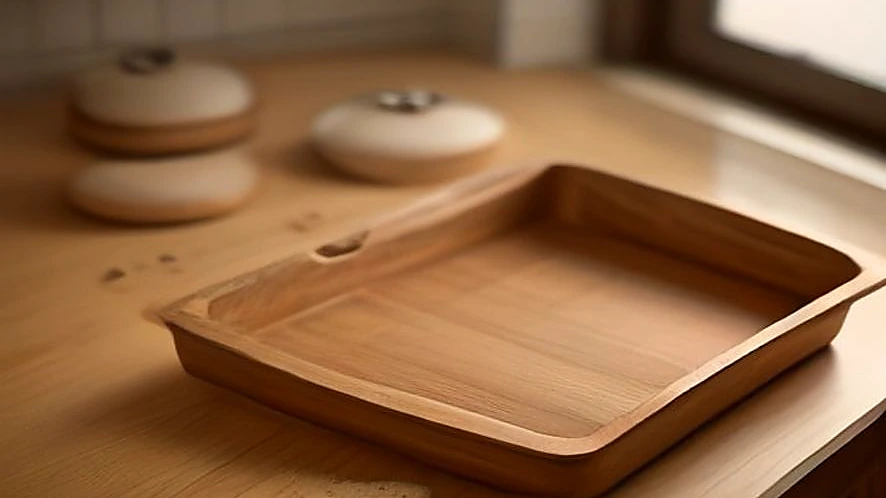
Baking sheets and jelly roll pans are often confused or used interchangeably, but they have distinct designs that affect how they perform in the kitchen. The main difference lies in the depth of their edges and the resulting cooking characteristics, which influence what types of recipes they suit best.
Some links in this post are affiliate links. If you buy through them we may earn a small commission at no extra cost to you — it never changes which products we recommend.
Choosing between these pans isn’t just about size or shape; it comes down to how their construction affects heat circulation, moisture retention, and ease of handling. Understanding these mechanical differences helps you decide when to use each pan for baking cookies, roasting vegetables, or making sheet cakes.
Where each one wins
Baking sheets excel when you need dry heat and maximum airflow, such as for baking cookies, crackers, or roasting vegetables where crisp edges and even colour matter. Their low edges let moisture escape quickly, preventing sogginess. Also, the flat surface makes it easier to slide a thin spatula underneath baked goods without breaking them.
Jelly roll pans are better suited to recipes that release liquids or require containment, like roasting meats, sheet cakes, or making jelly rolls where batter needs to be held in place. They also work well for roasting vegetables if you want to catch the juices for sauces or prevent drips in the oven. The sturdier construction helps support heavier loads without warping.
The edge height plays a crucial role in cooking performance. Baking sheets typically have edges about 0.5 inch (1.3 cm) high on one or two sides, which allows for better air circulation around the food. This means that heat can envelop the food from all sides, promoting even baking and browning. For example, when baking cookies, this airflow helps moisture evaporate rapidly, resulting in crisp edges and a tender interior. In contrast, jelly roll pans have three edges approximately 1 inch (2.5 cm) high, with one side sometimes lower or open, which contains liquids and batter but restricts airflow slightly. This containment is beneficial for recipes that produce juices or batter that needs to stay in place, such as sheet cakes or roasted meats.
Material thickness also impacts cooking results. Baking sheets are often thinner, around 0.6–0.8 mm, which allows for faster heat transfer but can lead to warping under heavy loads or high temperatures. Jelly roll pans are typically 0.8 mm or thicker, providing sturdiness to hold heavier foods and maintain shape. This sturdiness is important when roasting meats, as the pan must support the weight and catch drippings without bending.
In terms of ease of handling, baking sheets’ lower edges make it easier to slide spatulas underneath delicate baked goods, reducing breakage. However, this design also means they are less effective at containing liquids, which can drip onto the oven floor and cause smoke or mess. Jelly roll pans’ higher edges prevent spills and are better at holding sauces or juices, but the edges can make it trickier to slide out baked goods without sticking or breaking.
When roasting vegetables, the choice between the two pans can affect texture and flavor. Baking sheets promote caramelization and crispness due to better airflow and moisture evaporation. Jelly roll pans can trap steam due to higher edges, which might lead to softer vegetables unless the pan is not overcrowded. The trapped juices can be used to make pan sauces, adding flavor to the dish. Understanding these trade-offs allows home cooks to select the right pan based on the desired outcome.
| Attribute | Baking sheet | Jelly roll pan |
|---|---|---|
| Edge height | About 0.5 inch (1.3 cm), sometimes two edges | Three edges about 1 inch (2.5 cm) high, one side often lower or open |
| Air circulation | More open, allows hot air to flow under and around food | Edges contain food and liquids, limiting airflow slightly |
| Best for | Cookies, biscuits, roasting vegetables for crispness | Sheet cakes, roasting meats or foods releasing juices, jelly roll cakes |
| Ease of handling | Flatter, easier to slide spatulas under cookies | Edges help contain food but can make sliding food off trickier |
| Liquid containment | Poor; juices can drip onto oven floor | Good; holds drippings and prevents spills |
| Typical material thickness | Often thinner (around 0.6–0.8 mm) to allow faster heat transfer | Typically 0.8 mm or thicker for sturdiness and to hold shape under weight |
From my kitchen
Once, I tried baking a large batch of sugar cookies on a jelly roll pan. The higher edges trapped steam and limited airflow, so the cookies spread but didn’t crisp up on the bottom as I expected. Switching to a baking sheet with low edges the next time resulted in a crisper base and more even colour, which mattered because these cookies were for a party where texture was key. That episode clarified for me that while jelly roll pans are versatile, they aren’t always the best choice for crisp cookies.
In another instance, I used a jelly roll pan to roast a whole chicken. The pan’s higher edges caught all the drippings, which I collected to make a rich gravy. The pan held up well under the weight and heat without warping, which can happen with thinner baking sheets. However, the edges also meant that the skin on the underside of the chicken was less crispy compared to when I roast on a baking sheet or wire rack, due to reduced airflow and trapped moisture.
These experiences highlight how the pan choice affects not just cooking outcomes but also cleanup and post-cooking uses. For example, jelly roll pans with nonstick coatings make cleaning easier after roasting fatty meats, while baking sheets may require more scrubbing if juices drip onto the oven floor or burn. Considering these practical consequences can help home cooks optimize their kitchen workflow.
Worth Considering
Best for versatile baking and roasting: Fire More Jelly Roll Pan Set

This set offers two 15.3” x 11.3” jelly roll pans with 0.8mm thickness and nonstick coating, making them sturdy enough to roast meats and bake cakes that need edge containment. They are less ideal if your priority is crisp cookies that benefit from maximum airflow.
Brand: Fire More · Price when checked: $26.99 · Rating: 4.6 out of 5 (28 ratings)
Pros
- Higher edges prevent spills and hold liquids
- Nonstick coating aids easy cleaning
- Heavy-duty 0.8mm thick metal resists warping
Cons
- Edges can make sliding out delicate baked goods harder
- Less airflow reduces crisping compared to baking sheets
Best for crisp baking and airflow: HONGBAKE Baking Sheet Pan Set

This set includes three cookie sheets with diamond texture and 0.8mm thickness in half, quarter, and jelly roll pan sizes. The lower edges and textured surface promote airflow and even heat transfer, ideal for cookies and roasting where browning is important.
Brand: HONGBAKE · Price when checked: $26.99 · Rating: 4.4 out of 5 (1,641 ratings)
Pros
- Diamond texture improves heat distribution
- Lower edges allow better air circulation
- Versatile size set covers multiple baking needs
Cons
- Lower edges don’t contain liquids well
- Thinner construction may warp under heavy loads
When neither option is ideal
If you need very high edges, for example when baking deep casseroles, lasagnas, or roasting large cuts of meat with significant juices, neither a baking sheet nor a jelly roll pan will suffice. In those cases, a deeper roasting pan or baking dish is necessary to prevent spills and allow even cooking through thicker portions. Additionally, neither pan type is designed for acidic foods like tomato sauces, which can degrade metal finishes over time.
Related reading
- Best Baking Sheet Pans: Top Picks for Every Baker
- Best Roasting Pans: Top Picks & Reviews
- Best Kitchen Table Finishes: Durable & Protective Options
Frequently Asked Questions
Can I use a jelly roll pan to bake cookies?
You can bake cookies on a jelly roll pan, but the higher edges may trap steam and reduce airflow, leading to softer bottoms and less crispness compared to a baking sheet. If crisp edges and even browning are important for your cookies, a baking sheet with low edges is generally better.
What size is a jelly roll pan compared to a baking sheet?
Jelly roll pans and baking sheets often come in similar dimensions, for example around 15” x 11”. The key difference is edge height: jelly roll pans have sides about 1 inch (2.5 cm) high on three edges, while baking sheets have one or two edges about 0.5 inch (1.3 cm) high. This affects how much liquid or batter the pan can hold.
Are jelly roll pans the same as half sheet pans?
A half sheet pan is typically a baking sheet measuring around 18” x 13”, with low edges for airflow. A jelly roll pan is usually smaller, about 15” x 10-12”, with higher edges on three sides. Although both are rectangular pans for baking, their edge heights and sizes differ, impacting their best uses.

Rimi Sultana is a home cook from Bangladesh who has cooked for her family every day for the past five years and writes about it at Smart Cooks. Perpetually testing whether internet-famous recipes actually work in a regular home kitchen. Say hello on Facebook or through the contact page.