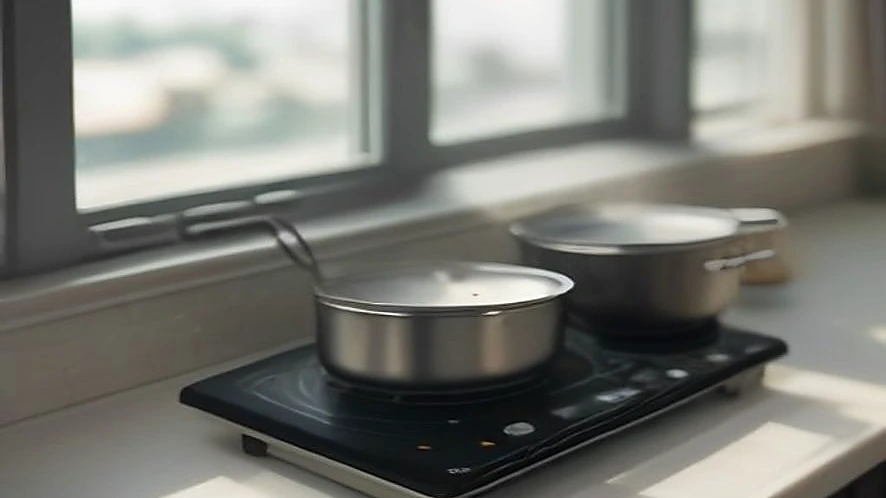
Portable induction cooktops and electric hot plates are often lumped together as simple countertop burners, but their operation and practical use differ significantly. Induction cooktops heat pots directly through magnetic fields, while electric hot plates rely on resistive heating elements that warm the cooking surface and then transfer heat to the cookware.
Some links in this post are affiliate links. If you buy through them we may earn a small commission at no extra cost to you — it never changes which products we recommend.
These fundamental differences affect energy efficiency, temperature control, cookware compatibility, and safety. Understanding the mechanism behind each will help you decide which fits your kitchen needs better, beyond just brand claims or price points.
Where each one wins
Portable induction cooktops excel where energy efficiency, speed, and safety are priorities. Their rapid heating and cooling make them suitable for quick temperature changes, delicate simmering, and safer kitchen environments where surface burns are a concern. The precise power control with 20 preset levels from 100°F (38°C) to 460°F (238°C) allows for more consistent cooking results.
Induction cooktops operate through electromagnetic induction, generating heat directly in the cookware’s ferromagnetic base. This method means less wasted heat energy compared to electric hot plates, which heat the plate surface first. For example, the Duxtop 9600LS model achieves up to 83% energy efficiency, significantly higher than the roughly 70% efficiency of typical electric hot plates. This efficiency results in faster cooking times and lower electricity usage, which can add up to noticeable savings in energy costs over months or years.
Electric hot plates are advantageous when cookware compatibility is an issue or when budget constraints matter. They can be used with any pan type — including glass and aluminium — without concern for magnetic bases. Hot plates also tend to be simpler devices with fewer electronic components, which may appeal to users who want a low-tech, durable option without needing fast heat changes.
Electric hot plates use resistive heating elements underneath a metal or ceramic plate. The element heats the plate surface, which then transfers heat to the cookware by conduction. This indirect heating causes slower heat-up and cool-down times, with the plate surface remaining hot for several minutes after use. This residual heat can be a safety hazard if not handled carefully. Temperature control is less precise, often limited to stepped power settings rather than exact temperature levels, which can affect cooking consistency. However, their ability to work with all cookware types and generally lower purchase price make them a practical choice for many households.
| Attribute | Portable induction cooktop | Electric hot plate |
|---|---|---|
| Heating method | Magnetic induction heating directly in cookware base | Resistive heating element warms the plate surface, which then heats cookware |
| Energy efficiency | Up to around 83% efficient (Duxtop 9600LS model) | Typically around 70% or lower due to heat loss from plate to air |
| Cookware compatibility | Only works with ferromagnetic (magnetic) pots and pans | Compatible with almost all types of cookware including glass, aluminium, and copper |
| Heat-up and cool-down time | Very fast heat-up and rapid cooling of surface | Slower heat-up and remains hot for some time after use |
| Temperature control | Precise temperature and power level settings (e.g. 20 levels from 100°F to 460°F) | Less precise, usually stepped power settings without temperature feedback |
| Safety | Cooktop surface stays relatively cool; auto shut-off if no pot detected | Surface remains hot for a while after use; no pot detection safety feature |
From my kitchen
I once tried to reheat a delicate sauce on an electric hot plate. The plate’s slow heat-up and residual heat after switching off made it easy to accidentally overcook and scorch the sauce. Switching to a portable induction cooktop with its fine temperature control and rapid cool-down prevented this problem entirely. However, when I forgot to use magnetic cookware on the induction unit, it simply wouldn’t heat, which was frustrating until I remembered the compatibility rule.
In addition to temperature precision, the induction cooktop’s ability to maintain consistent heat levels helped me achieve better results with temperature-sensitive recipes such as melting chocolate or simmering custards. The quick cool-down also meant I could clean the surface sooner without risk of burns. On the other hand, the electric hot plate’s residual heat required more careful timing and monitoring, especially with foods prone to burning. This experience highlighted the practical trade-offs between the two technologies in everyday cooking.
Worth Considering
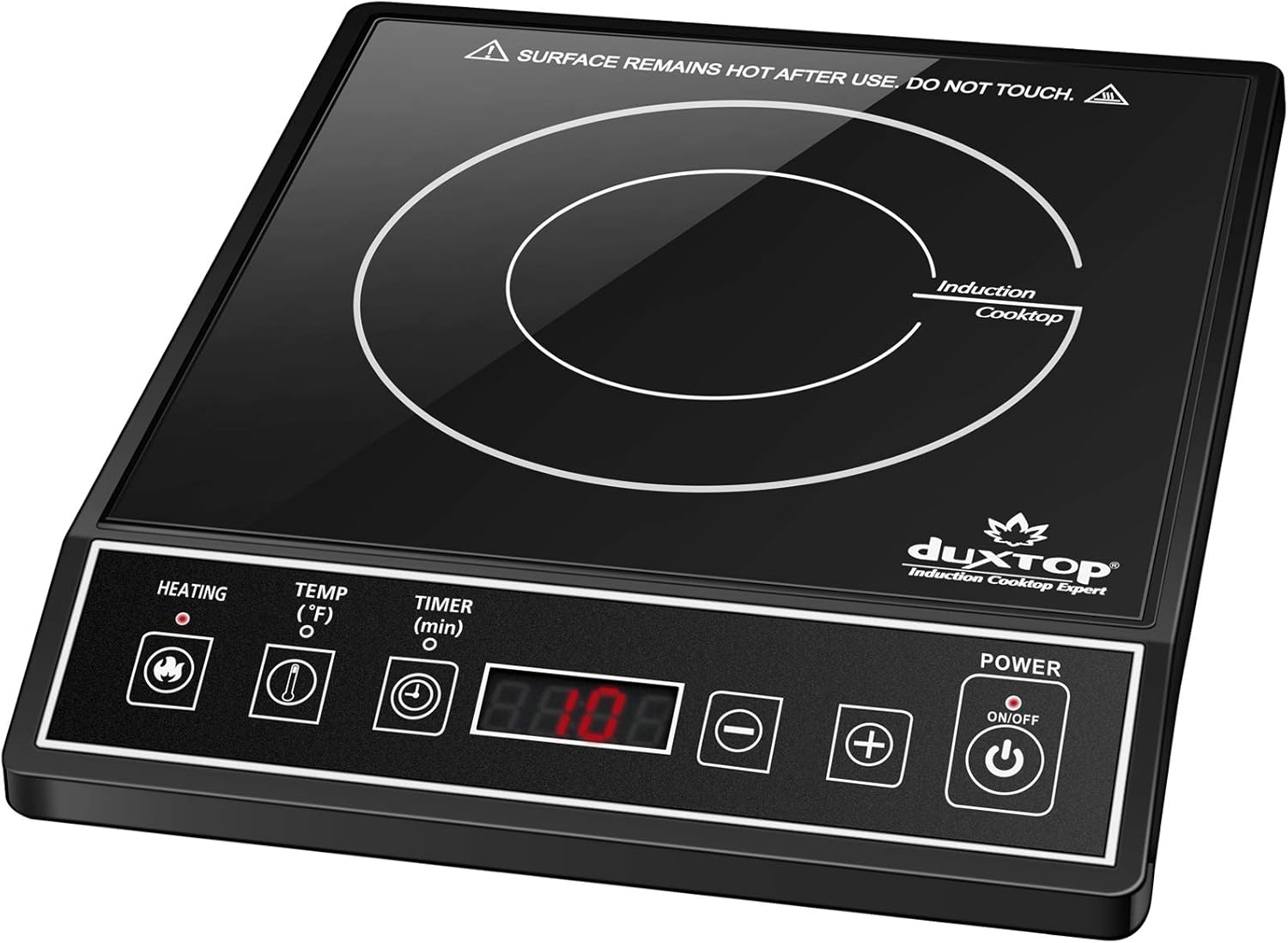
Best for efficient, precise cooking: Duxtop Portable Induction Cooktop 9600LS

This induction cooktop offers 20 power and temperature settings with up to 1800W output and 83% energy efficiency. It’s ideal for users who require precise temperature control and fast heating. Not suitable for non-magnetic cookware or those who prefer simpler devices.
Brand: duxtop · Price when checked: $116.99 · Rating: 4.4 out of 5 (692 ratings)
Pros
- Wide range of power and temperature settings (100°F to 460°F)
- High energy efficiency (83%) saves electricity
- Cooktop surface stays cooler and safer
Cons
- Requires magnetic cookware only
- Can produce high-pitched sounds with some multi-layered metal pans
Best for universal cookware compatibility: Duxtop 1800W Portable Electric Hot Plate 9100MC
This electric hot plate works with almost all cookware types and provides 1800W of power. Suitable for those with mixed pots and pans or on a tighter budget. The heating element and plate remain hot after use, requiring caution and longer cool-down times.
Brand: duxtop · Price when checked: $84.99 · Rating: 4.4 out of 5 (692 ratings)
Pros
- Works with any cookware material
- Simple, reliable design
- Affordable compared to induction units
Cons
- Slower heat-up and residual heat risks burns
- Less precise temperature control
When neither portable induction nor electric hot plate is the right choice
If you need multi-burner cooking capability, neither a single portable induction cooktop nor an electric hot plate will suffice. For full meal preparation involving simultaneous tasks, a traditional stove with multiple burners or a built-in induction range is better. Additionally, if you want to cook with non-magnetic cookware on induction or require very slow, low heat for long simmering, a gas burner or specialised equipment may be more suitable. Both portable induction and electric hot plates serve as supplementary or temporary cooking solutions rather than complete replacements for full kitchens.
Moreover, the power limitations of portable units—usually capped around 1800W—mean they cannot match the high heat output or versatility of full-size stoves. This can affect cooking techniques that require sustained high heat such as wok stir-frying or searing large cuts of meat. Users should consider these limitations carefully when choosing between portable options and built-in kitchen appliances.
Related reading
- 10 Best Kitchen Countertops: Durable & Stylish Options for Your Home
- How to choose the best 2 burner gas cooktop for your kitchen
- 35+ Easy Freezer Meals for New Moms (A Lifesaver!)
Frequently Asked Questions
Can I use aluminium or copper pans on an induction cooktop?
No, induction cooktops require cookware with ferromagnetic properties, usually cast iron or magnetic stainless steel. Aluminium, copper, and glass pans will not heat on induction unless they have a magnetic layer bonded to the base. This is because the induction process relies on magnetic fields inducing currents in the cookware, so non-magnetic materials don’t respond.
Are portable induction cooktops safer than electric hot plates?
Generally, yes. Induction cooktops generate heat in the cookware, not the surface, so the cooktop stays relatively cool except where heated by the pot. They often include safety features like automatic shut-off when no pan is detected. Electric hot plates heat the plate surface itself, which remains hot for minutes after use, increasing burn risk. However, proper use and care reduce risks with either.
Do induction cooktops consume less electricity than electric hot plates?
Yes, induction cooktops are typically more energy-efficient. The Duxtop 9600LS model claims around 83% efficiency by directly heating the cookware, while electric hot plates can lose significant heat to the surrounding air. This efficiency translates to faster cooking and lower electricity bills over time, though initial costs for induction units are generally higher.

Rimi Sultana is a home cook from Bangladesh who has cooked for her family every day for the past five years and writes about it at Smart Cooks. Perpetually testing whether internet-famous recipes actually work in a regular home kitchen. Say hello on Facebook or through the contact page.