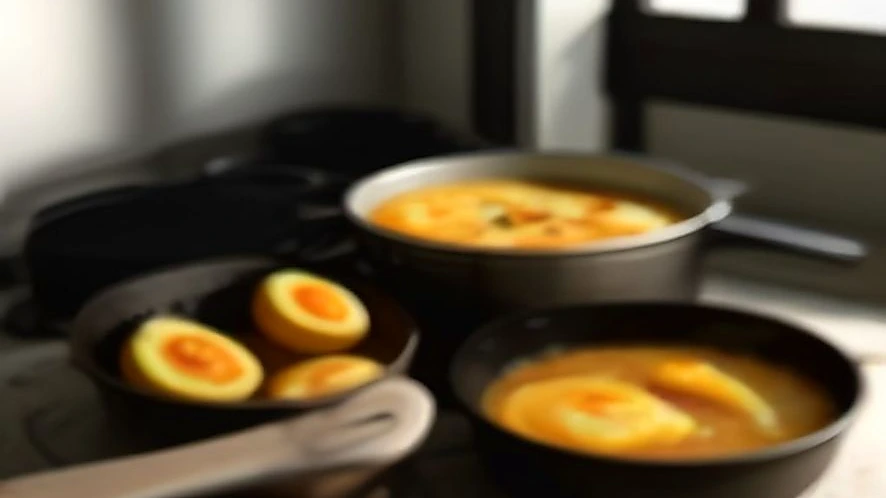
Egg pans and frying pans might look similar at first glance, but their designs cater to different cooking needs, especially with eggs. The distinction lies primarily in shape and edge design, which impacts how eggs cook and how easy they are to handle.
Most people reach for a frying pan for all tasks, including eggs, but an egg pan’s narrower, often rectangular shape and lower sides can offer advantages for certain egg dishes. Understanding the mechanism behind these differences helps in choosing the right pan for your kitchen.
Where each one wins
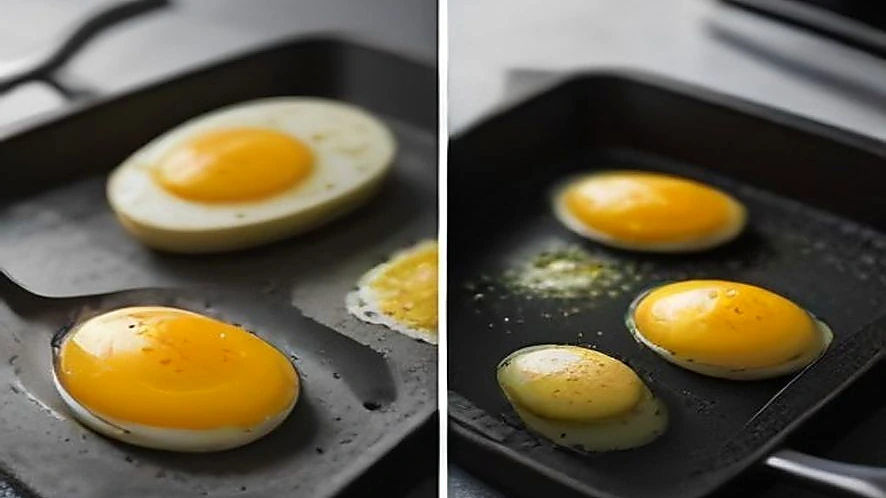
Egg pans excel at cooking eggs that require gentle handling, such as omelettes, fried eggs, and rolled eggs. Their shape and low sides make it easier to flip or slide eggs onto plates without breaking them. The concentrated heat helps cook eggs evenly without spreading too thin, which helps retain moisture and texture. Specifically, the smaller surface area—often around 150 to 200 square centimeters—ensures that heat is focused, reducing cooking time to about 2 to 3 minutes for a standard two-egg omelette, preserving tenderness and preventing overcooking.
Frying pans win in versatility and capacity. They are better for cooking larger portions or mixed dishes where eggs share space with vegetables or meats. Their higher, flared sides, typically 4 to 7.5 centimeters tall, allow tossing and flipping ingredients with minimal spillage, which a low-sided egg pan cannot do as effectively. For example, a 12-inch (30 cm) frying pan offers roughly 300 to 350 square centimeters of cooking surface, accommodating meals for multiple people. However, the larger surface area can cause eggs to spread thinly, sometimes leading to uneven cooking and drier texture if heat is not carefully controlled.
| Feature | Egg pan | Frying pan |
|---|---|---|
| Shape | Typically rectangular or oval, narrower cooking surface | Usually round with a wide cooking surface |
| Side height | Lower sides, about 1 to 1.5 inches (2.5 to 4 cm) | Higher flared sides, about 1.5 to 3 inches (4 to 7.5 cm) |
| Surface area | Smaller, focused area ideal for eggs | Larger area suitable for varied foods |
| Ease of sliding spatula | Easier to slide spatula under eggs due to lower sides | Can be harder to maneuver spatula under delicate eggs |
| Heat concentration | More concentrated heat on smaller surface | Heat spreads over larger surface, less concentrated |
| Versatility | Mostly specialised for eggs and similar delicate items | Multi-functional pan for frying, searing, sautéing |
From My Kitchen
I once tried making a classic French omelette in a large 12-inch (30 cm) frying pan with high sides. The eggs spread thinly and cooked unevenly, and sliding the spatula under the omelette was tricky, causing small tears. Switching to a 9-inch (23 cm) egg pan with lower sides made folding and sliding the omelette onto the plate much easier. The narrower base concentrated heat so the eggs cooked steadily without spreading too thin, preventing dry edges. It was the difference between a delicate, soft omelette and a patchy, overcooked one.
The mechanism behind this difference lies in heat distribution and pan geometry. The egg pan’s smaller cooking surface concentrates heat, typically maintaining a consistent temperature around 160°C (320°F), ideal for cooking eggs gently without browning or burning. In contrast, the larger frying pan distributes heat over a wider area, which can cause temperature fluctuations and uneven cooking. Additionally, the low sides of the egg pan reduce the risk of steam buildup, which can affect texture by making eggs soggy or rubbery.
When neither egg pan nor frying pan is the best choice
For certain egg dishes, neither an egg pan nor a traditional frying pan is ideal. For example, if you want to make poached eggs or soft-boiled eggs, a pan designed for boiling water or a specialised poaching pan works better. Similarly, if you prefer making baked egg dishes or frittatas, an oven-safe skillet or a nonstick baking dish can provide more even heat distribution and volume.
Also, cast iron skillets, while technically frying pans, offer superior heat retention and can be a better choice for high-heat searing or oven finishing. However, their heavier weight and seasoning requirements make them less convenient for delicate eggs compared to nonstick egg pans.
Related reading
- Silicone Spatula vs Wooden Spoon for Sauces
- Best Casserole Dishes With Lids: Top Picks
- Best Cutting Board Materials That Won’t Dull Your Knives
Frequently Asked Questions
Can I use a frying pan to cook all types of eggs?
Yes, frying pans are versatile enough to cook scrambled, fried, omelette, and other egg types. However, their larger surface and higher sides can make delicate tasks like flipping omelettes or sliding fried eggs more difficult. Eggs may spread thinly, causing uneven cooking. For everyday use, though, a frying pan works fine if you handle eggs carefully.
What materials are best for egg pans and frying pans?
Nonstick coatings on aluminium or anodised aluminium pans are common for egg pans because they prevent sticking and make sliding eggs easier. Frying pans come in various materials including stainless steel, cast iron, and nonstick. Stainless steel can stick without enough fat or heat control, while cast iron retains heat but requires seasoning. Choose based on your cooking style and maintenance preference.
Does the size of the pan affect how eggs cook?
Yes. A larger pan spreads eggs thinly, which can dry them out faster and cause uneven cooking. A smaller pan concentrates heat, cooking eggs more evenly and retaining moisture. Egg pans tend to be smaller and better sized for one to two servings of eggs, while large frying pans suit cooking eggs alongside other ingredients or for multiple people.
Related: Baking sheet vs jelly roll pan: practical differences for home cooks
Rimi Sultana is a home cook from Bangladesh who has cooked for her family every day for the past five years and writes about it at Smart Cooks. Perpetually testing whether internet-famous recipes actually work in a regular home kitchen. Say hello on Facebook or through the contact page.