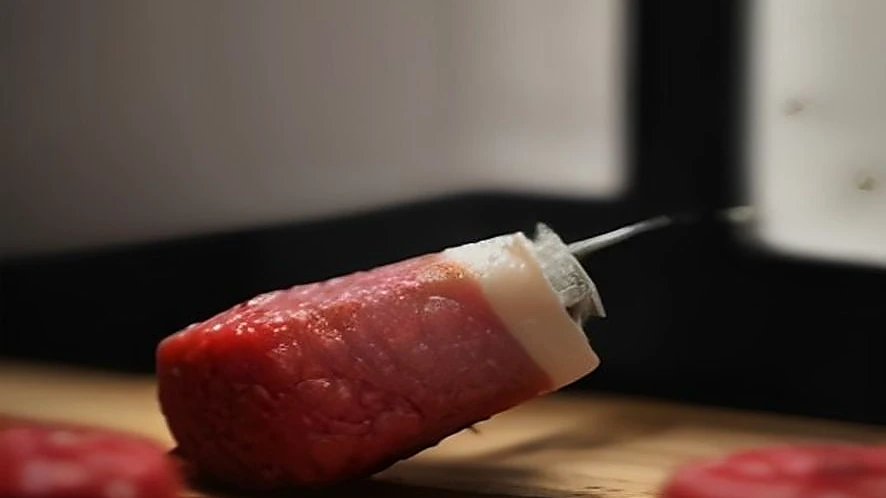
Meat tenderizers and marinade injectors are two tools that often get mentioned together in recipes and BBQ discussions, but they serve fundamentally different roles. While both aim to improve the texture and flavour absorption of meat, the way they interact with the meat tissue and their effects on cooking results are distinct.
Some links in this post are affiliate links. If you buy through them we may earn a small commission at no extra cost to you — it never changes which products we recommend.
Understanding the mechanisms behind each tool clarifies why one might be better suited to a particular cut or cooking style than the other. This comparison uncovers what happens inside the meat when using a tenderizer versus an injector, and why choosing the right method matters for achieving your desired dish.
Where each one wins
Meat tenderizers excel when working with tougher, less expensive cuts that have dense connective tissue. The physical disruption allows these cuts to cook faster and yield a softer bite. This is particularly useful for steaks, chicken breasts, and pork chops where a tender texture is desirable. Tenderizing can also create microchannels that help surface marinades penetrate slightly better.
The mechanism behind a meat tenderizer involves blades or needles piercing the meat to physically break down muscle fibres and connective tissues like collagen. For example, a Jaccard tenderizer with 48 blades can create hundreds of tiny cuts per square inch, which reduces the toughness by severing the long muscle strands and loosening the dense structure. This mechanical action increases the surface area and allows heat to penetrate more evenly, which can reduce cooking times by up to 20% depending on the thickness and cut.
Marinade injectors shine when you want to enhance flavour deeply and quickly in large or dense cuts, such as whole turkeys, brisket, or roasts. Since injecting deposits marinade inside the meat, it reduces the need for long marinating times and results in more uniform seasoning throughout. Injectors work well for recipes that rely on moisture and flavour retention during slow cooking or smoking.
The injection process forces liquid marinade directly into the interior of the meat via hollow needles, bypassing the outer surface barrier. This allows the marinade to distribute up to several centimeters inside the flesh, depending on needle length and injection technique. For instance, injecting 30-50 ml of marinade per pound of meat can significantly boost juiciness and flavour without relying on hours of surface marinating. This method is particularly advantageous for thick cuts where surface penetration is limited.
Tenderizers have the downside of potentially damaging very delicate cuts or creating uneven texture if overused. Over-tenderizing can cause the meat to become mushy or lose structural integrity, especially in lean cuts with less connective tissue. Additionally, the exposed punctures can increase moisture loss during cooking if not properly handled.
Injectors require careful use of appropriate marinades — thick or chunky liquids can clog needles, and over-injecting can lead to a mushy texture or leaking during cooking. Using too much injected liquid can also dilute natural meat flavours or cause excess moisture to drip out, reducing yield. The viscosity and salt content of the marinade must be balanced to avoid these issues and achieve the desired effect.
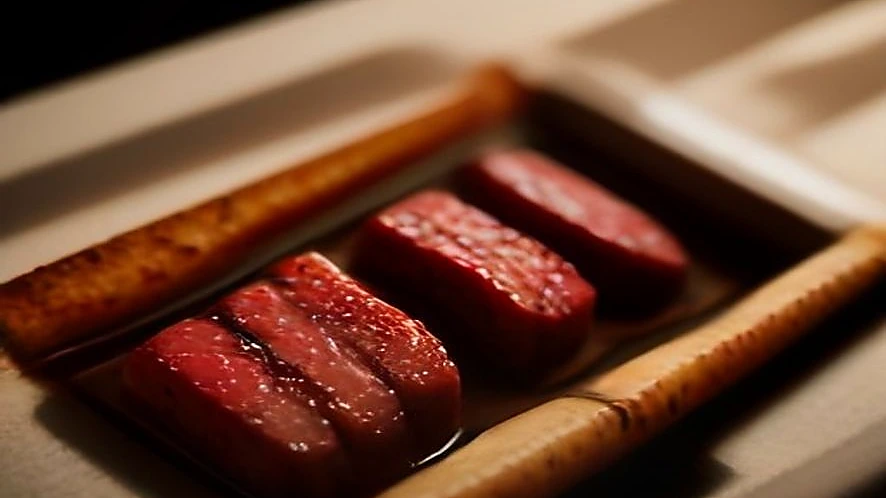
Understanding the tools and their impact
Meat tenderizers come in various designs, from simple mallets with textured heads to complex multi-blade devices like the Jaccard 48-blade tenderizer. The blades are typically stainless steel and arranged in a grid pattern to maximize the number of punctures per strike. This design allows for consistent penetration depth, usually around 3-5 mm, enough to disrupt fibres without shredding the meat.
The physical action of tenderizing affects the meat at a microscopic level. Muscle fibres are long, cylindrical cells bundled together by connective tissue. By cutting through these fibres, tenderizers reduce the length of the muscle strands, making chewing easier and improving palatability. The disruption also partially breaks down collagen, which otherwise tightens during cooking and toughens the meat.
Marinade injectors, on the other hand, are often syringe-like devices fitted with one or more hollow needles. These needles can be between 20-50 mm in length and vary in diameter. Injectors may be manual or battery-powered, with some models featuring multiple needles to speed up the process.
The injected marinade typically contains water, salt, acids (like vinegar or citrus), sugars, and flavourings. Salt and acids help denature proteins and enhance water retention, which improves juiciness. The direct injection ensures these components reach the interior muscle tissue quickly, bypassing the slow diffusion process of surface marinating.
Both tools influence cooking outcomes differently. Tenderizing can reduce cooking time by allowing heat to penetrate more evenly and decreasing toughness, but it does not add moisture or flavour internally. Injecting marinade improves flavour depth and moisture but does not alter the meat’s physical structure. Combining both methods can be effective for certain cuts, as tenderizing facilitates more uniform marinade distribution during cooking.
| Attribute | Meat Tenderizer | Marinade Injector |
|---|---|---|
| Primary function | Physically disrupts muscle fibres and connective tissues | Delivers liquid marinade directly inside meat tissue |
| Effect on meat texture | Breaks fibres to soften tough cuts | Does not affect fibre structure |
| Effect on flavour penetration | Indirect, through surface absorption after tenderizing | Direct, deposits marinade inside meat |
| Typical needle/blade count | Multi-blade devices like Jaccard have 48 blades | Single or multiple hollow needles, often fewer than 20 |
| Best meat types | Tougher cuts like beef chuck, pork shoulder, veal | Thicker cuts needing internal flavour like brisket, turkey breast |
| Cleaning complexity | Requires careful cleaning between blades to avoid residue | Usually single-piece or simple design, easier to rinse |
From My Kitchen
Once, I tried to speed up marinating a thick pork shoulder using only a marinade injector with a spiced liquid. The flavour was injected well, but the exterior remained tough and the overall texture was inconsistent. After switching to the Jaccard 48-blade tenderizer on the surface, the meat cooked more evenly and the bite was noticeably softer, with the injected marinade complementing the effect rather than compensating for it. It was clear then that breaking down the fibres helped the liquid marinade spread more effectively during cooking.
In terms of numbers, the tenderizer created hundreds of microchannels per square inch, which allowed the marinade to seep deeper during the cooking process, especially during slow roasting. The combined approach not only improved tenderness but also enhanced moisture retention, resulting in a juicier and more flavorful final product. This experience highlighted how the two tools can be complementary when used thoughtfully.
Worth Considering
Best for tenderizing tough cuts: Jaccard 200348 48 blade meat tenderizer

This multi-blade hand-held tenderizer is designed to pierce and break down tough muscle fibres in beef, pork, chicken, and veal. It is ideal for cooks wanting to reduce cooking times and improve texture on less expensive cuts. Not suitable if you need to infuse liquids or prefer a gentler method.
Brand: Jaccard · Price when checked: $31.50 · Rating: 4.6 out of 5 (10,469 ratings)
Pros
- 48 stainless steel blades for effective fibre disruption
- Durable and easy to handle
- Improves tenderness and cooking uniformity
Cons
- Requires careful cleaning to remove trapped meat residue
- Can damage delicate cuts if overused
Best for fast marinade infusion: TQDXZA stainless steel needle meat tenderizer

This single-piece, springless injector with eighteen needles creates microchannels for deep marinade absorption up to 30 mm. It suits cooks wanting rapid and uniform seasoning of steaks, chicken breasts, and pork chops. Not ideal for tenderizing tough connective tissue or very thick roasts.
Brand: Brand: TQDXZA · Price when checked: $14.97 · Rating: 4.8 out of 5 (10,469 ratings)
Pros
- Integrated structure for easy cleaning
- Penetrates deeply to speed marinade absorption
- Ergonomic handle for stable grip
Cons
- Marinade viscosity must be low to avoid clogging
- Does not alter meat texture mechanically
When neither tool is the right answer
Neither a meat tenderizer nor a marinade injector is necessary or beneficial for naturally tender cuts like filet mignon or tenderloin. These cuts have minimal connective tissue and delicate muscle fibres that can be damaged by blades or needles. For these, gentle seasoning and careful cooking—often sous vide or precise pan-frying—preserve their texture best.
Also, some cooking methods like slow smoking benefit more from dry rubs combined with low-and-slow heat application than from injected marinades or tenderizing. Applying a dry rub and allowing time for salt to diffuse overnight can be more effective for flavour and texture in such cases.
Finally, when working with very thin cuts or pre-sliced meats, neither tool is suitable as mechanical disruption or injection risks tearing or oversaturating the meat.
Related reading
- Top Halloween Themed Serving Dishes & Platters
- Honing rod vs sharpening steel: how they differ and when to use each
- Popcorn maker vs microwave popcorn: how they really differ
Frequently Asked Questions
Can I use a marinade injector on delicate cuts like chicken breast?
You can use a marinade injector on chicken breasts, but be cautious with the amount and pressure to avoid tearing the meat. Chicken breast is relatively lean and can become mushy if over-injected with liquid. It is best to use thin, smooth marinades and inject small amounts evenly. For delicate cuts, sometimes a brief surface marinate without injection preserves texture better.
How often should I clean my meat tenderizer blades?
Meat tenderizer blades should be cleaned thoroughly after every use to prevent bacterial buildup and ensure longevity. Since blades create many small punctures, meat residue can get trapped. Use warm soapy water and a brush to remove all particles, and dry completely to avoid rusting. Some models may be dishwasher-safe, but hand cleaning is often recommended for durability.
Does injecting marinade reduce cooking time?
Injecting marinade itself does not significantly reduce cooking time since it primarily adds moisture and flavour inside the meat. However, by improving internal moisture and seasoning, it can help meat cook more evenly, potentially avoiding overcooking or drying out. For actual cooking time reduction, mechanical tenderizing or cutting meat into smaller portions is more effective.
Related: Grill brush vs grill stone: how they clean and when to choose each
Related: Dish soap dispenser vs soap caddy: what really differs and when to choose each

Rimi Sultana is a home cook from Bangladesh who has cooked for her family every day for the past five years and writes about it at Smart Cooks. Perpetually testing whether internet-famous recipes actually work in a regular home kitchen. Say hello on Facebook or through the contact page.