
Honing rods and sharpening steels are terms often used interchangeably, but they do not perform the same function on your kitchen knives. The key difference lies in what they do to the blade edge: one realigns it, the other removes metal to recreate sharpness.
Some links in this post are affiliate links. If you buy through them we may earn a small commission at no extra cost to you — it never changes which products we recommend.
This distinction affects how and when you use each tool. Many people think both sharpen knives, but only one actually reshapes the blade edge. Knowing which to use can save time, maintain better edges, and extend the life of your knives.
Where each one wins
Honing rods are excellent for routine maintenance. If your knife feels dull after a few uses but shows no chips or damage, a few passes on a honing rod restore the edge quickly by correcting the microscopic bends that form from cutting. This saves time and avoids unnecessary metal loss.
Sharpening steels, especially those with abrasive coatings, are better suited when the blade edge has lost its sharp profile due to wear or minor damage. They actually grind away metal to recreate the knife’s bevel, making them essential for periodic sharpening sessions. They also handle minor blade repairs that honing rods cannot address.
In a home kitchen, most users will benefit more from regular honing to keep knives performing well between sharpenings. Professional chefs or enthusiasts who use knives heavily will still need sharpening steels or stones to restore edges occasionally.
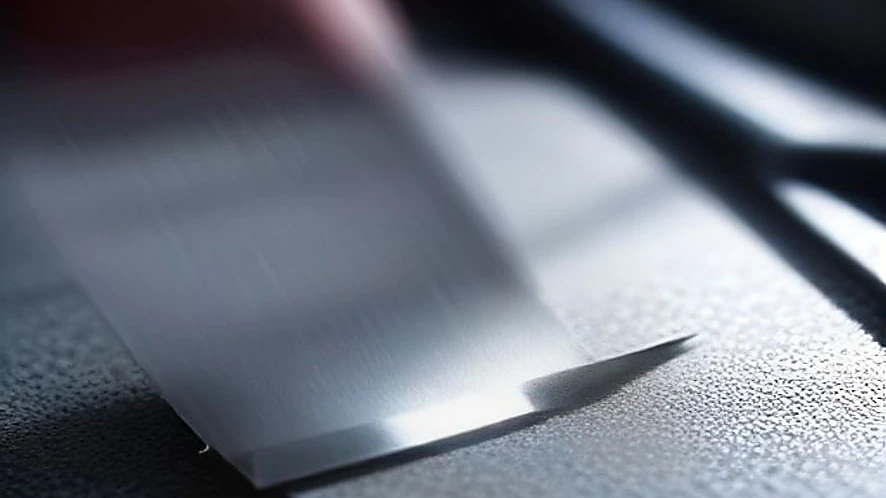
To understand the mechanisms involved, consider that a knife edge is composed of two bevels meeting at an apex. During use, the apex bends or folds microscopically, dulling the edge without removing metal. Honing rods apply lateral pressure that straightens these bends, realigning the edge to its original sharpness without material loss. This process is quick and preserves blade longevity, but it cannot restore an edge that has been worn down or chipped.
Sharpening steels, on the other hand, often feature abrasive surfaces such as diamond coatings, ceramic, or grooved steel. These abrasives remove a thin layer of metal from the bevels, reshaping the edge and restoring the acute angle necessary for cutting. The amount of metal removed per sharpening session can vary from a few microns to several tenths of a millimeter, depending on pressure and abrasive grit. This metal removal is essential to maintain a keen edge over time but will gradually shorten the blade life if done excessively.
Consequences of improper use include over-honing, which can cause the edge to become misaligned or fatigued, and over-sharpening, which can lead to premature blade thinning or uneven bevels. Understanding when to hone versus when to sharpen is critical for optimal knife care.
Statistics from knife maintenance studies show that regular honing can extend the interval between sharpening sessions by up to 50%, preserving blade performance and reducing maintenance costs. Conversely, neglecting honing can cause knives to dull faster, requiring more frequent sharpening and increasing wear.
In summary, honing rods are best for daily or weekly maintenance to realign edges, while sharpening steels are necessary for periodic metal removal to restore sharpness. Using each tool appropriately maximizes knife performance and lifespan.
| Feature | Honing rod | Sharpening steel |
|---|---|---|
| Primary function | Realigns bent edge without metal removal | Removes metal to reshape blade edge |
| Surface texture | Smooth or fine abrasive | May be grooved, smooth, or diamond-coated abrasive |
| Frequency of use | Used regularly to maintain edge daily or weekly | Used occasionally when edge is dull or damaged |
| Effect on blade | Straightens microscopic bends | Restores bevel angle by grinding metal |
| Skill required | Low; simple strokes at consistent angle | Higher; requires angle control and care |
| Effectiveness on dull knives | Limited; only temporarily improves cutting | Necessary for restoring sharpness permanently |
From my kitchen
Once I tried to slice tomatoes quickly using just a honing rod on a knife that hadn’t been sharpened for months. The knife felt sharp at first, but soon the skin slipped, and I ended up squashing more than slicing. Realising the honing rod only realigns the edge and doesn’t remove metal, I switched to a diamond-coated sharpening steel. After carefully working the edge to reshape it, the knife cut cleanly again. That day reminded me that honing is a quick fix, not a replacement for sharpening when the blade truly dulls.
This experience highlights the importance of recognizing the limits of honing rods. When the blade edge has rolled over or worn down beyond microscopic bends, honing cannot restore the cutting performance. Sharpening steels or stones must be used to remove metal and re-establish a sharp bevel. The transition from honing to sharpening is a critical skill for maintaining kitchen knives effectively.
Moreover, the technique used with sharpening steels affects outcomes significantly. Maintaining a consistent angle, applying even pressure, and using controlled strokes prevent uneven bevels or damage. In contrast, honing rods are more forgiving due to their realignment function.
Overall, combining regular honing with periodic sharpening, informed by blade condition and use frequency, ensures knives remain in optimal condition for all kitchen tasks.
Worth Considering
Best for daily edge maintenance: TUO Honing Rod

The TUO honing rod features a larger diameter, making it easier to maintain consistent angles while realigning your knives. It is ideal for frequent daily or weekly use to straighten edges without metal removal. Less suited for knives that need actual sharpening or repair.
Brand: TUO
Pros
- Larger diameter provides stable honing angle
- High-carbon steel construction resists wear
- Lightweight and comfortable handle for regular use
Cons
- Not designed for major sharpening or blade repair
- Surface may wear down with heavy use over time
Best for occasional sharpening: ELephas PLus honing steel

This 12-inch honing steel has an abrasive surface suitable for removing metal to reshape dull edges. Wooden handle offers a traditional feel but may require care to avoid slips. It’s appropriate for cooks who need to restore blade sharpness beyond simple honing but not for daily quick fixes.
Brand: ELephas
Pros
- Abrasive surface removes metal to sharpen blade
- Long 12-inch length accommodates various knife sizes
- Wooden handle offers good grip and classic look
Cons
- Requires proper technique to avoid damaging edge
- Heavier and less convenient for fast daily maintenance
When neither honing rod nor sharpening steel is the right answer
If your knife is very blunt, chipped, or damaged, neither a honing rod nor a sharpening steel alone will restore it effectively. Such blades require sharpening with whetstones or professional sharpening tools that can precisely reshape the bevel and remove larger amounts of metal.
Honing rods and sharpening steels cannot fix chips or cracks. They also do not replace the need for occasional full sharpening sessions, especially with harder steel knives that need precise bevel angles.
In these cases, investing time in learning proper whetstone use or seeking a professional sharpener will yield a more durable, sharper edge than trying to compensate with honing or steel alone.
The sharpening process with whetstones involves progressively finer grits, starting from coarse stones that remove substantial metal to restore bevel geometry, to fine stones that polish the edge for razor sharpness. This multi-step process can remove up to several millimeters of metal over the life of the knife but results in a much sharper and longer-lasting edge.
Professional sharpening services often use advanced equipment and techniques such as guided angle sharpeners, belt grinders, or laser-guided systems to achieve precision and consistency beyond manual methods. While more expensive, these services can greatly extend the functional life of high-quality knives.
Ignoring major blade damage or relying solely on honing and steels can lead to poor cutting performance, increased risk of accidents due to slipping, and accelerated blade wear. Therefore, recognizing when to escalate maintenance to full sharpening or professional help is essential for safety and efficiency.
Frequently Asked Questions
Is honing the same as sharpening?
No, honing and sharpening are different processes. Honing realigns the knife’s edge, correcting tiny bends caused by normal use without removing metal. Sharpening removes a small amount of metal to reshape the blade edge, restoring sharpness when the knife is dull or damaged.
Why is a honing rod sometimes called a sharpening steel?
The term ‘sharpening steel’ is often used interchangeably with ‘honing rod’ because historically these rods were made of steel and intended for maintaining knives. However, most honing rods do not sharpen (remove metal) but realign the edge. The naming can be confusing but knowing the tool’s function clears it up.
How often should I hone or sharpen my kitchen knives?
Honing can be done frequently—after every few uses or weekly—to keep edges aligned. Sharpening is needed less often, depending on use, usually every few months or when the blade feels blunt even after honing. Over-sharpening can shorten knife life, so it’s best to hone regularly and sharpen only when necessary.
Related: Microwave vs toaster oven: How they truly differ in kitchen use
Related: Milk frother vs steam wand: how they really differ for home coffee
Related: Juicer vs blender: how they differ and which suits your kitchen
Related: Popcorn maker vs microwave popcorn: how they really differ

Rimi Sultana is a home cook from Bangladesh who has cooked for her family every day for the past five years and writes about it at Smart Cooks. Perpetually testing whether internet-famous recipes actually work in a regular home kitchen. Say hello on Facebook or through the contact page.