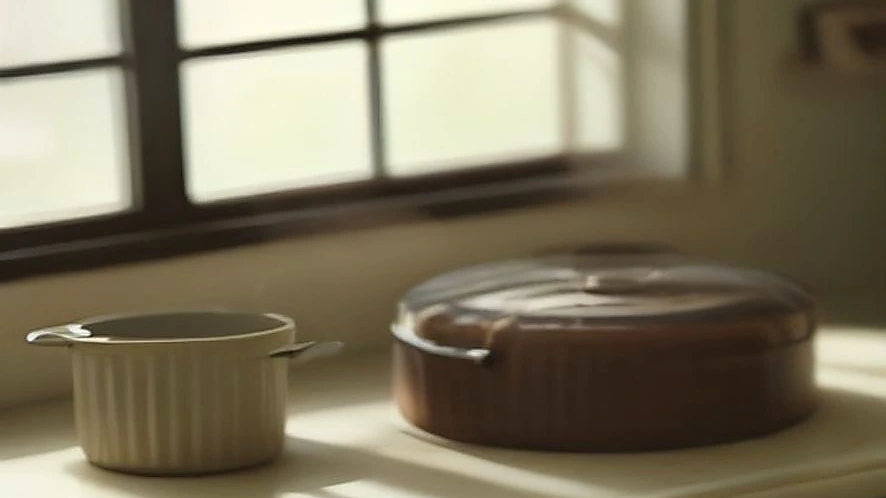
Bundt pans and tube pans look similar at first glance because both have a central tube that creates a hole in the middle of the cake. However, the differences in their shape and surface texture affect how your cake bakes and releases from the pan.
Some links in this post are affiliate links. If you buy through them we may earn a small commission at no extra cost to you — it never changes which products we recommend.
Choosing between a bundt pan and a tube pan comes down to the kind of cake you’re baking and how you want it to look and perform during baking. This article explains what sets them apart beyond marketing terms and when to use each one.
Where each one wins
Bundt pans excel with denser, richer cakes that benefit from the extra crust and decorative shape, such as pound cakes, coffee cakes, and fruit cakes. Their thick aluminum base ensures even browning and a distinctive appearance which is ideal for presentation.
The mechanism behind this is the pan’s heavy cast aluminum construction, which has a thermal conductivity of approximately 150 W/m·K, allowing it to absorb and distribute heat evenly throughout the baking process. This even heat distribution promotes a consistent bake and helps develop a thicker, crispier crust, especially along the fluted edges where more surface area is exposed to direct heat. The fluted design also increases the cake’s surface area by up to 20%, enhancing caramelization and texture contrast between crust and crumb.
Tube pans work best for lighter, airy cakes that need gentle heat penetration and easy release, like chiffon or angel food cakes. Their smooth walls and straightforward design make them easier to grease or line, reducing the risk of sticking.
The central tube in these pans serves a critical function: it allows heat to penetrate the batter from the center as well as the outside, which shortens baking time by up to 25% compared to round pans without a tube. This is essential for delicate batters that can dry out or collapse if baked unevenly. The smooth, straight sides minimize batter adherence, facilitating easier release, especially when combined with a light coating of oil and flour.
If your priority is visual appeal and texture variety, a bundt pan is preferable. For simple, quick cakes where release is critical, a tube pan is typically better.
However, it’s important to consider cake volume and batter type. Bundt pans typically hold 10 to 12 cups of batter, which suits larger, denser cakes, while tube pans can vary widely, with some smaller models holding as little as 5 cups, making them more versatile for smaller recipes or lighter cakes. The increased mass of bundt pans means they retain heat longer, which can extend baking times by 5 to 10 minutes compared to tube pans of similar size.
These differences in heat retention and surface texture also influence moisture retention in cakes. Cakes baked in bundt pans tend to have a drier, more caramelized crust and a denser crumb, while tube pans yield cakes with a softer crust and lighter crumb structure. This can affect not only taste but also shelf life, with bundt cakes often staying fresh longer due to their thicker crust acting as a moisture barrier.
From My Kitchen
Once I tried baking a lemon poppy seed cake in a tube pan that called for a bundt pan. The cake stuck badly to the smooth sides despite greasing, and the hollow centre didn’t create a crisp crust as expected.
This experience highlighted the importance of pan choice in achieving the desired texture. The tube pan’s thinner metal and smooth sides meant less heat retention and less surface area for crust formation. The batter’s moisture content was higher in the center, resulting in a denser, wetter crumb and a less visually appealing cake.
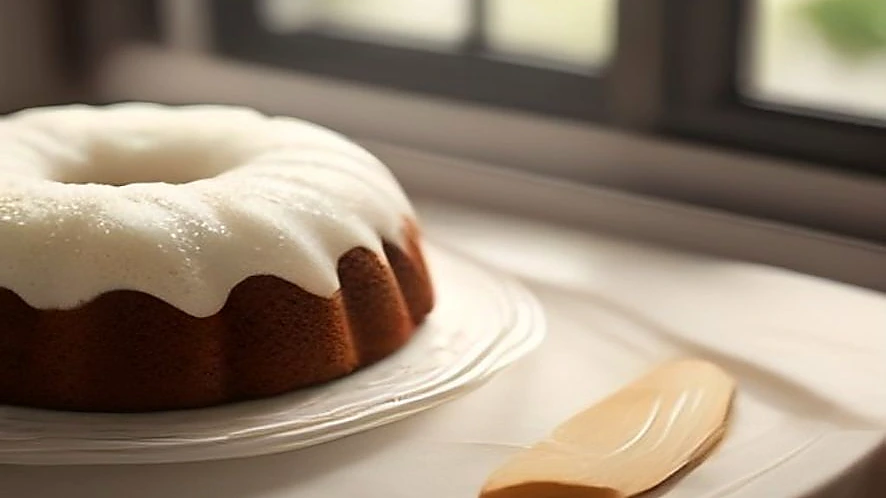
Switching to a Nordic Ware Original Bundt pan, I found the thicker cast aluminum and fluted sides created an even bake and a clean release after cooling for 15 minutes. The decorative pattern also made the cake look more inviting at the table.
The cast aluminum’s superior heat conduction (150 W/m·K) compared to the tube pan’s aluminized steel (approximately 50 W/m·K) ensured that the cake baked evenly throughout, preventing undercooked centers or overly dry edges. The fluted design increased the crust surface area, contributing to a complex texture and richer flavor.
Moreover, the bundt pan’s nonstick coating, combined with proper greasing and cooling time, minimized sticking issues that were problematic in the tube pan. The thicker metal also allowed the cake to cool more gradually, reducing the risk of cracking or collapse.
This practical experience underscores how pan material, design, and size interact to affect baking outcomes, reinforcing the need to select the right pan for your specific recipe and desired cake characteristics.
| Attribute | Bundt pan | Tube pan |
|---|---|---|
| Typical material | Cast aluminum with nonstick coating | Steel or aluminized steel with nonstick coating |
| Side surface | Fluted/decorative | Smooth/straight |
| Heat conduction | High due to thick cast aluminum (~150 W/m·K) | Moderate to high, depends on steel gauge (~50-70 W/m·K) |
| Crust texture | Thicker, crispier due to fluting and metal thickness | Lighter, more uniform crust |
| Cake release | May require careful greasing or specific coatings | Usually easier release with modern nonstick coatings |
| Capacity and size | Often 10-12 cups, 10.5 inches diameter, 3.8 inches height | Varies; example 7-inch diameter, shallower height |
From My Kitchen
Once I tried baking a lemon poppy seed cake in a tube pan that called for a bundt pan. The cake stuck badly to the smooth sides despite greasing, and the hollow centre didn’t create a crisp crust as expected.
Switching to a Nordic Ware Original Bundt pan, I found the thicker cast aluminum and fluted sides created an even bake and a clean release after cooling for 15 minutes. The decorative pattern also made the cake look more inviting at the table.
Worth Considering
Best for smaller, straightforward cakes: 7-Inch Buntz Cake Pan Set

This set includes two 7-inch nonstick fluted tube pans with a gold food-grade coating. They suit home bakers making simple bundt-shaped cakes or other desserts where easy release and cleanup matter. They are not designed for large or highly decorative cakes and their smaller size limits volume.
Brand: Brand: BreadTalk · Price when checked: $18.99 · Rating: 4.9 out of 5 (137 ratings)
Pros
- Food-grade gold nonstick coating for clean release
- Includes two pans for convenience
- Compact 7-inch size fits smaller ovens and recipes
Cons
- Smaller capacity limits cake size
- Less decorative fluting than premium bundt pans
Best for classic, decorative cakes: Nordic Ware Original Bundt, 12-Cup, Graphite

This 10.5-inch diameter, 12-cup capacity bundt pan is made from cast aluminum for superior heat conduction and detailed cake patterns. It suits bakers wanting crisp edges, complex textures, and an heirloom-quality pan. Not ideal for very light cakes that require gentle baking or those who prefer minimal cleanup.
Brand: Nordic Ware · Price when checked: $23.97 · Rating: 4.8 out of 5 (258 ratings)
Pros
- Durable cast aluminum with excellent heat conductivity
- Detailed fluted design for intricate cake patterns
- Premium PFAS- and PTFE-free silicone nonstick coating
Cons
- Larger size requires more batter and oven space
- Cast aluminum is heavier and takes longer to clean
When neither bundt nor tube pans are the right answer
For angel food cakes and other very airy sponge cakes, neither bundt nor standard tube pans produce the ideal rise or texture. Angel food cake pans have removable bottoms and taller, straight sides which allow the delicate batter to cling to the pan during baking, supporting volume and preventing collapse.
Similarly, if you want a perfectly uniform crust with no decorative texture, straight-sided springform pans or loaf pans might be better. Bundt and tube pans are specialised shapes that serve particular cake types but don’t suit every recipe.
Evaluating your cake type and desired final texture will guide when to avoid these pans. For example, chiffon cakes often bake better in tube pans, but angel food cakes need dedicated pans designed to hold their fragile structure.
Related reading
- Homemade Hostess Halloween Snack Cakes (Easy Copycat!)
- Silicone vs Metal Baking Molds: An Honest Comparison
- Quick & Easy Chicken Pot Pie Recipe (Foolproof!)
Frequently Asked Questions
Can I use a bundt pan instead of a tube pan for angel food cake?
Angel food cakes require tall, straight-sided pans with removable bottoms to support the delicate batter as it rises. Bundt pans usually have fluted sides and a non-removable base, which can prevent the cake from clinging properly and cause it to collapse or bake unevenly. It’s best to use an angel food cake pan specifically designed for this purpose.
Do I need to grease or flour a bundt pan?
Most bundt pans benefit from greasing and flouring to ensure clean cake release because their intricate fluted design traps batter in crevices. Some nonstick coatings reduce this need but lightly coating the pan with butter or oil, then dusting with flour or sugar, is a reliable method to prevent sticking and preserve the detailed cake shape.
Why do tube pans have a tube in the middle?
The central tube in tube pans allows heat to reach the middle of the batter more quickly and evenly than from the outer edges alone. This reduces overall baking time and prevents the centre from being undercooked, which is especially important for dense or large cakes to achieve uniform doneness.
Rimi Sultana is a home cook from Bangladesh who has cooked for her family every day for the past five years and writes about it at Smart Cooks. Perpetually testing whether internet-famous recipes actually work in a regular home kitchen. Say hello on Facebook or through the contact page.