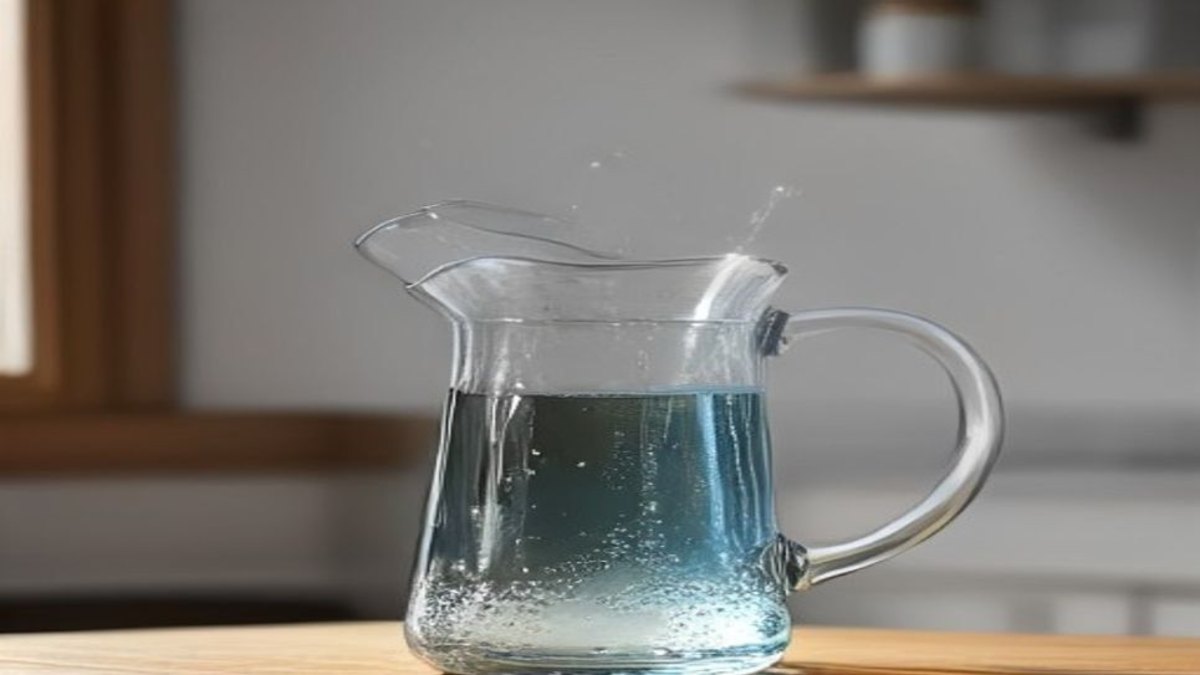
Water filter pitchers and under sink filters both aim to improve tap water quality, but they operate in fundamentally different ways that affect performance, convenience, and cost. While the pitcher relies on gravity to pull water through a replaceable filter cartridge inside a portable container, the under sink system uses your home’s water pressure to push water through a more complex filter installed directly in the plumbing.
Some links in this post are affiliate links. If you buy through them we may earn a small commission at no extra cost to you — it never changes which products we recommend.
These differences have practical consequences: pitchers are usually simpler to use and cheaper upfront but filter smaller volumes slowly, whereas under sink filters can provide continuous filtered water at faucet pressure but require installation and more maintenance. Understanding how their mechanisms influence filtration speed, contaminant removal, and longevity helps clarify which is right for your household.
Where each one wins
Water filter pitchers are best when you want no-install convenience, portability, and a simple way to improve drinking water taste and remove common contaminants like chlorine and lead. Their compact size and lack of plumbing make them ideal for renters, small kitchens, or occasional use.
Under sink filters excel in households needing larger volumes of filtered water quickly and continuously. They provide water at faucet pressure and often remove a wider range of impurities, including sediments and chlorine taste, without the wait time pitchers require. They are preferable in family kitchens or where filtered water is used for cooking, cleaning produce, and drinking.
However, under sink systems demand initial installation effort and a higher upfront cost, plus space under the sink for the unit. Pitchers, while slower and limited in volume, require less commitment and can be moved or stored when not needed.
To delve deeper into the mechanisms, water filter pitchers typically use gravity-fed carbon block filters that rely on water slowly passing through activated carbon and ion exchange resins. This process can remove chlorine, lead, and some organic compounds but is limited by the slow flow rate—usually about one cup every 2 to 3 minutes. This slow filtration is due to the absence of pressure, and it means the pitcher can only provide a limited volume before needing a refill. The filter lifespan is generally around 150 gallons or approximately two months for an average user, after which performance declines.
In contrast, under sink filters utilize the home’s water pressure, typically between 40 and 60 psi, to push water through multi-stage cartridges that may include sediment filters, activated carbon blocks, and sometimes specialty media targeting heavy metals or taste and odor compounds. This pressurized flow allows filtration rates of 0.5 to 2 gallons per minute, providing near-instant access to filtered water directly from the faucet. The cartridges tend to have longer lifespans, often filtering between 500 and 1,000 gallons before replacement, depending on water quality and usage.
From a contamination removal perspective, pitchers are effective against chlorine, lead, fluoride to some extent, and certain emerging contaminants known as ‘forever chemicals’ like PFAS. However, their ability to remove sediment and microbial contaminants is limited due to the filter design and flow rate. Under sink filters, depending on the cartridge type, can remove a broader spectrum including sediment, chlorine, heavy metals, and improve taste and odor more comprehensively. Some advanced cartridges include antimicrobial agents or additional stages such as UV sterilization, though these are less common in standard units.
Maintenance also differs significantly. Pitchers require regular cartridge replacement and occasional cleaning of the pitcher components to prevent biofilm buildup. Under sink systems require cartridge changes as well, but also periodic flushing of the system to prevent clogging and maintain flow rates. Installation complexity means some users may need professional help, and space constraints under the sink can limit options.
The consequences of these differences impact daily use: pitchers are ideal for individuals or small households prioritizing simplicity and portability, but their slow filtration can be frustrating during gatherings or high-demand situations. Under sink filters, while more complex and costly upfront, provide convenience and capacity suitable for larger families or those who cook extensively with filtered water. Choosing between them depends on balancing these factors against your specific water quality concerns and lifestyle.
From My Kitchen
Once, I underestimated how quickly filtered water would run out during a weekend gathering using only a water filter pitcher. The slow pour rate and 10-cup capacity meant guests waited impatiently and I had to refill and wait repeatedly. Switching temporarily to the under sink filter faucet gave immediate water on demand, eliminating delays and supplying enough for cooking and drinking without interruption. This difference in flow speed and capacity is crucial when volume and convenience matter.
To quantify, during that gathering, the pitcher filtered approximately 10 cups (about 2.4 liters) every 20 to 30 minutes, while the under sink filter provided a continuous flow rate of about 1 gallon (3.8 liters) per minute. This meant that the under sink system could supply filtered water over 100 times faster than the pitcher, significantly reducing wait times and improving user experience.
Additionally, the under sink filter’s larger cartridge capacity meant it handled the increased water demand without frequent replacements or performance drops. In contrast, the pitcher’s filter approached its maximum capacity quickly, necessitating a replacement shortly after the event. This experience highlights how filter capacity and flow rate directly impact usability in real-world scenarios.
Furthermore, the convenience of having filtered water directly from the faucet also meant I used it more for cooking and washing produce, ensuring better overall water quality in my kitchen. The pitcher’s portability remained valuable for travel or temporary setups, but for everyday use and larger households, the under sink filter’s efficiency was unmatched.
| Attribute | Water filter pitcher | Under sink filter |
|---|---|---|
| Filtration mechanism | Gravity-fed carbon block filtration | Pressurised flow through multi-stage cartridges |
| Installation | No installation, portable | Requires plumbing connection under sink |
| Filtration speed | Slow, limited by gravity, ~1 cup per 2-3 minutes | Faster, matches faucet flow rate, ~0.5 – 2 gallons per minute |
| Filter lifespan | Approx. 150 gallons or ~2 months | Often 500 to 1,000 gallons or 3-6 months depending on use |
| Contaminant removal | Reduces chlorine, lead, fluoride, and some forever chemicals | Removes sediment, chlorine, taste and odour, some heavy metals, depending on cartridge |
| Maintenance | Replace filter cartridge and clean pitcher | Replace cartridges, occasional system flush, possible installation tools needed |
From My Kitchen
Once, I underestimated how quickly filtered water would run out during a weekend gathering using only a water filter pitcher. The slow pour rate and 10-cup capacity meant guests waited impatiently and I had to refill and wait repeatedly. Switching temporarily to the under sink filter faucet gave immediate water on demand, eliminating delays and supplying enough for cooking and drinking without interruption. This difference in flow speed and capacity is crucial when volume and convenience matter.
To quantify, during that gathering, the pitcher filtered approximately 10 cups (about 2.4 liters) every 20 to 30 minutes, while the under sink filter provided a continuous flow rate of about 1 gallon (3.8 liters) per minute. This meant that the under sink system could supply filtered water over 100 times faster than the pitcher, significantly reducing wait times and improving user experience.
Additionally, the under sink filter’s larger cartridge capacity meant it handled the increased water demand without frequent replacements or performance drops. In contrast, the pitcher’s filter approached its maximum capacity quickly, necessitating a replacement shortly after the event. This experience highlights how filter capacity and flow rate directly impact usability in real-world scenarios.
Furthermore, the convenience of having filtered water directly from the faucet also meant I used it more for cooking and washing produce, ensuring better overall water quality in my kitchen. The pitcher’s portability remained valuable for travel or temporary setups, but for everyday use and larger households, the under sink filter’s efficiency was unmatched.
Worth Considering
Best for portable and simple use: Epic Water Filters Pure Filter Pitcher

This pitcher is well suited for those who want a no-install, easy-to-use water filter to improve taste and reduce lead, fluoride, and forever chemicals. It is not ideal if you need large volumes quickly or want water flowing directly from a tap.
Brand: Epic Water Filters · Price when checked: $84.00 · Rating: 4.2 out of 5 (216 ratings)
Pros
- Advanced carbon block filter reduces a broad range of contaminants
- Certified to NSF/ANSI standards 42, 53, 401, and P473
- Long filter life of up to 150 gallons
Cons
- Slow filtration speed due to gravity-fed design
- Limited capacity and requires frequent refilling for multiple users
Best for continuous supply: 3M Aqua-Pure Under Sink Water Filter Cartridge AP217

Ideal for households needing fast, continuous filtered water without a separate faucet. It efficiently removes sediment, chlorine, and related tastes and odours. It requires installation and space under the sink.
Brand: Aqua-Pure · Price when checked: $267.16 · Rating: 4.5 out of 5 (3561 ratings)
Pros
- Uses home water pressure for faster filtration flow
- Effectively removes sand, dirt, rust, chlorine taste and odour
- Compatible with existing under sink systems for easy cartridge replacement
Cons
- Requires plumbing installation under the sink
- Higher initial cost and more complex maintenance
When neither a pitcher nor under sink filter is the right choice
If your water contains specific contaminants like heavy metals beyond lead, nitrates, or microbial pathogens, or if you need extremely pure water for medical reasons or aquariums, neither a standard pitcher nor typical under sink filter will suffice. In such cases, reverse osmosis systems, ultraviolet sterilizers, or specialised multi-stage whole house filters may be necessary.
Also, if you rent a place with limited space and cannot install plumbing, but need higher flow than a pitcher offers, a countertop filter with pump assistance or a faucet-mounted filter might be a better compromise. These options offer improved filtration speed and some installation ease without the full commitment of an under sink system.
Related reading
- Vacuum food storage container vs vacuum sealer: Which preserves food better
- 10 Best Glass Meal Prep Containers with Bamboo Lids for Stylish Storage
- 7+ Best Food Storage Containers for Freshness & Organization
Frequently Asked Questions
How often do I need to replace the filter in a water filter pitcher?
Most water filter pitchers require cartridge replacement after filtering around 150 gallons, which typically corresponds to 1.5 to 2 months of regular use for a small household. Filter lifespan varies by water quality and usage frequency. Ignoring replacement can reduce filtration effectiveness and allow contaminants to bypass the filter.
Can an under sink filter remove fluoride from tap water?
Standard under sink filters like activated carbon cartridges primarily reduce chlorine, sediment, and some heavy metals but generally do not remove fluoride effectively. To remove fluoride, specialised filters such as reverse osmosis or activated alumina media are needed. The 3M Aqua-Pure AP217 does not specifically target fluoride.
Is installation of an under sink filter difficult?
Installation requires basic plumbing skills like turning off water supply, disconnecting pipes, and mounting the filter housing under the sink. Many units come with instructions and necessary fittings, but some users may need a plumber or handyman. Pitchers require no installation, making them easier for non-technical users.

Rimi Sultana is a home cook from Bangladesh who has cooked for her family every day for the past five years and writes about it at Smart Cooks. Perpetually testing whether internet-famous recipes actually work in a regular home kitchen. Say hello on Facebook or through the contact page.