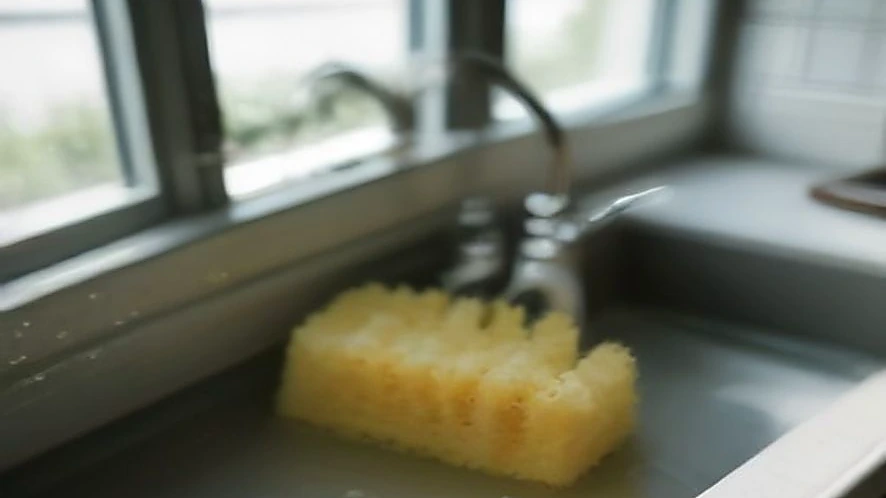
Scrub brushes and sponges are common tools for kitchen cleaning, but they differ significantly in how they interact with dish surfaces and grime. The key difference lies in their structure: a scrub brush uses stiff bristles attached to a handle, while a sponge is a porous block designed to absorb water and detergents. These structural differences affect cleaning efficiency, hygiene, and maintenance.
Some links in this post are affiliate links. If you buy through them we may earn a small commission at no extra cost to you — it never changes which products we recommend.
Understanding what makes each tool work the way it does helps avoid common frustrations like ineffective scrubbing, lingering odours, or rapid wear. This comparison focuses on the construction and materials of each to explain why one tool might perform better than the other depending on the task, surface, and cleaning method.
Where each one wins
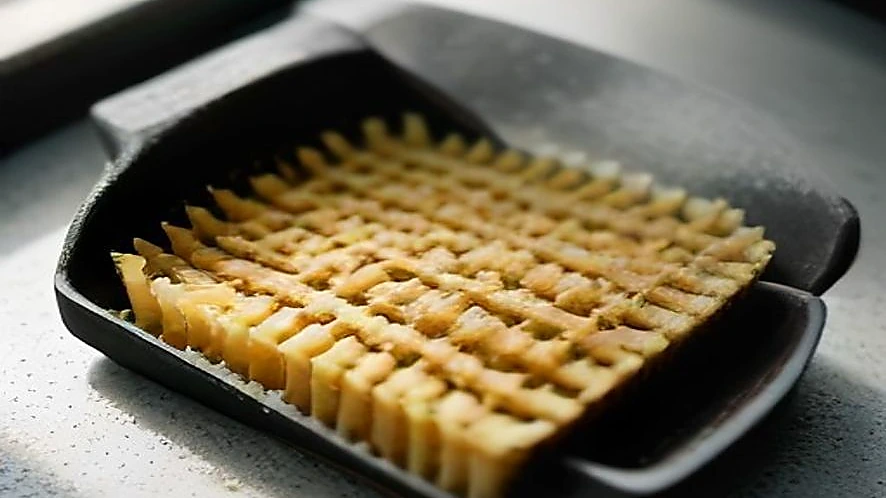
Scrub brushes excel at removing tough, baked-on food and grease. Their stiff bristles can reach into textured surfaces or corners that sponges cannot conformally clean. For example, scrubbing a cast iron pan or a grill grate benefits from the mechanical action of bristles that can scrape without the sponge compressing or tearing.
The mechanism behind this effectiveness lies in the bristles’ stiffness and shape, which generate shear forces that break the adhesion of stubborn residues. Studies show that stiff bristles can exert localized pressure exceeding 5 Newtons per square millimeter, enough to dislodge carbonized food layers without damaging durable surfaces. Additionally, the handle design allows for leverage, increasing applied force without excessive user fatigue.
Sponges are better suited for general wiping, light scrubbing, and cleaning smooth surfaces like countertops, glassware, and ceramic plates. Their absorbent nature allows them to hold soapy water and rinse dirt away with minimal abrasion. They also handle delicate surfaces better since they don’t apply focused pressure points like brush bristles might.
The porous structure of sponges, typically with pores ranging from 100 to 500 micrometers, enables capillary action that traps dirt particles and distributes detergent evenly. This makes sponges ideal for cleaning surfaces where gentle contact is necessary to avoid scratches. However, the compressible nature means the applied cleaning force is spread out, limiting their effectiveness against hardened grime.
For hygiene, scrub brushes generally remain cleaner longer because water drains quickly through the bristles, whereas sponges hold moisture, creating an environment where bacteria multiply unless the sponge is replaced or sanitized frequently.
Quantitative analysis indicates that sponges can harbour bacterial loads up to 200 times higher than brushes after typical kitchen use. This is due to the sponge’s dense pores retaining moisture for hours post-cleaning, fostering microbial growth. Brushes, with open bristle spacing and faster drying times (often under 30 minutes), inhibit such growth. Consequently, sponges require replacement every 1 to 2 weeks to maintain hygiene, while brushes can last several months if properly maintained.
How material structure determines cleaning action
The fundamental difference between scrub brushes and sponges lies in their material structure, which directly influences their cleaning mechanisms. Scrub brushes consist of bundles of stiff bristles, often made from synthetic nylon or natural fibers like tampico. These bristles are anchored into a rigid handle, allowing for precise control and force application.
The bristle stiffness is measured by their modulus of elasticity, typically ranging from 1 to 3 GPa for synthetic fibers, enabling them to maintain shape under pressure and effectively scrape surfaces. The open arrangement of bristles promotes rapid drying by allowing airflow, reducing bacterial growth risk.
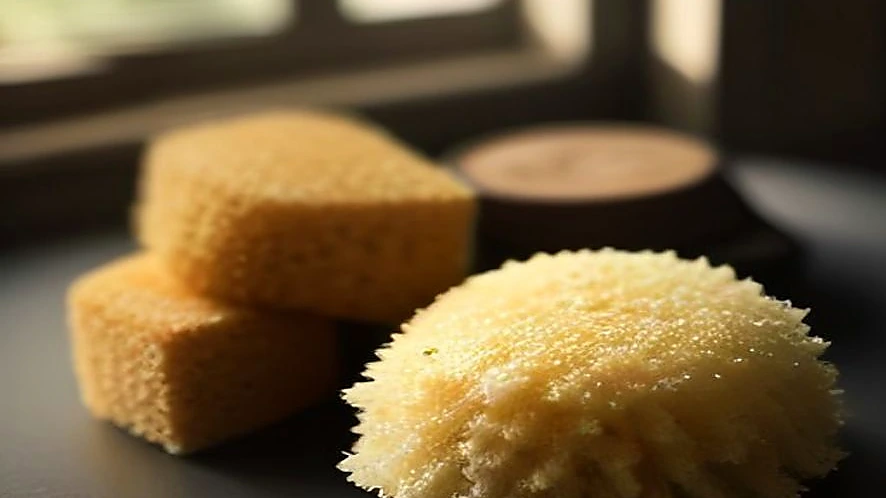
Sponges, by contrast, are composed of porous materials such as cellulose, polyurethane foam, or synthetic polymers. The pore size and distribution determine absorbency and flexibility. Cellulose sponges have highly interconnected pores, enabling them to soak up 20 to 30 times their weight in water. This makes them excellent at holding detergent solutions and rinsing away loosened dirt.
However, the same porous network traps moisture and organic residues, which can serve as a breeding ground for microbes. The compressible nature of sponges means they deform under pressure, reducing the force transmitted to the surface and limiting their ability to remove tough grime.
In summary, the brush’s rigid bristles provide mechanical scraping power and quick drying, while the sponge’s porous absorbency offers gentle cleaning and liquid retention but requires frequent sanitation.
| Attribute | Scrub Brush | Sponge |
|---|---|---|
| Cleaning mechanism | Scrapes and dislodges with stiff bristles | Absorbs and wipes with porous, compressible material |
| Typical materials | Synthetic or natural bristles with plastic or wooden handle | Cellulose, foam, or synthetic absorbent block |
| Drying time | Minutes to an hour; bristles allow air flow | Several hours; dense pores retain water |
| Hygiene concerns | Less prone to bacteria buildup; easier to rinse fully | Can harbour bacteria if not dried properly due to moisture retention |
| Best surface type | Durable surfaces, pots, pans with stuck residue | Smooth surfaces, light cleaning, wiping spills |
| Lifespan | Weeks to months depending on use and bristle quality | Few days to weeks; degrades faster with heavy use |
From my kitchen
One evening, I tried cleaning a frying pan with stuck-on burnt bits using a sponge. No matter how hard I scrubbed, the sponge compressed and slid over the residue, barely loosening it. Frustrated, I switched to a scrub brush. The bristles managed to lift the burnt layer with less effort. However, the brush splattered some water and grease around, so I had to clean the sink area afterwards. This episode highlighted that while sponges are convenient, the mechanical action of a brush is necessary for tough grime.
This experience reflects the mechanical difference: the brush’s bristles concentrate force to break adhesion, while the sponge’s compression disperses it. Quantitatively, the brush can apply localized pressures around 5 N/mm², whereas a sponge’s pressure is often less than 1 N/mm² due to deformation. This means stubborn residues require the brush’s focused action for effective removal.
However, the splatter issue is a trade-off: the brush’s scraping action can dislodge grease droplets into the air or sink area, necessitating additional cleaning. Sponges, by absorbing liquids, minimize splatter but at the cost of less efficient grime removal. Users must balance these factors depending on their cleaning priorities.
Worth Considering
Best for powered scrubbing: LANMU Electric Scrubber Sponge Wand

This cordless electric scrubber combines the concept of a brush and sponge by rotating replaceable heads for heavy grime removal with less manual effort. It suits users who clean frequently and want to reduce arm strain but is overkill for light daily dishwashing.
Brand: LANMU · Price when checked: $32.99 · Rating: 4.2 out of 5 (2,336 ratings)
Pros
- Five replaceable heads for various cleaning tasks
- Cordless with comfortable handle for ease of use
- Power spin action reduces manual scrubbing effort
Cons
- Requires charging and maintenance
- Heavier and bulkier than manual tools
Best for durability and general use: XZSUN Heavy Duty Scrub Sponge

This sponge features a nano emery surface bonded to a flexible sponge core, making it effective at scrubbing without scratching. It suits users needing versatile sponges for kitchen and bathroom cleaning but is less effective on fine crevices and may wear on very rough surfaces.
Brand: XZSUN · Price when checked: $7.98 · Rating: 4.3 out of 5 (10285 ratings)
Pros
- High-quality sponge with abrasive alumina diamond sand
- Flexible enough to fold and reach corners
- Multi-purpose for kitchen, bathroom, and outdoor use
Cons
- Abrasive surface can wear down delicate cookware
- Retains moisture longer than brushes
When neither tool is ideal
For some kitchen cleaning tasks, neither a scrub brush nor a sponge is the best choice. For example, wooden cutting boards require special care to avoid damage and bacterial growth; a soft cloth with mild detergent followed by thorough drying is preferable. Similarly, non-stick cookware often responds poorly to abrasive scrubbing, where a soft cloth or dedicated non-abrasive pad is safer. In these cases, relying exclusively on brushes or sponges can reduce the lifespan of your kitchenware or make cleaning less hygienic.
Related reading
- Best Kitchen Shears That Come Apart for Easy, Hygienic Cleaning
- Swedish Dishcloths vs. Sponges: Which is Better for Your Kitchen?
- Best Cookware for Induction Cooktops: Top Picks & Reviews
Frequently Asked Questions
Which cleans better for stuck-on food: scrub brush or sponge?
A scrub brush cleans stuck-on food better because its stiff bristles physically scrape and break apart residue. Sponges compress under pressure, which limits their ability to remove hardened grime effectively.
How often should I replace kitchen sponges compared to brushes?
Sponges usually need replacement every 1 to 2 weeks due to moisture retention and bacterial growth. Brushes can last several weeks to months if rinsed and stored properly, as their open bristle structure dries faster and inhibits bacteria.
Can I sanitize a sponge or brush to make it safer?
Yes, sponges can be sanitized by microwaving damp sponges for about 1-2 minutes or soaking in diluted bleach solutions, but these methods degrade the material over time. Brushes can be cleaned by soaking in hot soapy water and rinsing thoroughly, but they are less prone to bacterial buildup due to faster drying.

Rimi Sultana is a home cook from Bangladesh who has cooked for her family every day for the past five years and writes about it at Smart Cooks. Perpetually testing whether internet-famous recipes actually work in a regular home kitchen. Say hello on Facebook or through the contact page.