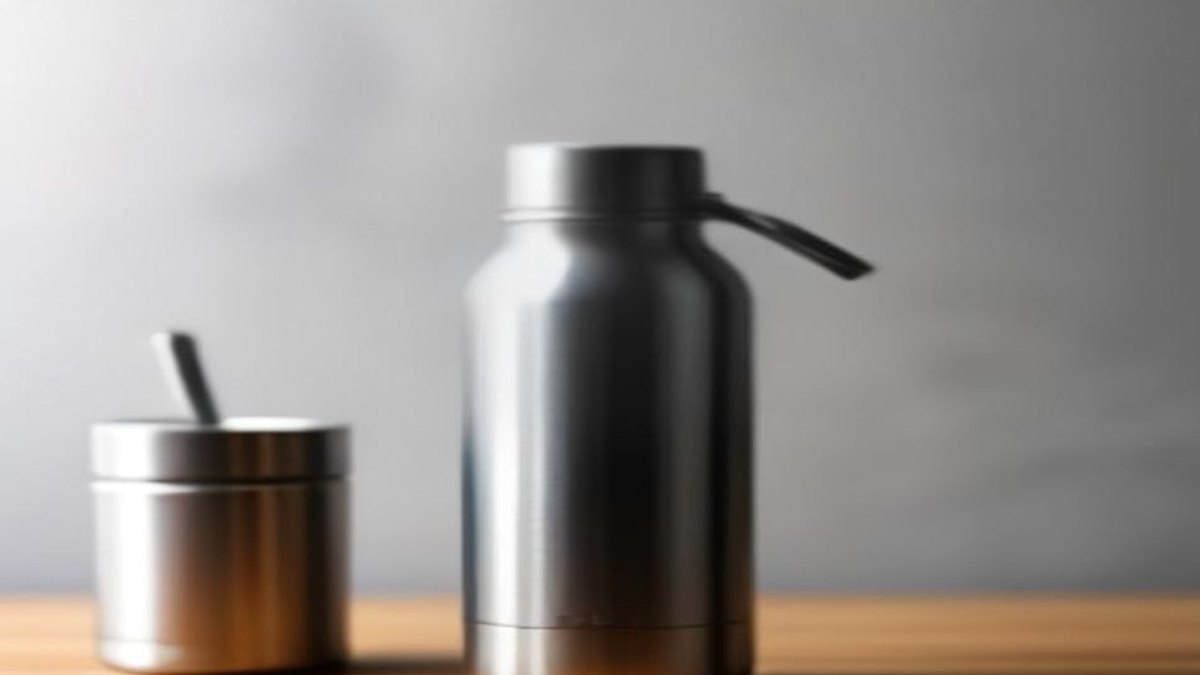
Insulated water bottles and tumblers share the goal of maintaining beverage temperature, but they differ significantly in shape, lid design, and insulation construction. These differences influence how you use them, how long drinks stay hot or cold, and how easy they are to clean or carry.
Some links in this post are affiliate links. If you buy through them we may earn a small commission at no extra cost to you — it never changes which products we recommend.
Understanding what makes each type function the way it does reveals which is better suited for specific routines, whether it’s sipping coffee at your desk or staying hydrated during exercise. This comparison goes beyond surface features to explain the mechanisms behind their performance.
Where each one wins
Insulated tumblers excel when you want easy sipping during long desk sessions or casual outings. Their wide mouths make adding ice cubes or pouring coffee straightforward, and removable straws aid comfort. Triple-wall insulation can keep drinks at a stable temperature for several hours when the lid is closed properly. The triple-wall design typically involves two stainless steel walls with an additional insulating layer, often foam or air, between them to reduce heat transfer by conduction and convection. This construction helps maintain temperatures but can be compromised if the lid is not tightly sealed or has openings for straws, which allow heat exchange with the environment.
Water bottles are better when you need reliable leak-proof hydration on the move. Their narrow necks and tight lids prevent spills, making them suitable for gym bags or bike rides. The slimmer shape also fits well in vehicle cup holders and backpack side pockets, and their insulation often keeps water cold for a full day. Most insulated water bottles use double-wall vacuum insulation, where the space between two stainless steel walls is evacuated of air, drastically reducing heat transfer by conduction and convection. This vacuum layer is highly effective, enabling cold drinks to stay chilled for up to 24 hours and hot drinks to remain warm for up to 12 hours. The narrow opening further limits temperature loss by reducing exposed surface area.
Choosing between them depends on your priorities: convenience and sipping experience versus portability and maximum temperature retention. For example, if you prioritize temperature retention during outdoor activities, a water bottle with vacuum insulation and a screw-on lid is preferable. Conversely, if you want to enjoy beverages at your desk with ease and style, a tumbler with a wide mouth and straw offers a superior sipping experience despite slightly reduced insulation efficiency.
How design and insulation mechanisms affect performance
The performance of insulated bottles and tumblers hinges on several design factors including wall construction, lid type, and shape. Wall construction varies from double-wall vacuum insulation in bottles to triple-wall insulation in tumblers. Vacuum insulation involves removing air between two metal walls, which minimizes heat transfer by conduction and convection, making it the most effective method for temperature retention. Triple-wall tumblers add an extra insulating layer, which theoretically improves performance but can be offset by lid design.
Lid design is critical. Water bottles typically feature narrow necks with screw-on caps that create airtight seals, preventing heat exchange and spills. Tumblers often have wider mouths with sip lids or straws for convenience, but these openings allow more air flow, accelerating heat loss or gain. For example, a tumbler with a straw lid may lose heat 20-30% faster than a sealed bottle, depending on ambient conditions and beverage temperature.
Shape and size also influence usability and insulation. Tumblers usually hold 30 to 40 ounces (900–1200 ml), which suits long sipping sessions but adds bulk. Their wider profile reduces compatibility with standard cup holders and increases surface area exposed to ambient air, slightly reducing insulation efficiency. Water bottles range from 12 to 32 ounces (350–950 ml), offering a balance between capacity and portability. Their slim design fits better in backpacks and vehicle holders, making them ideal for active use.
Cleaning considerations impact long-term usability. Tumblers’ wide mouths and removable straws allow thorough cleaning and dishwasher safety, reducing bacterial buildup. Water bottles’ narrow necks can be harder to clean, requiring bottle brushes, though many lids are dishwasher safe. Hygiene is crucial as residual moisture and beverage particles can harbor bacteria, affecting taste and health.
| Attribute | Insulated tumbler | Insulated water bottle |
|---|---|---|
| Typical capacity | 30 to 40 oz (900–1200 ml) | 12 to 32 oz (350–950 ml) |
| Wall construction | Often triple-wall stainless steel | Usually double-wall stainless steel with vacuum insulation |
| Lid type | Wide mouth with straw or sip lid, sometimes leak-resistant | Narrow neck screw cap, leak-proof |
| Temperature retention | Keeps drinks hot or cold for 6–12+ hours, but lid design can reduce efficiency | Keeps drinks hot up to 12 hours, cold up to 24 hours, thanks to narrow opening and vacuum insulation |
| Portability | Bulkier, less compatible with standard cup holders | Slimmer, fits more cup holders and backpack pockets |
| Cleaning | Dishwasher safe with removable straw parts but wider profile can be cumbersome | Wide mouth allows easy hand cleaning, lids often dishwasher safe |
From My Kitchen
I once took an insulated tumbler with a straw to a long outdoor meeting on a chilly day. Despite the triple-wall design, the hot tea inside cooled faster than I expected because I kept sipping through the open straw lid, increasing heat loss. The open lid allowed warm air to escape and cold air to enter, accelerating cooling. Switching to a water bottle with a sealed cap afterward kept my drink hot much longer, proving that lid design can outweigh insulation thickness in temperature retention. This personal experience highlights that even with advanced insulation materials, user behavior and container design significantly impact performance.
Worth Considering
Best for casual sipping and style: HydroJug Traveler 40oz Tumbler

This tumbler offers triple-wall insulation and a wide mouth with a straw, ideal for desk use or casual outings where sipping comfort matters. It is less suited for carrying in tight spaces or active scenarios due to its size.
Brand: HydroJug · Price when checked: $44.99 · Rating: 4.4 out of 5 (5,948 ratings)
Pros
- Triple-wall stainless steel insulation for hours of temperature control
- Non-slip rubber base improves stability
- Dishwasher safe with detachable straw for easy cleaning
Cons
- Bulkier and heavier than typical water bottles
- Straw lid can reduce the efficiency of heat retention
Best for active use and portability: avodvo 24oz Insulated Water Bottle

This water bottle balances insulation with portability and leak-proof design, making it a solid choice for gym, travel, or commuting. Its narrower capacity and double-wall insulation may not suit those looking for larger volumes or maximum temperature duration.
Brand: avodvo · Price when checked: $15.99 · Rating: 4.3 out of 5 (4279 ratings)
Pros
- Double-wall vacuum insulation keeps drinks cold up to 24 hours
- Leak-proof 2-in-1 straw and spout lid options
- Non-slip silicone sleeve protects and stabilises bottle
Cons
- Recommended hand wash for bottle to maintain finish
- Smaller capacity may require frequent refills
When neither insulated bottle nor tumbler is the best choice
If you need to pour beverages frequently or serve multiple people, a thermal carafe or flask with a wide mouth and a pour spout might be better. These offer superior insulation and easier pouring than personal bottles or tumblers but are less portable for individual use.
For casual hydration where temperature retention is less critical, simple reusable bottles or glasses may suffice and are easier to clean thoroughly without lids or straws.
Finally, if you want precision temperature control for a particular drink, a smart mug with electronic heating may outperform passive insulated containers.
Related reading
- Best Kitchen Table Finishes: Durable & Protective Options
- Silicone vs Metal Baking Molds: An Honest Comparison
- OXO Pop containers vs Prokeepers for flour and sugar: Which Is Better?
Frequently Asked Questions
Does the lid type really affect how long my drink stays hot or cold?
Yes, it does. Even with excellent vacuum insulation, an open or straw lid exposes the beverage to air, accelerating heat loss or gain. Narrow, screw-on lids limit air exchange and help maintain temperature longer. So the lid design plays a crucial role alongside insulation thickness.
Are triple-wall tumblers always better at keeping drinks hot or cold?
Not necessarily. While triple walls add insulation layers, the overall temperature retention depends on the lid and container shape. Tumblers often have wider mouths and lids with openings or straws that increase heat exchange. A double-wall bottle with a tight sealing lid can outperform a triple-wall tumbler in temperature retention.
Which is easier to clean between a tumbler and a water bottle?
Tumblers usually have wider openings and removable components like straws, making them accessible for thorough cleaning and dishwasher safe. Water bottles with narrower necks can be harder to clean by hand, though many have dishwasher-safe lids. For hygiene, consider how easy it is to disassemble and reach all parts.

Rimi Sultana is a home cook from Bangladesh who has cooked for her family every day for the past five years and writes about it at Smart Cooks. Perpetually testing whether internet-famous recipes actually work in a regular home kitchen. Say hello on Facebook or through the contact page.