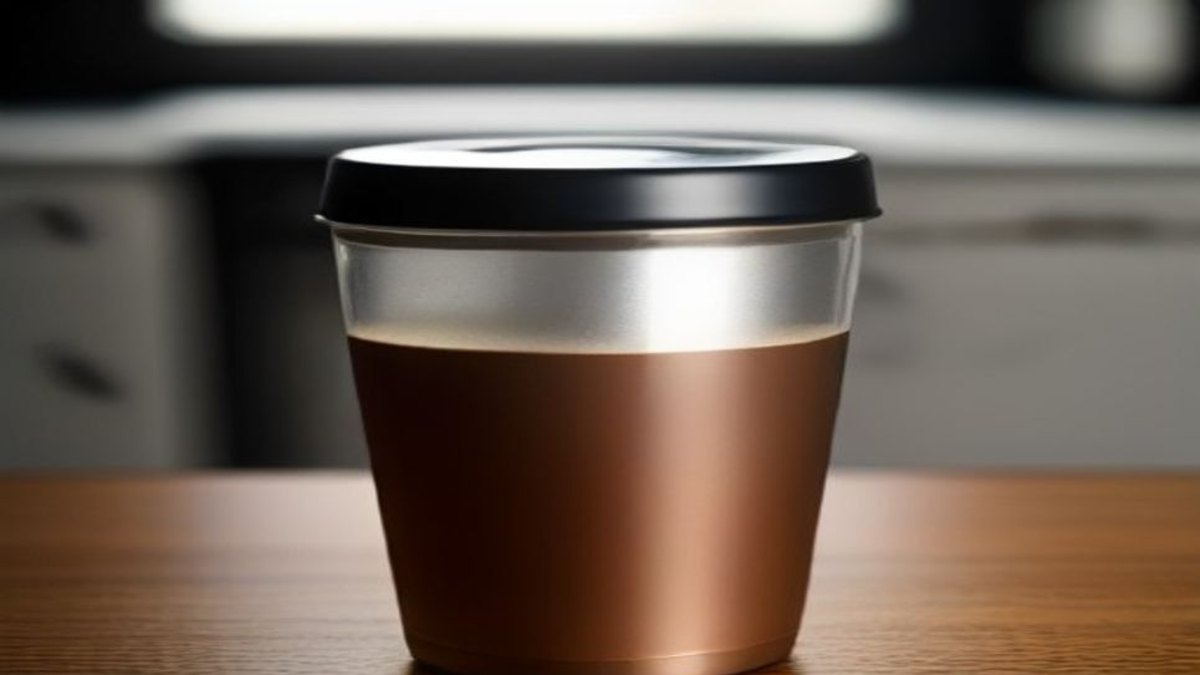
Travel mugs and tumblers both serve to hold drinks on the go, but their designs reflect different priorities. A travel mug typically focuses on leak resistance and heat retention for hot beverages, while tumblers tend to emphasise versatility and ease of drinking, often favouring cold or room temperature drinks.
Some links in this post are affiliate links. If you buy through them we may earn a small commission at no extra cost to you — it never changes which products we recommend.
Understanding these differences is more than just marketing. It comes down to the construction and lid mechanisms that affect usability, temperature control, and portability. Choosing one without knowing these details can lead to frustration, such as spills or lukewarm drinks.
Where each one wins
Travel mugs excel when you need to keep a hot drink contained during a commute or in a moving vehicle. Their locking lids and narrower openings reduce the chance of spills and help maintain heat by limiting airflow. This makes them suitable for coffee or tea on the go, especially if you’re carrying the mug in a bag or holding it while walking.
The mechanism behind their heat retention is usually double-wall vacuum insulation, which creates an airless space that drastically reduces heat transfer by conduction and convection. Most travel mugs can keep beverages hot for 4 to 6 hours, with some premium models extending this to 8 hours or more. For example, a well-insulated 16 oz travel mug can maintain coffee temperatures above 140°F (60°C) for up to 6 hours. The locking lid design often includes silicone seals and sliding or flip-top spouts that prevent leaks even when the mug is jostled or tipped, making them ideal for active commutes or car rides.
Tumblers are better suited for leisurely sipping, often outdoors or at a desk. Their wide mouths and simpler lids allow easy refilling and drinking without unscrewing a lid. They tend to hold larger volumes and are favoured for cold beverages like iced water, smoothies, or cold brew coffee. However, their lids usually don’t seal fully, so they’re less reliable if knocked over or carried loosely.
The insulation in tumblers is also typically vacuum double-wall, but because of the wider opening and less secure lids, they tend to excel at keeping cold drinks chilled rather than hot. Tumblers can keep beverages cold for 6 or more hours, often aided by ice cubes that fit easily through the wide mouth. Hot drink retention varies widely but is generally less effective than travel mugs, with temperatures dropping below 130°F (54°C) within 2 to 3 hours on average. Their larger capacities, often ranging from 20 to 40 oz, make them popular for hydration throughout the day, but this size can add bulk and weight, affecting portability.
In terms of consequences, choosing a travel mug when you need quick, frequent sips can be inconvenient due to the smaller opening and complex lid, potentially slowing down hydration. Conversely, using a tumbler for a hot drink during a commute risks spills and faster heat loss, which can lead to lukewarm beverages and messes. Understanding these trade-offs helps users pick the right option for their lifestyle.
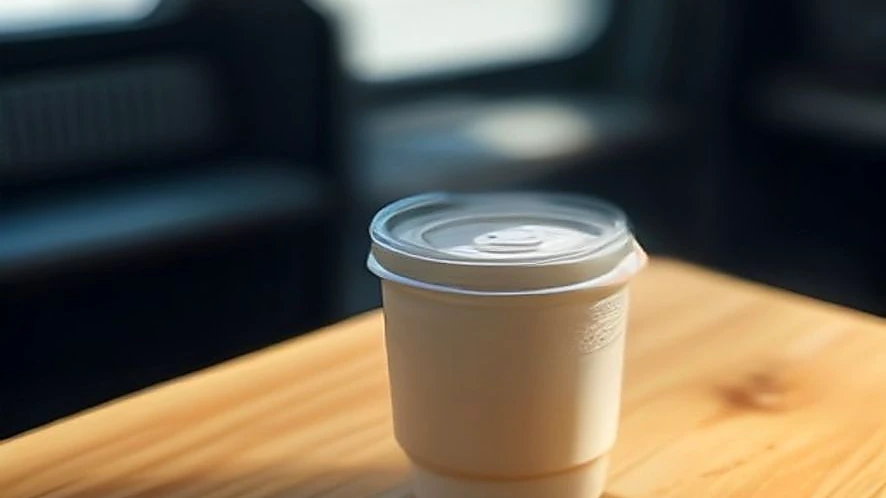
How construction and lid design affect performance
The construction materials of travel mugs and tumblers play a significant role in their performance. Most modern versions use stainless steel for durability and insulation, often with a powder-coated exterior for grip and aesthetics. The internal surfaces may be ceramic-lined or polished stainless steel to prevent metallic tastes and ease cleaning.
Travel mugs typically feature tapered bodies designed to fit standard car cup holders, often including handles or grips for secure carrying. Their lids incorporate locking mechanisms such as twist locks, snap closures, or sliding covers that seal the drinking spout tightly. These lids often include silicone gaskets to enhance leak resistance. The complexity of these lids means they require regular cleaning to prevent residue buildup, but they provide superior spill protection.
Tumblers, by contrast, often have straight-sided cylindrical shapes with wide mouths that facilitate adding ice and easy cleaning. Their lids are usually simpler, featuring open sips or sliding covers that do not fully seal. While this design maximizes ease of use and drinking comfort, it compromises leak prevention. Some tumblers come with straw-friendly lids or removable seals to improve versatility.
The insulation mechanism in both types relies on vacuum technology. By removing air between the two stainless steel walls, heat transfer is minimized. This vacuum insulation can reduce heat loss by up to 70% compared to single-wall containers. However, the effectiveness also depends on lid design; a tightly sealed lid limits heat exchange with the environment, while an open or loose lid allows temperature to equalize faster.
Portability is influenced by both shape and lid security. Travel mugs, with their narrower profile and locking lids, are better suited for active transport and movement, reducing the risk of spills. Tumblers, while easier to sip from and often larger, require more careful handling to avoid accidents, especially when carried in bags or on uneven surfaces.
| Attribute | Travel Mug | Tumbler |
|---|---|---|
| Typical volume | 12-20 oz (350-600 ml) | 20-40 oz (600-1200 ml) |
| Lid type | Sealed locking lids with spouts or sliders to prevent leaks | Simple lids with open sips or sliding covers, not fully leakproof |
| Shape | Tapered for cup holders, often with a handle | Cylindrical, sometimes with handles but often smooth sides |
| Primary use | Best for hot drinks needing spill protection | Commonly used for cold or room temperature drinks |
| Insulation effectiveness | Designed to keep drinks hot for 4-6 hours, cold for similar | Kept cold for 6+ hours, hot retention varies but generally less than travel mugs |
| Portability | More secure for commuting but bulkier | Easier to sip from and carry but risk spills if tipped |
From My Kitchen
Once, I took a tumbler to a friend’s outdoor barbecue expecting it to keep my iced tea cold and be easy to sip from. It did stay cold, but when I set it down on uneven ground, the lid popped off and spilled half the drink. Later, I swapped it for a travel mug with a locking lid I had in the car. The trade-off was that it was harder to drink from quickly, but it didn’t spill when jostled and kept my tea warm longer as the sun went down.
This experience highlighted the practical consequences of design choices. The tumbler’s wide mouth and loose lid made sipping effortless but compromised spill resistance. The travel mug’s secure lid and insulation maintained temperature and prevented messes, but the smaller opening slowed hydration. For daily use, these differences can impact convenience, cleanliness, and drink enjoyment.
Worth Considering
Best for hot beverages and spill prevention: Simple Modern Insulated Travel Coffee Mug 16oz

This travel mug is designed for commuters and anyone who needs to keep drinks hot and contained. Its ceramic-lined interior prevents metallic aftertaste, and the 360° lid offers spill resistance. It’s not ideal if you want a large volume or quick sips due to the smaller capacity and lid design.
Brand: 4.2 4.2 out of 5 stars · Price when checked: $29.99 · Rating: 4.2 out of 5 (278 ratings)
Pros
- Ceramic-lined interior for pure coffee flavour
- Double-wall vacuum insulation retains temperature for hours
- Cupholder friendly and durable stainless steel
Cons
- Limited to 16 oz capacity
- Lid can be fiddly to clean and use
Best for large volume cold drinks and casual sipping: HASLE OUTFITTERS 40 oz Stainless Steel Tumbler with Handle

This tumbler offers a large 40 oz capacity and a powder-coated, durable exterior with a handle. It fits most cup holders despite its size and is ideal for cold drinks or extended hydration. It’s not leakproof, so it requires careful handling and is less suited for hot drinks if you want spill protection.
Brand: HASLE OUTFITTERS · Price when checked: $89.99 · Rating: 4.3 out of 5 (3,768 ratings)
Pros
- Large 40 oz capacity
- Vacuum insulated double wall keeps drinks cold for hours
- Fits most cup holders despite size
Cons
- Lid is not fully leakproof
- Bulky for some cup holders or bags
When neither travel mug nor tumbler is the right choice
If you require a container for truly long-term temperature retention, such as for all-day hot meals or cold storage exceeding 8-12 hours, neither typical travel mugs nor tumblers will suffice. Insulated thermoses with thicker vacuum walls and specialized sealing mechanisms outperform both in this respect.
Additionally, for activities demanding ultra-lightweight or collapsible drinkware—like hiking or backpacking—neither a travel mug nor a tumbler is practical. In those cases, soft flasks or silicone collapsible bottles may offer better portability.
In short, consider your specific use case carefully. The convenience and insulation of travel mugs and tumblers suit many daily scenarios but not every situation.
Related reading
- Vacuum food storage container vs vacuum sealer: Which preserves food better
- 10 Best Glass Meal Prep Containers with Bamboo Lids for Stylish Storage
- 7+ Best Food Storage Containers for Freshness & Organization
Frequently Asked Questions
Can tumblers keep hot drinks as well as travel mugs?
Generally, tumblers can keep drinks hot but not as effectively as travel mugs. Travel mugs often have tighter, locking lids and narrower openings that reduce heat loss by limiting airflow, maintaining higher temperatures for 4-6 hours. Tumblers usually have wider lids that allow more heat escape, so hot drinks cool faster. For long-lasting heat retention, a travel mug is usually better.
Do travel mugs always prevent leaks completely?
Not always. Most travel mugs have lids designed to seal tightly with locking mechanisms that reduce leaks significantly, but the quality varies between models. Some cheaper or poorly designed lids may still leak if tipped or squeezed. It’s important to test a mug’s leak resistance yourself before relying on it in bags or vehicles.
Are tumblers easier to clean than travel mugs?
Yes, tumblers tend to be easier to clean because of their wide openings and simpler lids. Travel mugs often have smaller openings and more complex lids with seals and sliders that require more thorough cleaning to avoid residue buildup. If ease of cleaning is a priority, tumblers are generally more user-friendly.
Related: Wine glasses vs tumblers: understanding practical and sensory differences

Rimi Sultana is a home cook from Bangladesh who has cooked for her family every day for the past five years and writes about it at Smart Cooks. Perpetually testing whether internet-famous recipes actually work in a regular home kitchen. Say hello on Facebook or through the contact page.