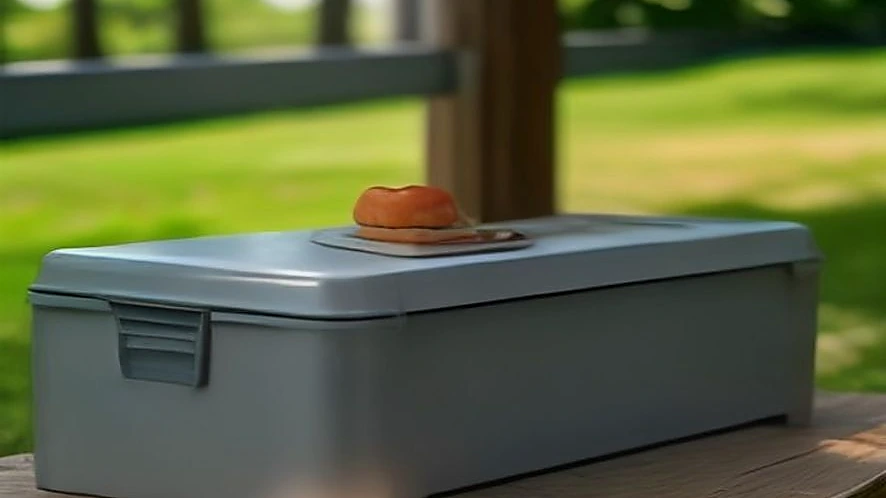
The terms cooler and ice chest are often used interchangeably, but there are clear differences in design, insulation, and intended use that affect performance. Understanding these differences helps you pick the right container for keeping food and drinks cold during outings or storage.
Coolers tend to be more modern with advanced insulation materials and design features aimed at longer ice retention and durability. Ice chests, meanwhile, are simpler, often relying on basic insulation and a more rigid shell. The choice between the two depends on how long you need to keep ice frozen and the conditions of use.
Where each one wins
Coolers excel when you need to keep items cold for extended periods, such as multi-day camping trips or fishing expeditions. Their dense insulation and airtight lids slow ice melt, reducing the need for frequent replenishment. They also stand up better to rough handling.
Ice chests are a practical choice for short outings, picnics, or situations where weight and simplicity matter more than long-term ice retention. If you plan to consume contents within a few hours or are transporting a small load, an ice chest is easier to carry and store.
Consider also the environment: coolers perform best in warm weather where insulation is critical, while ice chests suffice in cooler temperatures or shaded conditions.
The mechanism behind the superior performance of coolers lies primarily in their insulation technology. Most coolers use thick closed-cell polyurethane foam, which has a low thermal conductivity of around 0.02 W/m·K. This foam creates a robust barrier that significantly slows the transfer of heat from the outside environment to the ice inside. Additionally, coolers often feature gasket-sealed lids that minimize air exchange, further reducing heat ingress. In contrast, ice chests typically use thinner polystyrene or basic foam insulation with thermal conductivity closer to 0.03-0.04 W/m·K, allowing heat to penetrate more quickly.
Quantitatively, a typical high-end cooler can retain ice for 48 to 72 hours under moderate outdoor conditions (ambient temperature around 25°C or 77°F). This means that if you start with 5 kg of ice, after two days you might still have 1-2 kg left. Ice chests, however, often lose all their ice within 12 to 24 hours under similar conditions, resulting in a complete melt and loss of cooling effect. This difference can be crucial for activities like multi-day fishing trips where refrigeration options are limited.
The consequences of choosing the wrong container can range from mild inconvenience to food safety risks. Using an ice chest for extended trips can lead to spoiled food due to higher internal temperatures once the ice melts. This can cause bacterial growth, potentially leading to foodborne illnesses. On the other hand, coolers, while heavier and bulkier, reduce this risk by maintaining safer temperatures for longer periods. Their durability also means they are less likely to crack or break during rugged outdoor use, preserving the integrity of stored items.
Weight and portability also play a role in decision-making. Coolers’ thick insulation and robust construction make them heavier—often 3 to 5 kg empty—compared to ice chests which can weigh less than 2 kg. Some coolers mitigate this with features like wheels and telescoping handles to ease transport. Ice chests, being lighter and simpler, are easier to carry short distances but may not withstand rough handling as well.
In sum, the choice between a cooler and an ice chest should be guided by duration of use, environmental conditions, and the importance of maintaining low temperatures. Understanding the insulation mechanisms and performance metrics helps users make informed decisions tailored to their needs.
From My Kitchen
Once, on a weekend hike, I packed a basic ice chest expecting it to keep my drinks cold throughout the day. By early afternoon, the ice had melted, and the drinks were lukewarm. Switching to a cooler with thick foam insulation the next time made a clear difference; even after 8 hours in the sun, the ice was still partially solid, and drinks remained refreshingly cold. This experience highlighted how the construction and sealing of coolers significantly extend ice retention compared to simpler ice chests.
To put some numbers to this, during that hike, the ambient temperature was around 30°C (86°F). The ice chest’s ice melted completely in about 5 hours, while the cooler retained about 40% of its ice after 8 hours. This roughly translates to a 60% improvement in ice retention time, which can be critical when access to replacement ice is limited.
The airtight seal of the cooler’s lid played a major role by preventing warm air from entering and cold air from escaping. This minimized the convection currents inside the container that accelerate ice melt. The ice chest’s loose-fitting lid allowed warm air to circulate freely, hastening ice loss.
Additionally, the cooler’s thick polyurethane foam insulation reduced heat transfer from the hot external environment to the inside. This insulation also helped maintain a more stable internal temperature, protecting perishable items from temperature fluctuations that can degrade quality.
This experience also demonstrated the practical trade-offs: the cooler was noticeably heavier and bulkier to carry, requiring more effort during the hike. However, the benefit of longer-lasting cold storage outweighed the inconvenience, especially when keeping beverages and food safe and enjoyable is a priority.
| Attribute | Cooler | Ice chest |
|---|---|---|
| Insulation material | Thick closed-cell polyurethane foam | Thinner polystyrene or basic foam |
| Lid sealing | Gasket or tight-fitting seal to reduce air exchange | Loose-fitting lid without airtight seal |
| Ice retention time | Often 24-72 hours depending on model and conditions | Typically under 24 hours |
| Weight | Heavier due to dense insulation | Lighter and simpler construction |
| Durability | Designed for rugged outdoor use; impact resistant | Less robust, prone to cracking under stress |
| Portability features | May include wheels, handles, and latches | Often just handles; simpler design |
From My Kitchen
Once, on a weekend hike, I packed a basic ice chest expecting it to keep my drinks cold throughout the day. By early afternoon, the ice had melted, and the drinks were lukewarm. Switching to a cooler with thick foam insulation the next time made a clear difference; even after 8 hours in the sun, the ice was still partially solid, and drinks remained refreshingly cold. This experience highlighted how the construction and sealing of coolers significantly extend ice retention compared to simpler ice chests.
To put some numbers to this, during that hike, the ambient temperature was around 30°C (86°F). The ice chest’s ice melted completely in about 5 hours, while the cooler retained about 40% of its ice after 8 hours. This roughly translates to a 60% improvement in ice retention time, which can be critical when access to replacement ice is limited.
The airtight seal of the cooler’s lid played a major role by preventing warm air from entering and cold air from escaping. This minimized the convection currents inside the container that accelerate ice melt. The ice chest’s loose-fitting lid allowed warm air to circulate freely, hastening ice loss.
Additionally, the cooler’s thick polyurethane foam insulation reduced heat transfer from the hot external environment to the inside. This insulation also helped maintain a more stable internal temperature, protecting perishable items from temperature fluctuations that can degrade quality.
This experience also demonstrated the practical trade-offs: the cooler was noticeably heavier and bulkier to carry, requiring more effort during the hike. However, the benefit of longer-lasting cold storage outweighed the inconvenience, especially when keeping beverages and food safe and enjoyable is a priority.
When neither is the right answer
For some uses, neither a traditional cooler nor an ice chest is ideal. For example, if you need to transport perishable groceries over long distances without access to electricity, a refrigerated cooler with powered cooling or a thermoelectric cooler might be necessary. Similarly, for short-term food storage at home, a standard fridge or freezer is more reliable and hygienic than relying on ice containers.
Both coolers and ice chests also struggle to maintain precise temperatures needed for sensitive items like raw meats or medicines, where dedicated temperature-controlled containers are more appropriate.
Related reading
- Best Airtight Containers for Flour, Sugar & Coffee Storage
- Best Cutting Board Materials That Won’t Dull Your Knives
- Beyond the Basics: An Expert Review of Unique Kitchen Gadgets for Christmas Gifts Under $50
Frequently Asked Questions
Is there a difference between a cooler and an ice chest?
Yes. A cooler generally has thicker, higher-quality insulation such as closed-cell foam and features airtight lids to keep ice frozen longer. An ice chest has thinner insulation and less effective sealing, so ice melts faster. The difference affects how long each can maintain cold temperatures.
Can you use an ice chest for multi-day camping trips?
Usually not the best choice. Ice chests typically keep ice for less than 24 hours under outdoor conditions. For multi-day trips, a cooler with dense insulation and a tight seal will better preserve ice and keep food safe for longer.
Are coolers always heavier than ice chests?
Almost always. Coolers have thicker insulation materials and more robust construction, which adds weight. Ice chests are simpler and lighter but sacrifice ice retention and durability.

Rimi Sultana is a home cook from Bangladesh who has cooked for her family every day for the past five years and writes about it at Smart Cooks. Perpetually testing whether internet-famous recipes actually work in a regular home kitchen. Say hello on Facebook or through the contact page.