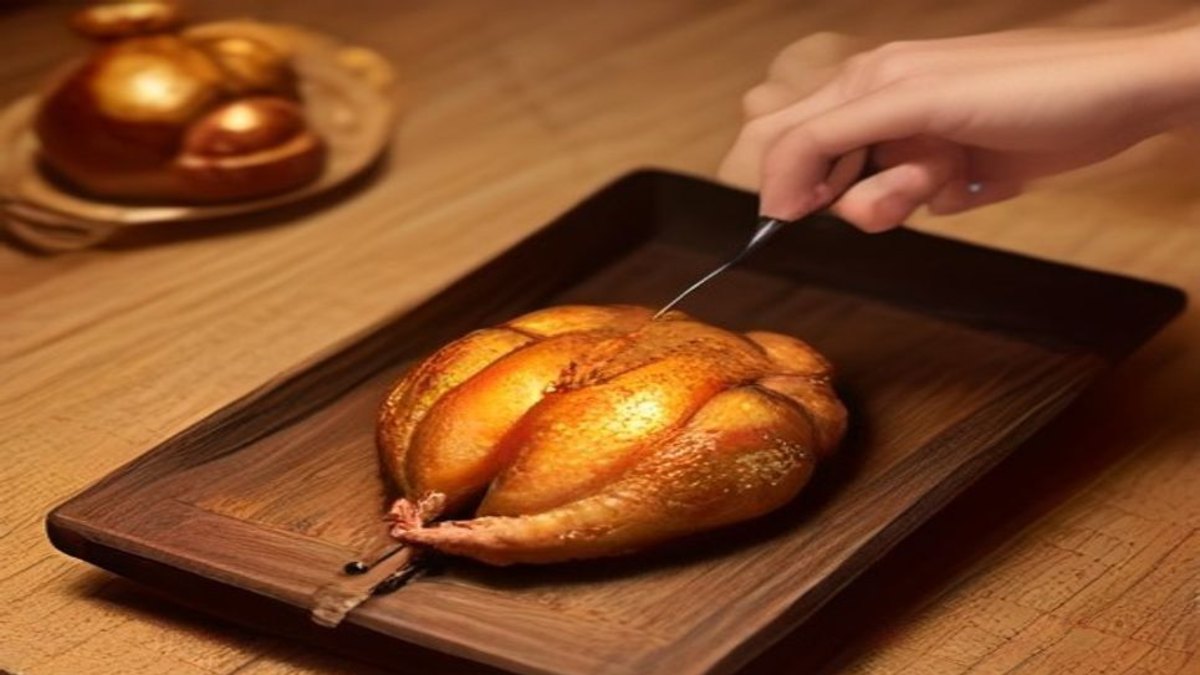
Meat thermometers and oven thermometers are often confused because both measure temperature related to cooking, but they serve distinct purposes. The key difference lies in what temperature they measure: meat thermometers monitor the internal temperature of food to ensure safe and precise cooking, while oven thermometers gauge the ambient heat inside the oven cavity to verify its actual temperature.
Some links in this post are affiliate links. If you buy through them we may earn a small commission at no extra cost to you — it never changes which products we recommend.
This distinction affects their design, placement, and accuracy requirements. Using one in place of the other can lead to incorrect readings and poorly cooked food. Understanding these differences helps avoid guesswork and improves cooking results.
How the measurement mechanism defines purpose and design
Meat thermometers use a probe sensor that must be inserted into the thickest part of the meat or food item. This sensor relies on conduction to measure the internal temperature accurately. The probe tip is typically made from metal with a thermistor or thermocouple inside that quickly responds to changes in temperature. Because the sensor is inside the food, it provides a direct reading of doneness and safety levels, which are critical for avoiding foodborne illness.
Oven thermometers, by contrast, measure the ambient air temperature inside the oven cavity. They usually consist of a dial or digital sensor exposed to the oven environment. Since air temperature can fluctuate due to heating cycles and hot spots, oven thermometers are designed to withstand prolonged exposure to high heat, often up to 600°F (315°C). The slower response time compared to meat thermometers is sufficient because oven temperature changes more gradually.
The fundamental difference in measurement target means design priorities differ: meat thermometers focus on fast, precise internal readings often with digital displays and probes, while oven thermometers prioritize durability and stable ambient temperature readings with dial faces or robust digital sensors.
Where each one wins
Meat thermometers are essential for ensuring the safety and quality of meat, poultry, and other dense foods. For example, the USDA recommends cooking poultry to an internal temperature of 165°F (74°C) to eliminate harmful bacteria such as Salmonella. Using a meat thermometer to verify this temperature prevents undercooking, which can cause foodborne illness, and overcooking, which leads to dryness and loss of flavor. The ability to monitor internal temperature during cooking allows chefs to achieve precise doneness levels such as medium-rare beef at 135°F (57°C) or pork at 145°F (63°C) with a resting period.
Oven thermometers provide critical insight into the actual temperature inside the oven, which often deviates from the set thermostat by as much as 25°F (14°C) or more. This variation arises from factors such as thermostat calibration errors, uneven heat distribution, and hot or cold spots within the oven cavity. For baking delicate items like soufflés, pastries, or bread, consistent oven temperature is crucial to proper rising and texture. An oven thermometer allows cooks to adjust the oven temperature setting or reposition food to compensate for these irregularities, resulting in more reliable cooking outcomes.
For long cooking processes such as slow roasting or smoking, maintaining steady oven temperatures can affect moisture retention and tenderness. An oven thermometer left inside the oven for the entire cooking duration provides continuous feedback, enabling adjustments as needed. In contrast, meat thermometers are generally used intermittently to check internal temperature at critical points.
Using the correct thermometer for each task is important because substituting one for the other reduces accuracy. For example, using a meat thermometer to check oven temperature will give unstable readings due to the sensor’s design for conduction rather than air temperature. Similarly, relying on an oven thermometer to judge meat doneness is ineffective since it does not measure internal food temperature.
In summary, meat thermometers excel at providing precise internal temperature readings crucial for food safety and quality, while oven thermometers excel at verifying and calibrating oven heat to ensure a stable cooking environment.
| Attribute | Meat thermometer | Oven thermometer |
|---|---|---|
| Measurement target | Internal temperature of meat or food | Ambient air temperature inside oven |
| Sensor type and placement | Probe sensor inserted into food, often digital or analog | Dial or sensor exposed to oven air, typically analog dial or probe-mounted digital |
| Temperature range | Typically 32°F to 212°F (0°C to 100°C), some up to 572°F (300°C) | Typically 100°F to 600°F (40°C to 315°C) |
| Usage duration | Used intermittently during cooking to check doneness | Left inside oven continuously during cooking to monitor oven heat |
| Response time | Seconds to minutes for stable internal reading | Slower response to temperature changes due to air circulation |
| Durability in heat | Some models not oven-safe; probe must be heat-resistant; digital displays often external | Made to withstand prolonged high oven temperatures |
| Common form factor | Digital probe with cable or instant-read pen style | Dial face thermometer with hook or stand |
From My Kitchen
Once, I was roasting a leg of lamb and relied on my oven’s thermostat to set the temperature at 325°F (163°C). The roast was taking longer than usual, but I didn’t check the internal temperature with a meat thermometer until nearly two hours had passed. When I finally used the TempPro TempTrack digital meat thermometer, it showed the lamb was still well below the safe medium-rare target of 135°F (57°C).
At that point, I pulled out the CDN oven thermometer I had hanging in the oven and noticed the temperature was actually closer to 275°F (135°C), 50°F (28°C) lower than the set point. The oven thermostat was off, causing undercooking. After adjusting the oven temperature higher, I used the meat thermometer probe again to confirm the lamb’s internal temperature reached the proper doneness.
This episode illustrated that relying solely on one type of thermometer can lead to errors. The oven thermometer helped identify the oven’s temperature discrepancy, while the meat thermometer confirmed the internal doneness. Both tools are necessary for consistent and safe cooking results.
Worth Considering
Best for internal food temperature: TempPro TempTrack Digital Meat Thermometer
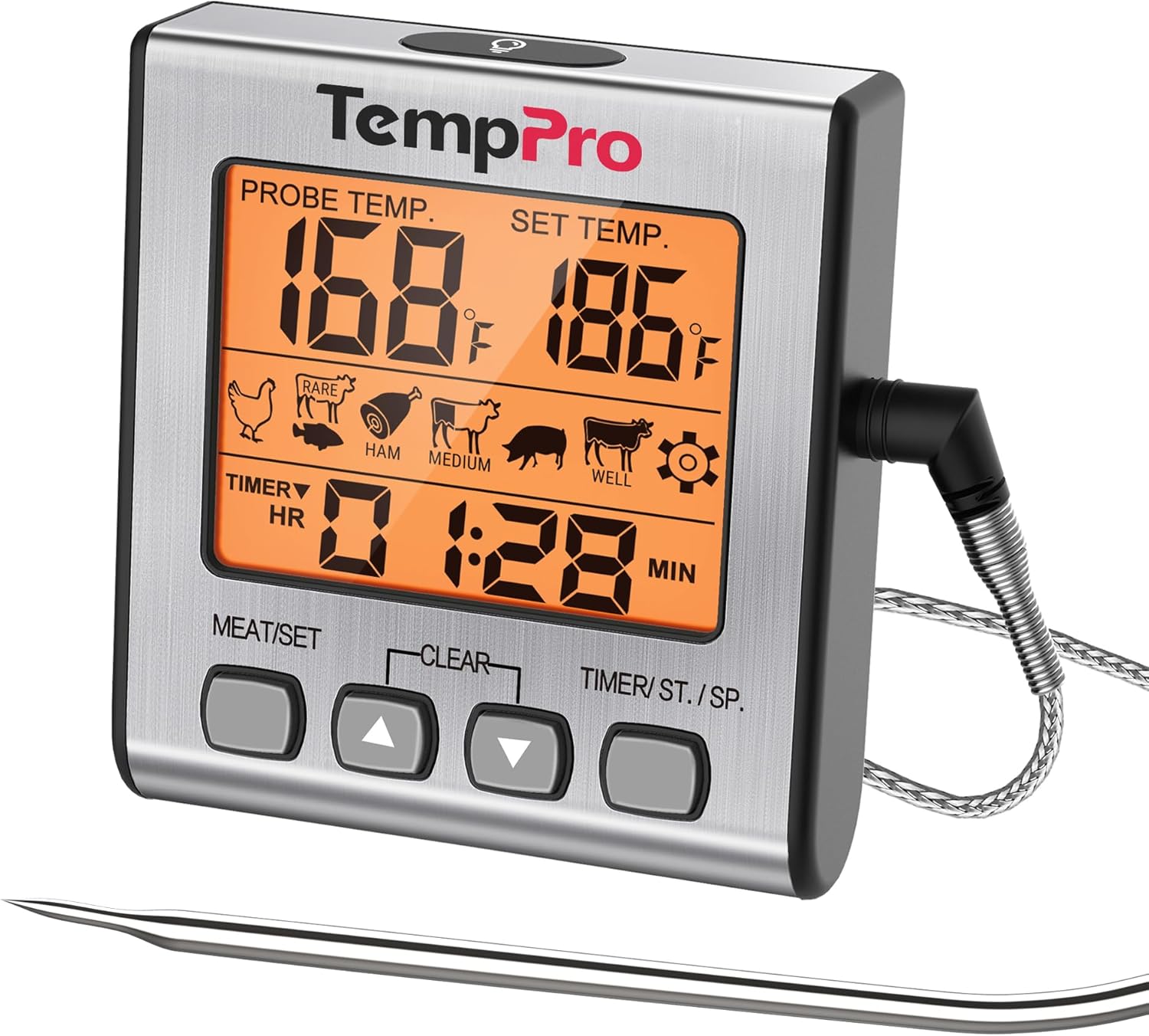
This digital probe thermometer provides accurate monitoring of the internal temperature of meat and other foods during cooking or grilling. It features versatile storage options with a built-in magnet, stand, and hanging hole. It is not designed for continuous placement inside ovens; the probe and cable must be oven-safe for that use. Suitable for cooks who need precise doneness and food safety control.
Brand: TempPro · Price when checked: $19.94 · Rating: 4.5 out of 5 (29004 ratings)
Pros
- Accurate internal temperature readings with digital display
- Space-saving storage with magnet, stand, and hanging hole
- Suitable for grilling and roasting with probe cable
Cons
- Not designed for continuous exposure inside ovens at very high temperatures
- Requires manual insertion into food; not instant-read without probe
Best for monitoring oven temperature: CDN Oven Thermometer ProAccurate®
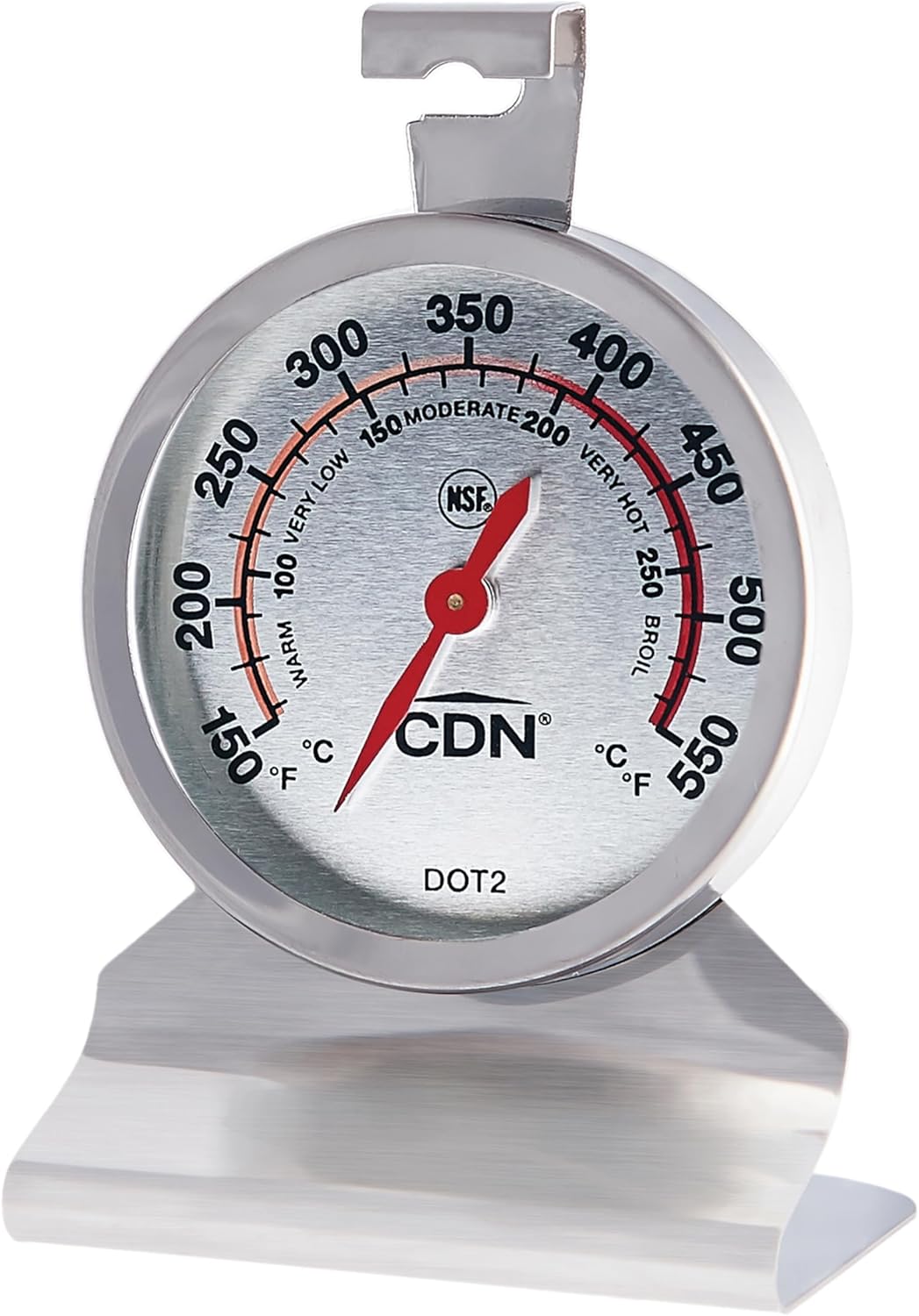
This dial oven thermometer is built for continuous use inside ovens, accurately showing ambient air temperature to verify or calibrate your oven thermostat. It is NSF certified for professional reliability and made of stainless steel. It is not suitable for measuring internal food temperature. Ideal for baking and roasting where oven temperature consistency is important.
Brand: CDN · Price when checked: $14.98 · Rating: 4.2 out of 5 (46,327 ratings)
Pros
- Durable stainless steel construction withstands oven heat
- Clear 2-inch dial with ProAccurate calibration
- Can be left in oven for entire cooking time
Cons
- Only measures oven air temperature, not internal food temperature
- Dial can be harder to read quickly compared to digital
When neither meat nor oven thermometers are the right answer
For some cooking techniques, neither a meat thermometer nor an oven thermometer provides the information you need. For example, sous vide cooking requires immersion circulators that regulate water bath temperature accurately rather than relying on oven or internal food thermometers. Likewise, instant-read digital thermometers can give a quick surface temperature for thin foods but do not replace the need for internal meat probes or oven ambient measurements.
In high-temperature grilling or smoking, multi-probe wireless thermometers with real-time alerts may be superior to basic meat or oven thermometers because they allow monitoring multiple points simultaneously and remotely. These advanced tools offer more control but at higher cost and complexity.
Therefore, choose the right thermometer based on the cooking method and what you need to measure rather than relying on a single tool for all tasks.
Related reading
- Bread and Butter Pickle Recipe (So Crispy & Easy!)
- Mastering Carbon Steel: An Expert’s In-Depth Guide to Proper Seasoning and Long-Term Pan Care
- Quick & Easy Chicken Pot Pie Recipe (Foolproof!)
Frequently Asked Questions
Can I use a meat thermometer to check if my oven is at the right temperature?
Meat thermometers are designed to measure the internal temperature of food, not the air temperature inside an oven. Using a meat thermometer to check oven heat can give inaccurate and unstable readings because the sensor is meant to detect temperature by conduction inside a solid. For checking oven temperature reliably, an oven thermometer with a dial or probe exposed to the air inside the oven is necessary.
Is it safe to leave a meat thermometer probe inside the oven during cooking?
Only meat thermometers designed as oven-safe with heat-resistant probes and cables can be safely left inside the oven during cooking. Many instant-read meat thermometers are not built to withstand prolonged high oven temperatures and can be damaged if left inside. Always check the manufacturer’s specifications. For continuous oven temperature monitoring, an oven thermometer is a better choice.
Why does my oven temperature often differ from the set temperature?
Ovens commonly have calibration errors or uneven heat distribution causing differences up to 25°F (14°C) or more from the dial setting. The oven thermostat cycles heating elements on and off, causing fluctuations. Using an oven thermometer placed inside the oven cavity gives a more accurate sense of the actual cooking environment, allowing you to adjust temperature settings or cooking times accordingly.

Rimi Sultana is a home cook from Bangladesh who has cooked for her family every day for the past five years and writes about it at Smart Cooks. Perpetually testing whether internet-famous recipes actually work in a regular home kitchen. Say hello on Facebook or through the contact page.