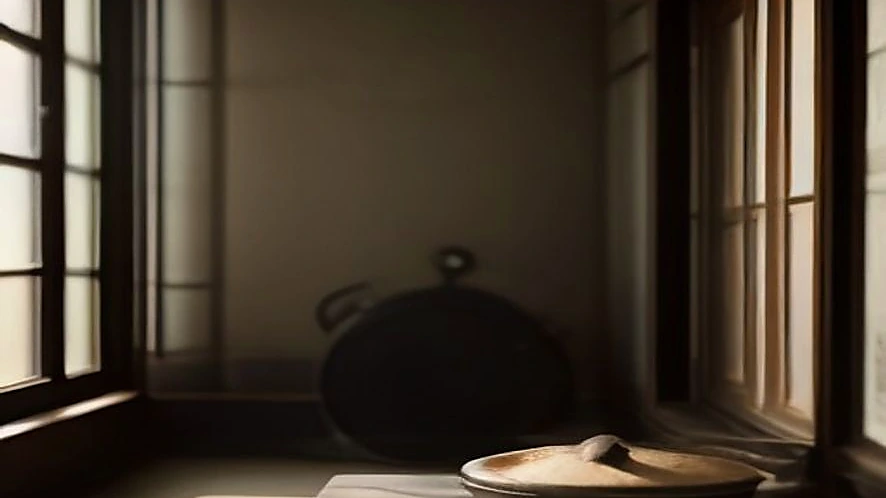
Griddle pans and tawas are both flat cooking surfaces often used for breads and other quick-cooking items. At first glance, they seem similar: both have broad, flat surfaces and are designed for stovetop use. Yet the differences in their shape, material, and typical thickness change how they perform in everyday cooking.
Understanding these differences goes beyond simple preference. It influences how heat transfers, how moisture behaves during cooking, and which recipes each tool handles best. That’s what separates a griddle pan from a tawa in practical terms, not just their cultural associations.
Where each one wins
Griddle pans are superior when you need to sear or char foods, such as vegetables, meats, and sandwiches. Their ridges raise food off the base slightly, allowing fats to drip away and helping create grill marks. The thick base maintains a steady temperature, which prevents sudden drops when cold food is added, making them reliable for longer cooking times. For example, a cast iron griddle pan with a thickness of around 5 mm can retain heat at approximately 400°F (204°C) for several minutes even after food is placed on it, enabling consistent searing. This heat retention also means griddle pans require a longer preheating time, typically 5 to 10 minutes on medium-high heat, to reach optimal cooking temperatures.
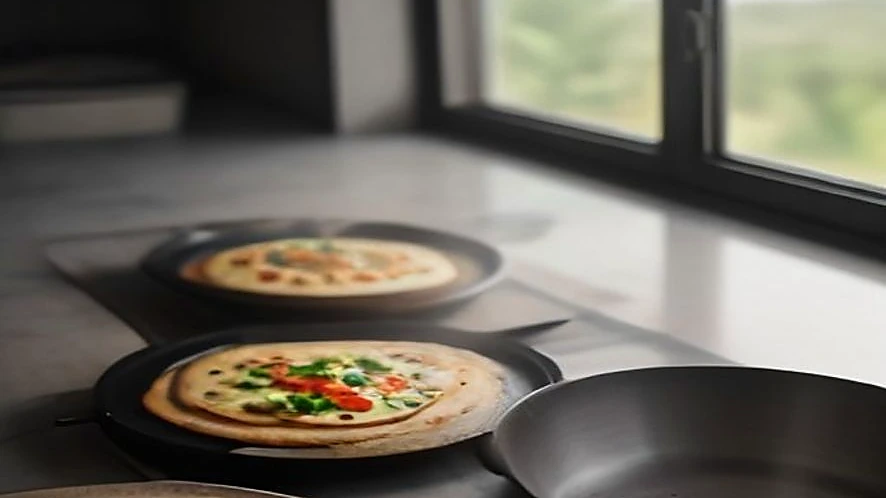
Tawas excel at cooking flatbreads and delicate pancakes that require quick, even heat and a smooth surface. Their thinner build heats up rapidly, allowing you to cook multiple breads in succession without waiting. Typically, a carbon steel tawa of about 2 to 3 mm thickness heats to cooking temperature within 2 to 3 minutes on medium heat, making it highly efficient for fast-paced cooking. The flat shape ensures the bread cooks evenly without curling or burning at edges, especially important for traditional Indian breads like rotis, chapatis, and dosas. The smooth surface also helps retain moisture close to the bread, preventing it from drying out during cooking. For instance, cooking a roti on a tawa at around 375°F (190°C) usually takes 1 to 2 minutes per side, producing soft, pliable breads.
If your cooking involves both these tasks regularly, owning both tools makes sense. But for most home cooks focusing on Indian breads or similar items, a tawa is the more efficient choice. For those who want a versatile pan for grilling and searing, a griddle pan is the better pick. The choice impacts not only cooking speed but also texture and flavor development, as the grill marks from a griddle pan can add a smoky charred taste, while the tawa’s smooth surface preserves the delicate texture of flatbreads.
How shape and material control heat and cooking on griddle pans and tawas
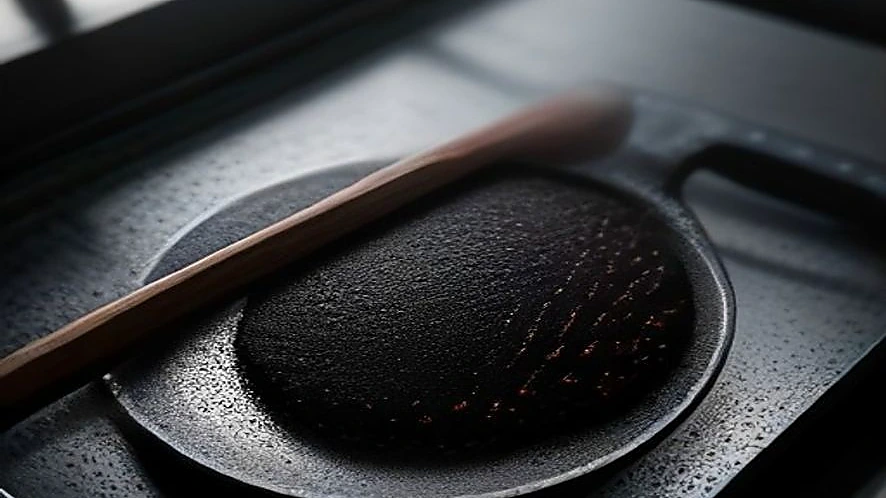
The shape and material of griddle pans and tawas play critical roles in their cooking performance. Griddle pans are often rectangular or square with low edges and ridges, typically made from cast iron or heavy aluminum. Cast iron’s high density and heat capacity allow it to store and radiate heat evenly, which is essential for searing. For example, a cast iron griddle pan weighing around 3 to 4 kilograms can absorb and retain enough heat to maintain surface temperatures above 400°F (204°C) during cooking. The ridges not only create grill marks but also improve airflow around the food, reducing steaming and promoting a crispy crust.
In contrast, tawas are usually round, flat discs with a slight curve or sloping edge, made from cast iron, carbon steel, or clay. Carbon steel tawas are lighter, heating up quickly and cooling down faster, which is ideal for cooking multiple batches of flatbreads efficiently. A typical carbon steel tawa weighing about 1 to 1.5 kilograms reaches cooking temperature within minutes and cools quickly when removed from heat. Clay tawas, while less common, offer unique heat retention properties and impart subtle earthy flavors but require careful maintenance to avoid cracking.
Thickness also affects heat retention and distribution. Griddle pans have thicker bases (often 5 mm or more), which means they take longer to heat but maintain steady temperatures. This characteristic is advantageous for foods needing consistent high heat over longer cooking times. Tawas, with thinner bases (2 to 3 mm), heat rapidly but lose heat more quickly when food is added, which is why cooking flatbreads in quick succession is effective to maintain temperature. This difference influences cooking technique; for example, a tawa user might adjust stove settings more frequently to maintain optimal heat, whereas a griddle pan user benefits from stable heat during prolonged searing.
Surface texture is another key factor. The ridged surface of griddle pans prevents food from sitting in its own fat, reducing greasiness and enhancing flavor through caramelization. The smooth surface of tawas keeps moisture near the food, which is essential for soft breads. This difference affects moisture loss and texture: foods cooked on griddle pans tend to have a drier, crispier exterior, while those cooked on tawas remain moist and tender.
Weight and handling also contribute to cooking experience. Griddle pans are heavier and bulkier, often requiring two hands to move when hot, which can be a consideration for safety and ease of use. Tawas are lighter and easier to maneuver, allowing quick flipping and repositioning of breads, which is important during rapid cooking sequences.
| Attribute | Griddle pan | Tawa |
|---|---|---|
| Shape | Rectangular or square with low edges, often ridged | Round, flat disc with slight curve or sloping edge |
| Material | Usually cast iron or heavy aluminium | Cast iron, carbon steel, or clay, generally thinner |
| Thickness and heat capacity | Thicker base stores more heat, heats slower | Thinner base heats quickly, less heat retention |
| Surface texture | Often ridged for grill marks and fat drainage | Smooth and flat to hold moisture close to food |
| Cooking style suitability | Best for searing, grilling meats, and vegetables | Best for flatbreads, pancakes, and quick dry cooking |
| Weight and handling | Heavier and bulkier, harder to move while hot | Lighter, easier to handle and flip breads |
From my kitchen
Once, while making a batch of dosas for guests, I used a cast iron griddle pan instead of my usual carbon steel tawa. The pan took noticeably longer to heat, and because it has ridges, the batter didn’t spread evenly. The dosas came out unevenly cooked with burnt spots and some raw patches. Switching back to my thin, smooth tawa fixed this. It heats quickly and has a perfectly flat surface, which lets the batter spread uniformly and cook evenly within 2–3 minutes at 375°F (190°C). That episode reminded me that the right surface texture and thickness matter, especially for thin batters or breads.
In terms of numbers, the griddle pan’s thicker cast iron base (around 5 mm thick) took about 8 minutes to reach the ideal dosa cooking temperature, whereas the carbon steel tawa (approximately 2.5 mm thick) reached the same temperature in about 3 minutes. The ridges on the griddle pan caused the batter to pool unevenly, leading to inconsistent cooking and texture, which is critical for dosas that rely on even heat for crispness and softness balance.
This experience highlights the importance of matching cookware characteristics to specific cooking needs. For delicate, quick-cooking items like dosas, the fast heat-up and smooth surface of a tawa are essential. Conversely, for foods requiring char and sear, the thermal mass and ridged surface of a griddle pan provide advantages that a tawa cannot replicate.
When neither griddle pan nor tawa is the right choice
For cooking methods requiring precise temperature control or a non-stick surface for sticky batters, neither a traditional griddle pan nor a tawa may be ideal. For instance, a dedicated non-stick crepe pan or a specialised electric griddle can provide smoother surfaces and consistent heat regulation that traditional heavy pans struggle with.
Similarly, when cooking thick steaks or foods requiring high-heat searing with smoke control, a cast iron skillet with higher edges offers better utility than a flat griddle or tawa. In these cases, the limitations of the flat shape or material thickness make other pans more appropriate.
For everyday versatility, most kitchens benefit more from a carbon steel tawa for breads and a cast iron skillet or griddle for meats and vegetables rather than relying solely on either a griddle pan or a tawa.
Related reading
- Mastering Carbon Steel: An Expert’s In-Depth Guide to Proper Seasoning and Long-Term Pan Care
- 9+ Best Stainless Steel Skillets: Top Picks & Reviews
- Best Cutting Board Materials That Won’t Dull Your Knives
Frequently Asked Questions
Can I use a griddle pan as a tawa for making rotis?
You can, but the results won’t be optimal. Griddle pans often have ridges or are thicker, which prevents the dough from making full contact with the surface. This leads to uneven cooking and less puffing of rotis. A tawa’s smooth, flat surface and thinner metal allow for quicker, more even heat transfer, which is essential for properly cooking and puffing Indian flatbreads.
What is the best material for a tawa?
Cast iron and carbon steel are the most common and practical materials for tawas. Both conduct heat well and develop a natural seasoning over time that creates a semi-non-stick surface. Clay tawas exist but require more care and are less durable. Carbon steel heats faster and is lighter, while cast iron retains heat longer but is heavier.
Why do some griddle pans have ridges and others don’t?
Ridges on griddle pans create grill marks and allow fat to drip away from food, which is beneficial when cooking meats or vegetables where searing and fat drainage are desired. Flat griddles without ridges are better for foods that need full surface contact, like pancakes or eggs. The choice depends on the type of cooking you plan to do.
Rimi Sultana is a home cook from Bangladesh who has cooked for her family every day for the past five years and writes about it at Smart Cooks. Perpetually testing whether internet-famous recipes actually work in a regular home kitchen. Say hello on Facebook or through the contact page.