Grill pans and electric grills are often seen as interchangeable appliances for indoor grilling, but their differences go beyond simple appearance. Understanding how each device generates and distributes heat, interacts with food, and handles grease can clarify which suits a particular kitchen or cooking style.
Some links in this post are affiliate links. If you buy through them we may earn a small commission at no extra cost to you — it never changes which products we recommend.
While both tools can produce characteristic grill marks and sear food, the mechanisms behind their operation affect temperature control, ease of cleaning, flavour development, and cooking speed. These distinctions determine their effectiveness for different types of grilling tasks.
How heat source and material construction shape cooking
The fundamental difference between grill pans and electric grills lies in their heat sources and the materials used in their construction, which directly influence cooking performance and outcomes. Grill pans, typically made of cast iron or heavy metal, rely on stovetop burners—gas or electric—to generate heat. Cast iron is prized for its high heat retention and even heat distribution once fully heated, which is essential for achieving the characteristic sear and grill marks. However, the heat conduction depends heavily on the burner type and size. Gas burners provide rapid, intense heat that can quickly bring the pan to temperature, but uneven burner flames or pans larger than the burner can cause hot and cold spots. Electric coil burners heat more slowly and may produce less consistent heat, while induction stoves offer precise control but require pans with magnetic bases.
On the other hand, electric grills use internal electric heating elements embedded beneath metal plates, often coated with non-stick surfaces. These plates heat evenly across their surface, regulated by thermostatic controls that maintain consistent temperatures, typically ranging from 200°F to 450°F (93°C to 232°C). This consistency allows for precise cooking times and reduces the risk of burning or undercooking. The ridged or flat plates mimic traditional grill surfaces and facilitate fat drainage, which helps reduce flare-ups and smoke. Material coatings on electric grills are designed for easy cleaning but may degrade over time with heavy use.
Where each one wins
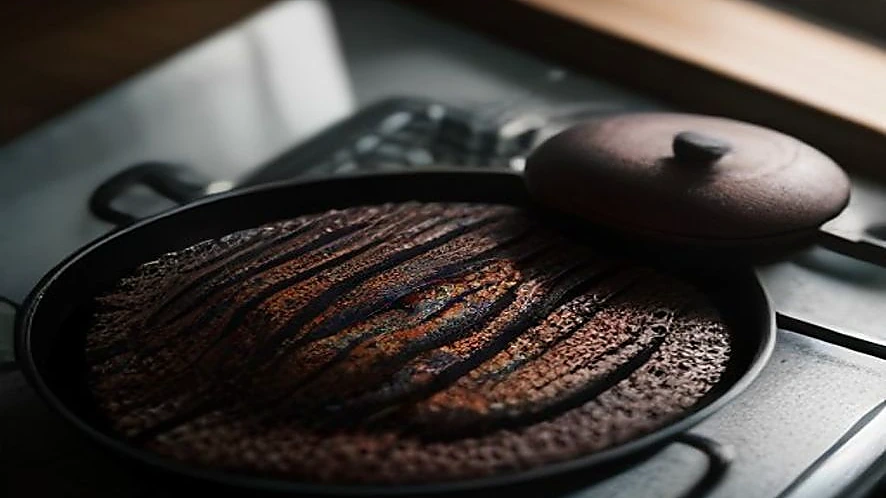
Grill pans are excellent for cooks who want a straightforward tool to use on any compatible stovetop, especially gas burners that provide quick and strong heat. Their heavy cast iron or metal body can develop a well-seasoned surface over time, improving food release and adding depth to flavour through accumulated seasoning layers. This seasoning also creates a semi-nonstick surface that enhances browning and crust formation. The direct contact with the food’s fat allows for Maillard reactions and caramelisation that contribute to complex flavour profiles. However, uneven burner heat can create hot and cold spots on the pan, which users need to manage by repositioning food during cooking to ensure even searing and doneness.
Electric grills excel when consistent temperature control is necessary. Their thermostatic settings keep heat steady for precise cooking, which benefits foods that require even cooking without frequent flipping, such as vegetables or thicker cuts of meat. For example, maintaining a steady 400°F (204°C) ensures thorough cooking with well-defined grill marks while reducing the risk of flare-ups. The built-in grease management system, including drip trays, effectively captures excess fat, significantly reducing indoor smoke and making cleanup easier. Electric grills are also convenient for kitchens without gas stoves or for users preferring a plug-and-play appliance without the need to monitor burner settings constantly. The trade-off is that electric grills often lack the intense direct heat and seasoning benefits of cast iron, possibly resulting in less pronounced flavour development. However, their ease of use and consistent performance make them ideal for busy households or those with limited cooking experience.
| Attribute | Grill pan | Electric grill |
|---|---|---|
| Heat source | Stovetop burner (gas or electric) | Internal electric heating element |
| Material | Usually cast iron or heavy metal with ridges | Metal plates with heating coils, often non-stick coated |
| Temperature control | Manual, depends on stove burner and pan heat retention | Thermostatic controls with preset temperature settings |
| Cooking surface | Ridged surface that sears food via direct contact | Ridged or flat plates heated electrically, often non-stick |
| Grease management | No built-in grease collection; grease accumulates in ridges | Drip tray collects grease away from food reducing smoke |
| Portability and setup | Requires stovetop, no plugs needed | Requires electrical outlet, self-contained unit |
From my kitchen
Once, I tried searing thick pork chops on a cast iron grill pan over a gas hob. The pan was larger than the burner, so the edges didn’t get hot enough to brown properly, and the chops cooked unevenly, with burnt seams and undercooked centres. To fix this, I preheated the pan longer and rotated it occasionally to redistribute heat, which helped but required constant attention. This experience highlighted the importance of pan size relative to burner size and the need for active heat management when using grill pans.
By contrast, when I used an electric grill with thermostatic control for the same chops, the cooking surface maintained an even 400°F (204°C). The chops cooked through with consistent marks and minimal flipping needed, demonstrating the advantage of precise temperature regulation. The drip tray caught most fat, reducing smoke and making cleanup straightforward. The trade-off was less flavour from direct fat contact with the heating surface, but the convenience and control were worth it on a busy evening. This comparison underscores how electric grills can simplify cooking at the expense of some traditional grill flavours.
Worth Considering
Best for versatile stovetop use: Nuwave Medley XL Digital Electric Skillet

Though named an electric skillet, this appliance functions as an electric grilling surface with digital temperature controls. It suits kitchens lacking gas or those seeking precise heat without a separate grill unit. Its family-size surface accommodates multiple items but requires an electrical outlet and is bulkier than a simple grill pan.
Brand: Nuwave · Price when checked: $139.99 · Rating: 4.0 out of 5 (314 ratings)
Pros
- Digital temperature control for consistent cooking
- Large cooking surface suitable for family meals
- Included glass lid helps retain heat and moisture
Cons
- Requires electrical outlet, limiting portability
- Heavier and bulkier than simple pans
Best for stovetop grilling aficionados: Masterbuilt Gravity Series 1050 Flat-Top Griddle Insert
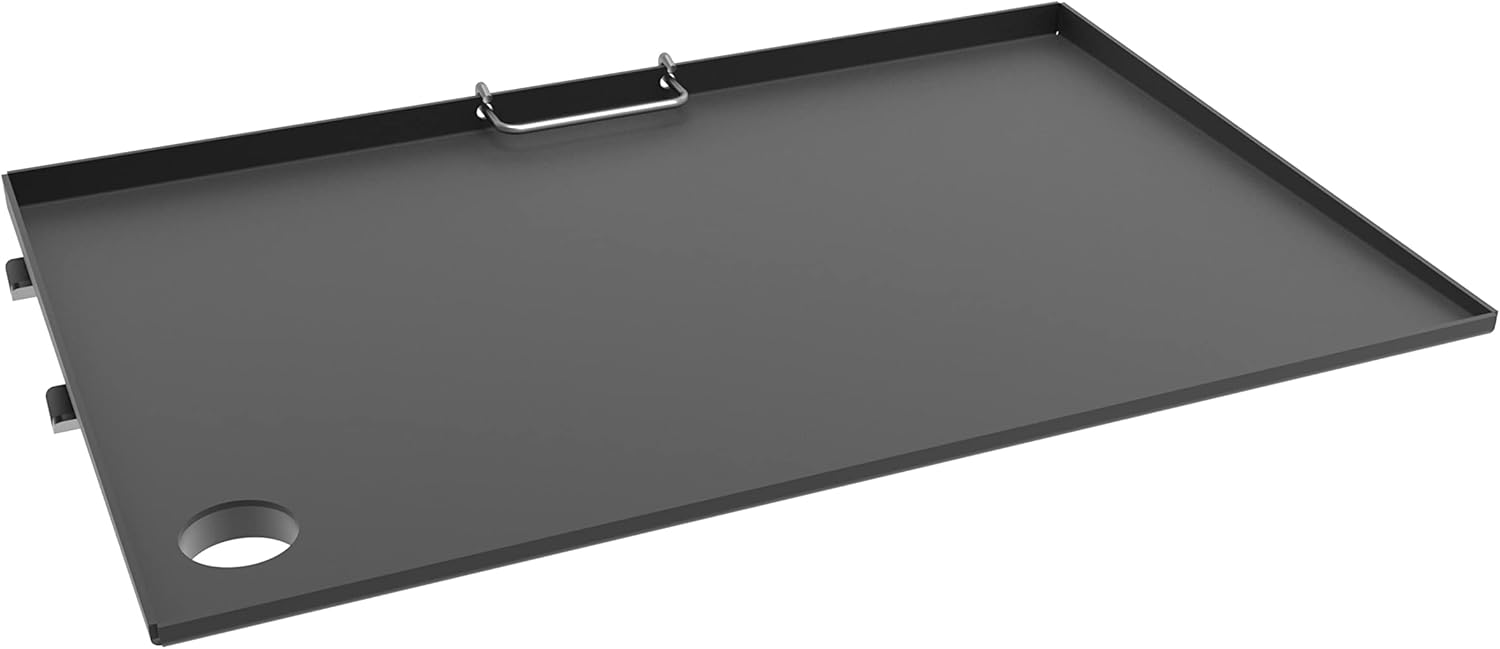
This pre-seasoned steel griddle accessory fits the Masterbuilt Gravity Series 1050 grill and offers a durable, easy-to-clean ridged surface ideal for heavy-duty grilling. It enables direct heat contact and strong searing but depends on an existing grill setup and gas or charcoal heat, limiting standalone use.
Brand: Masterbuilt · Price when checked: $149.99 · Rating: 4.1 out of 5 (5780 ratings)
Pros
- Pre-seasoned steel for durability and easy cleaning
- Large 465 square inches of cooking space
- Compatible with DigitalFan technology for precise heat control
Cons
- Designed as a grill insert, not standalone
- Requires charcoal grill setup, not for stovetop
When neither grill pan nor electric grill is the right answer
If your priority is authentic smoky flavour or cooking large quantities outdoors, neither a grill pan nor an electric grill will suffice. Charcoal or gas barbecues provide direct flame contact and smoke infusion, which these indoor alternatives cannot replicate. Additionally, if you need a multi-function appliance for roasting, baking, or sous vide, dedicated devices or combination cookers are more appropriate.
For those concerned about cleanup after greasy foods, neither option is completely hassle-free. Cast iron grill pans require seasoning upkeep and can trap grease in ridges, while electric grills, though featuring drip trays, have electrical components needing careful cleaning to avoid damage.
Related reading
- 35+ Easy Freezer Meals for New Moms (A Lifesaver!)
- Best Kitchen Appliances: Top Picks for Every Modern Home
- Best Cutting Board Materials That Won’t Dull Your Knives
Frequently Asked Questions
Can grill pans be used on any type of stove?
Grill pans made of cast iron or heavy metal generally work on gas, electric coil, and induction stoves, but induction compatibility requires a magnetic base. On gas stoves, heat tends to be more direct and controllable, whereas electric coil stoves may heat more slowly and unevenly. The pan’s size relative to the burner also affects heat distribution; if the pan is larger, edges may remain cooler.
Do electric grills produce the same flavour as outdoor grills?
Electric grills lack open flames and smoke, so they do not replicate the full flavour profile of charcoal or gas barbecues. They sear and caramelise food by direct contact with heated plates, but without smoke from wood or charcoal, the characteristic smoky taste is absent. Some electric grills have ridged plates to mimic grill marks and allow fat to drip away, reducing flare-ups and smoke.
Which device is easier to clean after grilling greasy foods?
Electric grills typically include drip trays that collect grease away from the cooking surface, making cleanup quicker and reducing smoke during cooking. The grill plates often have non-stick coatings, though these can wear over time. Grill pans, especially cast iron, require seasoning care and manual scrubbing, with grease trapped between ridges that can be harder to remove.
Related: Electric kettle vs stovetop kettle: understanding the real differences
Related: Pie dish vs tart pan: real differences and which to choose
Related: Milk pan vs saucepan: understanding key differences for cooking

Rimi Sultana is a home cook from Bangladesh who has cooked for her family every day for the past five years and writes about it at Smart Cooks. Perpetually testing whether internet-famous recipes actually work in a regular home kitchen. Say hello on Facebook or through the contact page.