
Shelf liners and drawer mats both serve to protect surfaces and organise kitchen storage, but they are not interchangeable. Their differences lie mainly in material thickness, grip properties, and specific placement designed for either shelves or drawers.
Some links in this post are affiliate links. If you buy through them we may earn a small commission at no extra cost to you — it never changes which products we recommend.
Choosing between a shelf liner and a drawer mat depends on what you want to protect, how you want to clean it, and how much movement or cushioning you need. This article breaks down the mechanics behind each and when you should pick one over the other.
Where each one wins
Shelf liners are better suited for stationary surfaces where protection from spills, dust, and scratches takes priority. Their thin profile allows easy cutting to fit irregular shelf dimensions and is ideal for cabinet shelves or pantry racks.
Drawer mats excel when you need to stabilise items that move when the drawer slides in and out. Their thicker, grippier material cushions fragile utensils, glassware, or pantry jars and prevents noise from rattling. They handle repeated friction better without curling or shifting.
If your kitchen storage involves mainly open shelves or cabinets, shelf liners provide the protection you need with minimal bulk. For drawers containing loose or delicate items, drawer mats reduce movement and potential damage.
Delving deeper into the mechanics, shelf liners typically have a thickness ranging from 0.5 to 1 millimeter, which allows them to conform closely to the surface of shelves. This thinness means they add minimal height and do not interfere with the stacking of items. Their surface textures vary from smooth to lightly textured, providing moderate grip that is sufficient to keep static items in place without causing damage to delicate surfaces. However, this moderate grip is often insufficient in environments where items are frequently moved or jostled, such as in drawers.
In contrast, drawer mats are designed with a thickness usually between 1.5 and 3 millimeters, providing a cushioning effect that protects fragile items from impact and reduces noise caused by movement. The heavily textured or rubberised surface of drawer mats significantly increases friction, preventing items from sliding even during vigorous drawer movements. This increased grip is crucial in preventing accidental damage to glassware, ceramics, and utensils stored in drawers.
From a durability perspective, drawer mats are engineered to withstand continuous friction and pressure due to the repetitive opening and closing of drawers. Their materials resist curling, tearing, and degradation over time, which is essential for maintaining consistent performance. Shelf liners, being thinner and less robust, may curl at the edges or shift when exposed to moisture or frequent contact, reducing their effectiveness.
The choice between shelf liners and drawer mats can also impact cleaning routines. Shelf liners, often made of smooth materials, can be easily wiped down or washed, but their tendency to curl when wet can complicate maintenance. Drawer mats, with their textured surfaces, may trap debris and require more thorough cleaning, but their water-resistant properties help prevent damage from spills.
In terms of consequences, using a shelf liner in a drawer with loose items can lead to increased noise, item damage, and frustration due to sliding and shifting. Conversely, using a drawer mat on a shelf may be unnecessarily bulky and could reduce usable space. Understanding these nuances ensures optimal protection and organisation tailored to the specific storage context.
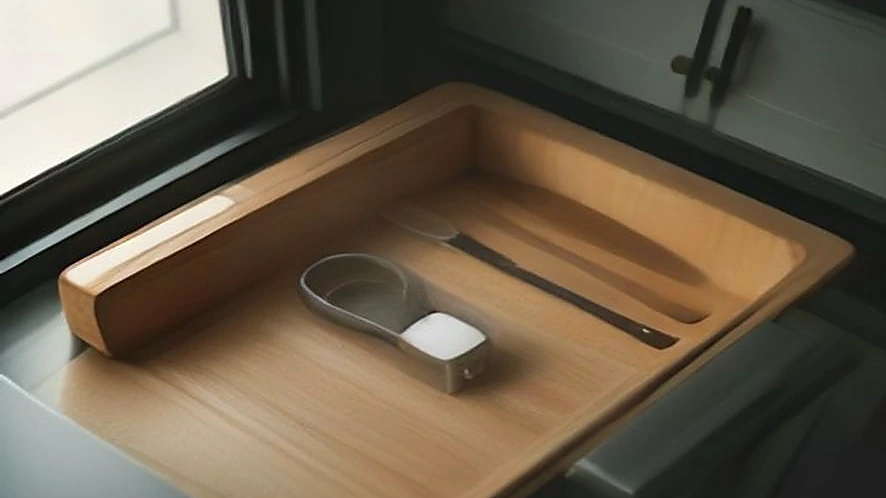
Material structure and grip mechanisms
The effectiveness of shelf liners and drawer mats largely depends on their material composition and surface design. Shelf liners are often made from thin sheets of PVC, EVA foam, or vinyl, materials chosen for their flexibility and ease of cleaning. Their smooth or lightly textured surfaces provide a balance between grip and ease of movement, allowing items to be placed and removed without excessive resistance.
Drawer mats, on the other hand, frequently incorporate rubberised compounds or denser foam materials that provide enhanced grip and cushioning. The surface texture is deliberately rough or patterned, increasing the coefficient of friction between the mat and stored items. This design reduces the likelihood of items sliding during drawer movement.
Mechanically, the grip provided by drawer mats can be quantified by measuring the static friction coefficient between the mat surface and common kitchen materials such as glass, metal, and plastic. Studies show that drawer mats can increase static friction by up to 50% compared to typical shelf liners, significantly reducing item displacement.
Moreover, the cushioning effect of thicker drawer mats helps absorb shocks and vibrations, protecting fragile items from damage. This is particularly important in households where drawers are frequently opened and closed quickly or where heavy items are stored.
The durability of these materials is also critical. Shelf liners may degrade or lose adhesion when exposed to moisture or heat, leading to curling or peeling, which can compromise their protective function. Drawer mats are generally more resistant to such environmental factors, maintaining their grip and cushioning properties over extended periods.
In summary, the material structure and grip mechanisms of shelf liners and drawer mats are tailored to their intended applications, balancing protection, ease of use, and durability.
| Feature | Shelf liner | Drawer mat |
|---|---|---|
| Material thickness | Thin, typically 0.5–1 mm | Thicker, often 1.5–3 mm |
| Surface texture | Smooth to lightly textured for moderate grip | Heavily textured or rubberised for strong grip |
| Primary function | Protect shelf surface from moisture, dust, scratches | Prevent items sliding, cushion contents inside drawers |
| Cleaning ease | Can be wiped or washed easily; may curl if wet | More water-resistant; often non-adhesive and removable |
| Durability under movement | Less durable under frequent sliding and pressure | Designed to withstand repeated drawer opening and closing |
| Installation | Cut to size and placed freely or with minimal adhesive | Usually non-slip mats that stay in place by friction and weight |
From My Kitchen
Once I used a thin shelf liner inside a cutlery drawer and found that knives and utensils kept sliding noisily every time the drawer opened. The liner’s smooth underside didn’t grip the wood, and the utensils lacked cushioning, so they shifted with each motion. Swapping it for a thicker, rubberised drawer mat solved the problem—the mat held the utensils in place and muffled the sound. That taught me to match liner thickness and grip to the storage context, not just pick one based on appearance.
In another instance, I lined a pantry shelf with a thin shelf liner to protect the surface from occasional spills and dust. The liner was easy to cut and fit perfectly, and cleaning up was straightforward—wiping away crumbs and minor spills took seconds. However, when I tried to use the same liner in a drawer containing glass jars, I noticed the liner curled at the edges after a few weeks, and the jars occasionally shifted during drawer use. This experience reinforced the importance of choosing the right liner type based on the specific environment and usage patterns.
Worth Considering
Best for grip and cushioning: GORILLA GRIP powerGRIP Drawer Shelf and Cabinet Liner

The GORILLA GRIP powerGRIP liner is thick and designed to prevent items from sliding in drawers or cabinets. Its non-adhesive but heavily textured surface excels at stabilising utensils and glassware, making it ideal for drawers but also usable on shelves where cushioning is needed. It is less suitable if you want a very thin, barely noticeable liner.
Brand: GORILLA GRIP · Price when checked: $14.99 · Rating: 4.6 out of 5 (771 ratings)
Pros
- Thick 1.5–3 mm material cushions and stabilises contents
- Non-slip surface grips drawer interiors and items well
- Easy to cut to size and reposition without residue
Cons
- Thicker profile takes up more space in shallow drawers
- Can be harder to clean thoroughly if heavily textured
Best for flat surface protection: BAGAIL Drawer and Shelf Liner

The BAGAIL liner is thinner and smooth, best for protecting shelves or drawer bottoms from scratches and moisture. It lays flat and is easy to clean but provides only moderate grip, so it is less effective at preventing sliding in drawers with loose items. Ideal for shelves or low-movement drawers.
Brand: BAGAIL BASICS · Price when checked: $6.99 · Rating: 4.6 out of 5 (1,066 ratings)
Pros
- Thin 0.5–1 mm profile fits neatly on shelves and drawers
- Smooth surface simplifies cleaning and wiping
- Affordable and easy to trim to precise sizes
Cons
- Limited slip resistance in drawers with shifting contents
- Can curl on edges if exposed to moisture over time
When neither shelf liner nor drawer mat is the right answer
There are situations where neither a shelf liner nor a drawer mat will meet your needs. For example, if you require a permanently fixed surface protector, adhesive-backed liners or custom-cut rigid shelf inserts may be better. These options avoid shifting and curling but sacrifice ease of removal and repositioning.
Similarly, if you need high heat resistance or chemical protection (such as inside an oven or under a heavy appliance), typical shelf liners and drawer mats made of PVC or EVA foam are not designed for such extremes. In these cases, silicone mats or metal trays provide safer, more durable protection.
Finally, if your goal is to achieve an aesthetic upgrade rather than just protection or grip, decorative contact paper or fabric liners with waterproof backing might be preferable, albeit with different durability and cleaning requirements.
Related reading
- Baking sheet vs jelly roll pan: practical differences for home cooks
- Best Cutting Board Materials That Won’t Dull Your Knives
- Beyond the Basics: An Expert Review of Unique Kitchen Gadgets for Christmas Gifts Under $50
Frequently Asked Questions
Can I use a shelf liner in a drawer?
You can use a shelf liner in a drawer, but keep in mind that most shelf liners are thinner and have less grip than drawer mats. If your drawer contents are prone to sliding or rattling, a shelf liner might not prevent movement effectively. For drawers with loose or fragile items, a thicker, textured drawer mat is usually better.
How do I clean shelf liners and drawer mats?
Most shelf liners and drawer mats can be cleaned by removing them and wiping with warm soapy water or a mild detergent. Thick drawer mats with textured surfaces may require gentle scrubbing to remove debris lodged in grooves. Avoid harsh chemicals that can degrade plastic or foam materials over time.
Do these liners prevent moisture damage?
Shelf liners and drawer mats create a barrier that helps protect surfaces from moisture, spills, and stains. However, if moisture becomes trapped underneath, it can encourage mould or mildew growth, especially with non-breathable materials. Regularly removing and drying liners helps prevent moisture-related issues.
Related: Top 8 steamer baskets for vegetables with practical use insights

Rimi Sultana is a home cook from Bangladesh who has cooked for her family every day for the past five years and writes about it at Smart Cooks. Perpetually testing whether internet-famous recipes actually work in a regular home kitchen. Say hello on Facebook or through the contact page.